Boat Type: Power Boats
Boat Class: Flybridge
Length: 52 ft
Berths: 6
Cabins: 3
Bathrooms: 2
Max Persons: 8
Boat Database » Sunseeker Manhattan 50
Sunseeker Manhattan 50
Inboard Direct-Drive, Diesel, 2x 800 HP
Power Boats 2007 Sunseeker Manhattan 50: What Owners Need to Know Before Buying, Surveying, or Upgrading
If you’re looking at a 2007 Sunseeker Manhattan 50, you’re probably already drawn to the mix of sporty lines, generous interior space, a...
Discover
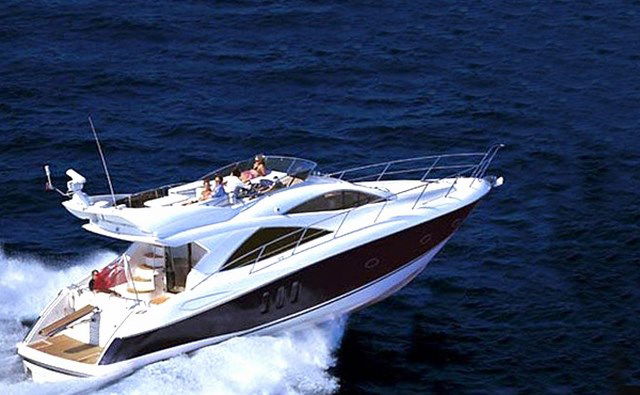
Images have been gathered from various sources and belong to their respective owners.
Latest Market Trends (Latest Available Year Model)
Price: $480,363
Review - Sunseeker Manhattan 50

MarineBroker
11/25/2023, 6:48 AM
2007 Sunseeker Manhattan 50: What Owners Need to Know Before Buying, Surveying, or Upgrading
If you’re looking at a 2007 Sunseeker Manhattan 50, you’re probably already drawn to the mix of sporty lines, generous interior space, and that unmistakable Sunseeker feel. It’s a boat that still turns heads at the dock, but like any yacht of this age, the real question isn’t just whether it looks good. It’s whether it’s the right fit for your plans, your budget, and your expectations once the excitement of the listing photos wears off.
That’s where a lot of buyers and current owners run into trouble. A Manhattan 50 can be a fantastic boat, but only if you know what to check, what tends to age, and where the hidden costs usually show up. The good news is that most of the common headaches are predictable. With a smart approach, you can avoid expensive surprises, make a better buying decision, and enjoy the boat the way it was meant to be used.
In this article, we’ll walk through the most important things to know about the 2007 Sunseeker Manhattan 50, including typical problem areas, ownership considerations, and practical ways to evaluate or improve the boat.
- Why the 2007 Sunseeker Manhattan 50 still appeals to buyers
The Manhattan 50 sits in that sweet spot between a family cruiser and a proper luxury flybridge yacht. It offers enough space for comfortable weekends or longer trips, but it’s still manageable compared with larger boats in the Sunseeker range.
For many buyers, the appeal comes down to three things:
- Strong brand recognition and stylish design
- A layout that feels larger than the length suggests
- Good performance for a boat of its class
At around 50 feet, it gives you a real cruising platform without jumping into the more demanding ownership profile of a 60- or 70-foot yacht. That makes it attractive to experienced owners moving up, as well as buyers who want a first “proper” yacht.
But there’s a catch: boats like this are often bought for emotion first and inspected later. That’s where buyers can get caught out. A well-kept Manhattan 50 can be a joy. A neglected one can become a money pit fast.
- The most common problem: buying based on appearance alone
The biggest issue people face with a 2007 Sunseeker Manhattan 50 is assuming that a clean-looking boat is a well-maintained one. Cosmetic condition tells only part of the story.
A glossy hull, fresh upholstery, and polished stainless can hide:
- Aging mechanical systems
- Water intrusion
- Electrical issues
- Worn soft goods and equipment
- Deferred maintenance from previous owners
On a yacht from 2007, age-related wear is normal. The real problem is when that wear has not been tracked or addressed properly. A buyer who skips a detailed survey may end up discovering expensive issues after closing, when leverage is gone and repair bills are theirs alone.
The practical solution is simple: treat the boat like a project until proven otherwise. Even if it looks immaculate, assume you need to verify the condition of every major system before committing.
- What to inspect on a 2007 Sunseeker Manhattan 50
A proper evaluation should focus on the systems that are most expensive to repair and most likely to age with time. That means looking beyond the obvious and checking the boat as a whole.
- Engines and propulsion
Depending on the specific configuration, many Manhattan 50s from this era are powered by Volvo Penta diesel engines. Engine hours matter, but so does service history. Low hours are not automatically better if the boat has sat unused for long periods.
Look for:
- Regular oil and filter changes
- Coolant and impeller service
- Clean engine room condition
- Signs of leaks, corrosion, or overheating
- Smooth idle and clean acceleration
A sea trial is essential. Listen for vibration, smoke, hesitation, or unusual temperatures. If the boat doesn’t perform consistently under load, that’s a red flag.
- Generator and onboard systems
The generator is one of those items buyers often overlook until it fails. On a cruiser like this, it’s critical for comfort and liveaboard use.
Check:
- Start-up behavior
- Stable voltage output
- Service intervals
- Cooling system condition
- Noise and vibration levels
The same goes for air conditioning, water heaters, pumps, and battery chargers. These systems may not seem exciting, but they’re what make the boat usable day to day.
- Electrical system
Electrical problems are common on aging yachts, especially if multiple owners have added equipment over the years.
Watch for:
- Amateur wiring
- Corrosion in panels or connections
- Non-functioning gauges or electronics
- Battery bank age and condition
- Shore power issues
If you see a lot of loose add-ons, mismatched components, or taped connections, expect troubleshooting time and expense.
- Water ingress and structural concerns
This is a big one. Any boat with deck fittings, windows, hatches, or hardware can develop leaks over time. On a Sunseeker, water intrusion around windows, hatches, or deck hardware should be checked carefully.
Signs may include:
- Soft spots
- Staining
- Musty smells
- Delamination
- Corroded fasteners
A moisture meter and a good surveyor are worth every cent here. Catching water intrusion early can save thousands.
- Interior condition and hidden wear
The Manhattan 50’s interior is one of its biggest selling points, but upholstery, joinery, and soft materials age differently depending on climate and use.
Look for:
- Delamination in cabinetry
- Worn seat foam
- Sun-faded fabrics
- Sticky drawer slides or hinges
- Mold or mildew in lockers and bilges
These issues may not stop a purchase, but they do affect budget. A boat that needs a “little interior refresh” can quickly turn into a full refit if the wear is widespread.
- How to judge whether the price is fair
One of the hardest parts of buying a 2007 Sunseeker Manhattan 50 is figuring out whether the asking price reflects the boat’s real condition.
A fair price depends on more than year and model. It should reflect:
- Engine hours
- Service records
- Cosmetic condition
- Equipment upgrades
- Location and market demand
- Recent maintenance or refit work
A boat with updated navigation electronics, serviced engines, and fresh upholstery may justify a premium. A similar boat with neglected systems should be discounted accordingly.
A useful rule: don’t compare only asking prices. Compare likely ownership costs over the next 12 to 24 months. A cheaper boat can easily become the more expensive one if it needs major work right away.
- The hidden costs buyers often underestimate
A lot of people budget for the purchase price and survey, then get surprised by the rest. With a yacht like the Manhattan 50, the real cost of ownership includes much more.
Common overlooked expenses include:
- Haul-out and storage
- Bottom paint and anodes
- Engine servicing
- Generator maintenance
- Insurance
- Dockage or mooring fees
- Cleaning and detailing
- Electronics upgrades
- Canvas and upholstery replacement
If you’re stepping into a 2007 Sunseeker Manhattan 50, it’s smart to hold back a maintenance reserve. Many experienced owners keep a contingency fund specifically for age-related repairs and seasonal service.
- Best way to solve the problem: use a structured buying process
The easiest way to avoid regret is to follow a repeatable process before you buy. That means not rushing, not relying on seller assurances, and not skipping professional help.
Here’s a practical approach:
1. Review service records first
If the records are thin, assume more risk.
2. Get a qualified marine surveyor
Choose someone familiar with flybridge yachts and luxury cruisers.
3. Arrange a full sea trial
Test the boat under realistic cruising conditions.
4. Inspect the engine room carefully
This is where many hidden issues reveal themselves.
5. Budget for immediate work
Even good boats usually need something after purchase.
6. Prioritize systems over cosmetics
A shiny boat with weak systems is a bad deal.
This process doesn’t just protect you financially. It also helps you negotiate with confidence. If issues are found, you’ll know whether to walk away, request repairs, or adjust the offer.
- Ownership tips that make a big difference
If you already own a 2007 Sunseeker Manhattan 50, or you’re close to buying one, a few habits can dramatically improve reliability and reduce stress.
- Stay ahead of service intervals
Diesel engines, generators, pumps, and air conditioning systems all benefit from preventative maintenance. Waiting for failure almost always costs more.
A simple maintenance log helps you track:
- Oil changes
- Impeller replacements
- Fuel filter changes
- Belt inspections
- Battery replacement dates
- Pump and hose servicing
- Keep water out
Water is one of the biggest enemies of any yacht. Check hatch seals, window seals, deck fittings, and bilge areas regularly.
Even a small leak can lead to:
- Electrical corrosion
- Mold growth
- Interior damage
- Structural deterioration
- Don’t ignore small vibrations or noises
A new rattle, hum, or vibration is often the first sign of a larger issue. Catching it early can prevent breakdowns and protect the drivetrain.
- Upgrade smartly
Many Manhattan 50 owners eventually update the electronics, lighting, or soft furnishings. That can be a good idea, but focus on improvements that add real usability.
Useful upgrades may include:
- Modern chartplotters and radar
- Battery monitoring
- LED lighting
- Improved sound insulation
- New cockpit covers or upholstery
The goal is not to modernize everything at once. It’s to make the boat more reliable, more comfortable, and easier to use.
- Is the 2007 Sunseeker Manhattan 50 still a good boat in today’s market?
Yes, it can absolutely still be a good boat, especially for buyers who value style, space, and comfortable cruising. The design still holds up well, and the size makes it practical for many owners who want a serious yacht without moving into a much larger platform.
That said, age matters. A 2007 model is now old enough that condition matters more than branding. Two boats of the same year can feel completely different depending on maintenance history and ownership care.
So the real answer is this: the Manhattan 50 is a good boat when it has been maintained properly, surveyed thoroughly, and priced realistically. It becomes a risky purchase when buyers assume the model name alone guarantees quality.
- Who this boat suits best
The 2007 Sunseeker Manhattan 50 is a strong fit for buyers who want:
- A stylish flybridge yacht
- Comfortable family cruising
- Enough space for guests without going too large
- A boat with brand appeal and solid resale potential
- A platform that can be improved over time
It may be less suitable for buyers who want minimal maintenance, ultra-modern systems, or the lowest possible running costs. Like most yachts in this class, it rewards owners who stay organized and proactive.
- What to ask before you commit
Before you make an offer, ask these questions:
- When were the engines last fully serviced?
- Has the generator been maintained regularly?
- Are there records for major repairs?
- Has the boat had any water intrusion issues?
- When were batteries, pumps, and electronics last updated?
- Has the boat been stored indoors or outdoors?
- Are there any known defects not yet repaired?
If the answers are vague, that doesn’t automatically mean “no.” But it does mean you should investigate further and price the risk into your decision.
- Final thoughts on the 2007 Sunseeker Manhattan 50
The 2007 Sunseeker Manhattan 50 remains an appealing yacht for buyers who want a blend of style, comfort, and capable cruising. But like any boat of this age, the difference between a great purchase and an expensive headache comes down to inspection, maintenance history, and realistic budgeting.
If you focus on the systems that matter most, use a proper survey, and plan for ongoing upkeep, you can avoid the common traps that catch less prepared buyers. In other words, the boat itself is only part of the equation. The real win is buying the right example and managing it well. If you’re researching one now, take your time, ask the awkward questions, and lean on professional advice where it counts. That’s usually the smartest route to enjoying the boat with far less stress.
Specifications
General
Boat Type: Power Boats
Class Type: Flybridge
Specifications
Length: 52
Beam: 15.42
Draft: 3.94
Hull Material: GRP
Build
First Built: 2007
Propulsion
Fuel Type: Diesel
Engines: 2
Power: 800 HP
Brand: MAN
Accomodation
Berths: 6
Cabins: 3
Bathrooms: 2
PROS & CONS
What we appreciated
 Classic and stylish design with luxurious interiorsSpacious accommodation with multiple cabins and ample living spacePowerful twin engines providing good performance and speedHigh-quality build and materials typical of Sunseeker craftsmanshipWell-suited for both day cruising and longer overnight trips
What we didn’t appreciate
 Older model, so may require more maintenance and updatesFuel consumption can be relatively high due to powerful enginesLimited modern electronics and navigation systems compared to newer boatsPotentially higher running costs including docking and insuranceCan be heavy, affecting maneuverability in tight marinas
Upkeep Costs
Fuel: Approximately $15,000 - $25,000 per year depending on usage
Maintenance and Repairs: Around $10,000 - $20,000 annually
Insurance: Typically $3,000 - $7,000 per year
Docking and Marina Fees: $5,000 - $15,000 annually depending on location
Winter Storage and Cleaning: $2,000 - $5,000 per year
Rating
7.8
User
Score
Score
Driveability
Technology
Interior
Design
Similar Boats


MarineBroker
Download now for an immersive boat experience like never before! ⛵✨ Your journey begins with a simple click. 🌊📲
#SetSailSmart #DownloadNow
#SetSailSmart #DownloadNow

Subscribe
Copyright 2017 - 2026, Marinebroker.net, All Rights Reserved