Boat Type: Power Boats
Boat Class: Mega Yacht
Length: 74.8 ft
Berths: 6
Cabins: 3
Bathrooms: 3
Max Persons: 8
Boat Database » Sanlorenzo Barbarossa Moratti
Sanlorenzo Barbarossa Moratti
Inboard Direct-Drive, Diesel, 2x 1370 HP
Power Boats 1997 Sanlorenzo Barbarossa Moratti: What Buyers and Owners Should Know Before Making a Move
If you’ve been searching for information on the 1997 Sanlorenzo Barbarossa Moratti, you’re probably already aware that older luxury yacht...
Discover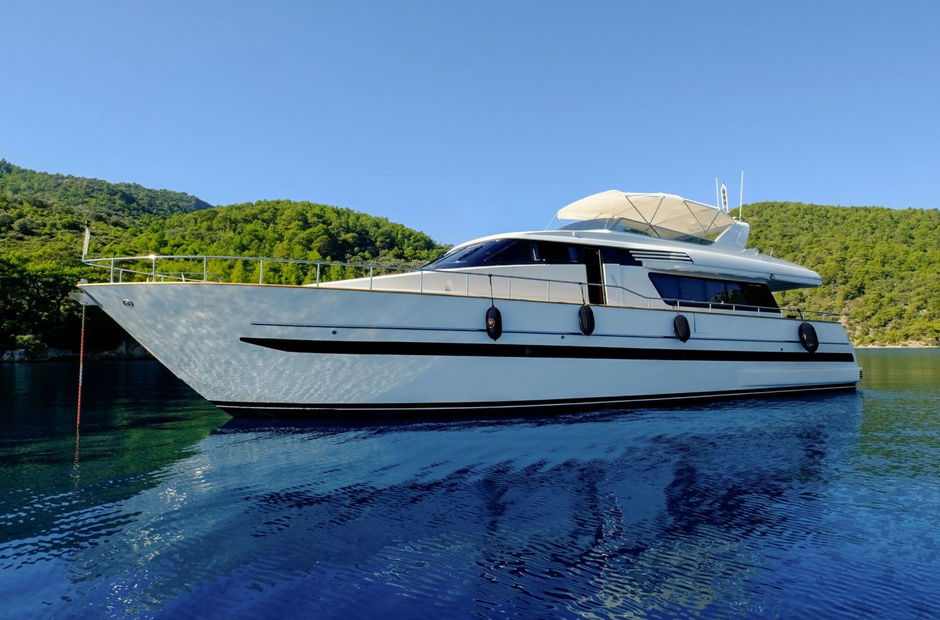
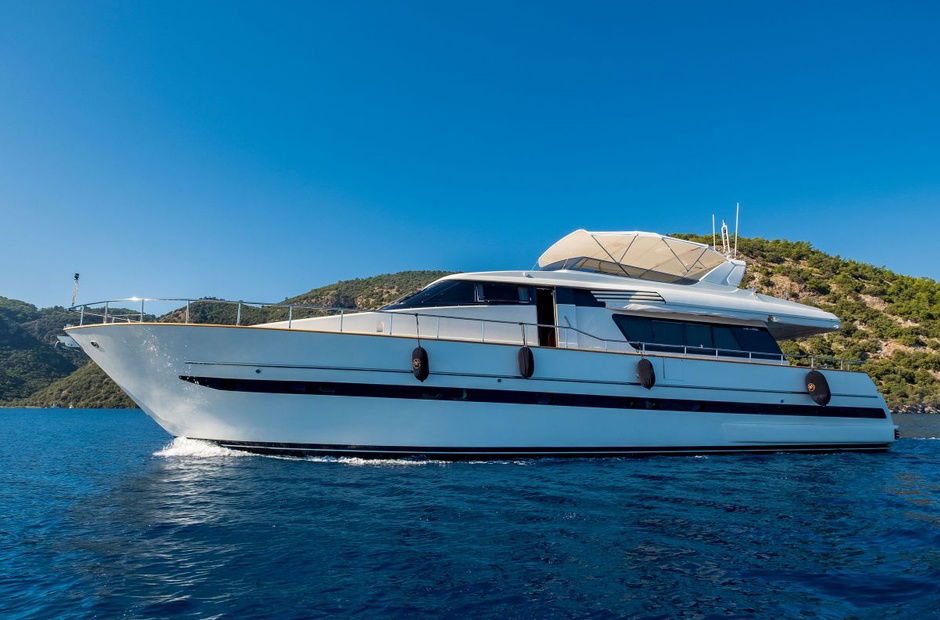
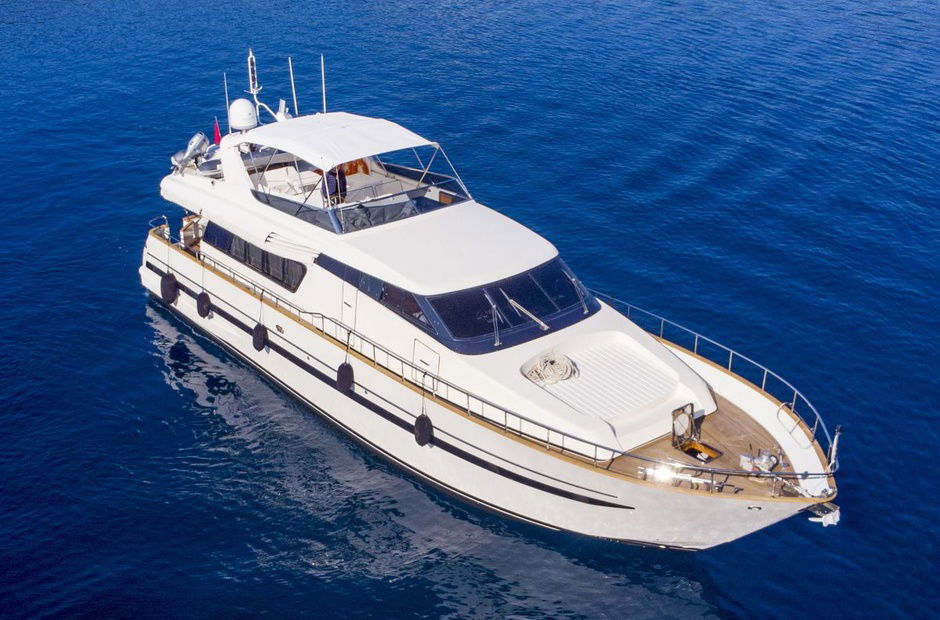
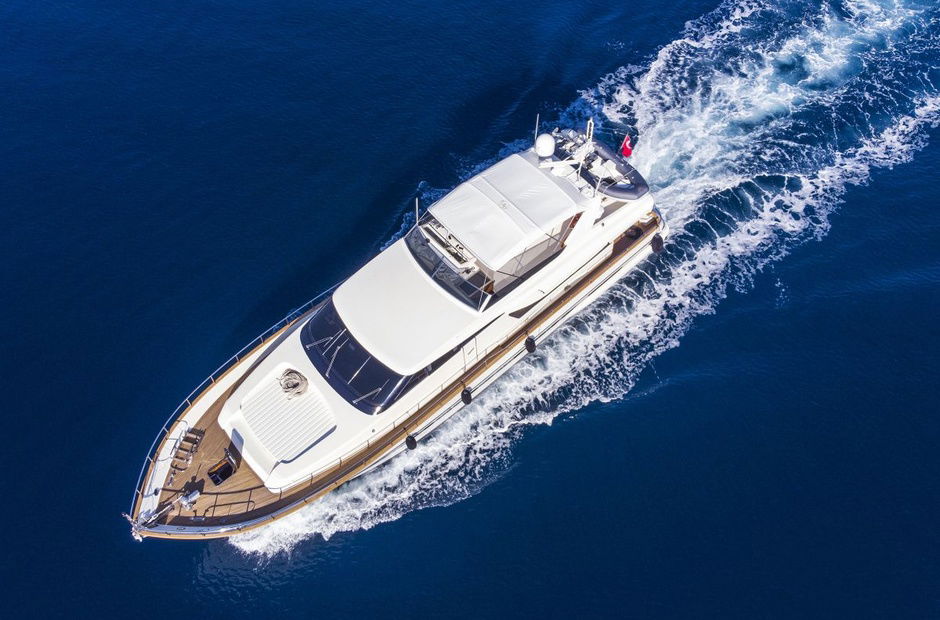
Images have been gathered from various sources and belong to their respective owners.
Review - Sanlorenzo Barbarossa Moratti

MarineBroker
12/30/2023, 6:16 AM
1997 Sanlorenzo Barbarossa Moratti: What Buyers and Owners Should Know Before Making a Move
If you’ve been searching for information on the 1997 Sanlorenzo Barbarossa Moratti, you’re probably already aware that older luxury yachts can be a mix of excitement and uncertainty. On one hand, a yacht like this can offer classic Italian craftsmanship, generous onboard space, and a level of character that newer models sometimes lack. On the other hand, a 1997 build also raises the practical questions that matter most: What condition is it really in? How expensive will upkeep be? And how do you tell whether it’s a smart purchase or a beautiful headache?
That’s the real challenge for many people interested in a yacht like the 1997 Sanlorenzo Barbarossa Moratti. The boat may look impressive at first glance, but the true value is often hidden in maintenance records, refit history, engine condition, and systems reliability. The good news is that with the right checklist and a realistic approach, you can separate a well-kept classic from a costly project. In this article, we’ll walk through the main things to look for, the most common issues with older luxury yachts, and practical ways to evaluate whether this vessel fits your goals.
- Why the 1997 Sanlorenzo Barbarossa Moratti still gets attention
Sanlorenzo has long been associated with refined Italian yacht building, and older models often attract buyers who appreciate craftsmanship over flash. A yacht from 1997 typically reflects a different era of design, where solid construction, generous interiors, and long-range cruising comfort mattered a lot.
For many enthusiasts, the appeal is simple:
- More interior volume than many modern yachts of similar length
- A classic layout that feels practical for extended time onboard
- The prestige of an established shipyard name
- Potential value if the vessel has been properly maintained or refitted
That said, age changes everything. A 1997 yacht is not just a “used” yacht; it’s a yacht that may have gone through several ownership phases, different maintenance standards, and possibly one or more major refits. So the question is not only whether the boat is attractive, but whether it has been cared for in a way that supports reliable use.
- The main problem: age-related uncertainty
The biggest issue people face with an older yacht like the 1997 Sanlorenzo Barbarossa Moratti is uncertainty. Even if the exterior looks good, hidden wear can affect nearly every major system.
Common concerns include:
- Engine and generator hours
- Corrosion in critical systems
- Aging electrical wiring
- Outdated navigation electronics
- Water intrusion in decks or superstructure
- Interior wear, mold, or humidity damage
- Deferred maintenance from previous owners
This is why older yachts can be tricky. A boat may appear ready to go, but if key systems have not been serviced regularly, the cost to bring it up to standard can be significant.
A practical mindset helps here. Instead of asking, “Is it beautiful?” ask, “Is it mechanically and structurally sound enough to justify the purchase?”
- How to evaluate a 1997 yacht the smart way
When assessing a yacht from this era, your goal is to reduce surprises. That means focusing on the areas that are most expensive to repair later.
- Start with the records
Documentation tells a story that the boat itself may not.
Look for:
- Full service logs
- Engine and generator maintenance history
- Bills for major repairs or upgrades
- Recent survey reports
- Refit invoices
- Ownership history
A well-documented yacht is usually easier to trust. If records are incomplete, that doesn’t automatically mean the boat is bad, but it does raise the level of caution you should use.
- Inspect the hull and structure
The hull and structural elements are the backbone of the vessel. On an older yacht, you want to check for signs of stress, impact, or water ingress.
Pay attention to:
- Blisters or osmosis on fiberglass surfaces
- Cracks around windows, deck fittings, and joints
- Soft spots in deck areas
- Evidence of repairs or patched sections
- Misalignment in doors, hatches, or bulkheads
If you notice signs of movement or moisture, that’s a red flag worth investigating further with a marine surveyor.
- Check engines and propulsion carefully
For many buyers, engines are the make-or-break issue.
Ask:
- How many hours are on the engines?
- Are service intervals documented?
- Have injectors, hoses, belts, and seals been replaced on schedule?
- Is there evidence of oil leaks or overheating?
- Do the engines start cleanly and run evenly?
A sea trial is extremely important. It helps reveal vibration, smoke, temperature issues, and performance problems that may not show up at the dock.
- Examine electrical and onboard systems
Older yachts often struggle most with electrical aging. Wiring, breakers, batteries, chargers, and monitoring systems can all become unreliable over time.
Check for:
- Updated wiring standards
- Clean, organized electrical panels
- Properly labeled circuits
- Battery age and condition
- Working shore power systems
- Reliable backup systems
If the electrical setup looks improvised or heavily modified, that usually means future troubleshooting headaches.
- What refit history can tell you
A major refit can dramatically improve the value of an older yacht. For the 1997 Sanlorenzo Barbarossa Moratti, refit history may be one of the most important indicators of whether the boat is worth serious consideration.
A quality refit often includes:
- Engine overhaul or replacement of key components
- New navigation electronics
- Fresh upholstery and interior finishes
- Updated plumbing and sanitation systems
- New exterior paint or gelcoat work
- Safety upgrades and compliance improvements
The key is not just that work was done, but how well it was done. A professional refit with documentation is very different from a cosmetic refresh done to help a boat sell faster.
- Common issues on older Sanlorenzo yachts
While every yacht is different, older luxury yachts often share similar problem areas. Understanding them helps you ask better questions during inspection.
- Moisture and leaks
Water intrusion is one of the most expensive hidden issues. It can damage woodwork, electrical systems, insulation, and structural components.
Watch for:
- Musty smells
- Staining around windows or ceilings
- Soft flooring
- Corrosion near fittings
- Unexplained discoloration
- Aging interior materials
Interior finishes from the late 1990s may still be attractive, but they can also show age quickly if the boat has seen heavy use.
Look for:
- Delamination
- Loose veneers
- Worn soft furnishings
- Faded fabrics
- Sticky or damaged cabinetry finishes
- Outdated tech
Even if the boat is technically sound, older electronics can make it feel less practical.
Typical upgrades may include:
- Chartplotters
- Radar
- Autopilot
- Communication systems
- Monitoring displays
If you plan to cruise often, modern navigation and safety systems are worth budgeting for.
- Why a survey is non-negotiable
If you’re seriously considering the 1997 Sanlorenzo Barbarossa Moratti, a professional marine survey is one of the smartest investments you can make.
A survey helps you:
- Identify hidden defects
- Estimate repair costs
- Verify the condition of major systems
- Support price negotiations
- Avoid buying a problem boat
Ideally, you want both a hull survey and an engine inspection. For older yachts, it may also be worth bringing in specialists for electrical, HVAC, or moisture testing if concerns arise.
A survey is not just paperwork. It’s your best defense against expensive surprises.
- The real cost of ownership
One of the most common mistakes buyers make is focusing only on the purchase price. With an older yacht, ownership costs can matter just as much as the initial deal.
Budget for:
- Annual maintenance
- Dockage or marina fees
- Fuel
- Insurance
- Bottom cleaning and antifouling
- Engine servicing
- Unexpected repairs
- Crew costs, if applicable
A useful rule of thumb: if a yacht is older, assume the annual maintenance budget may be higher than expected, especially if it hasn’t been recently refitted. Even a well-kept vessel will need ongoing attention.
If the boat is being used for leisure cruising rather than full-time operation, you may be able to manage costs more efficiently. But it’s wise to plan conservatively.
- Who this yacht is best suited for
The 1997 Sanlorenzo Barbarossa Moratti may be a good fit for buyers who value character, space, and classic yacht design over the latest trends.
It may suit you if you:
- Enjoy older yachts with proven craftsmanship
- Are comfortable with maintenance planning
- Want a vessel that may offer strong value after refit
- Prefer a more traditional onboard feel
- Are willing to inspect carefully before buying
It may not be ideal if you want a turnkey yacht with minimal upkeep or if you’re not prepared for the realities of older systems.
- Practical solution: use a step-by-step buying strategy
If your goal is to make a smart decision, the best solution is a structured evaluation process.
Here’s a simple approach:
1. Review the listing and ask for all available records
Don’t rely on photos alone.
2. Compare the yacht’s age with its maintenance history
A 1997 boat with strong records can be a better choice than a newer boat with poor care.
3. Hire an independent surveyor
Avoid relying only on seller-provided assessments.
4. Schedule a sea trial
Test engines, systems, handling, and noise levels.
5. Estimate immediate and future costs
Include refit, maintenance, and operating expenses.
6. Decide based on total value, not just appearance
The best yacht is the one that fits your needs and budget realistically.
This process helps you avoid emotional buying, which is especially important with classic luxury yachts.
- How to spot value instead of risk
Not every older yacht is a bargain, and not every expensive yacht is a safe bet. Value usually comes from a combination of solid maintenance, sensible upgrades, and honest presentation.
Signs of value include:
- Clean ownership history
- Recent mechanical servicing
- Updated safety and navigation systems
- Dry, odor-free interior spaces
- Evidence of professional care
- A realistic asking price based on condition
Signs of risk include:
- Vague answers about maintenance
- Missing service records
- Visible neglect
- Temporary cosmetic fixes
- Systems that “mostly work”
- Pressure to buy quickly
That last point is important. If someone is pushing urgency without documentation, slow down.
- Should you consider a refit after purchase?
For some buyers, yes. A refit can turn an older yacht into a much more enjoyable and reliable platform. But it needs to be planned carefully.
A smart refit usually focuses on:
- Safety and reliability first
- Mechanical systems second
- Comfort and aesthetics third
That means starting with engines, electrical systems, plumbing, and moisture issues before spending on décor or entertainment upgrades.
A well-planned refit can make the 1997 Sanlorenzo Barbarossa Moratti far more practical for modern use, especially if you want to cruise regularly or host guests comfortably.
- Final buying mindset for older luxury yachts
The best way to approach a yacht like this is with balance. Don’t dismiss it just because it’s old, and don’t fall in love with it before you’ve inspected it properly.
Ask yourself:
- Has it been maintained like a serious yacht, or left to age?
- Are the systems reliable enough for your plans?
- Do the costs make sense after accounting for upgrades?
- Would you still be happy owning it a few years from now?
If the answers are positive, an older Sanlorenzo can offer a lot of enjoyment and character. If not, it’s better to walk away than inherit a long list of repairs.
- Conclusion
The 1997 Sanlorenzo Barbarossa Moratti can be an appealing option for buyers who appreciate classic yacht craftsmanship and are willing to look beyond surface beauty. The key is understanding the real condition of the vessel, not just its appearance. With proper records, a thorough survey, and a realistic view of ownership costs, you can make a far more confident decision.
Older yachts reward careful buyers. If you’re considering this one, focus on documentation, mechanical condition, and refit history before anything else. That approach gives you the best chance of finding genuine value and avoiding expensive surprises. If you want to keep learning, explore more guides on yacht surveys, refit planning, and used yacht buying basics before you make your next move.
Specifications
General
Boat Type: Power Boats
Class Type: Mega Yacht
Specifications
Length: 74.8
Beam: 18.7
Hull Material: GRP
Build
First Built: 1997
Propulsion
Fuel Type: Diesel
Engines: 2
Power: 1370 HP
Brand: CAT
Accomodation
Berths: 6
Cabins: 3
Bathrooms: 3
PROS & CONS
What we appreciated
 Classic Italian design with elegant styling by SanlorenzoSolid build quality with durable materials typical of 1990s luxury yachtsSpacious interior layout suitable for comfortable cruisingGood reputation for seaworthiness and reliable performancePrestigious brand associated with luxury and exclusivity
What we didn’t appreciate
 Older model may require extensive maintenance and updatesFuel efficiency is lower compared to modern yachts of similar sizeLimited availability of original replacement partsOutdated navigation and onboard technology systemsPotentially higher operating costs due to age and engine wear
Upkeep Costs
Fuel: Approximately $50,000 - $100,000 per year depending on usage
Insurance: $10,000 - $20,000 annually
Maintenance and Repairs: $30,000 - $70,000 per year
Docking/Marina Fees: $20,000 - $40,000 annually
Crew Salaries (if applicable): $100,000 - $200,000 per year
Rating
7.4
User
Score
Score
Driveability
Technology
Interior
Design
Similar Boats


MarineBroker
Download now for an immersive boat experience like never before! ⛵✨ Your journey begins with a simple click. 🌊📲
#SetSailSmart #DownloadNow
#SetSailSmart #DownloadNow

Subscribe
Copyright 2017 - 2026, Marinebroker.net, All Rights Reserved