Boat Database » Astondoa Apollo I
Astondoa Apollo I
Inboard Direct-Drive, Diesel, 2x 1300 HP
Power Boats 2001 Astondoa Apollo I: What Owners and Buyers Should Know Before Taking the Helm
If you’re looking into the 2001 Astondoa Apollo I, you’re probably already drawn to its sleek profile, classic early-2000s styling, and the reputat...
Discover

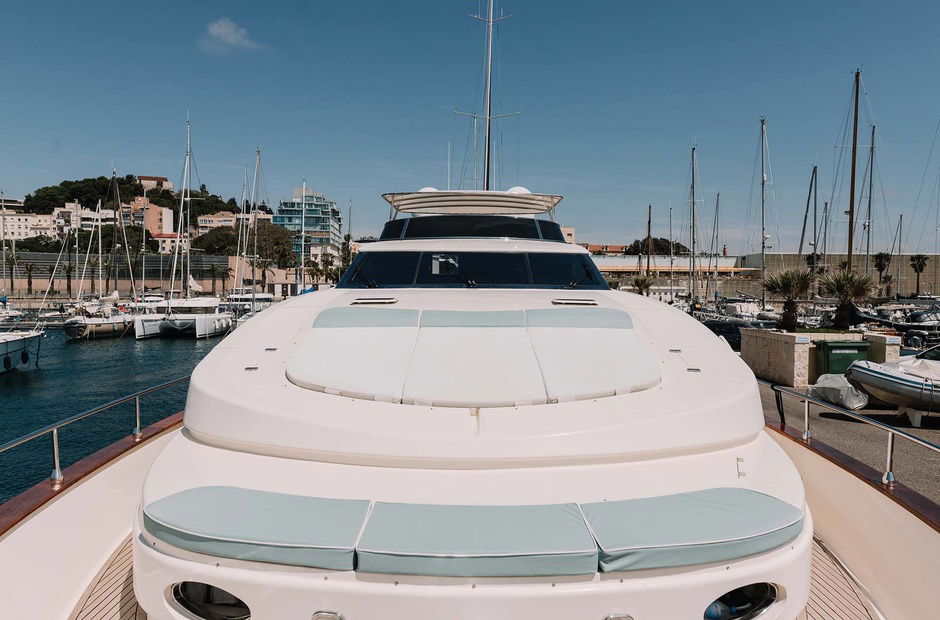

Images have been gathered from various sources and belong to their respective owners.
Review - Astondoa Apollo I

MarineBroker
06/02/2024, 11:49 PM
2001 Astondoa Apollo I: What Owners and Buyers Should Know Before Taking the Helm
If you’re looking into the 2001 Astondoa Apollo I, you’re probably already drawn to its sleek profile, classic early-2000s styling, and the reputation Astondoa has built for solid craftsmanship. But like many boats of this age, the real question isn’t just whether it looks good on paper — it’s whether it will still feel like a smart, enjoyable, and manageable boat once you own it.
That’s where many buyers and current owners run into the same challenge: a boat like the 2001 Astondoa Apollo I can be a fantastic platform, but only if you understand what to inspect, what to maintain, and what to expect from a vessel that’s now more than two decades old. The good news is that most of the common concerns around older motor yachts are predictable and manageable.
In this guide, we’ll break down the key things to know about the 2001 Astondoa Apollo I, from typical age-related issues to practical ownership tips. Whether you’re thinking about buying one or already have one tied up at the dock, the goal is simple: help you make better decisions and get more enjoyment out of the boat.
- What Makes the 2001 Astondoa Apollo I Worth a Closer Look
The 2001 Astondoa Apollo I sits in that interesting sweet spot where older motor yachts can still offer a lot of value. It’s the kind of boat that often attracts buyers who want a comfortable cruising platform without stepping into brand-new pricing.
Astondoa has long been known for building boats with a strong sense of fit and finish. On a model like the Apollo I, that usually translates into a layout designed for real use, decent onboard comfort, and a style that still holds up well compared with many mass-market boats from the same era.
For the right buyer, the appeal is easy to understand:
- Classic yacht styling without the price of a newer vessel
- A practical cruising layout for weekends or longer stays aboard
- A brand with a reputation for quality construction
- A boat that can still feel substantial and capable when properly maintained
But value only exists if the boat has been cared for. That’s why the smartest approach is not just admiring the model, but understanding the common ownership challenges that come with any 2001-era yacht.
- The Main Problem With Older Boats Like the 2001 Astondoa Apollo I
The biggest issue with a boat of this age is not usually one single failure. It’s the accumulation of small age-related wear items that can turn into expensive repairs if ignored.
That can include:
- Worn mechanical systems
- Aging electrical components
- Moisture intrusion
- Upholstery and interior deterioration
- Outdated navigation or onboard electronics
- Deferred maintenance by previous owners
In other words, the boat may look good from ten feet away, but hidden systems can tell a different story.
For buyers, this creates a common problem: how do you tell whether a 2001 Astondoa Apollo I is a well-kept yacht or a future maintenance project? For current owners, the issue becomes how to keep the boat reliable without constantly chasing problems.
The solution is a structured, practical inspection and maintenance approach. Instead of guessing, you want to evaluate the boat system by system.
- Start With the Hull, Deck, and Structural Condition
Before worrying about engines or electronics, begin with the fundamentals. A boat’s structure is where expensive problems often begin, especially if water has been getting in for years.
What to check:
- Blisters or osmosis on the hull
- Cracks around stress points
- Soft spots on the deck
- Signs of previous repairs
- Moisture around windows, hatches, and deck fittings
Pay special attention to any areas where hardware is mounted through the deck. On older boats, bedding compounds can fail over time, letting water seep into the core material.
If you’re buying, a marine surveyor should assess the hull and structure carefully. If you already own the boat, it’s worth inspecting these areas at least once a season.
A practical tip: walk the deck slowly and listen for dull or hollow sounds underfoot. That can be an early sign of core damage in certain areas.
- Pay Close Attention to Engines and Running Gear
For most owners, propulsion is the biggest source of anxiety. And for good reason — engines and drivetrain components are often the most expensive systems to repair.
On a 2001 Astondoa Apollo I, the exact engine package may vary depending on configuration and market, so the key is not guessing specs from memory. The important part is assessing condition, service history, and operating behavior.
Look for:
- Clean service records
- Consistent oil analysis results, if available
- Smooth cold starts
- No excessive smoke
- Stable operating temperatures
- Even idle and acceleration response
- Signs of leaks around seals, hoses, and fittings
Also inspect the running gear:
- Shafts
- Propellers
- Cutless bearings
- Seacocks
- Cooling systems
- Exhaust components
One of the most common mistakes buyers make is focusing only on engine hours. Hours matter, but maintenance matters more. A well-serviced engine with higher hours can be a better buy than a low-hour engine that sat neglected.
If the boat has been sitting for long periods, that’s another red flag. Boats don’t like inactivity. Seals dry out, fuel systems degrade, batteries weaken, and corrosion can quietly spread.
- Don’t Overlook Electrical and Electronics Issues
Electrical problems are one of the most frustrating parts of older yacht ownership because they can be intermittent. A light works one day and fails the next. A gauge behaves strangely. A pump runs, then doesn’t.
On a 2001 Astondoa Apollo I, the electrical system may still be functional, but age can create a patchwork of original wiring, added accessories, and past repairs.
Check for:
- Corrosion at terminals and bus bars
- Loose connections
- Non-original wiring modifications
- Battery age and charging performance
- Condition of shore power systems
- Functionality of bilge pumps and alarms
- Navigation and communication electronics
If you’re buying the boat, make sure the electrical panel is clean and logically labeled. Messy wiring is often a clue that future troubleshooting will be unpleasant.
A smart upgrade path for older boats is to modernize in stages:
1. Replace batteries and chargers if needed
2. Service critical safety systems
3. Upgrade navigation electronics
4. Improve lighting and monitoring
5. Clean up wiring only where necessary
That keeps costs under control while improving reliability.
- Interior Wear: Cosmetic, But Still Important
The interior of the 2001 Astondoa Apollo I can reveal a lot about overall care. Even if the boat is structurally sound, worn upholstery, musty odors, and aged soft furnishings can make the experience feel tired.
Common interior issues include:
- Faded or cracked upholstery
- Water stains on headliners
- Loose joinery
- Musty smells from hidden moisture
- Aging appliances
- Worn flooring or carpet
This is where buyers often underestimate costs. Cosmetic issues may not seem urgent, but they can affect resale value, comfort, and even your willingness to use the boat.
A boat that smells damp or shows repeated staining should always be investigated. Moisture can hide behind panels, under cushions, and inside lockers. If possible, inspect during or after a rain event, or use a moisture meter in suspect areas.
If you already own the boat, simple updates can make a huge difference:
- Deep-clean and treat all soft surfaces
- Replace tired cushions or covers
- Refresh lighting
- Repair loose trim and hinges
- Address any lingering odors at the source
A boat doesn’t have to be brand new to feel inviting. It just needs to be dry, clean, and functional.
- The Best Way to Evaluate a Used 2001 Astondoa Apollo I
If you’re in the market for this model, the smartest move is to evaluate it in layers. A quick dockside glance is not enough.
Use this checklist:
- Review maintenance logs and invoices
- Confirm engine and generator service history
- Inspect the hull and deck for moisture issues
- Test all onboard systems
- Check electronics and navigation gear
- Look for evidence of professional upkeep
- Schedule a marine survey and engine inspection
It also helps to ask direct questions:
- How long has the current owner had the boat?
- Was it used regularly or left idle?
- Were any major systems replaced or upgraded?
- Has the boat been stored inside, covered, or in the water year-round?
- Are there any known issues that have not been repaired?
A seller who answers clearly and provides documentation is usually a better sign than one who says, “It’s always been fine.”
If possible, sea trial the boat under different conditions. You want to know how it behaves at idle, cruising speed, and under load. Listen for vibration, check steering response, and watch engine temperature closely.
- Practical Maintenance Tips for Current Owners
If you already own a 2001 Astondoa Apollo I, the goal is not to overhaul everything at once. It’s to stay ahead of problems before they become expensive.
Focus on these basics:
- Flush and service engines regularly
- Replace filters on schedule
- Inspect hoses and clamps often
- Keep batteries charged and tested
- Clean bilges to spot leaks early
- Ventilate the interior to prevent mildew
- Re-bed deck hardware if needed
- Service seacocks and through-hulls
- Keep a log of every repair and inspection
A seasonal routine is especially helpful. For example:
Before the season:
- Inspect all fluids
- Test electronics
- Check safety gear
- Clean and inspect the hull
- Test pumps and alarms
During the season:
- Watch engine temperatures
- Monitor fuel consumption
- Look for new leaks or smells
- Rinse and clean salt exposure regularly
After the season:
- Drain and protect systems as needed
- Remove batteries if appropriate
- Cover and ventilate the interior
- Schedule any deferred service
This kind of routine reduces surprises and helps preserve value.
- How to Improve Reliability Without Overspending
One of the most common mistakes with older boats is trying to fix everything at once. That can get expensive fast. A better approach is to prioritize by risk and usefulness.
Start with items that affect safety and reliability:
- Bilge pumps
- Batteries
- Charging systems
- Fuel and cooling hoses
- Engine service
- Seacocks
- Fire suppression
- Navigation lights
Then move to comfort and convenience:
- Upholstery
- Audio systems
- Cabin lighting
- Galley appliances
- Electronics upgrades
This staged approach makes ownership more manageable. It also helps you enjoy the boat now instead of waiting for a perfect refit that may never come.
For the 2001 Astondoa Apollo I, this is especially relevant because a well-maintained older yacht can be very rewarding. You just want to make sure your money goes into the systems that matter most.
- Is the 2001 Astondoa Apollo I a Good Fit for You?
This model tends to suit buyers who appreciate older yachts with character and are comfortable being proactive about maintenance.
It may be a good fit if you:
- Want a capable cruising boat with classic styling
- Value build quality over brand-new features
- Are willing to inspect and maintain systems regularly
- Prefer a boat with real presence at the dock
- Understand that older boats reward attention
It may not be ideal if you want:
- Minimal maintenance
- The latest technology throughout
- A boat with no hidden surprises
- A fully turn-key experience without inspection
That doesn’t mean the 2001 Astondoa Apollo I is a risky choice. It just means the best ownership experience comes from realistic expectations and careful preparation.
- Common Mistakes to Avoid
A lot of regret in boat ownership comes from a few avoidable mistakes.
Try not to:
- Skip the survey
- Ignore water intrusion signs
- Buy based only on appearance
- Underestimate refit costs
- Assume old electronics are “good enough”
- Overlook service records
- Rush the purchase after one viewing
Older boats can be excellent purchases, but only when you know what you’re getting into. A little patience upfront can save a lot of money later.
- Final Thoughts on the 2001 Astondoa Apollo I
The 2001 Astondoa Apollo I can be a rewarding boat for the right owner, especially if it has been properly maintained and thoughtfully updated over the years. Like many older yachts, its biggest strengths are also tied to its biggest risks: quality, comfort, and character on one side; age-related wear on the other.
The practical solution is simple: inspect carefully, prioritize the critical systems, and maintain the boat consistently. If you do that, you’re far more likely to enjoy the Apollo I as a capable, stylish cruiser rather than a constant repair project.
If you’re researching one now, take your time, ask detailed questions, and lean on professional surveyors and mechanics where needed. A little due diligence goes a long way with boats like this.
Specifications
General
Boat Type: Power Boats
Class Type: Mega Yacht
Specifications
Length: 96.78
Beam: 20.67
Draft: 3.94
Hull Material: GRP
Build
First Built: 2001
Propulsion
Fuel Type: Diesel
Engines: 2
Power: 1300 HP
Brand: Man
Accomodation
Cabins: 4
PROS & CONS
What we appreciated
 Classic luxury design with spacious interiorsSolid build quality typical of Astondoa yachtsComfortable for extended cruising with good amenitiesReliable engine options for its timeGood resale value due to brand reputation
What we didn’t appreciate
 Older model may require significant maintenanceFuel efficiency lower compared to modern boatsLimited advanced electronics and navigation systemsPotentially higher operating costs due to ageSmaller size compared to newer luxury yachts
Upkeep Costs
Annual insurance: $1,500 - $3,000
Docking/Marina fees: $3,000 - $10,000 per year
Fuel: $5,000 - $15,000 per year depending on usage
Maintenance and repairs: $5,000 - $12,000 per year
Winterization and storage: $1,000 - $3,000 per year
Rating
6.6
User
Score
Score
Driveability
Technology
Interior
Design
Similar Boats


MarineBroker
Download now for an immersive boat experience like never before! ⛵✨ Your journey begins with a simple click. 🌊📲
#SetSailSmart #DownloadNow
#SetSailSmart #DownloadNow

Subscribe
Copyright 2017 - 2026, Marinebroker.net, All Rights Reserved