Boat Type: Power Boats
Boat Class: Cuddy Cabin
Length: 27.89 ft
Berths: 4
Cabins: 2
Bathrooms: 1
Max Persons: 9
Boat Database » Arctic Boats Commuter 25
Arctic Boats Commuter 25
Outboard four-stroke, Unleaded, 2x 300 HP
Power Boats 2017 Arctic Boats Commuter 25: What to Know Before You Buy, Cruise, or Outfit It for Real-World Use
If you’re looking at the 2017 Arctic Boats Commuter 25, chances are you’re not just browsing for fun—you probably want a boat tha...
Discover
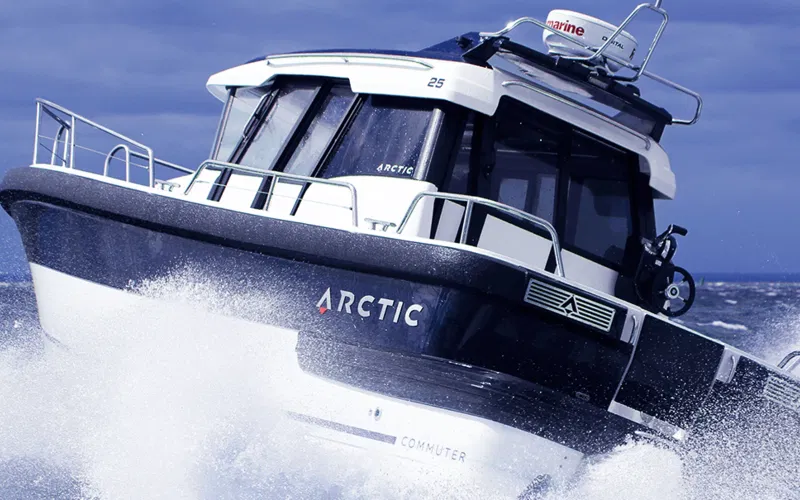
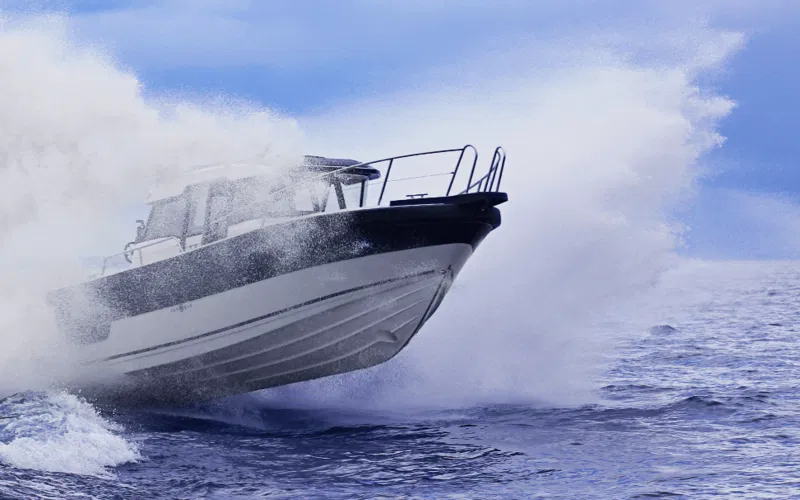
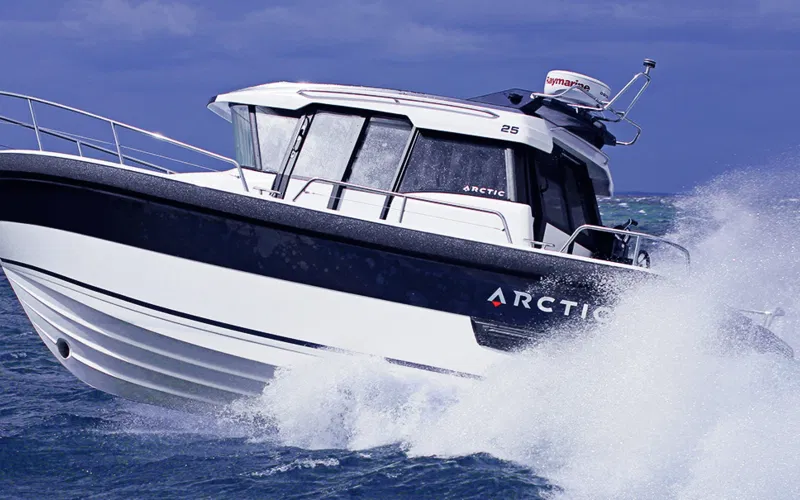
Images have been gathered from various sources and belong to their respective owners.
Review - Arctic Boats Commuter 25

MarineBroker
04/25/2024, 9:38 AM
2017 Arctic Boats Commuter 25: What to Know Before You Buy, Cruise, or Outfit It for Real-World Use
If you’re looking at the 2017 Arctic Boats Commuter 25, chances are you’re not just browsing for fun—you probably want a boat that can actually handle real conditions. Maybe you’re comparing used commuter-style boats, trying to figure out if this model is practical for family trips, fishing runs, or rougher water, or maybe you’re wondering whether it’s worth the money on the pre-owned market.
That’s the real challenge with boats like this: they often look great on paper, but the details matter. A boat can have the right size and layout, yet still feel wrong if it doesn’t match your waters, your loading needs, or the way you actually use it. On the other hand, the right commuter boat can be a game-changer—comfortable, efficient, and dependable enough to make regular trips feel easy instead of stressful.
In this article, we’ll break down what makes the 2017 Arctic Boats Commuter 25 worth a closer look, what common problems buyers run into, and how to evaluate whether it’s the right fit for your boating life.
- What Makes the 2017 Arctic Boats Commuter 25 Stand Out
The 2017 Arctic Boats Commuter 25 sits in a category that appeals to people who want more than a simple open boat. A commuter-style design usually means enclosed or semi-enclosed protection, a practical cabin layout, and a hull built with everyday use in mind.
For many buyers, that combination is the whole point. Instead of planning every trip around perfect weather, you get a boat that can stretch the season and make colder, wetter, or windier days more manageable.
A 25-foot platform also hits a sweet spot for a lot of boaters. It’s large enough to feel stable and useful, but not so oversized that docking, trailering, or storing it becomes a constant headache.
Common reasons people look at this type of boat include:
- Running between islands, marinas, or waterfront properties
- Fishing in less-than-perfect weather
- Family cruising with some protection from wind and spray
- Using one boat for both work and recreation
- Wanting a cabin-style layout without jumping to a much larger vessel
That versatility is a major selling point, but it’s also where buyers can make mistakes. A commuter boat is only valuable if it matches your actual use case.
- The Main Problem Buyers Face With a Boat Like This
The biggest issue with the 2017 Arctic Boats Commuter 25 isn’t usually the boat itself—it’s mismatched expectations.
A lot of used-boat shoppers focus on photos, length, or the cabin layout and forget to ask the practical questions:
- Is the hull suited to my local water?
- Does the cabin arrangement fit my crew?
- Can I maintain it easily?
- Is the engine setup efficient for my typical trips?
- Does the condition justify the asking price?
That’s where disappointment happens. A boat that looks like the perfect all-rounder can become frustrating if it’s too heavy for your towing setup, too cramped for your family, or too maintenance-intensive for the amount of time you actually have.
Another common problem is buying for “ideal use” instead of real use. People imagine calm weekend outings, but then realize they mostly need short, frequent trips in cold weather, tight marinas, or choppy coastal conditions. In that case, comfort, visibility, fuel economy, and easy handling matter more than raw size or appearance.
So the real challenge is not just finding a 2017 Arctic Boats Commuter 25. It’s figuring out whether this style of boat solves your specific boating problem.
- Who the 2017 Arctic Boats Commuter 25 Is Best For
This type of boat tends to work best for boaters who value practicality over flash.
It may be a strong fit if you:
- Want weather protection for cooler or wetter climates
- Need a boat for regular transport rather than occasional leisure only
- Like the idea of a cabin but don’t want a full cruiser
- Often travel with a small group
- Prefer a boat that feels more capable than a basic center console or open runabout
It’s especially appealing to people who use their boat frequently. If you’re on the water every week, comfort and usability start to matter a lot more than novelty.
For example, a family that uses the boat for island hopping or coastal runs may appreciate the enclosed space for jackets, bags, and gear. A fishing-focused owner may like having a dry place to stow equipment and escape the wind between spots. A commuter-style boat can also make shoulder-season boating far more enjoyable.
On the other hand, if your boating is mostly:
- Hot-weather lake cruising
- Watersports in calm conditions
- Day trips with minimal gear
- Easy trailering and quick launch/retrieve
…then a cabin commuter might be more boat than you need.
- Key Features to Evaluate Before You Buy
When looking at the 2017 Arctic Boats Commuter 25, focus on how the boat is built, not just how it looks in a listing. Used boats can vary a lot depending on care, hours, and modifications.
Here are the big things to inspect:
- Hull condition
Look for stress cracks, repairs, signs of grounding, and any uneven wear below the waterline. A clean hull matters not only for safety but also for performance and fuel efficiency.
- Cabin layout
Check whether the seating, helm position, and storage fit your needs. Some cabin boats feel roomy in photos but tight in practice.
- Deck space
A commuter boat needs enough usable space for moving around, gear, and docking tasks. Make sure the cabin doesn’t crowd out your actual working area.
- Visibility from the helm
Good visibility is a major comfort and safety factor, especially in busy harbors or poor weather.
- Engine setup
Ask about the engine model, service history, hours, and any maintenance records. A well-maintained engine is often more important than cosmetic condition.
- Electrical systems
Inspect electronics, battery condition, wiring, lights, pumps, and charging systems. These are common trouble spots on used boats.
- Fuel efficiency
A 25-foot commuter boat should be evaluated based on how far and how often you’ll run it. Fuel burn can become a real cost if the boat is underpowered, overloaded, or poorly maintained.
- Weather protection
Look at windows, seals, doors, hatches, and ventilation. If the point is to stay dry and comfortable, these details matter a lot.
Taking the time to check these areas can save you from buying a boat that looks solid but turns into a project.
- How to Decide if the 2017 Arctic Boats Commuter 25 Fits Your Waters
The best boat for one region can be the wrong boat somewhere else. That’s why local conditions matter so much.
Ask yourself what your water actually looks like most of the time:
- Calm inland lakes
- Protected bays
- Windy coastal routes
- Choppy crossings
- Cold-weather waters with spray and rain
A commuter boat like this tends to make the most sense where weather protection and a stable ride are valuable. If your area has frequent wind, cold mornings, or long runs across open water, a cabin-style layout can make boating much more enjoyable.
If your waters are shallow or full of tight turns, you also need to think about draft and maneuverability. A 25-foot boat may be manageable, but it still needs room to operate comfortably.
A simple way to test fit is to imagine a normal day on the water:
1. Launch the boat
2. Load your usual people and gear
3. Run at your normal cruising speed
4. Dock in your typical marina or landing
5. Return in less-than-perfect weather
If the boat seems awkward in any of those steps, it may not be the right match.
- Practical Ways to Get the Most Out of a Commuter-Style Boat
If you decide the 2017 Arctic Boats Commuter 25 is a good fit, the next step is making it work well in everyday use. A boat like this becomes much more valuable when it’s set up for convenience.
A few practical upgrades and habits can make a big difference:
- Add organized storage
Keep safety gear, docking lines, tools, and personal items in clearly designated spots. Clutter is the enemy of a useful cabin boat.
- Improve weather readiness
Carry proper foul-weather gear, wipers if equipped, spare fuses, and backup navigation tools. Commuter boats often shine when conditions change quickly.
- Keep maintenance on schedule
Regular engine service, battery checks, seal inspections, and bilge care help prevent small issues from becoming expensive ones.
- Match your cruising style to the boat
A commuter boat is often happiest at efficient cruising speeds, not constant full throttle. Running it the way it was designed can improve comfort and fuel use.
- Make docking easier
Use quality fenders, well-sized lines, and practiced docking routines. A 25-footer can still feel big in a tight slip if you’re not prepared.
- Use the cabin intelligently
Don’t overload the enclosed space with unnecessary gear. Keeping the cabin tidy improves comfort and safety.
These small habits make the boat feel less like a purchase and more like a dependable tool.
- Common Mistakes to Avoid When Shopping Used
Buying a used commuter boat is a little different from buying a smaller open boat. The stakes are higher because there’s more system complexity.
Here are mistakes worth avoiding:
- Judging only by cosmetics
Fresh upholstery or shiny gelcoat doesn’t tell you much about the mechanical condition.
- Skipping a sea trial
A boat can look great tied to the dock and still ride poorly, overheat, or handle badly underway.
- Ignoring maintenance records
Service history is one of the most valuable clues to how a boat was treated.
- Overlooking transport and storage costs
A 25-foot boat may require a bigger trailer, more dock space, or higher moorage fees than expected.
- Buying for rare conditions
If you only occasionally need cabin protection, you may not need a commuter-style boat full time.
- Forgetting resale value
Clean, well-maintained boats with practical layouts usually hold interest better than neglected or heavily modified ones.
A careful purchase process is the best protection against buyer’s remorse.
- What a Smart Buying Checklist Looks Like
If you’re seriously considering the 2017 Arctic Boats Commuter 25, use a simple checklist before making an offer.
Here’s a practical approach:
1. Inspect the hull, deck, and cabin for damage
2. Verify engine hours and service records
3. Test all electronics and electrical systems
4. Review the boat’s weight, trailering needs, and storage requirements
5. Take a sea trial in conditions similar to your normal use
6. Check comfort, seating, and visibility from the helm
7. Estimate annual costs for fuel, maintenance, insurance, and moorage
8. Compare it with other boats in the same size and style
This kind of checklist keeps the decision grounded in real use, not just excitement.
- Why the Right Setup Matters More Than the Badge
One of the biggest lessons in boating is that the “best” boat is the one that fits your habits. That’s especially true with a commuter boat.
The 2017 Arctic Boats Commuter 25 may be a good solution if you want:
- A practical cabin
- Better weather protection
- A versatile layout
- A manageable 25-foot size
- A boat that can serve multiple roles
But the real value comes from matching the boat to your water, your crew, and your maintenance style. A well-kept boat with the right features will always feel better than a more expensive one that doesn’t suit your routine.
If you’re comparing options, think less about “What looks impressive?” and more about “What will make my time on the water easier, safer, and more enjoyable?”
- Conclusion
The 2017 Arctic Boats Commuter 25 stands out as a practical option for boaters who want comfort, weather protection, and everyday usability in a manageable size. The main challenge is making sure it fits your real boating needs, not just your wish list. By checking hull condition, engine history, cabin layout, and how the boat performs in your typical waters, you can avoid common buying mistakes and choose with confidence.
If you’re shopping used boats, take your time, compare carefully, and focus on functionality first. A commuter-style boat can be a great solution when it matches the way you actually boat. For anyone still narrowing down options, it’s worth exploring similar models, reading owner reports, and taking a sea trial before making a decision.
Specifications
General
Boat Type: Power Boats
Class Type: Cuddy Cabin
Specifications
Length: 27.89
Beam: 9.51
Draft: 2.95
Hull Material: GRP
Build
First Built: 2017
Propulsion
Fuel Type: Unleaded
Engines: 2
Power: 300 HP
Brand: Evenrude
Accomodation
Berths: 4
Cabins: 2
Bathrooms: 1
PROS & CONS
What we appreciated
 Durable aluminum hull ideal for rugged conditionsSpacious deck layout suitable for fishing and commutingGood fuel efficiency with optimized hull designStable and safe in rough watersLow maintenance compared to fiberglass boats
What we didn’t appreciate
 Limited luxury or comfort featuresHeavier weight can affect trailering and speedBasic interior, minimal insulation or noise reductionNot ideal for high-speed performanceResale value may be lower compared to premium brands
Upkeep Costs
Fuel costs: Approximately $2,500 - $4,000 per year depending on usage and engine type
Maintenance and repairs: Around $1,000 - $2,000 per year
Storage fees: $500 - $1,500 annually depending on location and type of storage
Insurance: $800 - $1,500 per year
Registration and taxes: $100 - $300 per year depending on state or country

Rating
7.2
User
Score
Score
Driveability
Technology
Interior
Design
Similar Boats


MarineBroker
Download now for an immersive boat experience like never before! ⛵✨ Your journey begins with a simple click. 🌊📲
#SetSailSmart #DownloadNow
#SetSailSmart #DownloadNow

Subscribe
Copyright 2017 - 2026, Marinebroker.net, All Rights Reserved