Boat Database » Aquanaut EV 1300 II
Aquanaut EV 1300 II
Inboard Direct-Drive, Diesel, 1x 148 HP
Power Boats 2013 Aquanaut EV 1300 II: What Buyers Should Check Before They Cruise
If you’re looking at a 2013 Aquanaut EV 1300 II, chances are you’re drawn to its classic Dutch steel yacht feel, practical layout, and reputation for comfortab...
Discover

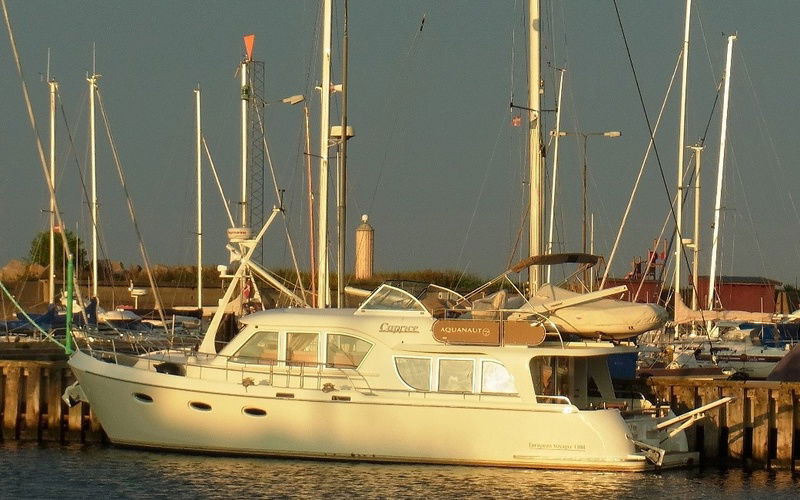

Images have been gathered from various sources and belong to their respective owners.
Review - Aquanaut EV 1300 II

MarineBroker
03/22/2024, 9:50 AM
2013 Aquanaut EV 1300 II: What Buyers Should Check Before They Cruise
If you’re looking at a 2013 Aquanaut EV 1300 II, chances are you’re drawn to its classic Dutch steel yacht feel, practical layout, and reputation for comfortable inland and coastal cruising. It’s the kind of boat that can make long weekends and extended trips feel easy, relaxed, and genuinely enjoyable. But like any well-kept used boat, the real question isn’t just whether it looks good at first glance — it’s whether it’s been maintained properly and suits the kind of boating you want to do.
That’s where many buyers run into trouble. A boat like the 2013 Aquanaut EV 1300 II can hide expensive issues behind polished gelcoat, fresh varnish, or a tidy interior. The biggest mistake is focusing only on cosmetics and missing the systems that actually make the boat reliable: engine condition, hull integrity, electrical setup, and service history. The good news is that with the right checklist and a little know-how, you can separate a solid cruising boat from a future headache.
In this article, we’ll walk through the most important things to inspect, the common problem areas to watch for, and how to make a smarter buying decision.
- Why the 2013 Aquanaut EV 1300 II still attracts serious buyers
The 2013 Aquanaut EV 1300 II sits in a sweet spot for people who want a capable, comfortable cruiser without jumping into a brand-new yacht budget. Aquanaut has long been associated with sturdy construction, sensible layouts, and boats designed for real-world use rather than just marina appeal.
For many buyers, that makes it appealing for:
- inland waterways cruising
- canal and river travel
- relaxed weekend trips
- extended stays aboard
- owners who value solid build quality over flashy styling
The EV 1300 II is especially interesting because it offers a larger-boat feel in a size that’s still manageable for many private owners. That said, boats in this category are often bought second-hand, and a used example can vary a lot depending on how it has been stored and serviced.
That’s why the real challenge is not finding a 2013 Aquanaut EV 1300 II for sale. It’s finding one that has been cared for in a way that protects your time, money, and peace of mind.
- The main problem buyers face with a used 2013 Aquanaut EV 1300 II
The biggest issue with any used cruising yacht is uncertainty.
A boat may appear ready to go, but hidden wear can turn ownership into a series of surprise repairs. With a 2013 Aquanaut EV 1300 II, the most common buyer problem is assuming that a well-presented boat is automatically a well-maintained one.
That can lead to problems such as:
- moisture intrusion around fittings
- aging batteries or charging equipment
- engine service gaps
- neglected seals and hoses
- outdated navigation or electrical components
- wear in steering, propulsion, or trim systems
In other words, the boat may look ready for the season, but the systems underneath may be telling a different story.
The practical solution is to inspect the boat like an owner, not a dreamer. Focus on condition, records, and mechanical health before you focus on finishes. A careful buyer usually ends up with a better boat than someone who falls in love with the upholstery first.
- What to inspect first on a 2013 Aquanaut EV 1300 II
When evaluating a used cruiser, it helps to start with the areas that are most expensive to fix. Cosmetic issues matter, but structural and mechanical issues matter more.
Here’s the order I’d recommend:
1. Hull and structure
2. Engine and propulsion
3. Electrical systems
4. Plumbing and tanks
5. Roof, windows, and deck fittings
6. Interior condition and signs of water ingress
If you’re serious about a 2013 Aquanaut EV 1300 II, don’t rush through these points. A two-hour walkthrough can save you from a very costly mistake.
- Hull condition and moisture concerns
Aquanaut boats are known for robust construction, but any steel or composite cruising boat still needs a thorough hull inspection. On a used boat, the main concern is not just what you can see — it’s what may be happening behind paint, sealant, or trim.
Look for:
- blistering, rust, or corrosion
- uneven paint patches that may indicate repairs
- pitting around welds or fittings
- signs of impact damage
- moisture around windows, hatches, and deck hardware
If the boat has a steel hull, corrosion control and coating condition are especially important. A good coating system is one of the best indicators that the owner has been proactive rather than reactive.
Also check for water intrusion inside the boat. Soft spots, staining, peeling trim, or a musty smell can all point to leaks that have been ignored for too long.
A moisture meter and surveyor’s inspection can be worth every penny here.
- Engine and propulsion: the heart of the boat
For many buyers, the engine is the single biggest source of anxiety. That’s understandable. A boat can have beautiful lines and a clean interior, but if the engine is unreliable, your cruising plans can disappear fast.
On a 2013 Aquanaut EV 1300 II, you want to know:
- engine make and model
- total running hours
- service intervals
- oil analysis if available
- cooling system condition
- fuel system maintenance
- gearbox and shaft condition
Ask for service records, not just verbal reassurance. A well-documented maintenance history is one of the strongest signs that the boat has been cared for correctly.
Watch for these warning signs:
- hard starting
- excess smoke
- vibration under load
- unusual noises
- overheating
- fuel smell in the bilge
- signs of poor fluid maintenance
If the boat has been sitting unused for long periods, ask how it was stored and whether the fuel system was treated properly. Diesel systems especially dislike neglect.
If you want the practical solution here, it’s simple: arrange a proper sea trial and, if possible, have a marine mechanic inspect the engine before you buy.
- Electrical systems: where “small” problems become big ones
Electrical issues are one of the most common frustrations in used boats. They often start small — a dead battery, a faulty gauge, a weak charger — and then snowball into bigger reliability problems.
When checking a 2013 Aquanaut EV 1300 II, pay attention to:
- battery age and type
- charging system performance
- shore power setup
- inverter condition
- fuse panels and labeling
- signs of amateur rewiring
- corrosion on terminals and connectors
A neat-looking electrical panel is nice, but it doesn’t guarantee quality. A lot of boat electrical problems come from hidden corrosion, loose connections, or mixed old-and-new components that were never properly integrated.
Practical signs of trouble include:
- flickering lights
- inconsistent voltage readings
- warm cables or connectors
- tripped breakers
- non-functioning instruments
- batteries that lose charge too quickly
If you plan to cruise for more than a day or two at a time, electrical reliability becomes a comfort issue, not just a technical one.
- Plumbing, tanks, and onboard livability
A cruising boat is only as pleasant as its day-to-day systems. Water pressure, waste handling, and tank condition might not sound glamorous, but they make a huge difference once you’re aboard.
Check:
- freshwater pump operation
- water heater performance
- hose condition
- toilet and holding tank function
- bilge pump operation
- visible leaks under sinks and around fittings
Smells are important too. A persistent odor can point to stagnant water, old hoses, or waste-system issues that may take time and money to fix.
If the 2013 Aquanaut EV 1300 II is intended for longer stays aboard, these systems matter even more. Comfort on paper is one thing; comfort in real use is another.
A good approach is to test everything, not just glance at it. Run taps, flush toilets, check pump cycles, and inspect under cabinets and in lockers for dampness.
- Layout and interior: what works for real cruising
The interior of the EV 1300 II is part of its appeal. Many buyers are drawn to the feeling of space, the practical layout, and the sense that the boat is meant for actual living rather than just weekend posing.
Still, it’s worth asking whether the layout suits your boating style.
Think about:
- sleeping arrangement
- galley usability
- storage capacity
- saloon comfort
- helm visibility
- access to service points
- ventilation and natural light
A boat can look spacious in photos but feel awkward in use if storage is poorly planned or access to systems is difficult. For couples, families, or long-term cruisers, those details matter a lot.
A smart buyer imagines daily life aboard:
- Where do wet jackets go?
- Is there enough room for provisions?
- Can you service key systems without tearing the boat apart?
- Is the helm comfortable for long passages?
If the answer is yes, you’re probably looking at a practical cruising boat rather than just a pretty one.
- Sea trial: the moment the truth shows up
A sea trial is where theory meets reality.
If you’re evaluating a 2013 Aquanaut EV 1300 II, the sea trial should confirm that the boat behaves properly under load and at cruising speed. This is where hidden problems often reveal themselves.
During the trial, pay attention to:
- engine starting and idle quality
- acceleration and throttle response
- steering feel
- vibration levels
- temperature stability
- exhaust output
- gear engagement
- noise from fittings or loose equipment
Try to test the boat in a few conditions if possible. Straight-line cruising is useful, but slow-speed maneuvering matters too, especially if you’ll be using marinas, locks, or narrow waterways.
Also listen carefully. Boats often “talk” during a sea trial. Rattles, knocks, or unusual hums are worth investigating before you commit.
- Service records: the easiest way to reduce risk
If there’s one thing that separates a good used boat from a risky one, it’s documentation.
For a 2013 Aquanaut EV 1300 II, ask for:
- engine service history
- winterization records
- hull maintenance records
- invoices for upgrades or repairs
- battery replacement dates
- survey reports
- ownership and registration documents
Well-kept records tell you two things:
1. The owner likely took maintenance seriously.
2. You can better predict what may need attention soon.
A lack of records doesn’t automatically mean the boat is bad, but it should make you more cautious. In the used-boat market, “I think it was serviced” is not the same as “here’s the paperwork.”
- Common buyer mistakes to avoid
Buying a boat is exciting, and excitement can lead to shortcuts. That’s where mistakes happen.
Here are the most common ones:
- skipping the survey
- ignoring service records
- focusing only on cosmetics
- underestimating maintenance costs
- not testing every onboard system
- buying before comparing similar boats
- assuming a recent clean-up equals good condition
The best way to avoid regret is to slow the process down. A good boat will still be a good boat after a proper inspection.
And if you’re comparing several options, use a simple scoring method:
- structure
- engine
- electrical
- plumbing
- interior
- documentation
- sea trial performance
That makes it easier to compare boats objectively instead of emotionally.
- Practical solution: how to buy a 2013 Aquanaut EV 1300 II with confidence
The solution is not complicated, but it does require discipline.
If you want to buy a 2013 Aquanaut EV 1300 II confidently, follow this process:
1. Inspect the boat visually and note obvious issues.
2. Review all service records and invoices.
3. Arrange a professional marine survey.
4. Conduct a full sea trial.
5. Budget for immediate maintenance after purchase.
That last step is important. Even a very good used boat usually needs a few things right away: fluids, filters, batteries, seals, antifouling, or minor electrical work. Planning for that upfront helps you avoid frustration later.
A smart buyer doesn’t look for a perfect used boat. They look for a well-maintained one with manageable follow-up work.
- Why this approach works especially well for the 2013 Aquanaut EV 1300 II
The 2013 Aquanaut EV 1300 II is the kind of boat that rewards careful ownership. Its appeal lies in practical cruising comfort, solid construction, and the ability to handle relaxed adventures with confidence.
But that same type of boat also tends to attract buyers who value comfort and finish, which makes it easy to overlook the technical side. That’s why a structured inspection process matters so much.
When you check the hull, engine, electrical systems, and records properly, you’re not just buying a boat. You’re buying predictable cruising.
And for most boaters, that’s the real goal.
- Conclusion
The 2013 Aquanaut EV 1300 II can be a very rewarding choice for anyone who wants a capable, comfortable cruising boat with a practical layout and strong everyday appeal. The key is not to get distracted by presentation alone. Instead, focus on the systems that determine reliability: hull condition, engine health, electrical performance, plumbing, and maintenance history.
If you approach the purchase with a clear checklist, a proper survey, and realistic expectations, you’ll reduce risk and make a much smarter decision. That way, you can spend more time enjoying the boat and less time fixing surprises. If you’re still comparing options, take your time and keep learning — the right boat is worth the patience.
Specifications
General
Boat Type: Power Boats
Class Type: Trawler
Specifications
Length: 43.14
Beam: 14.27
Draft: 3.77
Hull Material: Steel
Build
First Built: 2013
Propulsion
Fuel Type: Diesel
Engines: 1
Power: 148 HP
Brand: Perkins
Accomodation
Berths: 6
Cabins: 2
Bathrooms: 1
PROS & CONS
What we appreciated
 Robust and reliable build quality typical of Aquanaut boatsSpacious and comfortable interior suitable for extended cruisingEfficient hull design providing good stability and handlingWell-equipped with modern navigation and comfort systems for its yearGood resale value due to brand reputation and durability
What we didn’t appreciate
 Older model with potentially outdated electronic equipmentFuel efficiency may not match newer, more modern designsMaintenance costs could be higher as parts ageLimited customization options compared to newer modelsMay require upgrades to meet latest safety and environmental standards
Upkeep Costs
Fuel: Approx. $1.50 - $3.00 per hour depending on engine and usage
Maintenance: Around $500 - $1,000 annually including engine servicing and hull upkeep
Insurance: Typically $300 - $700 per year depending on coverage and location
Storage: Varies from $500 - $2,000 per year depending on marina or storage type
Registration and Taxes: Approximately $100 - $300 annually depending on region
Rating
7.1
User
Score
Score
Driveability
Technology
Interior
Design
Similar Boats


MarineBroker
Download now for an immersive boat experience like never before! ⛵✨ Your journey begins with a simple click. 🌊📲
#SetSailSmart #DownloadNow
#SetSailSmart #DownloadNow

Subscribe
Copyright 2017 - 2026, Marinebroker.net, All Rights Reserved