Boat Type: Power Boats
Boat Class: Trawler
Length: 51.51 ft
Berths: 6
Cabins: 3
Bathrooms: 4
Max Persons: 16
2013 Adagio 51,5 LBC: What Buyers Should Know Before Choosing This Long-Range Cruiser
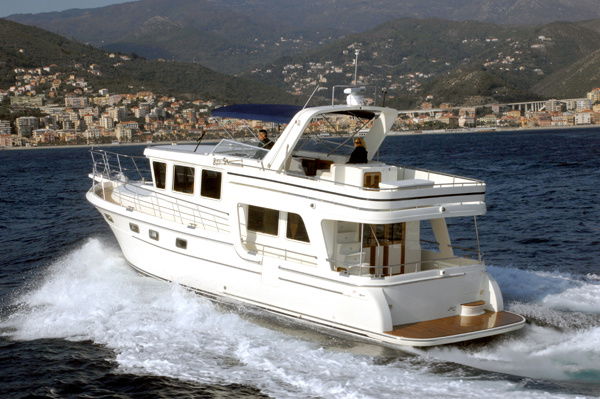
If you’ve been looking at the 2013 Adagio 51,5 LBC, chances are you’re drawn to the idea of a comfortable, capable trawler-style yacht that can...
Discover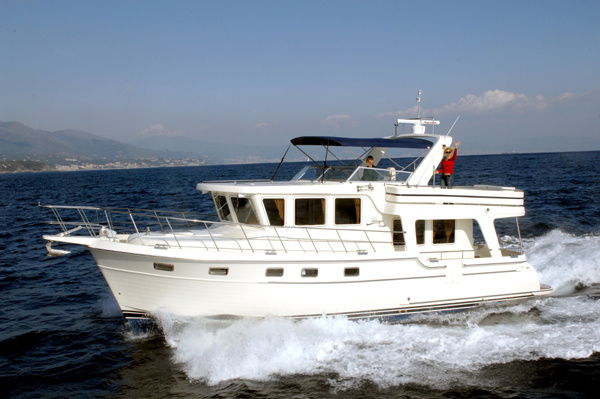

Images have been gathered from various sources and belong to their respective owners.
Review - Adagio 51,5 LBC

MarineBroker
01/19/2024, 11:59 AM
2013 Adagio 51,5 LBC: What Buyers Should Know Before Choosing This Long-Range Cruiser
If you’ve been looking at the 2013 Adagio 51,5 LBC, chances are you’re drawn to the idea of a comfortable, capable trawler-style yacht that can handle extended cruising with a relaxed pace. That makes sense. Boats in this category are all about range, liveaboard comfort, and the confidence to explore without feeling rushed.
But there’s a common challenge for buyers: it’s easy to focus on the layout, size, and overall appeal while overlooking the details that really matter on a boat this age. A 2013 model can still be a fantastic choice, but only if you know what to check before committing. Systems age, maintenance history matters, and a boat built for serious cruising needs to be evaluated a little differently than a smaller weekend cruiser.
The good news is that with the right approach, you can avoid expensive surprises and make a smarter decision. In this article, we’ll look at the main things to know about the 2013 Adagio 51,5 LBC, the most common issues to watch for, and how to evaluate whether it’s the right fit for your cruising plans.
- What Makes the 2013 Adagio 51,5 LBC Stand Out
The 2013 Adagio 51,5 LBC is part of a category that appeals to boaters who want more than just a day boat or coastal runabout. It’s designed as a long-range cruiser with a focus on comfort, stability, and practical onboard living.
That usually means a few key things:
- A spacious interior with multiple living zones
- A layout suited for extended stays aboard
- Efficient cruising characteristics compared with faster planing yachts
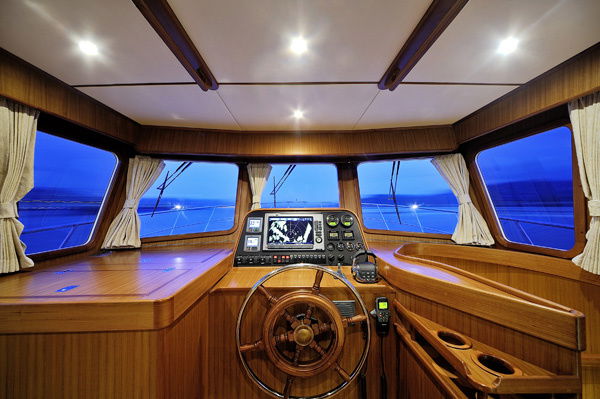
- Good visibility from the helm
- A design that favors relaxed passage-making over speed
For many buyers, the attraction is simple: this type of boat offers the feeling of a small floating home. That makes it especially appealing for couples, retirees, or families planning longer trips.
But the same features that make it attractive also mean the boat has more systems to inspect. More comfort often equals more complexity.
- The Main Problem Buyers Face with a 2013 Adagio 51,5 LBC
The biggest issue is not usually the model itself. It’s the gap between what a boat looks like and what it really needs underneath the surface.
On a 2013 vessel, the main concern is age-related wear across multiple systems at once. Even if the boat has been cared for, several components may be at the point where preventive maintenance becomes more important than cosmetic condition.
Common buyer concerns include:
- Engine and drivetrain wear
- Electrical system aging
- Moisture intrusion in fittings or deck hardware
- Generator and heating/cooling system condition
- Signs of heavy use or inconsistent servicing
- Upholstery, seals, and interior finishes showing their age
This can be especially tricky for first-time buyers of larger cruising yachts. A boat like the 2013 Adagio 51,5 LBC may appear turnkey, but hidden maintenance items can quickly turn a good deal into an expensive project.
- How to Evaluate the 2013 Adagio 51,5 LBC the Smart Way
The best solution is to inspect the boat in layers. Start with the basics, then move into systems, then into the details that reveal how the boat has been used.
A smart evaluation usually includes:
1. Review the maintenance records
2. Inspect the hull, deck, and superstructure
3. Test all onboard systems
4. Check engine hours and service intervals
5. Look for signs of moisture or leaks
6. Verify the boat’s cruising readiness, not just its appearance
This approach helps you separate a well-kept cruiser from one that has simply been cleaned up for sale.
- Why Maintenance History Matters So Much
On a cruising yacht, maintenance history is one of the strongest indicators of future reliability. A boat that has been serviced regularly is usually far less risky than one that has been underused or inconsistently maintained.
When reviewing records, look for:
- Engine oil and filter changes
- Coolant and belt replacements
- Transmission service
- Generator servicing
- Battery replacement dates
- HVAC or heating system maintenance
- Bottom paint and hull care
- Impeller and pump changes
If records are incomplete, that does not automatically rule the boat out. But it should make you more cautious and likely more thorough in your inspection.
A boat like the 2013 Adagio 51,5 LBC can be excellent value if the maintenance trail is clear. Without that trail, you’re taking on more uncertainty.
- Key Areas to Inspect on a 2013 Adagio 51,5 LBC
A strong pre-purchase inspection should focus on the places where age and use show up first.
- Engines and propulsion
Check for smooth startup, stable idle, clean exhaust, and no unusual vibration. Ask about service intervals, oil analysis if available, and any history of overheating or fluid leaks.
- Electrical systems
Modern cruising boats rely heavily on electrical systems. Inspect batteries, chargers, wiring condition, inverter operation, shore power connections, and all DC/AC circuits.
- Deck hardware and seals
Rails, cleats, hatches, windows, and fittings should be checked for leaks or movement. Water intrusion can lead to hidden structural problems over time.
- Interior moisture
Look under cushions, around windows, in lockers, and near bulkheads. Musty smells or staining can signal leaks that are not immediately obvious.
- Navigation and control systems
Test electronics, autopilot, radar, displays, and helm controls. Older electronics can be expensive to replace, even if the rest of the boat is in good shape.
- Tanks and plumbing
Freshwater, blackwater, and fuel systems should all be checked for age-related issues, odors, leaks, or corrosion.
- Generator and onboard comfort systems
If the boat is intended for long stays aboard, the generator, air conditioning, heating, and water systems matter a lot. These are not luxury extras on this type of vessel; they are part of the cruising experience.
- Common Age-Related Issues to Watch For
Even a well-designed cruiser can develop predictable problems over time. On a 2013 boat, you should expect some wear, even if the boat has been cared for.
Here are the most common issues buyers should watch for:
- Aging batteries that no longer hold a proper charge
- Corroded electrical connections
- Leaky deck fittings or window seals
- Worn canvas, upholstery, or exterior covers
- Generator service neglect
- Outdated electronics
- Pump failures in freshwater or bilge systems
- Cosmetic wear from sun exposure
- Minor gelcoat cracking or stress marks
- Seals and hoses nearing end of life
The important thing is not to expect perfection. Instead, judge whether the visible wear matches the boat’s age and whether the seller has stayed ahead of maintenance.
If the answer is yes, the 2013 Adagio 51,5 LBC may still be a very practical option.
- What Makes This Type of Cruiser a Good Fit for the Right Buyer
This model makes the most sense for someone who values comfort, range, and a slower cruising style. It’s not about speed or flashy performance. It’s about enjoying the journey and having a boat that supports longer time aboard.
It may be a good fit if you want:
- A boat for extended coastal cruising
- Comfortable overnight or liveaboard use
- A stable platform for relaxed travel
- A layout that supports social and family use
- A vessel that feels more like a small apartment on the water
This is where the 2013 Adagio 51,5 LBC stands out. Boats in this category are built for a specific kind of ownership experience. If that matches your plans, you’ll likely appreciate the design more than a buyer who wants speed or a simple weekend boat.
- Practical Buying Tips Before You Commit
A careful buying process can save you a lot of money and stress later.
Here’s a simple checklist:
- Hire a surveyor who understands larger cruising yachts
- Use a mechanic familiar with diesel propulsion and generator systems
- Sea trial the boat in realistic conditions
- Test all systems, not just the ones that are easy to access
- Compare asking price with recent sales of similar boats
- Budget for immediate post-purchase maintenance
- Ask what equipment has been upgraded and when
It’s also smart to think beyond the purchase price. A boat of this size often comes with ongoing costs for dockage, fuel, insurance, servicing, and seasonal upkeep.
A buyer who plans properly will enjoy the boat much more than one who stretches the budget too thin.
- How to Tell if the Boat Has Been Well Cared For
Sometimes the best clues are not in the paperwork but in the boat’s overall condition.
Signs of good care include:
- Clean engine room or machinery space
- Organized wiring and labeling
- Dry bilges
- Even wear across the interior
- Updated safety gear
- Working navigation and comfort systems
- Fresh hoses, clamps, and serviceable plumbing
- Consistent cosmetic upkeep
Signs of neglect include:
- Strong odors
- Corrosion around terminals or fittings
- Damp lockers
- Mismatched repairs
- Obvious deferred maintenance
- Systems that “almost work”
A boat can look polished on the surface and still hide problems. But a genuinely maintained 2013 Adagio 51,5 LBC usually gives itself away through the details.
- Negotiating Based on Condition, Not Just Asking Price
One of the smartest moves a buyer can make is to negotiate based on what the survey reveals. That means you’re not just haggling for the sake of it. You’re using facts.
For example, if the boat needs:
- New batteries
- Electronics updates
- Seal replacements
- Generator service
- Upholstery repairs
then those items have real value and should influence the final price.
This is especially important on a cruiser like the 2013 Adagio 51,5 LBC, where replacing several aging systems at once can become costly. A fair deal is one where the purchase price reflects the actual condition of the boat, not just its appearance.
- The Best Solution: Buy for Condition, Use Case, and Serviceability
If you’re considering this model, the real solution is to buy with a clear plan. Don’t choose it only because it looks appealing or because the layout seems perfect. Choose it because the condition, service history, and onboard systems match your cruising goals.
Ask yourself:
- Do I want a long-range cruiser rather than a faster boat?
- Am I comfortable with the maintenance requirements of a larger vessel?
- Does the boat have the systems I need for my style of cruising?
- Is the seller able to document care and upgrades?
- Will I have the budget to keep it in strong condition?
If the answer is yes, then the 2013 Adagio 51,5 LBC can be a very rewarding boat to own. If not, it may be better to keep looking rather than buying a project that doesn’t fit your plans.
- Conclusion
The 2013 Adagio 51,5 LBC is the kind of cruiser that appeals to buyers who want comfort, range, and a relaxed onboard lifestyle. But like any 2013 vessel, its value depends heavily on condition, maintenance, and how well its systems have been cared for over time.
The smartest approach is to inspect carefully, review service records, and focus on the boat’s real cruising readiness rather than just its appearance. If the hull, machinery, and onboard systems are in good shape, it can still be a very capable and enjoyable long-range cruiser. Take your time, ask the right questions, and let the boat’s condition guide your decision. If you’re comparing similar models, it’s worth digging into maintenance costs and ownership history before making the final call.
Specifications
General
Boat Type: Power Boats
Class Type: Trawler
Specifications
Length: 51.51
Beam: 14.76
Draft: 4.43
Hull Material: GRP
Build
First Built: 2013
Propulsion
Fuel Type: Diesel
Engines: 2
Power: 435 HP
Brand: Volvo Penta
Accomodation
Berths: 6
Cabins: 3
Bathrooms: 4
PROS & CONS
What we appreciated
 Spacious and comfortable interior layout suitable for extended cruisingGood build quality with solid fiberglass constructionEfficient sail plan offering good performance in various wind conditionsWell-equipped with modern navigation and onboard systemsLarge cockpit area ideal for socializing and relaxing
What we didn’t appreciate
 Relatively heavy displacement can reduce speed in light windsMaintenance costs may be higher due to size and equipmentLimited availability of spare parts due to less common modelFuel consumption can be high with twin enginesPotentially limited resale market depending on region
Upkeep Costs
Fuel: Approx. $10,000 - $15,000 per year depending on usage
Maintenance and Repairs: Around $5,000 - $8,000 per year
Insurance: Typically $1,500 - $3,000 per year
Docking and Storage: $3,000 - $7,000 per year depending on location
Registration and Taxes: $500 - $1,000 per year
Rating
6.9
User
Score
Score
Driveability
Technology
Interior
Design
Similar Boats


MarineBroker
Download now for an immersive boat experience like never before! ⛵✨ Your journey begins with a simple click. 🌊📲
#SetSailSmart #DownloadNow
#SetSailSmart #DownloadNow

Subscribe
Copyright 2017 - 2026, Marinebroker.net, All Rights Reserved