Boat Database » Aquanaut European Voyager Classic 1500
Aquanaut European Voyager Classic 1500
Inboard Direct-Drive, Diesel, 1x 209 HP
Power Boats 2013 Aquanaut European Voyager Classic 1500: What Buyers Need to Know Before Choosing One
If you’ve been looking at the 2013 Aquanaut European Voyager Classic 1500, chances are you’re already drawn to the idea of a comfortable, c...
Discover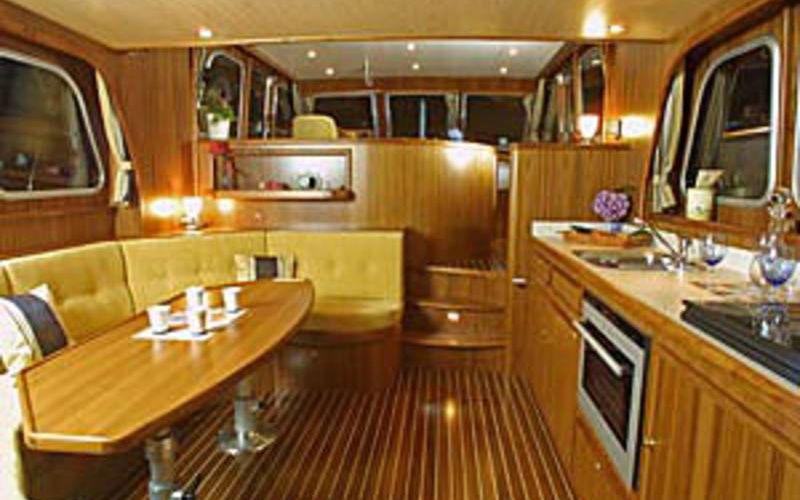

Images have been gathered from various sources and belong to their respective owners.
Review - Aquanaut European Voyager Classic 1500

MarineBroker
04/02/2024, 1:56 PM
2013 Aquanaut European Voyager Classic 1500: What Buyers Need to Know Before Choosing One
If you’ve been looking at the 2013 Aquanaut European Voyager Classic 1500, chances are you’re already drawn to the idea of a comfortable, capable cruising boat with classic European styling. It’s the kind of vessel that catches attention for good reason: generous interior space, practical layout, and the promise of relaxed inland or coastal cruising. But like any used boat, the real question isn’t just whether it looks appealing on paper. It’s whether it fits your boating style, your maintenance expectations, and your long-term plans.
That’s where many buyers get stuck. A boat like the 2013 Aquanaut European Voyager Classic 1500 can be an excellent choice, but only if you know what to check before committing. Hidden wear, ownership history, engine condition, and cruising suitability can make the difference between a great purchase and an expensive headache. The good news is that most of these concerns can be managed with a smart inspection process and a clear understanding of what this model is best at. In this article, we’ll walk through the key things to know, the common pitfalls to avoid, and how to decide whether this boat is the right fit for your plans.
- What Makes the 2013 Aquanaut European Voyager Classic 1500 Stand Out
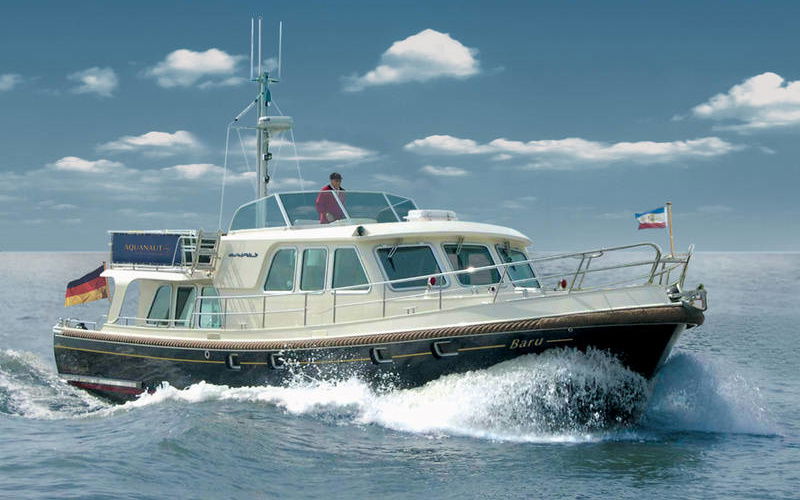
The Aquanaut European Voyager Classic 1500 is built for people who want a serious cruising boat with a comfortable liveaboard feel. At around 15 meters, it offers the kind of space that makes longer stays aboard much more enjoyable.
What often attracts buyers to this model is the combination of:
- Strong hull construction
- Practical interior layout
- Comfortable accommodations
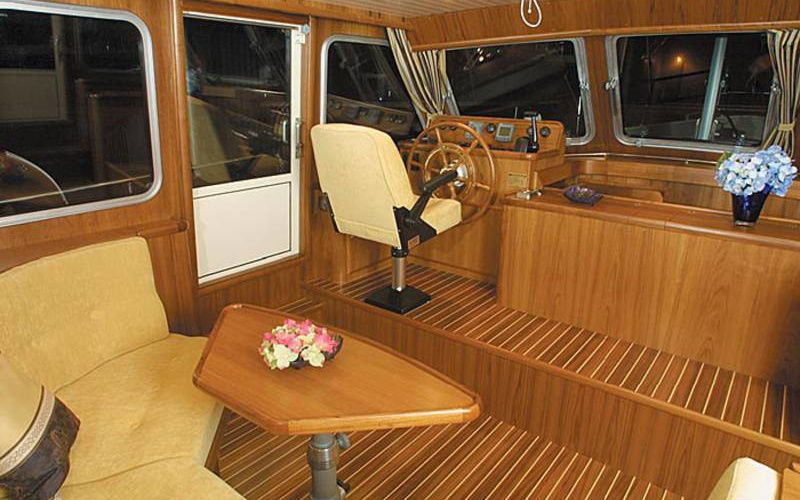
- Good visibility from the helm
- A design suited to inland waterways and sheltered cruising
This isn’t a tiny weekend runabout. It’s a boat meant for people who value time on board and want enough room to move, store gear, and relax without feeling cramped. For many buyers, that’s the main appeal.
The challenge is that boats in this class are often used differently by previous owners. Some are meticulously maintained cruisers. Others may have spent long periods sitting idle, which can create issues that aren’t obvious at first glance.
- The Main Problem Buyers Face With This Model
The biggest problem with buying a used 2013 Aquanaut European Voyager Classic 1500 is not the boat itself. It’s uncertainty.
A well-kept boat of this type can be a fantastic platform. But if maintenance has been inconsistent, repairs can become costly fast. That’s especially true for a larger European cruiser where systems like plumbing, electrical, heating, and propulsion all need to work together.
Common buyer worries include:
- Engine and drivetrain wear
- Hull moisture or osmosis concerns
- Aging electrical systems
- Heating or plumbing issues
- Interior wear from long-term liveaboard use
- Lack of clear service records
In other words, the problem is figuring out whether the boat has been cared for properly. The solution is not guessing based on appearance. It’s learning how to inspect the right areas and understanding what matters most on this specific type of cruising boat.
- How to Evaluate a 2013 Aquanaut European Voyager Classic 1500 Before Buying
A thorough evaluation can save you from expensive surprises later. With a boat like this, the process should go beyond a quick walk-through and a short sea trial.
Here’s a practical approach:
- Review the service history
- Inspect the hull and deck carefully
- Check all onboard systems
- Assess engine condition and running hours
- Look at signs of long-term moisture or leaks
- Confirm how the boat was stored and used
If you’re not experienced with boating systems, bringing in a marine surveyor is one of the smartest moves you can make. A survey may feel like an added cost, but it often reveals issues that are far more expensive to fix after purchase.
- Hull and Structure: What to Look For
The hull is one of the most important parts of any boat purchase. On a vessel like the 2013 Aquanaut European Voyager Classic 1500, you want to know that the structure is solid and free from hidden problems.
Check for:
- Blisters or surface damage
- Repairs that look uneven or poorly finished
- Cracks around stress points
- Signs of impact near the keel or underwater sections
- Moisture intrusion around windows, hatches, and deck fittings
If the boat has a steel hull, inspect for corrosion, rust, and evidence of poor paint or coating maintenance. If it’s a different construction type, the concern shifts more toward osmosis, delamination, or water ingress.
A boat can look clean above the waterline and still have serious structural issues below. That’s why a proper hull survey matters so much.
- Engine and Mechanical Systems: Don’t Skip This Step
For many buyers, the engine is where the biggest financial risk lives. A boat this size is not cheap to repower or repair, so mechanical condition should be treated as a top priority.
When evaluating the engine, look for:
- Regular oil and filter changes
- Clean coolant and fuel systems
- Evidence of overheating
- Smooth starting and idle behavior
- Unusual smoke
- Excess vibration
- Corrosion around components
During a sea trial, pay attention to how the boat accelerates, how it handles under load, and whether the engine maintains stable temperatures. If anything feels sluggish or noisy, that’s worth investigating.
Also check auxiliary systems such as:
- Shaft alignment
- Propeller condition
- Steering responsiveness
- Bilge pumps
- Fuel tank condition
A boat can have a beautiful interior and still be a mechanical headache. The smart move is to treat the engine room like a core part of the purchase, not an afterthought.
- Electrical and Plumbing Systems: Common Trouble Spots
On a cruising boat, comfort depends heavily on systems you don’t always see. Electrical and plumbing issues can be especially frustrating because they often show up only after you’ve already bought the boat.
Inspect the electrical system for:
- Neat wiring and labeled circuits
- Working batteries and charging systems
- Proper fuse protection
- Signs of amateur modifications
- Corrosion at terminals and connectors
Then check the plumbing:
- Freshwater pump operation
- Water heater performance
- Toilet function
- Shower drainage
- Tank levels and odor issues
- Evidence of leaks under sinks or around fittings
Older or heavily used boats often develop small system problems that become big ones if ignored. A slow leak, for example, can lead to hidden moisture damage and mold. A weak battery setup can make cruising much less enjoyable than it should be.
- Interior Layout and Liveaboard Comfort
One reason people are drawn to the 2013 Aquanaut European Voyager Classic 1500 is the interior volume. Boats in this category are often chosen by buyers who want to spend real time aboard, not just day cruise.
When reviewing the interior, think about more than looks. Ask whether the layout actually supports your boating habits.
Consider:
- Cabin privacy
- Galley usability
- Storage space
- Headroom
- Natural light
- Ventilation
- Sleeping arrangements
- Easy movement between spaces
If you plan to cruise for weekends or longer stretches, comfort matters a lot. A layout that feels fine for a short visit may become inconvenient after a few days on board.
Also pay attention to wear patterns. Soft furnishings, flooring, and cabinetry can tell you a lot about how the boat has been used. Heavy wear isn’t automatically a dealbreaker, but it helps you estimate future maintenance and upgrade costs.
- Cruising Suitability: Where This Boat Fits Best
The 2013 Aquanaut European Voyager Classic 1500 is best understood as a comfortable cruising boat rather than a high-speed performer. That matters because some buyers focus too much on size and style without considering how they actually plan to use the boat.
This type of boat is usually a good fit for:
- Inland waterways
- Canal cruising
- Coastal trips in suitable conditions
- Extended stays aboard
- Relaxed, low-stress travel
It may not be the ideal choice if you want fast passages, sporty handling, or minimal maintenance. Larger cruising boats reward owners who enjoy a slower pace and appreciate comfort over speed.
If your goal is to explore at an easy rhythm, anchor or moor in scenic places, and have a stable home base on the water, this model can make a lot of sense.
- The Smartest Way to Avoid Expensive Mistakes
The solution to buying the wrong boat is not luck. It’s process.
Here’s a simple checklist that helps reduce risk:
1. Get a professional survey.
2. Review maintenance records before negotiating.
3. Sea trial the boat in real conditions.
4. Inspect all systems, not just the cosmetic areas.
5. Budget for immediate post-purchase maintenance.
6. Ask about storage history and winterization.
7. Verify that any upgrades were installed properly.
A lot of buyers focus on asking price alone. But the true cost of ownership includes repairs, service, insurance, docking, fuel, and ongoing upkeep. A slightly more expensive boat with better records may actually be the better value.
- What a Good Example of This Model Should Feel Like
A well-maintained 2013 Aquanaut European Voyager Classic 1500 should feel solid, comfortable, and predictable.
You should notice:
- Stable handling
- Quiet, smooth engine operation
- Clean system performance
- Dry interior spaces
- Functional heating and ventilation
- A layout that feels practical, not cluttered
Most importantly, the boat should give you confidence. If every test feels like a compromise, that’s a sign to keep looking. The right boat should feel like a good foundation for your plans, not a project that overwhelms you from day one.
- Maintenance Tips After Purchase
If you do choose a 2013 Aquanaut European Voyager Classic 1500, the best way to protect your investment is to stay ahead of maintenance.
Focus on these habits:
- Change fluids and filters on schedule
- Inspect seals and fittings regularly
- Keep the bilge clean and dry
- Test batteries and charging systems often
- Wash and protect exterior surfaces
- Monitor for leaks after heavy rain or rough cruising
- Log every service and repair
This kind of boat tends to reward owners who are consistent. Small maintenance tasks now can prevent major repairs later. That’s especially true for a vessel designed for comfortable cruising, where reliability is part of the experience.
- Is the 2013 Aquanaut European Voyager Classic 1500 Right for You?
This boat makes the most sense for buyers who want:
- Space and comfort
- A practical cruising layout
- A boat suited to relaxed travel
- Strong build quality
- A vessel that can support longer time aboard
It may be less ideal if you want a simple, low-maintenance boat with minimal systems. Larger cruisers naturally come with more complexity. But for the right owner, that tradeoff is worth it.
The key is to buy with clear expectations. If you understand what this boat is designed to do, you’re much more likely to enjoy it and less likely to be surprised by ownership costs.
- Final Thoughts on Buying a 2013 Aquanaut European Voyager Classic 1500
The 2013 Aquanaut European Voyager Classic 1500 can be a very rewarding boat for the right buyer, especially if comfort, space, and relaxed cruising matter most. The main challenge is not finding a boat with good looks, but finding one with solid maintenance, reliable systems, and a history you can trust.
If you take the time to inspect the hull, engine, electrical setup, and interior condition carefully, you’ll be in a much better position to make a smart decision. A professional survey and a realistic maintenance budget go a long way here. In the end, the best purchase is the one that fits both your boating goals and your willingness to care for the boat properly. If you’re still comparing options, keep learning about similar European cruisers so you can choose with confidence.
Specifications
General
Boat Type: Power Boats
Class Type: Trawler
Specifications
Length: 49.05
Beam: 14.27
Draft: 4.1
Hull Material: Steel
Build
First Built: 2013
Propulsion
Fuel Type: Diesel
Engines: 1
Power: 209 HP
Brand: Perkins
Accomodation
Berths: 6
PROS & CONS
What we appreciated
 Classic and timeless European design appealing to traditional boatersSolid build quality with durable materials ensuring longevityComfortable and spacious layout suitable for family outingsGood handling and stability in various water conditionsEfficient fuel consumption for a boat of its size
What we didn’t appreciate
 Older model, so some features may be outdated compared to newer boatsLimited availability of replacement parts due to model ageLess advanced onboard technology and electronicsMay require more maintenance due to ageLower resale value compared to more modern vessels
Upkeep Costs
Insurance: $800 - $1,200 per year
Storage/Mooring: $1,200 - $3,000 per year
Maintenance and Repairs: $1,000 - $2,000 per year
Fuel: $500 - $1,500 per year (depending on usage)
Winterization and Annual Service: $300 - $600 per year
Rating
7.6
User
Score
Score
Driveability
Technology
Interior
Design
Similar Boats


MarineBroker
Download now for an immersive boat experience like never before! ⛵✨ Your journey begins with a simple click. 🌊📲
#SetSailSmart #DownloadNow
#SetSailSmart #DownloadNow

Subscribe
Copyright 2017 - 2026, Marinebroker.net, All Rights Reserved