2013 Adagio 44: What Buyers and Owners Should Know Before Making a Move
If you’ve been looking at the 2013 Adagio 44, chances are you’re already drawn to the idea of a roomy, comfortable cruising yacht with the kind of layout tha...
Discover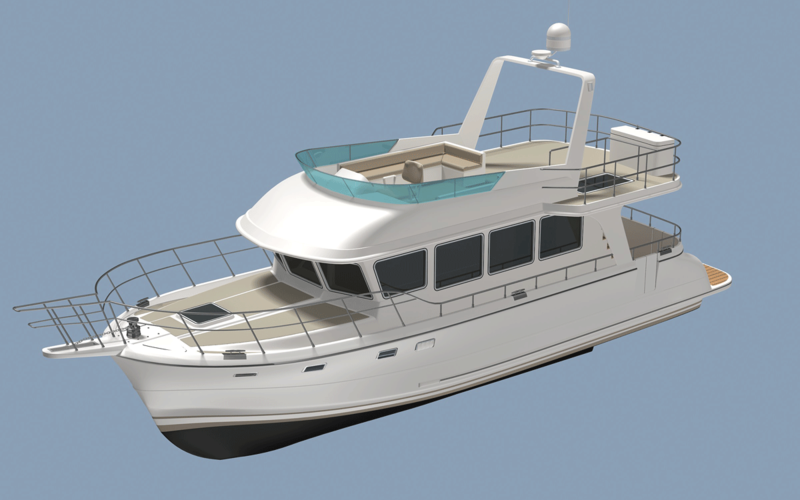

Images have been gathered from various sources and belong to their respective owners.
Review - Adagio 44

MarineBroker
01/19/2024, 11:24 AM
2013 Adagio 44: What Buyers and Owners Should Know Before Making a Move
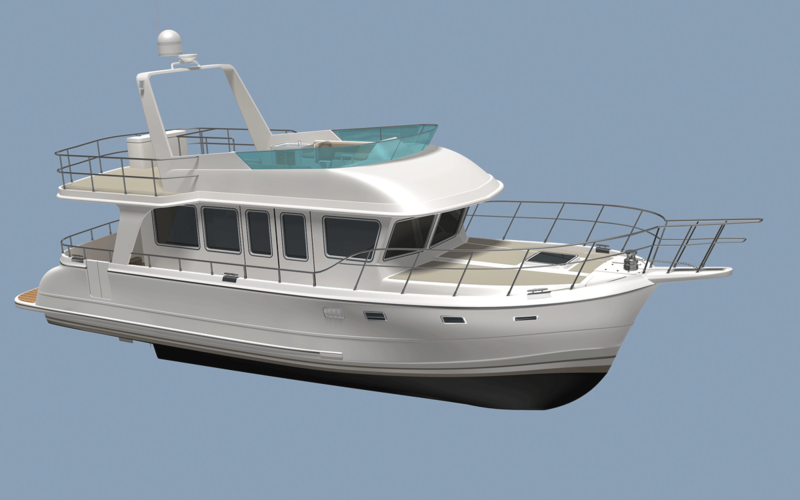
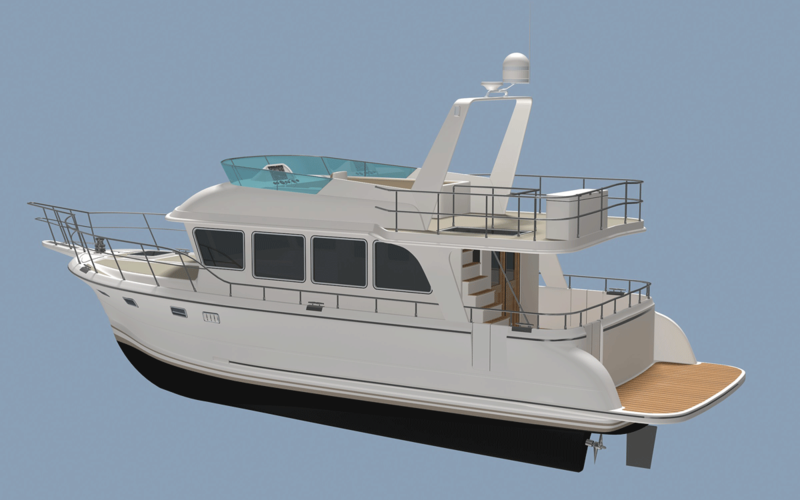
If you’ve been looking at the 2013 Adagio 44, chances are you’re already drawn to the idea of a roomy, comfortable cruising yacht with the kind of layout that makes longer trips feel easy. That’s exactly why this model gets so much attention. It offers a blend of liveaboard comfort, practical design, and cruising capability that appeals to people who want more than just a weekend boat.
But here’s the real challenge: finding the right 2013 Adagio 44 isn’t just about liking the photos or the specs. It’s about knowing what to check, what problems can show up with a boat of this age, and how to judge whether one has been maintained properly. For many buyers, the hard part is separating a well-kept yacht from one that may look good on paper but needs expensive work behind the scenes.
That’s where a smart approach helps. If you understand the common inspection points, ownership realities, and best practices for evaluating this model, you can make a much better decision and avoid costly surprises. Let’s break it down in a simple, practical way.
- Why the 2013 Adagio 44 Still Gets Attention
The 2013 Adagio 44 remains appealing because it sits in a sweet spot for buyers who want a capable cruising boat with a comfortable interior and solid offshore presence. It’s the kind of vessel that often attracts couples, families, and experienced boaters looking for a practical liveaboard or extended cruising platform.
One of the biggest reasons people search for this model is space. The 44-foot size usually gives you a more usable salon, better cabin separation, and enough storage to make longer trips feel less cramped. For many owners, that extra room is what turns boating from a short getaway into a real lifestyle.
Another reason it stands out is versatility. Depending on how it’s equipped, the 2013 Adagio 44 can work well for coastal cruising, inland waterways, and relaxed long-distance travel. That makes it attractive to buyers who want a boat that can do more than one job.
- The Main Problem Buyers Face with a 2013 Adagio 44
The biggest issue is not usually the design itself. It’s condition, maintenance history, and how the boat has been used over the years.
A 2013 model is old enough that wear items, systems, and upgrades matter a lot. Two boats of the same model and year can feel completely different depending on engine care, electronics updates, water intrusion, and how much attention the owner gave to routine service.
Common buyer concerns include:
- Hidden maintenance costs
- Outdated navigation or onboard electronics
- Engine and drivetrain wear
- Moisture or leak issues
- Aging hoses, seals, and pumps
- Interior wear from liveaboard use or heavy cruising
For a buyer, the problem is simple: how do you tell whether a 2013 Adagio 44 is a solid value or a future repair project?
The good news is that this can be solved with a structured inspection process and a realistic understanding of what matters most on a yacht of this type.
- 2013 Adagio 44: What to Check First
If you’re evaluating a 2013 Adagio 44, start with the areas that can create the biggest expenses. A careful walkthrough can reveal a lot before you ever get to a sea trial.
- Engine and mechanical systems
The engine room is one of the most important places to inspect. Look for signs of regular service, clean fluid levels, and no obvious leaks around hoses, filters, or fittings.
Pay attention to:
- Oil condition and service records
- Cooling system maintenance
- Belts, hoses, and clamps
- Signs of corrosion
- Fuel system cleanliness
- Generator condition if installed
If the boat has been used regularly and serviced properly, that’s usually a positive sign. Boats that sit too long can develop their own problems, especially in fuel and cooling systems.
- Hull, deck, and moisture issues
A 2013 boat should still have a strong structure, but water intrusion can create headaches if it has been ignored. Inspect the deck for soft spots, check around hatches and windows, and look for discoloration or staining inside.
Things to watch:
- Cracks around fittings or high-stress areas
- Sealant failure around windows and openings
- Damp spots in lockers or under flooring
- Evidence of previous repairs
- Blisters or hull damage, depending on construction and use
Even small leaks can become bigger problems over time. That’s why moisture inspection matters so much on any used yacht.
- Electrical and electronics
Many boats from 2013 have a mix of original and upgraded electronics. That’s not automatically a problem, but it does mean you should know what works, what’s outdated, and what may need replacement soon.
Check:
- Shore power system
- Batteries and charging setup
- Inverter performance
- AC/DC panel labeling and condition
- Navigation electronics age and reliability
- Bilge pumps and alarms
If the electronics are original, budget for upgrades. Modern navigation gear can greatly improve safety and ease of use, especially for owners planning longer trips.
- Interior condition and livability
The 2013 Adagio 44 is often attractive because of its living space, so don’t overlook the interior. A clean, functional interior usually tells you a lot about how the boat has been cared for overall.
Look for:
- Water stains on headliners or cabinetry
- Soft flooring or warped panels
- Appliance condition
- Ventilation and odor issues
- Upholstery wear
- Storage usability
A boat can look polished in photos but still have hidden wear from years of use. A real-world walkthrough usually tells the truth faster than listing descriptions do.
- Why Maintenance History Matters More Than Age
When people shop for a used yacht like the 2013 Adagio 44, they often focus too much on year and price. Those matter, but maintenance history matters more.
A well-maintained 2013 boat can be a better buy than a newer one that has been neglected. That’s especially true for systems like engines, fuel, plumbing, and electrical components. Boats are not forgiving when routine care gets skipped.
A strong maintenance log should ideally show:
- Regular engine oil and filter changes
- Cooling system service
- Bottom work and haul-outs
- Battery replacements
- Pump and hose replacements
- Annual inspections or survey records
If the seller can’t provide records, that doesn’t automatically mean the boat is bad. But it does mean you should be more cautious and probably budget for more immediate work after purchase.
- How to Tell If the 2013 Adagio 44 Is a Good Fit for You
Not every boat is right for every owner, even if it’s a good boat. The 2013 Adagio 44 tends to fit people who value comfort, practical cruising, and a stable onboard experience more than high-speed performance.
It may be a good fit if you want:
- A comfortable layout for extended stays
- Space for guests or family
- A boat that supports relaxed cruising
- A platform with liveaboard potential
- A model that feels more substantial than smaller cruisers
It may be less ideal if you want:
- Very high speed
- Minimal maintenance responsibility
- A small-footprint day boat
- A boat that’s cheap to own with no upgrades
Being honest about your boating style helps you avoid buyer’s remorse. The best boat is the one that matches how you actually use the water.
- Practical Buying Tips for the 2013 Adagio 44
If you’re serious about this model, use a simple checklist before making an offer. The goal is to reduce guesswork and identify hidden costs early.
- Hire a qualified marine surveyor
This is one of the smartest moves you can make. A surveyor can spot structural, mechanical, and safety issues that a casual walkthrough may miss.
Ask for a survey that covers:
- Hull and deck condition
- Moisture readings
- Mechanical systems
- Electrical systems
- Safety equipment
- Sea trial observations
If possible, choose someone familiar with motor yachts and semi-displacement cruising boats.
- Get a separate engine inspection
A marine mechanic can often provide a deeper look at the propulsion system than a general survey alone. This is especially useful if the boat has high hours or incomplete service records.
- Test everything onboard
Don’t assume anything works just because it looks clean. Turn on the systems and check them in real conditions.
Test:
- Air conditioning or heating
- Water pumps
- Toilets and plumbing
- Bilge pumps
- Electronics
- Windlass and deck gear
- Lighting and charging systems
- Compare asking price with likely upgrade costs
A boat can appear fairly priced until you add the cost of necessary improvements. If the electronics are outdated, the batteries are weak, or the upholstery is tired, those expenses add up quickly.
A good rule is to estimate immediate post-purchase costs before you buy. That way, you know the real total investment.
- Common Ownership Lessons from Similar Cruising Boats
Even if a specific 2013 Adagio 44 is in good shape, ownership still comes with a rhythm. Boats of this type reward owners who stay ahead of maintenance instead of waiting for things to fail.
Here are a few practical habits that make a big difference:
- Run the boat regularly to keep systems healthy
- Flush and inspect mechanical systems after use
- Keep up with battery care
- Check seals and caulking seasonally
- Clean and inspect bilges often
- Replace wear items before they become failures
Small preventive actions can save thousands later. That’s especially true on a 44-foot yacht, where parts and labor are rarely cheap.
- What a Smart Pre-Purchase Strategy Looks Like
If you’re shopping for a 2013 Adagio 44, the smartest strategy is not to rush. Boats like this often look best when the seller has maintained them consistently and documented everything clearly.
A practical process looks like this:
1. Narrow down boats with strong records.
2. Inspect the highest-value systems first.
3. Use a survey and engine check to confirm condition.
4. Estimate upgrade and repair costs.
5. Decide based on total ownership value, not asking price alone.
This approach helps you avoid overpaying for a boat that needs too much work. It also helps you spot the better-kept examples, which are usually worth paying a little more for.
- Why the 2013 Adagio 44 Can Still Be a Smart Choice
When maintained properly, the 2013 Adagio 44 can offer a lot of value for buyers who want comfort, capability, and usable space. It’s not about chasing the newest model. It’s about finding a boat that has been cared for and still fits your cruising goals.
The best examples of this model tend to stand out because they feel solid, functional, and ready for real use. That’s what many buyers want: a boat that doesn’t just look good at the dock, but performs well when it matters.
If you approach the search with a clear inspection plan, realistic expectations, and a focus on maintenance history, you’ll be in a much better position to make a confident decision.
- Conclusion
The 2013 Adagio 44 can be a very appealing option for buyers who want a comfortable cruising boat with real livability. The key is not just finding one that looks good, but choosing one with solid maintenance, clean systems, and a condition that matches its asking price.
By focusing on the engine room, moisture checks, electrical systems, and overall upkeep, you can avoid the most common pitfalls and narrow in on a boat that truly fits your needs. In the end, the best purchase is the one that balances comfort, condition, and long-term value. If you’re comparing options, take your time, use a survey, and look at the total ownership picture before you decide.
Specifications
General
Boat Type: Power Boats
Class Type: Trawler
Specifications
Length: 45.8
Beam: 13.45
Draft: 4.07
Hull Material: GRP
Build
First Built: 2013
Propulsion
Fuel Type: Diesel
Engines: 2
Power: 260 HP
Brand: Volvo Penta
Accomodation
Berths: 4
Cabins: 2
PROS & CONS
What we appreciated
 Spacious and comfortable interior suitable for extended cruisingWell-built with quality materials and finishesGood sailing performance with balanced handlingAmple storage space for gear and provisionsReliable engine and systems with proper maintenance
What we didn’t appreciate
 Older model, may require updates to electronics and navigation equipmentHeavier displacement can affect speed in light windsLimited availability of replacement parts due to less common brandHigher maintenance costs compared to newer production boatsInterior layout may feel dated compared to modern designs
Upkeep Costs
Insurance: $1,200 - $2,000 per year
Maintenance and Repairs: $3,000 - $5,000 per year
Docking and Mooring Fees: $2,000 - $6,000 per year
Fuel: $1,000 - $3,000 per year (depending on usage)
Winter Storage and Preparation: $1,000 - $2,000 per year
Rating
7.0
User
Score
Score
Driveability
Technology
Interior
Design
Similar Boats


MarineBroker
Download now for an immersive boat experience like never before! ⛵✨ Your journey begins with a simple click. 🌊📲
#SetSailSmart #DownloadNow
#SetSailSmart #DownloadNow

Subscribe
Copyright 2017 - 2026, Marinebroker.net, All Rights Reserved