2013 Aquador 25 WA: What to Know Before Buying, Maintaining, and Cruising Comfortably
The 2013 Aquador 25 WA has a strong reputation among boaters who want a compact, well-built walkaround cruiser that feels bigger than it looks....
Discover

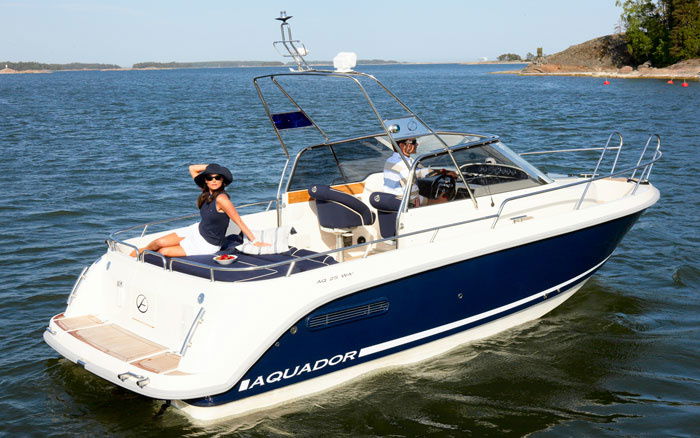
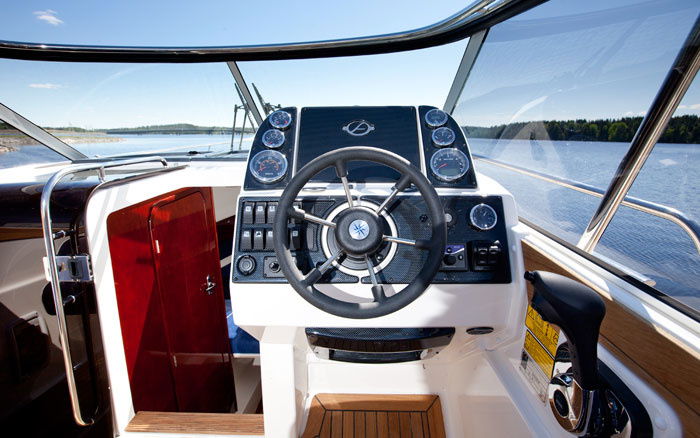
Images have been gathered from various sources and belong to their respective owners.
Review - Aquador 25 WA

MarineBroker
03/21/2024, 12:24 AM
2013 Aquador 25 WA: What to Know Before Buying, Maintaining, and Cruising Comfortably
The 2013 Aquador 25 WA has a strong reputation among boaters who want a compact, well-built walkaround cruiser that feels bigger than it looks. It’s the kind of boat that appeals to couples, small families, and weekend adventurers who want a practical layout, solid offshore capability, and a Scandinavian-style finish without jumping into a much larger vessel.
But if you’re researching this model, you’re probably facing a familiar challenge: how do you know whether a used 2013 Aquador 25 WA is actually a smart buy, and what should you look for before committing? That’s the real issue with any pre-owned boat. Photos can look great, listings can sound convincing, and even a sea trial can miss hidden maintenance needs if you don’t know where to look.
The good news is that the 2013 Aquador 25 WA is generally a boat that rewards careful buyers. With the right inspection approach, a clear understanding of its strengths, and a practical maintenance mindset, you can avoid expensive surprises and enjoy a boat that’s genuinely fun to own. In this article, we’ll walk through the key things to know, the common problem areas to check, and the smartest way to make a confident decision.
- Why the 2013 Aquador 25 WA stands out
The Aquador 25 WA sits in a sweet spot for many boaters. It’s large enough to handle real weekend cruising, yet compact enough to remain manageable for trailering, docking, and marina life.
One of the biggest draws of this model is its balance of comfort and usability. The walkaround layout makes movement around the deck easier, which is especially helpful when docking, fishing, or handling lines in less-than-perfect conditions.
Other reasons this model attracts attention include:
- A practical cabin layout for overnight or weekend use
- Good visibility from the helm
- A reputation for quality construction
- A comfortable ride for its size class
- Efficient use of space, both inside and out
For buyers looking at a used 2013 Aquador 25 WA, these features matter because they affect not just enjoyment, but long-term ownership value. A well-designed boat is easier to live with, easier to maintain, and usually easier to resell later.
- The main problem buyers face with a used 2013 Aquador 25 WA
The biggest problem is not usually the boat itself. It’s uncertainty.
When buying a used cruiser like the 2013 Aquador 25 WA, the challenge is figuring out whether the boat has been properly maintained or merely made to look good for sale. Many issues on a boat of this age are not obvious at first glance.
Common concerns include:
- Engine service history
- Corrosion around hardware and fittings
- Moisture intrusion in the deck or cabin areas
- Wear in upholstery, seals, and windows
- Electrical problems from aging components
- Propulsion system condition
- Evidence of hard use or poor winterization
A boat can look clean and still have hidden issues. That’s why the real solution is not just “find a nice one.” It’s to inspect the boat systematically and understand which items matter most.
- What to inspect first on a 2013 Aquador 25 WA
If you’re evaluating this model, start with the parts that are most expensive to repair. Cosmetic wear is annoying, but structural or mechanical issues are where budgets get hurt.
Focus on these areas first:
- Engine and service records
- Outdrive or propulsion system
- Hull condition
- Deck and transom integrity
- Electrical system
- Cabin moisture and ventilation
- Canvas, windows, and seals
A clean engine room, detailed maintenance log, and evidence of regular winterization are strong positive signs. If the seller can’t provide records, that doesn’t automatically mean the boat is bad, but it does mean you need to inspect more carefully.
- Engine and propulsion: the heart of the purchase decision
For most buyers, the engine and drive system are the most important parts of the inspection. On a boat like the 2013 Aquador 25 WA, engine hours tell part of the story, but maintenance tells the rest.
A lower-hour engine that has been neglected can be a worse buy than a higher-hour engine with consistent service. That’s why records matter so much.
Look for:
- Regular oil and filter changes
- Impeller replacement intervals
- Cooling system maintenance
- Belt and hose condition
- Clean bilge with no oil residue
- Smooth starting and stable idle
- No unusual smoke, vibration, or overheating
If the boat has an outdrive, check for corrosion, bellows condition, and signs of water intrusion. If it has a sterndrive setup, this becomes even more important because neglected bellows or seals can lead to major repairs.
A proper sea trial should include:
- Cold start observation
- Idle performance
- Acceleration and planing behavior
- Cruise speed stability
- Steering response
- Full-throttle check if appropriate
- Reverse and docking maneuver testing
If the boat feels sluggish, vibrates excessively, or struggles to plane, that’s worth investigating before moving forward.
- Hull, deck, and structure: where hidden issues often live
The hull and deck are easy to overlook because they don’t always show obvious problems. Still, they’re critical to the long-term health of the boat.
On the 2013 Aquador 25 WA, inspect for:
- Cracks around stress points
- Gelcoat damage
- Repairs that may indicate prior impact
- Soft spots in the deck
- Water intrusion around fittings
- Transom flex or movement
- Poorly sealed hardware
Walk the deck slowly and pay attention to how it feels underfoot. Any spongy area should be treated seriously. If water has entered the core structure, repairs can be costly and time-consuming.
Also inspect the bow and stern areas closely. These are high-stress zones where fittings, cleats, rails, and hardware are often mounted. If sealant has failed over time, moisture can work its way in.
- Cabin condition: comfort matters more than you think
One reason people like the Aquador 25 WA is that it offers real comfort in a relatively compact package. But comfort depends heavily on how well the cabin has aged.
Check the cabin for:
- Musty odors
- Mold or mildew
- Water stains on the headliner
- Soft cushions or worn upholstery
- Damaged trim
- Leaking windows or hatches
- Poor ventilation
A boat cabin can look clean while still holding hidden moisture. If you notice a damp smell, that’s a warning sign. It may indicate a window seal leak, condensation issue, or past water intrusion.
For many buyers, the cabin is where the boat’s age becomes most obvious. Replacing cushions or upholstery is manageable. Replacing structural components damaged by water is not.
- Electrical systems: small faults can become big headaches
Electrical issues are common on older boats, and the 2013 Aquador 25 WA is no exception. Even a well-kept boat may have aging switches, corroded terminals, or weak batteries.
Test:
- Navigation lights
- Cabin lights
- Bilge pumps
- Horn
- Gauges
- Windlass if equipped
- Battery charging system
- Shore power connections
- Switch panels and breakers
Look inside electrical compartments for corrosion, loose wiring, or signs of amateur repairs. A neat, labeled system is a good sign. Random splices, exposed connections, or taped wires are not.
If the boat uses multiple batteries, confirm they hold charge properly and are wired correctly. A weak battery setup can make a boat frustrating even when the engine itself is fine.
- Maintenance history: the best predictor of future ownership
If you want one practical rule for buying a used 2013 Aquador 25 WA, it’s this: buy the maintenance history, not just the boat.
A boat with documented care usually gives you fewer surprises. Even if some items need attention, you’ll know what has already been addressed.
Ask the seller for:
- Service invoices
- Winterization records
- Oil change dates
- Drive service documentation
- Battery replacement history
- Any survey reports
- Parts receipts
If the seller can’t provide paperwork, ask detailed questions. What was serviced last season? Was the boat stored indoors or outdoors? Was it flushed after each use? Was antifouling maintained regularly?
The answers can tell you a lot about how the boat was treated.
- Common age-related issues to expect
Even a well-maintained 2013 Aquador 25 WA may need some updates. That’s normal for a boat of this age.
Common age-related items include:
- Worn seals and gaskets
- Faded upholstery
- Aging batteries
- Corroded fittings
- Hoses nearing replacement age
- Old antifouling paint
- Worn canvas or covers
- Stiff steering or control cables
These are not necessarily deal-breakers. In fact, they can help you negotiate price if the rest of the boat is solid.
The key is separating normal wear from warning signs. Replacing a worn cover is routine. Replacing a waterlogged deck is a different story.
- How to evaluate the 2013 Aquador 25 WA on a sea trial
A sea trial is where the boat tells the truth. It gives you a chance to see how the boat behaves under real conditions, not just how it looks at the dock.
Pay attention to:
- How quickly it starts
- Whether it idles smoothly
- Steering effort
- Trim behavior
- Acceleration response
- Noise levels
- Hull stability in turns
- Visibility from the helm
- Ease of docking
Try to test the boat in conditions similar to how you plan to use it. If you expect to cruise in choppy water or coastal conditions, don’t judge the boat only on a calm lake.
A good sea trial should leave you feeling confident, not uncertain. If something feels off, trust that instinct and investigate further.
- Is the 2013 Aquador 25 WA a good fit for your boating style?
This model tends to suit boaters who want a versatile cruiser with manageable size and practical comfort. It’s especially appealing if you value:
- Easy movement around the deck
- Weekend cruising
- Occasional overnight stays
- A refined, compact layout
- A boat that feels substantial without being oversized
It may not be the best fit if you want maximum cabin space, large-group entertaining, or a very simple open-deck fishing platform. Like any boat, it works best when matched to the right owner.
If your boating life includes coastal runs, family weekends, and a preference for a well-finished cruiser, the 2013 Aquador 25 WA can be a very satisfying choice.
- Smart buying tips for this model
To avoid buyer’s remorse, keep your process structured. Don’t rush because the boat “looks right.”
Use this checklist:
1. Verify service records.
2. Inspect the hull, deck, and transom carefully.
3. Test all systems at the dock.
4. Complete a proper sea trial.
5. Hire a marine surveyor if you’re serious.
6. Budget for initial maintenance after purchase.
7. Compare the asking price against condition, not just age.
A professional survey is especially valuable for a boat like this. It can reveal issues you might miss and give you leverage in price negotiations if repairs are needed.
- Ownership costs and realistic expectations
Buying a used cruiser is only part of the story. Ongoing ownership costs matter too.
Plan for:
- Routine engine servicing
- Bottom cleaning and antifouling
- Battery replacement over time
- Winterization or storage
- Upholstery and canvas upkeep
- Occasional electrical or plumbing repairs
The 2013 Aquador 25 WA is not usually a “set it and forget it” boat. Like most quality cruisers, it rewards regular attention. Small, consistent maintenance is far cheaper than waiting for problems to pile up.
A good ownership mindset is simple: inspect often, service on schedule, and fix minor issues early.
- How to get the most from a 2013 Aquador 25 WA
Once you own the boat, the best way to protect your investment is through routine care. A clean, dry, well-maintained boat holds value better and feels better every time you use it.
Helpful habits include:
- Rinse after saltwater use
- Keep the bilge clean and dry
- Check seals and fittings regularly
- Run the engine according to manufacturer guidance
- Store the boat properly in off-season months
- Keep a maintenance log
- Address small leaks immediately
This model is designed to be enjoyed, but it will also last longer if treated with consistency. Boats often age in proportion to the care they receive.
- Conclusion
The 2013 Aquador 25 WA is a compelling option for boaters who want a practical, comfortable, and well-designed cruiser in a manageable size. The main challenge for buyers is not finding the model itself, but separating a well-cared-for boat from one that only looks good on the surface.
The smartest solution is a careful inspection process: review maintenance records, examine the hull and deck, test all systems, and insist on a proper sea trial. When you do that, you greatly improve your chances of finding a boat that delivers real value and enjoyable time on the water. If you’re considering this model, take your time, trust the details, and keep your focus on condition over appearance.
Specifications
General
Boat Type: Power Boats
Class Type: Walkaround
Specifications
Length: 25.26
Beam: 9.35
Draft: 2.95
Hull Material: GRP
Build
First Built: 2013
Propulsion
Fuel Type: Diesel
Engines: 1
Power: 260 HP
Brand: Unknown
Accomodation
Berths: 4
PROS & CONS
What we appreciated
 Spacious walk-around deck allowing easy movement and fishing activitiesSolid build quality with durable materials typical of Aquador boatsComfortable cabin with sleeping accommodations for overnight tripsGood performance and handling with reliable engine optionsAmple storage compartments for gear and equipment
What we didn’t appreciate
 Older model year may require more maintenance and updatesLimited modern electronics and navigation systems compared to newer boatsFuel consumption can be higher relative to smaller or more modern boatsCabin space may feel compact for larger groupsLimited resale market compared to more popular brands
Upkeep Costs
Fuel: Approximately $2,000 - $3,000 per year depending on usage
Maintenance and Repairs: Around $1,500 - $3,000 annually
Insurance: Typically $500 - $1,200 per year
Storage and Mooring: $1,000 - $3,000 per year depending on location
Registration and Taxes: $100 - $300 per year
Rating
7.3
User
Score
Score
Driveability
Technology
Interior
Design
Similar Boats


MarineBroker
Download now for an immersive boat experience like never before! ⛵✨ Your journey begins with a simple click. 🌊📲
#SetSailSmart #DownloadNow
#SetSailSmart #DownloadNow

Subscribe
Copyright 2017 - 2026, Marinebroker.net, All Rights Reserved