2013 Aquador 21 WAS: What to Look For, Common Issues, and How to Keep It Running Smoothly
If you’re interested in the 2013 Aquador 21 WAS, chances are you’re already drawn to its smart layout, Scandinavian build quality, and prac...
Discover
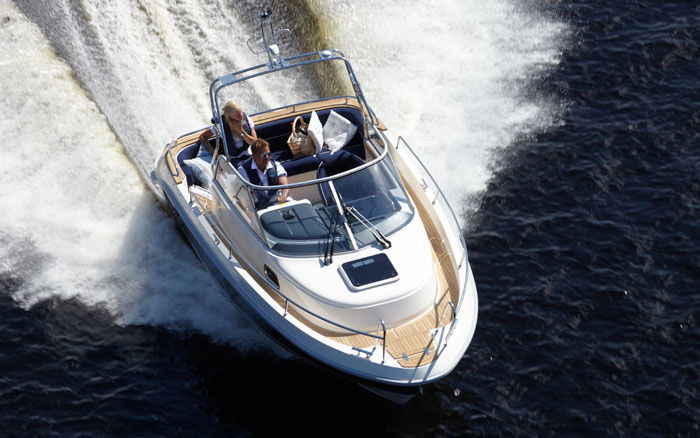

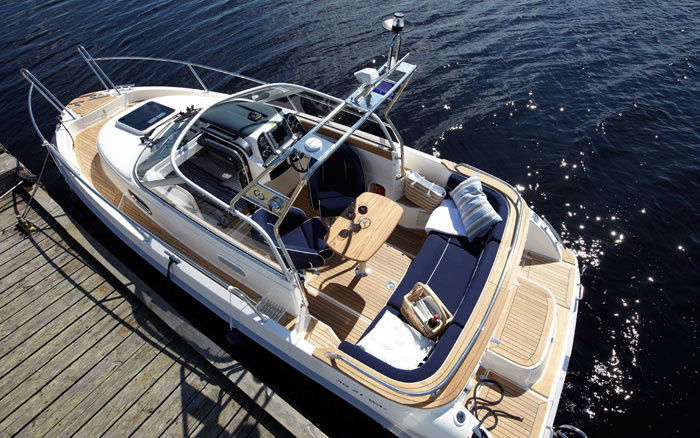
Images have been gathered from various sources and belong to their respective owners.
Review - Aquador 21 WAS

MarineBroker
03/21/2024, 1:38 AM
2013 Aquador 21 WAS: What to Look For, Common Issues, and How to Keep It Running Smoothly
If you’re interested in the 2013 Aquador 21 WAS, chances are you’re already drawn to its smart layout, Scandinavian build quality, and practical size for day cruising. It’s the kind of boat that looks simple on the surface but has enough thoughtful design details to make ownership genuinely enjoyable. That said, like any used boat, the real challenge isn’t just finding one for sale — it’s knowing what to check, what to expect, and how to avoid buying a boat that needs more work than it’s worth.
For many buyers, the problem is uncertainty. A 2013 Aquador 21 WAS can be a great option, but only if the hull, engine, electrical system, and general maintenance history are in good shape. Small issues can turn into expensive repairs if they’re missed early. The good news is that with the right inspection approach and a few practical ownership habits, you can reduce risk and enjoy the boat with far more confidence. In this article, we’ll break down the most important things to know, what problems commonly show up on boats of this type, and how to approach the 2013 Aquador 21 WAS as a smart, informed buyer.
- What Makes the 2013 Aquador 21 WAS Worth a Closer Look
The 2013 Aquador 21 WAS sits in a very appealing sweet spot for many boaters. It’s compact enough to handle easily, yet large enough to feel stable and capable for coastal cruising, family outings, and relaxed weekends on the water.
Aquador has long been known for practical Nordic design, and that usually means a strong focus on usability rather than flash. On a boat like the 21 WAS, that often translates into sensible deck layout, decent shelter, and a cabin that makes the boat more versatile than many open day boats in the same size range.
For buyers, that matters because a boat doesn’t have to be huge to be useful. It just has to fit the way you actually boat.
Common reasons people look at this model include:
- Easy handling for solo or couple boating
- Good balance between size and manageability
- Useful cabin space for storage or overnight flexibility
- Strong reputation for practical design
- Suitable for day trips, family use, and coastal runs
If you’re comparing used boats, the 2013 Aquador 21 WAS often stands out because it feels like a boat designed by people who understand real boating habits, not just showroom appeal.
- The Main Problem Buyers Face With Used Boats Like the 2013 Aquador 21 WAS
The biggest issue with any used boat is that condition matters more than model name. Two boats of the same year can feel completely different depending on how they were maintained, stored, and used.
With a 2013 Aquador 21 WAS, the main problem is often hidden wear. A boat may look clean in photos, but still have:
- Engine service gaps
- Corrosion in electrical connections
- Moisture intrusion in upholstery or cabin areas
- Worn hardware from saltwater use
- Trailer issues if it has been trailered regularly
- Gelcoat or hull damage that isn’t obvious at first glance
That’s why buyers sometimes get caught up focusing on year and brand, while missing the real story: maintenance history. A well-kept older boat is usually a better buy than a neglected newer one.
The practical solution is simple in theory, but important in execution: inspect the boat systematically, verify service records, and treat the purchase like a technical evaluation rather than an emotional one.
- 2013 Aquador 21 WAS: What to Inspect Before You Buy
If you’re considering this boat, the pre-purchase inspection is where you protect yourself. It doesn’t need to be complicated, but it should be thorough.
- Hull and Exterior Condition
Start with the hull. Look for scratches, repairs, blisters, or signs of impact. Small cosmetic marks are normal on a used boat, but anything that suggests structural damage deserves a closer look.
Check around:
- The bow area
- Keel and running surface
- Transom
- Rub rail
- Through-hull fittings
- Swim platform or boarding areas
If the boat has spent time in saltwater, pay extra attention to corrosion and staining around metal fittings.
- Engine and Mechanical Systems
The engine is usually the heart of the decision. Ask for service records and pay attention to:
- Oil change history
- Impeller replacement
- Fuel system maintenance
- Cooling system condition
- Belts, hoses, and clamps
- Starting behavior and idle quality
If possible, run the engine under load during a sea trial. A boat can idle nicely at the dock and still reveal issues once it’s underway.
Watch for:
- Hard starting
- Excessive smoke
- Overheating
- Rough shifting
- Unusual vibration
- Weak acceleration
These can point to maintenance gaps or more serious mechanical concerns.
- Electrical System
Electrical problems are common on used boats because moisture and corrosion love marine wiring.
Check:
- Battery condition
- Charger operation
- Navigation lights
- Cabin lights
- Switch panels
- Gauges and displays
- Bilge pump function
Look behind panels if possible. Clean wiring with proper support and labeled connections is a good sign. Messy or corroded wiring is a warning sign.
- Cabin and Upholstery
The cabin on a boat like the 2013 Aquador 21 WAS adds real value, but only if it’s dry and well cared for.
Inspect for:
- Musty smells
- Water stains
- Soft flooring
- Mold or mildew
- Damaged cushions
- Condensation issues
A faint marine smell is normal. A persistent damp or mildew odor usually means water has been getting in somewhere.
- Hardware and Deck Fittings
Grab rails, cleats, hatches, hinges, and latches should all feel secure. Loose fittings can indicate wear, poor maintenance, or water intrusion.
A good rule of thumb: if a small fitting feels neglected, there may be bigger maintenance shortcuts elsewhere.
- Common Issues on a 2013 Aquador 21 WAS
No used boat is perfect, and the 2013 Aquador 21 WAS is no exception. The goal isn’t to expect problems, but to know the usual suspects so you can spot them early.
- Moisture Intrusion
This is one of the most common issues on many boats, especially those with enclosed spaces or cabin sections. Water can enter through:
- Hatch seals
- Window seals
- Deck fittings
- Fastener holes
- Poorly maintained cover systems
Moisture doesn’t always show up as standing water. Sometimes it shows up as staining, soft materials, or a persistent smell.
- Corrosion
If the boat has been used in saltwater, corrosion can affect:
- Fasteners
- Electrical terminals
- Hinges
- Steering components
- Engine accessories
Even light corrosion can become a maintenance headache if it spreads.
- Neglected Service Intervals
A lot of boat problems come down to skipped maintenance. On a 2013 Aquador 21 WAS, that might mean:
- Old fuel
- Dirty filters
- Unchanged fluids
- Worn impellers
- Aging batteries
- Unserviced trailer bearings
These are often fixable, but they can add up quickly if several items need attention at once.
- Upholstery and Interior Wear
Sun exposure, moisture, and general use can age marine upholstery faster than expected. Cracking, fading, and seam separation are common on older boats that have not been fully covered or stored properly.
- Trailer Wear, If Included
If the boat comes with a trailer, don’t treat it as a bonus item you can ignore. Check:
- Tires
- Bearings
- Brakes
- Lights
- Winch
- Frame corrosion
- Bunks and rollers
A neglected trailer can turn into a safety issue fast.
- How to Judge Whether a 2013 Aquador 21 WAS Is a Good Buy
The best way to judge value is to compare condition, maintenance, and equipment rather than focusing only on asking price.
A boat may be worth more if it has:
- Complete service records
- Clean sea trial results
- Low corrosion
- Dry cabin areas
- Recently replaced consumables
- Proper storage history
- Evidence of careful ownership
On the other hand, a lower-priced boat may not be a bargain if it needs:
- Engine work
- Electrical repairs
- New upholstery
- Trailer replacement
- Seal and leak repairs
A useful approach is to estimate the cost of immediate fixes before making an offer. That way, you know whether the price still makes sense after repairs.
- Practical Ownership Tips for the 2013 Aquador 21 WAS
If you already own one, or you’re planning to buy, the easiest way to protect your investment is consistent maintenance. Boats usually fail slowly before they fail suddenly.
- Rinse and Dry After Use
If you boat in saltwater, rinse the exterior, fittings, and engine area after every outing. Dry the cabin and cockpit as much as possible to reduce mildew and corrosion.
- Stay Ahead of Service Intervals
Keep a simple maintenance log for:
- Oil changes
- Filter changes
- Impeller replacement
- Battery replacement
- Lower unit service
- Fuel system checks
This is one of the easiest ways to preserve reliability.
- Inspect Seals and Drainage
Check hatches, windows, and deck drains regularly. Small leaks often become bigger issues because they go unnoticed.
- Protect Upholstery and Surfaces
Use covers when practical. UV protection goes a long way on a boat this size, especially for cushions, dashboards, and trim.
- Test Systems Periodically
Don’t wait until launch day to find out something isn’t working. Run electrical systems, bilge pumps, lights, and electronics occasionally during the off-season.
- When a Survey Is Worth It
If you’re buying a used 2013 Aquador 21 WAS, a professional marine survey can be money well spent. It’s especially useful if:
- The boat is being sold privately
- Service history is incomplete
- The engine hours are high
- You notice signs of moisture or corrosion
- The boat has been in saltwater
- You’re not fully confident in your own inspection
A survey can help identify hidden issues and give you a stronger position in price negotiations. Even if the boat looks great, a survey often reveals things that aren’t obvious to a casual buyer.
- How the 2013 Aquador 21 WAS Fits Different Types of Boaters
One reason this model gets attention is that it suits several kinds of owners.
- For couples, it can be a comfortable cruiser for short trips and weekends.
- For families, it offers a manageable size with enough practicality for day use.
- For experienced boaters, it can serve as a low-fuss platform that’s easy to handle and maintain.
- For first-time buyers, it may be appealing if they want a boat that feels more substantial than a basic open runabout.
The key is matching expectations to reality. The 2013 Aquador 21 WAS is best viewed as a practical, versatile boat rather than a luxury performance machine. If that matches your boating style, it can make a lot of sense.
- Smart Buying Checklist for a 2013 Aquador 21 WAS
Before you commit, run through this simple checklist:
- Review maintenance records
- Inspect hull and transom carefully
- Test all electrical systems
- Check for moisture or mildew inside
- Run the engine on the water if possible
- Look at corrosion on fittings and hardware
- Confirm trailer condition if included
- Verify title and ownership paperwork
- Consider a professional survey
- Budget for immediate service after purchase
This kind of checklist helps you avoid emotional buying. It also gives you a clearer picture of the real cost of ownership.
- Why Maintenance History Matters More Than Age
A common mistake is assuming that a 2013 boat is automatically “old” or “worn out.” In reality, age is only part of the story.
A boat that has been:
- Serviced on schedule
- Stored properly
- Kept dry
- Used regularly but responsibly
is often a better buy than a newer boat that was neglected.
That’s especially true with a model like the 2013 Aquador 21 WAS, where practical construction and sensible layout can hold up well if the owner stayed on top of care. In other words, the boat’s condition tells you far more than the model year alone.
- Making the Most of the 2013 Aquador 21 WAS
If you’re looking at a 2013 Aquador 21 WAS, the smartest approach is to focus on condition, not just appearance. A clean hull and polished cockpit are nice, but they don’t tell the full story. What really matters is how the boat has been maintained, whether the systems work properly, and whether there are signs of hidden wear.
The good news is that this boat can be a solid, enjoyable choice when inspected carefully and maintained consistently. If you approach it with a checklist, a realistic budget, and a willingness to verify the details, you’ll be in a much stronger position. That’s the best way to turn interest into confidence — and confidence into better time on the water.
Specifications
General
Boat Type: Power Boats
Class Type: Walkaround
Specifications
Length: 21
Beam: 8.17
Draft: 2.59
Hull Material: GRP
Build
First Built: 2013
Propulsion
Fuel Type: Diesel
Engines: 1
Power: 170 HP
Brand: Unknown
Accomodation
Berths: 2
PROS & CONS
What we appreciated
 Compact size suitable for day trips and easy handlingRobust build quality typical of Aquador boatsEfficient use of space with comfortable seating and storageGood performance with reliable engine optionsVersatile design suitable for fishing, cruising, and watersports
What we didn’t appreciate
 Limited cabin space not ideal for overnight staysOlder model may lack some modern electronics and featuresSmaller size may limit capacity for larger groupsPotentially higher maintenance costs due to ageLess advanced hull design compared to newer models
Upkeep Costs
Fuel: Approximately $1,200 - $1,800 annually depending on usage
Maintenance and Repairs: Around $1,000 - $1,500 per year
Insurance: Typically $300 - $600 annually
Storage and Mooring: $800 - $2,000 per year depending on location
Registration and Taxes: $100 - $300 annually

Rating
7.1
User
Score
Score
Driveability
Technology
Interior
Design
Similar Boats


MarineBroker
Download now for an immersive boat experience like never before! ⛵✨ Your journey begins with a simple click. 🌊📲
#SetSailSmart #DownloadNow
#SetSailSmart #DownloadNow

Subscribe
Copyright 2017 - 2026, Marinebroker.net, All Rights Reserved