2013 Aquador 21 WAE: What to Check, Common Issues, and How to Keep It Running Smoothly
If you’re looking at a 2013 Aquador 21 WAE, chances are you already appreciate what this compact Scandinavian boat brings to the table: smart ...
Discover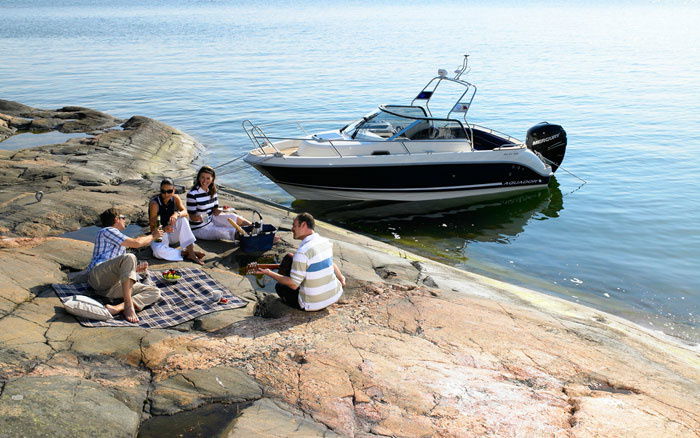


Images have been gathered from various sources and belong to their respective owners.
Review - Aquador 21 WAE

MarineBroker
03/20/2024, 11:55 PM
2013 Aquador 21 WAE: What to Check, Common Issues, and How to Keep It Running Smoothly
If you’re looking at a 2013 Aquador 21 WAE, chances are you already appreciate what this compact Scandinavian boat brings to the table: smart design, solid construction, and a layout that makes sense for real boating. But like any used boat, the big question isn’t just whether it looks good on paper — it’s whether it’s been cared for properly and whether it’s the right fit for the kind of boating you actually want to do.
That’s where a lot of buyers get stuck. A boat like the Aquador 21 WAE can be a fantastic all-rounder, but small issues can turn into expensive surprises if you don’t know what to look for. From engine condition and hull wear to electrical quirks and trailer-related stress, the details matter.
The good news? Most of the common concerns are manageable if you know how to inspect them and what a sensible ownership routine looks like. In this article, we’ll walk through the key things to check on a 2013 Aquador 21 WAE, the most common problem areas, and practical ways to keep the boat reliable, comfortable, and ready for the water.
- Why the 2013 Aquador 21 WAE Still Gets Attention
The Aquador 21 WAE sits in a sweet spot for boaters who want something versatile without moving up to a big, complicated cruiser. It’s compact enough for easier handling, yet it still offers the kind of enclosed or semi-enclosed comfort many owners want for cooler weather and changeable conditions.
For families, couples, and weekend boaters, that combination is appealing. You get a boat that can handle day trips, coastal cruising, and sheltered overnight-style use better than many open bowriders in the same size range.
What also helps the Aquador name is its reputation for practical Scandinavian design. These boats are usually built with sensible layouts, decent storage, and a focus on usability rather than flashy extras. That said, buying a used 2013 model means you need to think like a boat owner, not just a shopper.
The most common mistake people make is assuming that a boat in this class will be “low maintenance” just because it’s well made. In reality, a 21-foot boat still needs careful inspection, especially after years of saltwater use, winter storage, and engine hours.
- The Main Problem Buyers Face with a Used 2013 Aquador 21 WAE
The biggest problem is uncertainty.
With a used 2013 Aquador 21 WAE, it’s rarely the boat’s basic design that causes trouble. More often, the issue is hidden wear, inconsistent maintenance, or systems that seem fine at a glance but need attention under load.
Common concerns include:
- Engine service history that’s incomplete or vague
- Corrosion or moisture damage in electrical components
- Wear in the hull, fittings, or deck hardware
- Trim, steering, or throttle issues
- Upholstery and cabin dampness
- Trailer condition, if the boat is sold on one
If you’re not experienced, it can be hard to tell the difference between normal aging and a sign of a bigger problem. That’s why a structured inspection matters so much.
- What to Check Before Buying a 2013 Aquador 21 WAE
A careful pre-purchase inspection is the best way to avoid regret later. If you’re serious about one of these boats, don’t rush the process.
- Engine and Drive System
Most buyers focus on the interior first, but the engine is where the real value lives. Whether the boat has a petrol or diesel setup, you want clear evidence of regular servicing.
Check for:
- Service records with dates and hours
- Clean oil and coolant condition
- Smooth cold start
- No unusual smoke
- No overheating at idle or under load
- Proper shifting in and out of gear
- Signs of corrosion around hoses, clamps, and mounts
Take the boat for a sea trial if possible. A boat can idle nicely at the dock and still reveal problems once it’s pushed onto plane.
Watch for hesitation, vibration, or temperature spikes. Those can point to anything from a dirty fuel system to impeller wear or drive alignment issues.
- Hull, Deck, and Structural Condition
The Aquador 21 WAE is built to be practical, but even a well-made hull can suffer if it’s been neglected.
Look closely at:
- Gelcoat cracks around stress points
- Soft spots in the deck
- Repairs that don’t match the surrounding finish
- Signs of osmosis or blistering
- Water intrusion around fittings, rails, and cleats
Press gently around hatches, walkways, and high-traffic areas. If the deck feels soft or spongy, that can indicate moisture inside the core.
Also inspect the transom carefully. Any sign of flex, staining, or cracking around the engine mounting area should be treated seriously.
- Electrical Systems and Electronics
A lot of used-boat frustration comes from electrical issues that seem minor at first.
On a 2013 model, you should expect some aging in switches, connectors, and display units. That doesn’t automatically mean trouble, but it does mean you should test everything.
Check:
- Navigation lights
- Bilge pump
- Cabin lights
- Horn
- Wipers, if fitted
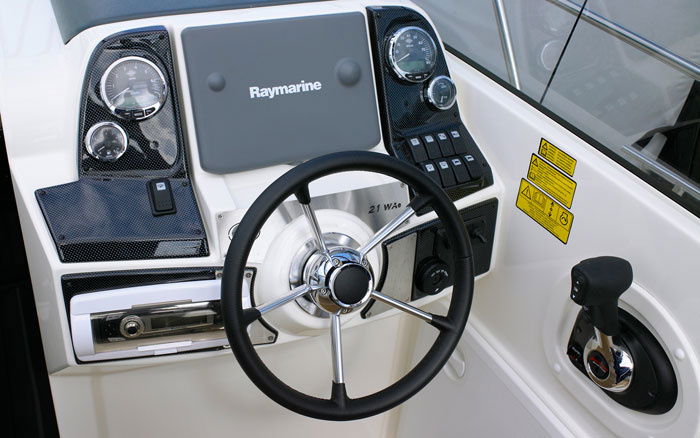
- Gauges and engine display
- Battery charging system
- Shore power setup, if installed
Look under panels and inside storage areas for corrosion, loose wiring, or amateur repairs. Saltwater exposure can do a lot of damage over time, especially if the boat was stored damp.
If electronics are failing in several places at once, the issue may be a weak battery, poor grounding, or water intrusion rather than individual component failure.
- Upholstery, Cabin, and Moisture Issues
The 2013 Aquador 21 WAE is meant to be usable and comfortable, so the condition of the cabin matters more than many buyers expect.
Check for:
- Mold or mildew smell
- Water stains on cushions or headliner
- Sticky or swollen cabinet surfaces
- Condensation marks around windows and hatches
- Worn seals on doors and openings
A small amount of moisture can become a bigger issue if the boat hasn’t been ventilated properly. Boats that sit closed up for months often develop odors and damp spots that are more annoying than dangerous at first, but they can lead to more serious deterioration.
If the upholstery is original, expect some aging. That’s normal. What you don’t want is evidence that water has been entering the cabin through poorly sealed windows or deck fittings.
- Trailer Condition, If Included
A lot of people overlook the trailer, but for a boat this size it can be a major part of the overall value and safety.
Inspect:
- Brake function
- Wheel bearings
- Tires for age cracks and wear
- Winch and bow stop
- Lights and wiring
- Frame rust, especially at welds and joints
A neglected trailer can turn a good boat purchase into an expensive project. If the boat will be trailered often, make sure the trailer matches the boat’s weight and launching style.
- Common Problems on a 2013 Aquador 21 WAE
No used boat is perfect, and the Aquador 21 WAE is no exception. The key is knowing what tends to come up so you can spot it early.
- Aging Seals and Fittings
Over time, seals around hatches, windows, and deck fittings can harden or fail. That often leads to small leaks, which then create moisture problems inside the boat.
The fix is usually straightforward: replace old sealant, renew gaskets, and reseal fittings properly. The important part is catching the problem before water gets into structural areas.
- Electrical Corrosion
Corrosion in connectors, switches, and terminals is one of the most common issues on used boats. It can cause intermittent failures that are frustrating to diagnose.
A practical solution is to clean and protect connections, replace damaged wiring, and use marine-grade components wherever repairs are needed.
- Engine Maintenance Gaps
If the previous owner skipped annual servicing, you may inherit problems such as clogged fuel filters, worn impellers, or aging belts and hoses.
The solution is not complicated, but it should be systematic:
- Full service after purchase
- Replace all unknown consumables
- Check cooling system parts
- Inspect fuel lines and filters
- Verify belt condition and tension
This gives you a known starting point, which is worth a lot on a used boat.
- Damp Cabin or Poor Ventilation
A closed cabin can trap moisture, especially in cooler climates or during winter storage. This can lead to odors, mildew, and material degradation.
Use breathable covers, open hatches when safe, and run a dehumidifier or moisture absorber during storage. Good ventilation is one of the simplest ways to protect the interior.
- How to Solve the Most Likely Ownership Problems
The best solution is a mix of inspection, preventive maintenance, and realistic expectations.
- Start with a Full Baseline Service
If you buy a 2013 Aquador 21 WAE, assume that even a well-kept example needs a baseline service unless you have very recent records.
That should include:
- Engine oil and filters
- Fuel filters
- Impeller inspection or replacement
- Coolant check
- Battery test
- Anode inspection
- Steering and throttle lubrication
- Safety equipment check
This gives you confidence and helps prevent the “mystery issue” problem that many used boats develop after purchase.
- Use a Qualified Marine Surveyor
A professional survey may feel like an extra expense, but it can save money if it uncovers hidden damage or confirms the boat’s condition before purchase.
A surveyor can identify:
- Moisture intrusion
- Structural concerns
- Mechanical wear
- Electrical faults
- Unsafe repairs
For a boat in this price and size category, that peace of mind is often well worth it.
- Keep a Simple Maintenance Log
One of the easiest ways to protect your investment is to keep records. Even a basic notebook or spreadsheet helps you track:
- Engine hours
- Service dates
- Replaced parts
- Fuel consumption
- Battery age
- Winterization steps
This makes it easier to spot patterns and helps future resale value too.
- Practical Upkeep Tips for Long-Term Reliability
If you want the boat to stay enjoyable, maintenance needs to be part of the routine rather than a reaction to problems.
Here are some simple habits that make a big difference:
- Flush the engine after use in saltwater
- Rinse fittings and rails with fresh water
- Keep batteries charged and checked
- Ventilate the cabin regularly
- Inspect bilge areas for standing water
- Replace worn sealant before leaks spread
- Service the engine annually, even if usage is light
These steps are not glamorous, but they’re what keep a boat like the Aquador 21 WAE dependable season after season.
- Is the 2013 Aquador 21 WAE a Good Fit for You?
This boat makes the most sense for someone who wants a compact, well-designed cruiser with a practical layout and manageable size. It’s a strong choice for day trips, family outings, and owners who value comfort without stepping into a much larger vessel.
It may be less ideal if you want a very simple open boat with minimal systems, or if you prefer something that can be ignored between outings. The Aquador 21 WAE rewards owners who stay on top of maintenance.
In other words, it’s a good boat for someone who wants quality and usability, but is willing to do the usual used-boat homework.
- Final Thoughts on the 2013 Aquador 21 WAE
The 2013 Aquador 21 WAE can be a very satisfying boat if you buy carefully and maintain it consistently. The main challenge isn’t the model itself — it’s making sure the boat you choose has been properly cared for and that any hidden issues are caught early.
Focus on the engine, structure, electrical system, and signs of moisture. Get a survey if possible, and budget for a full service after purchase. With that approach, you’ll be in a much better position to enjoy the boat instead of fixing avoidable problems.
If you’re comparing examples or planning a purchase, a little extra time spent inspecting now can save a lot of stress later. And that’s usually the smartest move in boating.
Specifications
General
Boat Type: Power Boats
Class Type: Walkaround
Specifications
Length: 20.8
Beam: 8.17
Draft: 2.49
Hull Material: GRP
Build
First Built: 2013
Propulsion
Fuel Type: Unleaded
Engines: 1
Power: 100 HP
Brand: Mercury
Accomodation
Berths: 2
PROS & CONS
What we appreciated
 Sturdy and well-built hull ideal for coastal cruisingSpacious cockpit with versatile seating arrangementsComfortable cabin with sleeping accommodations for overnight tripsEfficient and reliable engine options for good fuel economyGood handling and stability in various sea conditions
What we didn’t appreciate
 Limited storage space below deckRelatively small swim platform compared to newer modelsOlder electronics and navigation equipment may need upgradingCabin headroom can be restrictive for taller individualsLimited onboard amenities compared to larger boats
Upkeep Costs
Fuel: Approximately $1,200 - $1,800 per year depending on usage and fuel prices
Maintenance and Repairs: Around $1,000 - $2,000 annually including engine servicing and hull upkeep
Storage and Mooring: $500 - $2,000 per year depending on location and type of storage
Insurance: Typically $300 - $700 per year depending on coverage and location
Registration and Taxes: $100 - $300 per year depending on local regulations
Rating
6.9
User
Score
Score
Driveability
Technology
Interior
Design
Similar Boats


MarineBroker
Download now for an immersive boat experience like never before! ⛵✨ Your journey begins with a simple click. 🌊📲
#SetSailSmart #DownloadNow
#SetSailSmart #DownloadNow

Subscribe
Copyright 2017 - 2026, Marinebroker.net, All Rights Reserved