Boat Database » Ankona Native SUV 17
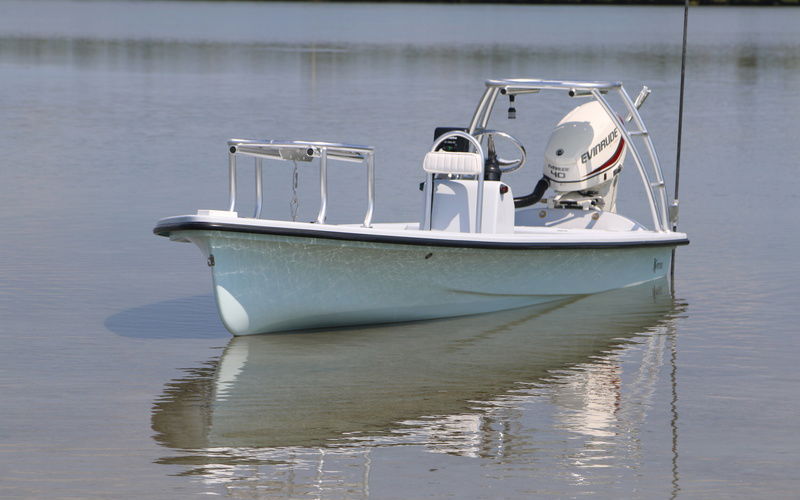
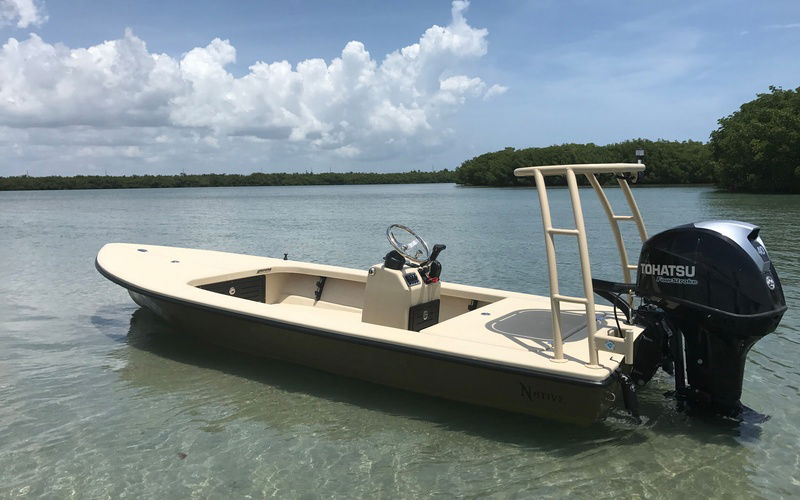
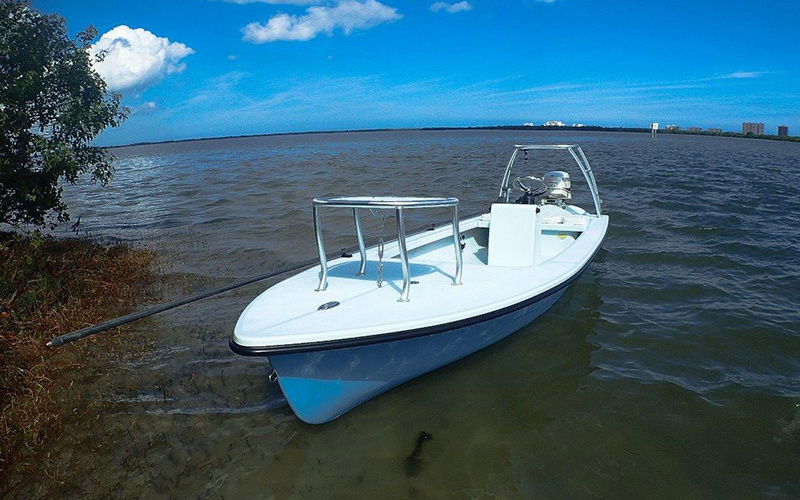
Ankona Native SUV 17
Outboard four-stroke, Unleaded, 1x 40 HP
Power Boats 2016 Ankona Native SUV 17: What to Know Before You Buy, Own, or Upgrade
If you’re looking at a 2016 Ankona Native SUV 17, chances are you already know it’s not your average shallow-water skiff. It’s the kind of boat that gets att...
Discover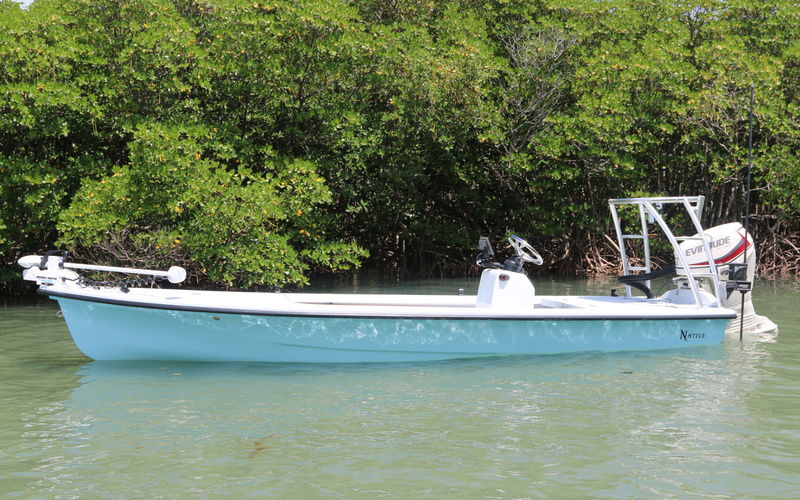

Images have been gathered from various sources and belong to their respective owners.
Review - Ankona Native SUV 17

MarineBroker
03/15/2024, 12:46 AM
2016 Ankona Native SUV 17: What to Know Before You Buy, Own, or Upgrade
If you’re looking at a 2016 Ankona Native SUV 17, chances are you already know it’s not your average shallow-water skiff. It’s the kind of boat that gets attention from anglers and coastal boaters who want a lightweight, capable platform that can slide into skinny water without giving up too much stability or fishability. But like any specialized boat, the real challenge is figuring out whether it fits your actual boating style, not just whether it looks good on a listing.
That’s where a lot of buyers get stuck. The Native SUV 17 can be a great fit for some people and a frustrating compromise for others. Maybe you’re wondering if it’s roomy enough for two anglers, whether it handles chop well, or what maintenance and setup choices matter most on a 2016 model. Those are the right questions to ask.
The good news is that most of the confusion can be cleared up by focusing on how the boat is used, what features matter most, and which upgrades make the biggest difference. Let’s break it down in a practical way so you can decide whether this boat matches your needs and how to get the most out of it if you already own one.
- What Makes the 2016 Ankona Native SUV 17 Stand Out
The 2016 Ankona Native SUV 17 sits in a sweet spot for boaters who want a shallow draft, easy trailering, and enough deck space for serious fishing. It’s built as a compact poling skiff, which means the design prioritizes getting into skinny water, moving quietly, and giving anglers a stable platform to work from.
For many people, that’s the appeal right away. Instead of trying to be everything at once, this boat leans into a specific job: inshore and backwater fishing where stealth and draft matter more than big-water comfort.
A few characteristics make it especially interesting:
- Lightweight hull design for shallow-water access
- Fishing-friendly layout with open deck space
- Easy towing and launching compared with larger skiffs
- Efficient setup for solo anglers or a small crew
- Practical size for storage and maintenance
If you fish mangroves, flats, creeks, bays, or protected coastal water, this kind of boat can make a lot of sense. The key is understanding the trade-offs, which is where many buyers either save money or avoid disappointment.
- The Main Problem Buyers Face with the 2016 Ankona Native SUV 17
The biggest issue most people run into is not the boat itself. It’s mismatched expectations.
A 17-foot shallow-water skiff can be amazing in the right conditions, but it won’t feel like a bay boat or center console. If you expect it to handle rough water, carry a big group comfortably, or offer tons of storage and luxury features, you may end up underwhelmed.
Common concerns include:
- Is it stable enough for casting and moving around?
- How well does it handle wind and light chop?
- Is there enough room for gear, coolers, and livewell setups?
- Will the hull suit solo use better than family use?
- What should I inspect on a used 2016 model?
These are all valid questions. The solution is to match the boat to your actual use case and inspect the right details before buying or upgrading.
- Who the 2016 Ankona Native SUV 17 Is Best For
This boat tends to work best for boaters who spend most of their time in shallow, protected, or semi-protected water. If your fishing style depends on reaching areas larger boats can’t, the Native SUV 17 can be a very smart choice.
It’s often a fit for:
- Inshore anglers who chase redfish, trout, snook, or similar species
- Solo fishermen who value simplicity and stealth
- Two-person fishing teams who don’t need a huge platform
- Boaters who trailer frequently and want easy launching
- Owners who prefer lower operating costs over bigger-boat comfort
Where it may fall short:
- Offshore or rough-water use
- Large-family cruising
- Heavy gear hauling
- Boaters who want lots of enclosed storage and amenities
In other words, the 2016 Ankona Native SUV 17 is less about doing everything and more about doing one thing well.
- How to Evaluate a Used 2016 Ankona Native SUV 17
If you’re shopping for a used one, your best move is to inspect the boat like an experienced buyer, not just a casual shopper. Age alone doesn’t tell you much. Condition, maintenance, and previous use matter far more.
Here’s what to check first:
- Hull condition
Look for stress cracks, repairs, gelcoat wear, or signs of impact. Shallow-water boats often see more contact with sand, oyster beds, ramps, and docks.
- Deck and hardware
Check for soft spots, loose fittings, corrosion, and evidence of water intrusion. Hardware around cleats, rails, and mounts should feel solid.
- Steering and controls
Turn the wheel lock to lock and make sure the system feels smooth. Any stiffness, play, or uneven movement can point to wear.
- Electrical system
Test lights, pumps, switches, and battery setup. On a used boat, electrical gremlins are common and often overlooked.
- Engine and rigging
If the boat is powered, review service records, compression history if available, and general appearance of rigging. Clean routing and proper installation usually tell you a lot.
- Trailer condition
A lot of buyers focus only on the boat and forget the trailer. Check tires, bearings, bunks, lights, brakes, and frame corrosion.
A used boat can be a great value, but only if you know what you’re looking at. A thorough inspection can save you from expensive surprises later.
- The Best Ways to Set Up the 2016 Ankona Native SUV 17
One reason people like this platform is that it can be tuned to fit different fishing styles. The right setup can make a noticeable difference in comfort, efficiency, and usability.
- Keep the layout simple
This style of boat usually works best when you avoid clutter. Too many add-ons can reduce deck space and make movement harder.
- Prioritize shallow-water tools
If you fish skinny water, a trolling motor, push pole, and smart anchor setup can matter more than flashy accessories.
- Choose practical storage
Use storage solutions that keep tackle dry and organized without eating up the deck.
- Match electronics to your fishing style
A compact GPS/fish finder setup is often enough for many inshore anglers. Bigger isn’t always better if it crowds the helm or drains power.
- Think about weight distribution
Where gear, batteries, and fuel sit can affect how the boat floats, drafts, and handles. Balanced loading matters a lot on a small skiff.
A well-thought-out setup can make the 2016 Ankona Native SUV 17 feel much more capable than a poorly rigged one.
- 2016 Ankona Native SUV 17: Handling, Draft, and Comfort in Real Use
For many buyers, the real question is not “What does it look like on paper?” but “How does it feel on the water?”
This boat is generally appealing because it’s designed for shallow draft and easy maneuverability. That makes it useful in places where bigger boats simply can’t go. In calm water, it should feel nimble and efficient, especially for anglers who like to pole or quietly approach fish.
That said, comfort depends on conditions. A 17-foot skiff will always be more sensitive to wind, chop, and load than a larger hull. If you regularly boat in exposed areas, you’ll notice that trade-off quickly.
A few practical expectations:
- Best in calm to moderate conditions
- Very effective in skinny water and backcountry areas
- More responsive to trim and weight balance than larger boats
- Comfortable for focused fishing trips, not long cruising days
- Better when used by people who understand skiff-style boating
If your fishing trips are usually short, targeted, and shallow-water focused, the Native SUV 17 can feel like the right tool for the job.
- Common Upgrades That Actually Help
Not every upgrade is worth the money. Some changes improve the boat meaningfully, while others just add cost and clutter.
The most useful upgrades tend to be:
- Quality trolling motor
This can make a huge difference for positioning, especially in wind or when fishing structure.
- Reliable battery setup
A clean electrical system with the right battery capacity helps power electronics and accessories without headaches.
- Poling platform or improved casting aids
If you pole or sight fish, stability and visibility can improve your experience.
- Better storage organization
Dry boxes, tackle trays, and secure compartments keep the deck usable.
- Protective coatings and maintenance products
Regular hull care helps preserve appearance and makes cleaning easier after shallow-water use.
- Practical lighting
If you launch early or return late, dependable navigation and deck lighting matter more than people think.
The best upgrades are the ones that help the boat do its job better, not the ones that just make it look busier.
- Maintenance Tips for Long-Term Ownership
A used 2016 model can still be a very good boat if it has been maintained properly. The difference between a boat that ages well and one that becomes a headache usually comes down to routine care.
Good maintenance habits include:
1. Rinse after every trip
Salt, mud, and sand are hard on hardware and finishes.
2. Inspect the hull regularly
Look for chips, cracks, or signs of wear from beaching or trailering.
3. Keep electrical connections clean
Corrosion can create frustrating problems that are easy to prevent.
4. Service the trailer
Bearings, tires, and brakes deserve attention if you tow often.
5. Check fasteners and mounts
Vibration and use can loosen fittings over time.
6. Store it properly
Covered storage or a good boat cover helps reduce sun damage and wear.
If you’re buying used, ask how the previous owner handled these basics. A well-cared-for boat often feels dramatically better than one with the same year but poor maintenance.
- How to Decide If the 2016 Ankona Native SUV 17 Is Right for You
The easiest way to decide is to ask what kind of boating you do most often.
This boat is a strong candidate if you want:
- A shallow-draft fishing platform
- A trailer-friendly boat
- A simple, efficient layout
- A skiff that’s easy to understand and maintain
- A boat that favors fishing performance over luxury
It may not be the best choice if you want:
- More comfort for family outings
- More offshore capability
- A lot of seating and storage
- A heavy-duty all-purpose boat
If your needs are focused and your waters are shallow, the Native SUV 17 can be a very logical fit. If your boating is more mixed or you often deal with rougher conditions, you may want to compare it with slightly larger or more versatile alternatives.
- Smart Buying Questions to Ask Before You Commit
Before you buy a 2016 Ankona Native SUV 17, ask these questions:
- How was the boat used most of the time?
- Was it stored indoors, outdoors, or under cover?
- Are there repair records or service history?
- Has the hull been damaged or repaired?
- What electronics and accessories are included?
- How old are the batteries, trailer components, and engine service items?
These questions help you understand not just the boat’s condition, but also the real value of the package. A clean, well-maintained boat with useful upgrades may be a much better buy than a cheaper one that needs immediate work.
- Why This Boat Still Gets Attention
Even years after its release, the 2016 Ankona Native SUV 17 still attracts interest because it solves a very specific problem: how to fish shallow water efficiently without dragging around a bigger, heavier boat.
That kind of specialization matters. Boaters who know their waters often prefer a platform that feels precise and practical over one that tries to do everything. For the right owner, that makes this model feel timeless rather than outdated.
It’s also a reminder that older boats can still be excellent choices when the design matches the job. A well-kept 2016 model may offer the same core advantages today that made it appealing when new.
- Conclusion
The 2016 Ankona Native SUV 17 is a solid option for anglers and shallow-water boaters who want a lightweight, practical skiff with a focused purpose. The main challenge is making sure your expectations match what the boat is designed to do. If you fish skinny water, value simplicity, and want a trailer-friendly platform, it can be a very smart fit.
The best approach is to inspect condition carefully, think through your real boating needs, and set the boat up with practical gear that improves function rather than adding clutter. If you’re still comparing options, it’s worth looking at how different skiff layouts handle draft, storage, and ride quality before deciding. A little research now can save you a lot of frustration later.
Specifications
General
Boat Type: Power Boats
Class Type: Centre Console
Specifications
Length: 17.16
Beam: 5.68
Draft: 0.82
Hull Material: GRP
Build
First Built: 2016
Propulsion
Fuel Type: Unleaded
Engines: 1
Power: 40 HP
Brand: Unknown
Accomodation
PROS & CONS
What we appreciated
 Versatile design suitable for fishing, cruising, and water sportsStable hull offers good performance and safety in various water conditionsLightweight and easy to trailer and launchRoomy interior with ample storage for gear and equipmentDurable construction with high-quality materials for long-lasting use
What we didn’t appreciate
 Limited seating capacity compared to larger boatsRelatively small size may limit comfort on longer tripsBasic features may require aftermarket upgrades for enhanced functionalityNot ideal for rough open water due to size and hull designFuel capacity might restrict extended range without refueling
Upkeep Costs
Fuel: Approximately $800-$1,200 per year depending on usage
Maintenance: Around $300-$600 annually for engine servicing and boat upkeep
Insurance: Typically $200-$400 per year
Storage: $500-$1,200 annually depending on location and type of storage
Registration and Licensing: $50-$150 per year
Rating
6.1
User
Score
Score
Driveability
Technology
Interior
Design
Similar Boats


MarineBroker
Download now for an immersive boat experience like never before! ⛵✨ Your journey begins with a simple click. 🌊📲
#SetSailSmart #DownloadNow
#SetSailSmart #DownloadNow

Subscribe
Copyright 2017 - 2026, Marinebroker.net, All Rights Reserved