Boat Database » Beavertail Strike 17
Beavertail Strike 17
Outboard four-stroke, Unleaded, 1x 60 HP
Power Boats 2015 Beavertail Strike 17: What to Know Before Buying, Fishing, or Refitting This Flats Skiff
If you’ve been looking at the 2015 Beavertail Strike 17, you’re probably already familiar with the appeal of a compact, shallow-water s...
Discover
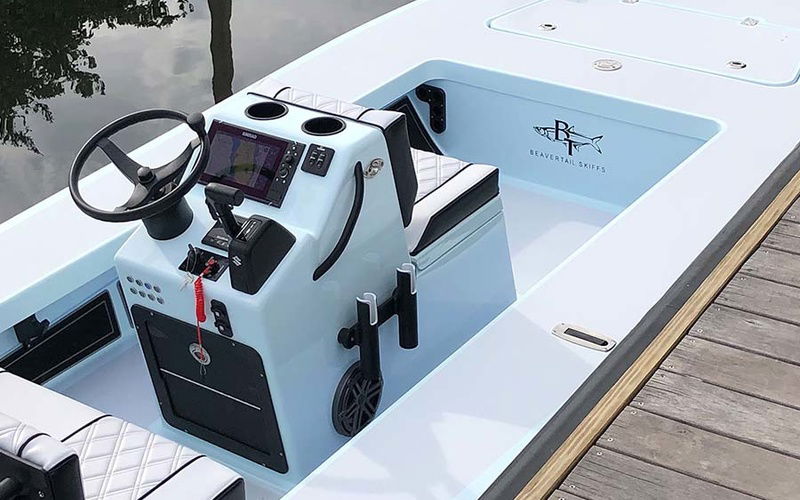


Images have been gathered from various sources and belong to their respective owners.
Review - Beavertail Strike 17

MarineBroker
09/19/2024, 7:19 AM
2015 Beavertail Strike 17: What to Know Before Buying, Fishing, or Refitting This Flats Skiff
If you’ve been looking at the 2015 Beavertail Strike 17, you’re probably already familiar with the appeal of a compact, shallow-water skiff that’s built for real fishing, not just weekend daydreams. It’s the kind of boat that gets attention from anglers who want to quietly work skinny water, chase redfish and trout, and still have a platform that’s simple enough to own without a lot of drama.
But here’s the common problem: once people start shopping for a used 17-foot flats boat, they quickly realize that condition matters just as much as the model name. A boat like the 2015 Beavertail Strike 17 can be a great find, but only if you know what to check, what kind of performance to expect, and how to make sure it fits the way you fish. Otherwise, a “great deal” can turn into a long list of repairs, setup issues, and buyer’s regret.
The good news is that this boat can be a very practical solution if you understand its strengths, limitations, and the key things to inspect before you commit. Whether you’re buying one, comparing it to similar skiffs, or figuring out how to dial it in, a little knowledge goes a long way.
- What Makes the 2015 Beavertail Strike 17 Worth a Look?
The 2015 Beavertail Strike 17 sits in a sweet spot for anglers who want a true flats boat without jumping into a larger, more expensive setup. At 17 feet, it’s small enough to trailer easily, launch in tight places, and run shallow water with confidence, but still big enough to handle a serious fishing day.
That balance is a big reason this model gets so much attention. Many buyers want a boat that can:
- Pole or drift quietly in skinny water
- Fish two anglers comfortably
- Keep operating costs manageable
- Fit in a standard garage or smaller storage space
- Be easy to tow with a midsize truck or SUV
For the right person, that’s a strong combination. The real value of the Strike 17 is not just that it’s compact. It’s that it’s built around the kind of fishing most inshore anglers actually do.
- The Main Problem Buyers Face With Used Flats Boats
The biggest issue with shopping for a used boat like the 2015 Beavertail Strike 17 is not the brand or the size. It’s uncertainty.
A flats skiff may look clean in photos, but hidden wear can show up in the hull, deck, wiring, steering, jack plate, trolling motor, or trailer. Because these boats are often used hard in saltwater, small problems can add up fast.
Common buyer concerns include:
- Soft spots in the deck or transom
- Corrosion from saltwater exposure
- Motor maintenance history
- Weak batteries or messy wiring
- Trailer rust or worn bearings
- Poor setup that hurts shallow-water performance
The solution is not to avoid the boat. It’s to evaluate it like a working fishing tool, not just a pretty hull. That means knowing where the weak points usually are and how the boat should feel on the water.
- What the 2015 Beavertail Strike 17 Is Best At
The Strike 17 is designed for inshore anglers who value shallow draft, maneuverability, and simplicity. It is especially appealing for fishing grass flats, mangroves, back bays, and protected coastal waters.
Here’s where this style of boat usually shines:
- Quiet approaches in skinny water
- Easy trailering and launching
- Efficient fuel use compared with larger bay boats
- Simple operation for solo anglers
- Good platform for sight fishing
If your fishing style revolves around getting close to the fish without making a lot of noise, this boat makes sense. It’s not trying to be a big offshore machine. It’s trying to be a focused, practical flats skiff.
That focus is part of the appeal.
- 2015 Beavertail Strike 17: Key Things to Check Before Buying
If you’re considering a used 2015 Beavertail Strike 17, inspection matters more than hype. A clean-looking boat can still hide issues that affect safety, performance, and resale value.
Here’s a smart checklist.
- Hull and Deck Condition
Start with the hull. Look for:
- Cracks around stress points
- Repairs that don’t match the original finish
- Dents, gouges, or signs of grounding
- Soft or spongy deck areas
- Loose hardware or lifted sealant
Walk the deck and pay attention to how it feels underfoot. A soft spot can mean water intrusion or structural damage. That’s a red flag worth taking seriously.
- Transom Integrity
The transom is one of the most important parts of any fishing boat. If it’s weak, the whole boat becomes a headache.
Check for:
- Flexing when the motor is tilted or trimmed
- Cracks near mounting bolts
- Water intrusion around hardware
- Signs of old repairs
If you’re unsure, a marine survey or professional inspection is money well spent.
- Wiring and Electrical Systems
Used fishing boats often have electrical “creativity” from previous owners. That can mean extra accessories, but it can also mean poor wiring.
Look for:
- Clean battery connections
- Properly fused circuits
- Non-corroded terminals
- Working lights, pumps, and accessories
- Tidy cable routing
Bad wiring is one of the most annoying and expensive small-boat problems because it causes random failures that are hard to trace.
- Motor Maintenance History
The outboard is a huge part of the boat’s value. Ask for service records if possible.
You want to know:
- When the last impeller was replaced
- Whether the lower unit has been serviced
- If the engine starts cold and idles smoothly
- Whether it shifts cleanly
- If there are warning alarms or fault codes
Even a good hull can become a bad purchase if the motor is neglected.
- Trailer Condition
A lot of buyers focus on the boat and forget the trailer. That’s a mistake.
Check:
- Rust on the frame and bunks
- Tire age and tread
- Bearing condition
- Lights and wiring
- Winch strap and jack
A neglected trailer can turn every launch into a chore. It also affects safety on the road.
- How the 2015 Beavertail Strike 17 Should Perform
Performance depends on the exact setup, but the general goal of a boat like the 2015 Beavertail Strike 17 is shallow-water efficiency and easy handling.
A well-set-up flats skiff should:
- Get on plane without struggle
- Run efficiently at moderate speeds
- Feel stable when poling or casting
- Turn predictably
- Draft little enough to work skinny water
If the boat feels sluggish, takes forever to plane, or porpoises badly, the setup may need adjustment. That could involve prop selection, engine height, load distribution, or jack plate tuning.
This is where many owners get better results after purchase. The boat may already be good, but not yet dialed in.
- Common Setup Issues and How to Fix Them
A used skiff often needs a little tuning to perform its best. The good news is that many issues are fixable without major expense.
- Weight Distribution Problems
If gear is loaded too far aft, the boat may sit low in the stern and struggle to plane. If weight is too far forward, the ride can feel awkward in chop.
Try to:
- Keep heavy batteries balanced properly
- Store tackle and gear evenly
- Avoid overloading the stern with extra equipment
A balanced boat is usually a better-riding boat.
- Propeller Mismatch
Prop choice can make a huge difference in how a flats boat behaves.
Signs of a mismatch include:
- Poor hole shot
- Over-revving
- Weak top-end speed
- Excessive ventilation in turns
If the boat seems close but not quite right, prop testing can help a lot. Many owners are surprised how much improvement comes from the right prop.
- Motor Height and Jack Plate Setup
For shallow-water boats, engine height matters. Too low and you lose efficiency. Too high and you may lose bite or cooling consistency.
A proper setup should:
- Improve shallow-water access
- Keep the engine running safely
- Reduce drag
- Help the boat plane efficiently
This is one reason flats boats are often best when tuned by someone who understands inshore performance.
- Best Uses for the 2015 Beavertail Strike 17
This boat is not trying to be everything to everyone. It’s best when used for what it was built to do.
Ideal uses include:
- Inshore fishing
- Sight fishing on flats
- Backwater exploration
- Solo or two-person trips
- Light tackle fishing in protected waters
If your fishing is mostly in skinny water and calm to moderate conditions, the Strike 17 makes a lot of sense. If you regularly run rough open water, you may want a larger platform.
- Who This Boat Fits Best
The 2015 Beavertail Strike 17 is a good match for anglers who want a practical, specialized skiff rather than a big all-purpose boat.
It tends to fit:
- Redfish and trout anglers
- Solo fishermen
- Small fishing families
- Buyers who want lower ownership costs
- People with limited storage space
- Anglers who value shallow draft over cabin comfort
It may not be the best choice if you want lots of seating, big livewell capacity, or offshore versatility. But for focused inshore work, it can be a very smart setup.
- How to Make a Used 2015 Beavertail Strike 17 a Better Boat
If you buy one, a few upgrades can make a big difference without overcomplicating things.
Consider improvements like:
- Fresh batteries
- Upgraded trolling motor
- Reliable onboard charging
- Better GPS/fishfinder combo
- New trailer tires and bearings
- Clean wiring and switch panels
- Proper seat and storage organization
A simple, well-maintained skiff often performs better than a heavily modified one with too many add-ons.
The goal is not to pile on gear. The goal is to make the boat easier to use and more dependable.
- Buying Tips That Save Time and Money
If you’re shopping for a 2015 Beavertail Strike 17, patience pays off.
Use these tips:
1. Compare several boats, not just one.
2. Ask for maintenance records and service receipts.
3. Inspect the boat in daylight, not just through photos.
4. Test everything on the water if possible.
5. Don’t ignore trailer condition.
6. Budget for immediate fixes after purchase.
A clean title and a shiny hull are nice, but they don’t tell the whole story. The best purchase is usually the boat that has been cared for consistently.
- Why This Boat Still Gets Attention
A boat like the 2015 Beavertail Strike 17 stays relevant because it solves a real problem: how to fish shallow water efficiently without taking on the size, cost, and complexity of a larger bay boat.
That’s a big deal for anglers who want:
- Easier storage
- Lower fuel use
- Simple maintenance
- Better access to skinny water
- A trailerable fishing platform
In other words, it’s not just about the boat itself. It’s about the kind of fishing freedom it offers when it’s in good condition and properly set up.
- Conclusion
The 2015 Beavertail Strike 17 can be a smart choice for anglers who want a compact, capable flats skiff for inshore fishing. The key is understanding what to inspect, how the boat should perform, and where setup issues usually show up. If you focus on hull condition, motor history, wiring, trailer quality, and proper weight balance, you’ll be in a much better position to buy wisely and enjoy the boat more.
For the right owner, this model offers a practical mix of shallow-water performance, easy trailering, and simple day-to-day use. If you’re still comparing options, take your time, inspect carefully, and gather as much maintenance history as you can before making a move.
Specifications
General
Boat Type: Power Boats
Class Type: Centre Console
Specifications
Length: 17.49
Beam: 6.07
Draft: 0.49
Hull Material: GRP
Build
First Built: 2015
Propulsion
Fuel Type: Unleaded
Engines: 1
Power: 60 HP
Brand: Unknown
Accomodation
PROS & CONS
What we appreciated
 Compact and easy to trailerGood for shallow waters due to shallow draftDurable aluminum constructionVersatile for fishing and recreational useRelatively affordable price point
What we didn’t appreciate
 Limited cabin or storage spaceBasic onboard amenitiesLess suitable for rough watersLower horsepower limits speed potentialCan be cramped for multiple passengers
Upkeep Costs
Fuel: Approximately $500 - $1,000 per season depending on usage
Maintenance and Repairs: Around $300 - $700 annually
Insurance: Typically $200 - $400 per year
Storage: Between $300 - $800 per year depending on location
Registration and Licensing: Approximately $50 - $150 per year

Rating
5.5
User
Score
Score
Driveability
Technology
Interior
Design
Similar Boats


MarineBroker
Download now for an immersive boat experience like never before! ⛵✨ Your journey begins with a simple click. 🌊📲
#SetSailSmart #DownloadNow
#SetSailSmart #DownloadNow

Subscribe
Copyright 2017 - 2026, Marinebroker.net, All Rights Reserved