Boat Database » Anastassiades & Tsortanides Asteria
Anastassiades & Tsortanides Asteria
Inboard Direct-Drive, Diesel, 1x 1851 HP
Power Boats 1970 Anastassiades & Tsortanides Asteria: How to Understand, Restore, and Enjoy a Classic Greek Powerboat
If you’ve been searching for information on the 1970 Anastassiades & Tsortanides Asteria, you’re probably already aware tha...
Discover
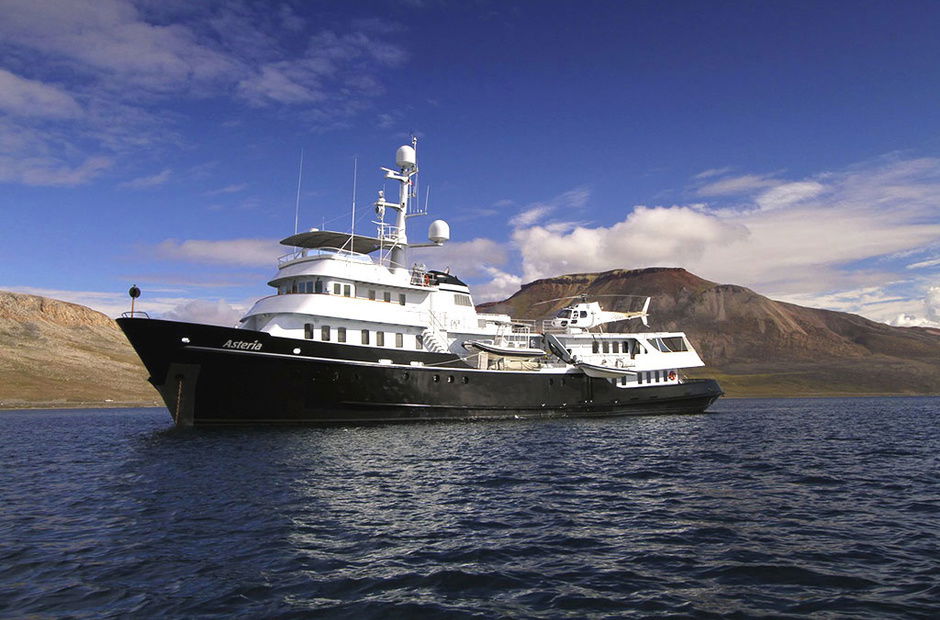
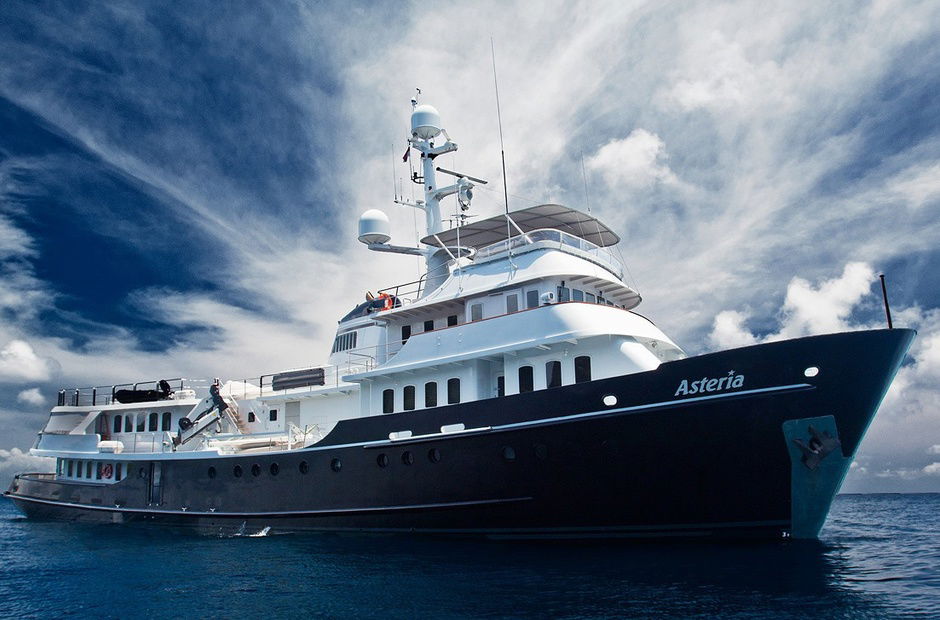
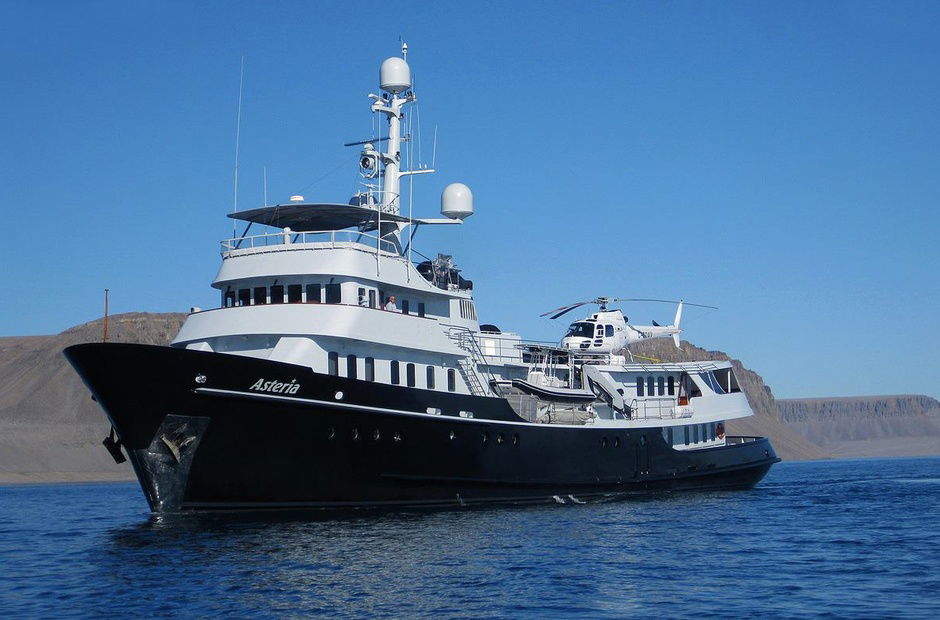
Images have been gathered from various sources and belong to their respective owners.
Review - Anastassiades & Tsortanides Asteria

MarineBroker
03/14/2024, 1:03 PM
1970 Anastassiades & Tsortanides Asteria: How to Understand, Restore, and Enjoy a Classic Greek Powerboat
If you’ve been searching for information on the 1970 Anastassiades & Tsortanides Asteria, you’re probably already aware that boats like this are more than just old fiberglass hulls. They’re pieces of maritime history. But that also creates a common challenge: how do you tell whether one is a smart restoration project, a worthy collector’s boat, or simply a beautiful classic that needs too much work?
That’s the real problem many enthusiasts face. Classic boats can look stunning in photos, but age, hidden wear, outdated systems, and missing documentation can quickly turn excitement into uncertainty. The good news is that with the right approach, you can evaluate an Asteria properly, understand what makes it special, and decide how to care for one without getting overwhelmed.
In this guide, we’ll break down the history, key features, buying considerations, restoration priorities, and maintenance basics for the 1970 Anastassiades & Tsortanides Asteria. Whether you’re researching a possible purchase or simply want to appreciate this classic Greek boat more deeply, this article will help you make smarter decisions and avoid common mistakes.
- What Makes the 1970 Anastassiades & Tsortanides Asteria Special
The 1970 Anastassiades & Tsortanides Asteria comes from an era when boatbuilding was evolving fast. Fiberglass construction was becoming more common, but many builders still relied on craftsmanship that reflected traditional wooden-boat sensibilities.
That combination is part of the appeal. The Asteria represents a period when design was practical, elegant, and built around real use on the water rather than just modern styling trends.
For enthusiasts, the boat stands out for a few reasons:
- It reflects a distinctive Greek boatbuilding heritage
- It often features clean, classic lines that age well
- It appeals to collectors who value rare regional models
- It offers a more personal, hands-on ownership experience than many mass-produced boats
If you’re interested in classic cruisers or traditional Mediterranean styling, the Asteria has a lot going for it. But like many vintage boats, its value depends heavily on condition, originality, and maintenance history.
- Understanding the Main Problem: Age, Condition, and Missing Information
One of the biggest challenges with a boat like the 1970 Anastassiades & Tsortanides Asteria is that information can be limited. Unlike modern production boats, you may not find a full spec sheet, detailed factory archives, or easy-to-access parts catalogs.
That creates a few common issues:
- It can be hard to confirm original equipment
- Previous repairs may not have been documented
- Structural issues may be hidden beneath cosmetic updates
- Replacement parts may need to be custom-made
- Insurance or registration may require extra paperwork
In other words, the problem is not just finding the boat. It’s understanding what you’re really looking at.
A classic boat can appear solid on the surface while still having problems in the hull, deck, engine, wiring, or steering system. That’s why the smartest approach is not to fall in love too quickly. Instead, evaluate the boat methodically and focus on the areas that matter most.
- How to Evaluate a 1970 Anastassiades & Tsortanides Asteria Before Buying
If you’re considering buying one, start with a practical inspection mindset. The goal is to separate authentic character from expensive surprises.
Here’s what to look at first:
- Hull condition
Check for cracks, soft spots, signs of previous repairs, and any evidence of water intrusion. Older fiberglass boats can develop osmosis, blistering, or structural fatigue over time.
- Deck and cabin structure
Walk every accessible area. Flexing underfoot, discoloration, or dampness may indicate hidden rot or delamination.
- Engine and propulsion
Determine whether the engine is original, replaced, or rebuilt. An old engine can still be usable, but parts availability and service history matter a lot.
- Electrical system
Many older boats have outdated wiring that no longer meets current safety expectations. Corrosion, brittle insulation, and improvised repairs are common warning signs.
- Steering and controls
Cable wear, stiffness, or poor response should not be ignored. These systems are essential for safe handling.
- Documentation
Ask for registration papers, ownership records, survey reports, and any maintenance logs. Even partial records are helpful.
A professional marine survey is strongly recommended. For a classic boat, that inspection can save you from buying a project that costs far more than expected.
- Why Classic Boat Condition Matters More Than Cosmetics
It’s easy to get distracted by a fresh paint job, polished gelcoat, or upgraded upholstery. But in classic boat ownership, the visible layer is not the whole story.
A beautiful exterior can hide serious issues underneath. That’s especially true with older boats that have been repainted or refreshed for resale.
Before focusing on style, check the fundamentals:
- Is the hull sound?
- Are the stringers and transom solid?
- Is moisture trapped anywhere?
- Are the engine mounts secure?
- Has the boat been stored properly?
A classic boat in average cosmetic condition but strong structural health is usually a better buy than a flashy boat with unknown repairs. This is one of the most important lessons for anyone interested in the 1970 Anastassiades & Tsortanides Asteria.
- Restoration Priorities for the 1970 Anastassiades & Tsortanides Asteria
If you already own one, or you’re planning to restore one, the key is to work in the right order. Many owners make the mistake of starting with upholstery or paint before addressing safety and structure.
A smarter restoration sequence looks like this:
1. Structural integrity first
Repair any hull, deck, or transom issues before anything else.
2. Mechanical reliability
Rebuild or service the engine, fuel system, cooling system, and propulsion components.
3. Electrical safety
Replace aging wiring, corroded connectors, and outdated panels.
4. Steering and controls
Make sure the boat responds predictably and safely.
5. Cosmetic finishing
Only after the boat is mechanically and structurally sound should you move to trim, paint, and interior details.
This approach saves time and money because it prevents repeated work. There’s no point installing new upholstery if a leaking deck is going to ruin it later.
- Common Restoration Challenges on Older Greek Classic Boats
The 1970 Anastassiades & Tsortanides Asteria may present some of the same issues found on other vintage Mediterranean boats. These are not necessarily deal-breakers, but they do require planning.
Common challenges include:
- Corrosion in metal fittings and fasteners
- Water damage in hidden wooden components
- Aging fuel tanks or contaminated fuel lines
- Non-original engine swaps with unclear service records
- Previous repairs using mismatched materials
- Difficulty sourcing period-correct hardware
The solution is usually a mix of patience, documentation, and practical decision-making. Not every part needs to be original to make the boat enjoyable. In many cases, reliability and safety matter more than strict authenticity.
That said, if the goal is collector value, you’ll want to preserve as much original character as possible while still upgrading essential systems discreetly.
- How to Balance Authenticity and Usability
This is where many classic boat owners get stuck. Should you restore the boat exactly as it was in 1970, or modernize it for easier use?
The best answer is usually somewhere in the middle.
A good rule of thumb:
- Keep visible original features when possible
- Upgrade hidden systems for safety and reliability
- Use reversible modifications where you can
- Document every change carefully
For example, you might preserve the boat’s classic helm layout and exterior profile while installing modern navigation lights, updated wiring, and a more efficient bilge pump. That way, the boat keeps its character without sacrificing practicality.
This balanced approach is especially useful for a boat like the 1970 Anastassiades & Tsortanides Asteria, where rarity and charm are part of the appeal.
- Maintenance Tips to Keep a Classic Boat in Good Shape
Once restored or purchased, ongoing care becomes the real key to long-term enjoyment. Classic boats need more attention than newer models, but the effort pays off.
Here are the basics:
- Rinse thoroughly after each use, especially in saltwater
- Keep the bilge clean and dry
- Inspect seals, hoses, and clamps regularly
- Check for corrosion around fittings and electrical connections
- Store the boat under cover or with proper ventilation
- Run the engine periodically if the boat is not used often
- Monitor moisture levels in wooden and composite areas
Small habits make a big difference. A five-minute post-trip inspection can prevent expensive repairs later.
If the boat is stored for the off-season, prepare it properly:
- Drain or stabilize fuel
- Disconnect batteries or maintain them with a charger
- Protect upholstery and interior materials
- Cover ventilation points to reduce mold
- Inspect the hull before relaunching
- Finding Parts and Skilled Help
One of the most practical issues with the 1970 Anastassiades & Tsortanides Asteria is sourcing parts and finding technicians who understand older boats.
You may need to rely on:
- Marine salvage yards
- Custom fabrication shops
- Classic boat forums and owner communities
- Local shipwrights or fiberglass specialists
- Experienced marine electricians and mechanics
When original parts are unavailable, don’t panic. Many components can be repaired, reproduced, or replaced with modern equivalents if you choose carefully.
The important thing is to work with professionals who understand the difference between a temporary fix and a durable solution. On a classic boat, a cheap repair often becomes the most expensive option later.
- Is the 1970 Anastassiades & Tsortanides Asteria a Good Project Boat?
That depends on three things:
- Your budget
- Your skill level
- Your goals
It can be a great project boat if:
- The hull and structure are sound
- The boat has decent documentation
- You enjoy hands-on restoration
- You value character and history over convenience
It may not be a good project if:
- The boat has major structural damage
- There is no clear ownership or registration history
- The engine and systems are completely unknown
- You want a low-maintenance weekend cruiser right away
The best classic boat projects are the ones that match your expectations. If you want a rewarding restoration and are comfortable with some uncertainty, the Asteria can be an excellent candidate. If you want a turn-key vessel with minimal effort, you’ll need to be very selective.
- What Makes Ownership Rewarding
Classic boat ownership is not just about nostalgia. It’s about connection.
When you own a boat like the 1970 Anastassiades & Tsortanides Asteria, you’re preserving a piece of design history. You’re also participating in a tradition of craftsmanship that feels very different from modern mass-market boating.
Owners often describe the experience as more personal and satisfying because:
- The boat has a story
- Maintenance feels meaningful
- The styling stands out
- Every improvement adds real value
- The boat becomes a conversation piece
That sense of involvement is a big part of the appeal. You’re not just using a boat. You’re caring for one.
- Practical Buying Checklist for the 1970 Anastassiades & Tsortanides Asteria
Before making a decision, use a simple checklist:
- Confirm ownership and registration
- Inspect hull, deck, and transom carefully
- Test the engine or review service records
- Check electrical and fuel systems
- Look for hidden moisture or delamination
- Ask about storage history
- Verify what is original and what has been replaced
- Budget for immediate repairs, not just the purchase price
- Hire a marine surveyor if possible
This checklist helps you stay objective. It’s easy to be excited by a classic boat, but a structured evaluation protects both your wallet and your safety.
- Conclusion
The 1970 Anastassiades & Tsortanides Asteria is the kind of classic boat that rewards patience, curiosity, and careful ownership. Its appeal lies in its heritage, design character, and the hands-on experience it offers to enthusiasts who appreciate vintage craftsmanship.
The main challenge is not simply finding one, but understanding its true condition and deciding whether it fits your goals. By focusing on structure, systems, documentation, and realistic restoration priorities, you can avoid common mistakes and make a much better decision.
If you’re exploring this boat seriously, take your time, inspect thoroughly, and lean on expert help when needed. A classic boat is always more enjoyable when you know what you’re working with.
Specifications
General
Boat Type: Power Boats
Class Type: Mega Yacht
Specifications
Length: 160.76
Beam: 31.5
Draft: 16.4
Hull Material: Steel
Build
First Built: 1970
Propulsion
Fuel Type: Diesel
Engines: 1
Power: 1851 HP
Brand: Caterpillar
Accomodation
Cabins: 6
PROS & CONS
What we appreciated
 Classic and elegant design reflecting 1970s craftsmanshipSturdy construction with quality materials used in the eraSpacious deck layout suitable for leisure cruisingGood sailing performance for a vintage boatUnique collector’s item with historical value
What we didn’t appreciate
 Older equipment may require significant maintenance or replacementPossible outdated safety features compared to modern standardsLimited availability of original parts for repairsPotential for hull and rigging wear due to ageLess fuel-efficient and slower than contemporary designs
Upkeep Costs
Maintenance and Repairs: $1,000 - $3,000 per year
Storage and Mooring Fees: $500 - $2,000 per year
Insurance: $300 - $1,200 per year
Fuel: $200 - $800 per year (depending on usage)
Registration and Taxes: $100 - $300 per year
Rating
5.5
User
Score
Score
Driveability
Technology
Interior
Design
Similar Boats


MarineBroker
Download now for an immersive boat experience like never before! ⛵✨ Your journey begins with a simple click. 🌊📲
#SetSailSmart #DownloadNow
#SetSailSmart #DownloadNow

Subscribe
Copyright 2017 - 2026, Marinebroker.net, All Rights Reserved