2016 AMT 210 DC: What to Know Before Buying, Inspecting, and Owning This Dual Console Boat
If you’re looking at the 2016 AMT 210 DC, you’re probably trying to figure out whether it’s the right boat for your kind of boating. That’...
Discover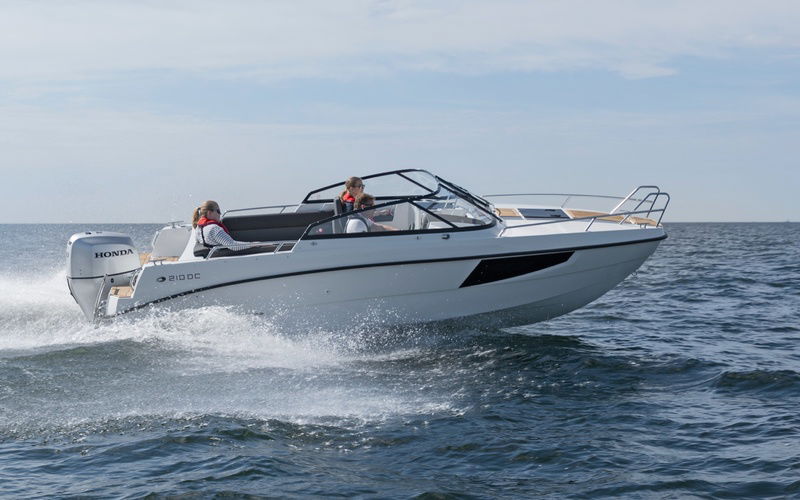
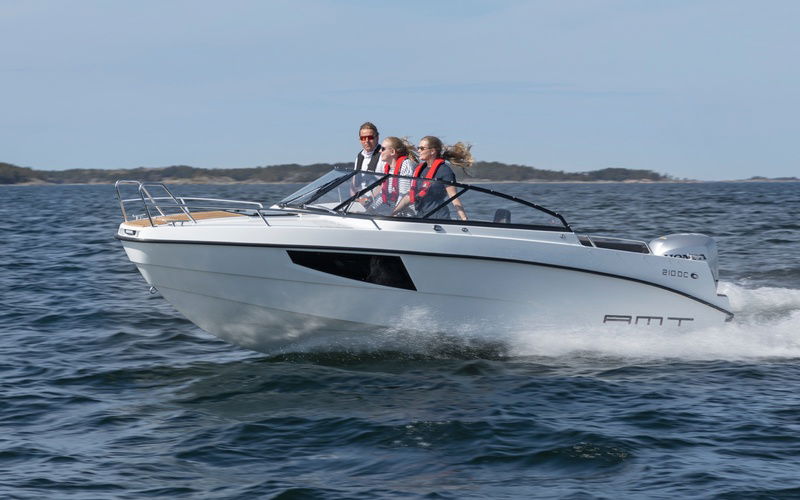

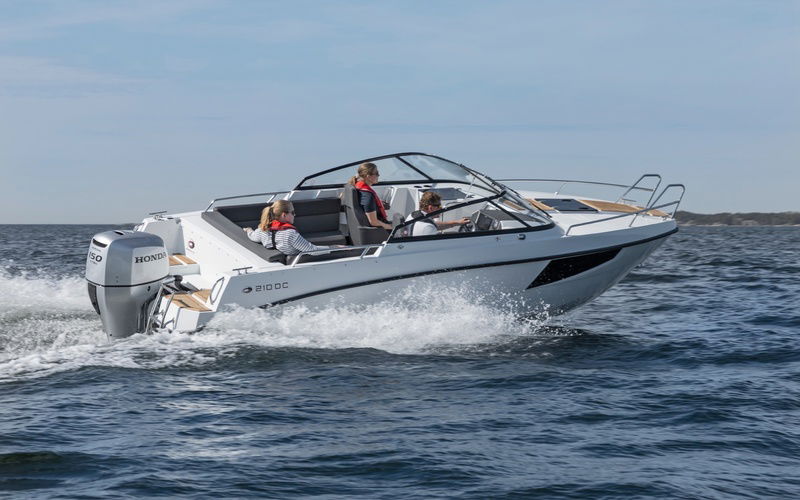
Images have been gathered from various sources and belong to their respective owners.
Review - AMT 210 DC

MarineBroker
01/17/2024, 11:17 AM
2016 AMT 210 DC: What to Know Before Buying, Inspecting, and Owning This Dual Console Boat
If you’re looking at the 2016 AMT 210 DC, you’re probably trying to figure out whether it’s the right boat for your kind of boating. That’s a smart place to start, because buying a used dual console isn’t just about liking the layout or the look. It’s about making sure the boat fits your water, your crew, and your expectations for comfort, performance, and upkeep.
The 2016 AMT 210 DC is the kind of boat that appeals to a lot of people for good reason. It offers a versatile design, family-friendly seating, and the flexibility to handle everything from relaxed cruising to light fishing and day trips. But like any used boat, the real challenge is separating the appealing features from the practical realities. How does it handle? What should you inspect? What problems tend to show up with boats in this class?
That’s where this guide comes in. We’ll break down what makes the 2016 AMT 210 DC worth considering, what common issues to watch for, and how to evaluate whether it’s the right fit for you. If you’re shopping, comparing, or just learning, this article will help you make a more confident decision.
- What Makes the 2016 AMT 210 DC a Popular Choice
The 2016 AMT 210 DC sits in a sweet spot for boaters who want a versatile, easy-to-use family boat without moving into a much larger or more demanding platform. Dual console boats are popular because they balance comfort and utility. You get protection from wind and spray, room for passengers, and enough open space to enjoy casual watersports or fishing.
For many buyers, that balance is the main attraction. You don’t have to commit to a pure fishing boat or a purely recreational bowrider. A dual console gives you a bit of both.
Here’s why boats like the 2016 AMT 210 DC stand out:
- Family-friendly seating and layout
- Good visibility from the helm
- Easy boarding and movement around the cockpit
- Useful for cruising, tubing, and light angling
- More versatility than a single-purpose boat
If you’re shopping for a boat that can handle weekend fun with a mixed group of passengers, this kind of layout makes a lot of sense. It’s especially appealing if you want something approachable rather than overly specialized.
- The Main Problem Buyers Face With the 2016 AMT 210 DC
The biggest issue most shoppers run into isn’t the boat itself. It’s uncertainty.
With a used 2016 AMT 210 DC, you may not know how hard it was used, how well it was maintained, or whether hidden wear is waiting to surprise you after purchase. That creates a common problem: the boat looks good on the surface, but you’re not sure whether it’s mechanically sound or if it will become a money pit.
That’s especially true with boats in the 20- to 21-foot range, because they often get used frequently. Family boats tend to see a lot of loading, boarding, trailering, and general wear. If maintenance was skipped, small issues can build up quickly.
Typical concerns include:
- Engine maintenance gaps
- Corrosion on hardware or electrical components
- Upholstery wear from sun exposure
- Stress cracks in high-use areas
- Trailer wear or brake issues
- Water intrusion in decking or storage compartments
The good news is that most of these problems are manageable if you know what to look for before buying.
- How to Evaluate a 2016 AMT 210 DC the Right Way
A smart inspection process is the real solution. Instead of relying on photos or a quick dockside look, you want to assess the boat in layers: structure, mechanical systems, cosmetics, and paperwork.
Start with the big picture. Ask yourself whether the boat has been stored indoors or outdoors, whether it was used in freshwater or saltwater, and whether service records are available. Those details tell you a lot before you even step aboard.
A solid evaluation should include:
- A full engine inspection
- Compression or diagnostic testing if possible
- Hull and deck inspection
- Electrical system check
- Upholstery and canvas review
- Trailer inspection
- Sea trial on the water
If the seller can’t provide maintenance history, that doesn’t automatically mean the boat is bad. But it does mean you should be more cautious and inspect more carefully.
- 2016 AMT 210 DC: What to Check on the Hull and Deck
The hull and deck are the foundation of the boat, so don’t rush this part. On a used dual console, you want to look for signs of impact, repairs, soft spots, and moisture intrusion.
Walk the deck slowly and pay attention to how it feels underfoot. A spongy or flexing area can suggest water damage or structural issues beneath the surface. Check around cleats, hinges, storage hatches, and any fittings that see repeated stress.
Look for:
- Hairline cracks around fittings
- Delamination or bubbling in fiberglass surfaces
- Soft spots in the floor
- Evidence of patchwork repairs
- Discoloration that may indicate water intrusion
Also inspect the bilge area. A clean bilge is a good sign, but don’t stop there. Look for corrosion, old oil residue, loose wiring, or standing water. Even a boat that appears clean can hide drainage or sealing problems.
- Engine and Mechanical Systems Matter More Than the Cosmetics
A shiny boat can still be a headache if the engine and mechanical systems are neglected. For the 2016 AMT 210 DC, this is where you want to be especially careful.
Depending on the setup, the boat may be powered by an outboard or another marine engine configuration, and the exact inspection points will vary. Either way, you want to know how it starts, idles, accelerates, and runs under load.
Key things to inspect:
- Easy cold start
- Smooth idle
- No unusual knocking or rattling
- Clean shifting into gear
- Strong throttle response
- Proper cooling system operation
- No warning lights or alarms
If possible, take the boat on a sea trial. That’s where hidden issues often show up. A boat may idle fine at the dock but stumble under acceleration or overheat after a short run.
A quick checklist for the sea trial:
1. Start the engine cold.
2. Watch for smoke, rough idle, or hesitation.
3. Test steering responsiveness.
4. Run at cruising speed for a while.
5. Check temperature and gauges.
6. Listen for vibration or mechanical noise.
7. Test trim and trim tabs if equipped.
If anything feels off, don’t ignore it. Even small symptoms can point to larger repair costs later.
- Common Wear Points on a 2016 AMT 210 DC
Used dual console boats often show wear in the same places because people use them in similar ways. The 2016 AMT 210 DC is no exception.
The most common wear points include:
- Seat cushions and stitching
- Helm controls and gauges
- Cup holders and grab handles
- Bow seating areas
- Storage hatch hinges and latches
- Swim platform and ladder hardware
- Windshield frames and seals
Sun damage is one of the biggest cosmetic issues on boats in this class. Upholstery can fade, crack, or become brittle if the boat spent a lot of time uncovered. That doesn’t always affect function, but it does affect value and future maintenance costs.
Hardware corrosion is another area to watch. Even in freshwater, repeated wet-dry cycles can cause metal fittings to deteriorate. In saltwater, that process happens faster, so inspect every visible fastener carefully.
- Why Maintenance History Is So Important
A 2016 AMT 210 DC can still be a great boat if it has been cared for properly. Maintenance history tells you whether the boat has been treated like a long-term investment or just used until something breaks.
Look for records showing:
- Regular oil and filter changes
- Lower unit service
- Fuel system maintenance
- Battery replacement
- Impeller changes
- Winterization or storage prep
- Trailer service
The more complete the records, the better. They don’t just prove care; they also help you predict future maintenance. A boat that has been serviced on schedule is less likely to surprise you with major repairs right away.
If records are missing, ask direct questions:
- When was the last engine service?
- Has the boat ever been repowered?
- Were any electrical issues repaired?
- Has the trailer been serviced recently?
- Was the boat stored indoors or outdoors?
Clear answers are a good sign. Vague answers usually aren’t.
- How the 2016 AMT 210 DC Fits Different Boating Styles
One reason people like the 2016 AMT 210 DC is its flexibility. It works for more than one type of boater, which makes it a practical choice if your needs change from weekend to weekend.
It can make sense for:
- Families who want comfortable cruising
- Couples who want a manageable day boat
- Owners who like light fishing and casual outings
- People who want a boat that’s easy to trailer
- Buyers moving up from a smaller runabout
That said, it’s important to be realistic about what you want from it. If your plan is offshore fishing in rough conditions or heavy-duty watersports with a large group, a 21-foot dual console may feel limited. But for lakes, bays, and calm coastal waters, it can be a very capable setup.
Think of it as a flexible middle ground rather than a specialized machine.
- Practical Buying Tips for the 2016 AMT 210 DC
If you’re serious about buying one, the smartest move is to slow down and inspect carefully. A good-looking boat can still have hidden issues, and a patient buyer usually ends up happier.
Here are some practical tips:
- Compare several listings before deciding
- Ask for service records and recent photos
- Inspect the boat in daylight if possible
- Test every switch, light, and pump
- Check the trailer as carefully as the boat
- Budget for immediate maintenance after purchase
That last point matters a lot. Even a well-kept used boat often needs a few things right away, like fresh fluids, new batteries, updated safety gear, or minor cosmetic repairs.
A good rule of thumb is to leave room in your budget for:
- Initial servicing
- Registration and insurance
- Safety equipment
- Unplanned repairs
- Trailer maintenance
That way, the boat doesn’t become stressful right after you buy it.
- How to Avoid Overpaying for a Used Boat
Price alone can be misleading. A lower asking price on a 2016 AMT 210 DC may look attractive, but if it needs engine work or major upholstery replacement, the real cost can climb fast.
To avoid overpaying, compare the boat against similar models based on:
- Engine hours
- Maintenance records
- Trailer condition
- Cosmetic condition
- Included accessories
- Storage history
- Regional market demand
A clean, well-maintained boat with good records is often worth more than a cheaper one with unknown history. The key is to calculate total ownership cost, not just purchase price.
If you’re unsure, hiring a marine surveyor or mechanic for a pre-purchase inspection is money well spent. That small upfront cost can save you from a very expensive mistake.
- The Best Solution: Buy With Inspection, Not Emotion
The real solution to the problem of buying a used 2016 AMT 210 DC is simple: make the decision with information, not excitement.
It’s easy to get drawn in by the layout, the condition in photos, or the idea of getting on the water quickly. But a used boat should be treated like a system, not just a product. Every part matters, from the hull to the engine to the trailer.
If the boat checks out structurally, runs well, and has a reasonable maintenance history, it can be a very solid choice for the right buyer. If not, it’s better to walk away and keep looking.
That approach gives you the best chance of finding a boat that actually delivers the fun and flexibility you want without turning into a long list of repairs.
- Conclusion
The 2016 AMT 210 DC is appealing because it offers a versatile dual console layout that works well for cruising, family outings, and light recreational use. But like any used boat, the key is knowing what to inspect and what problems are most likely to show up over time.
If you focus on maintenance history, mechanical condition, hull integrity, and overall wear, you’ll be in a much better position to make a smart purchase. The right boat should feel like a good fit on the water and in your budget. Take your time, ask the right questions, and don’t skip the inspection. If you want to keep learning, it’s worth comparing similar dual console boats and reviewing pre-purchase inspection checklists before making your final decision.
Specifications
General
Boat Type: Power Boats
Class Type: Cuddy Cabin
Specifications
Length: 20.67
Beam: 7.87
Draft: 1.97
Hull Material: GRP
Build
First Built: 2016
Propulsion
Fuel Type: Unleaded
Engines: 1
Power: 200 HP
Brand: Honda
Accomodation
PROS & CONS
What we appreciated
 Spacious dual console layout suitable for family outings and fishingHigh-quality build with durable materials and good finishEfficient hull design offering stable and smooth rideAmple storage compartments for gear and equipmentVersatile boat with options for fishing and water sports
What we didn’t appreciate
 Limited seating capacity compared to larger boatsRelatively modest engine power options may limit top speedMinimal cabin or shelter space for adverse weatherHigher price point compared to some competitors in the same categoryFuel efficiency can vary depending on load and conditions
Upkeep Costs
Fuel: Approximately $1,500 - $2,000 per year depending on usage
Maintenance and Repairs: Around $800 - $1,200 annually
Storage: $500 - $1,500 per year depending on location and type
Insurance: Typically $300 - $600 per year
Registration and Taxes: $100 - $300 per year depending on state
Rating
6.4
User
Score
Score
Driveability
Technology
Interior
Design
Similar Boats


MarineBroker
Download now for an immersive boat experience like never before! ⛵✨ Your journey begins with a simple click. 🌊📲
#SetSailSmart #DownloadNow
#SetSailSmart #DownloadNow

Subscribe
Copyright 2017 - 2026, Marinebroker.net, All Rights Reserved