2002 Amels Sarah: What Buyers and Enthusiasts Should Know Before Taking the Next Step
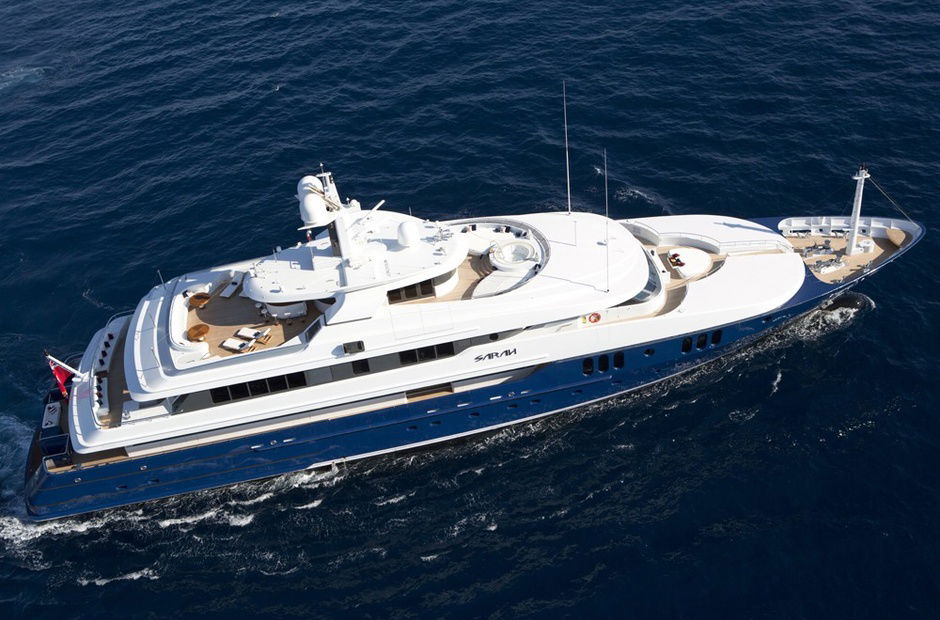
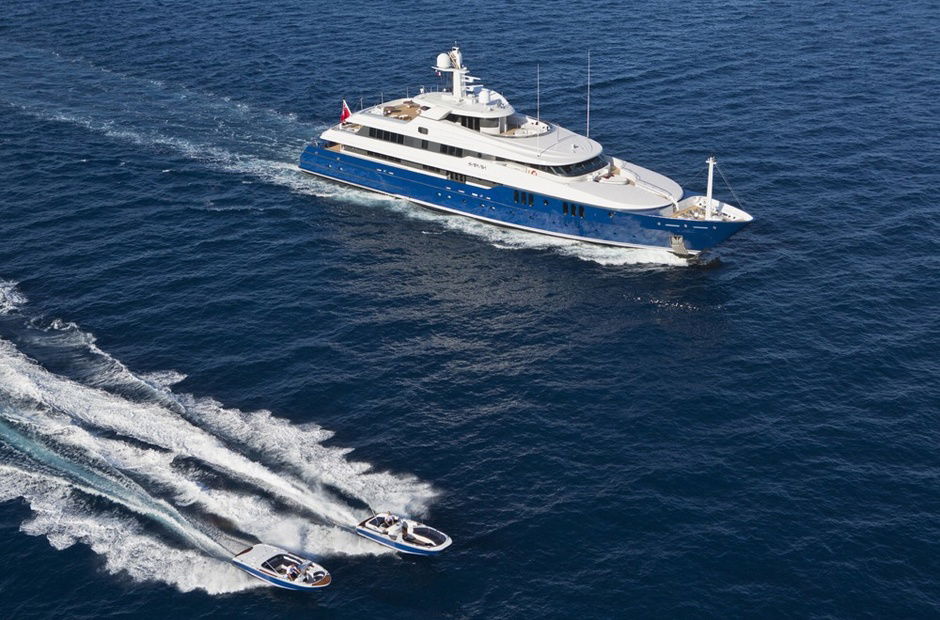
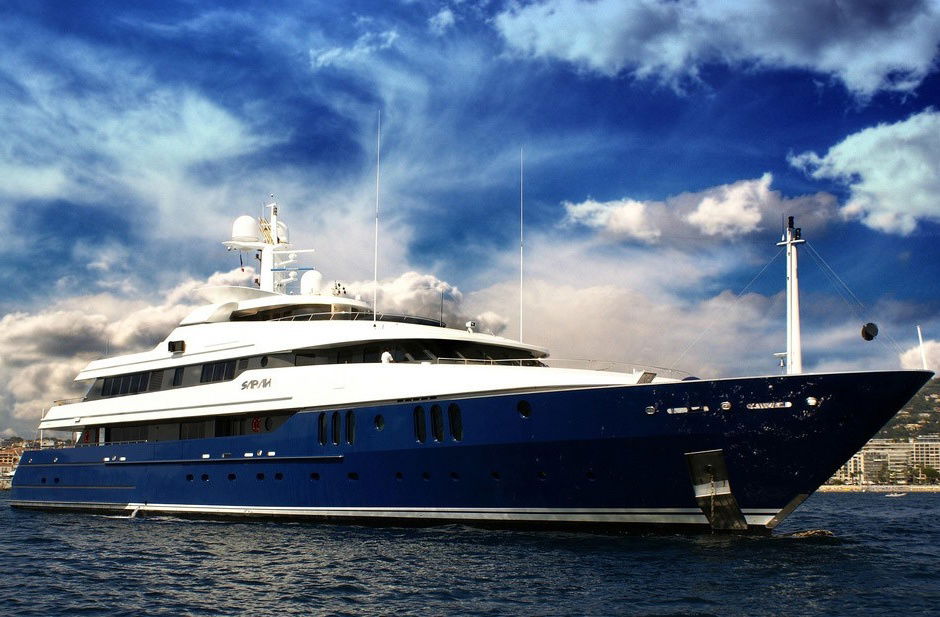
The 2002 Amels Sarah is the kind of yacht that turns heads for all the right reasons. With its pedigree, Dutch craftsmanship, and timeless supe...
Discover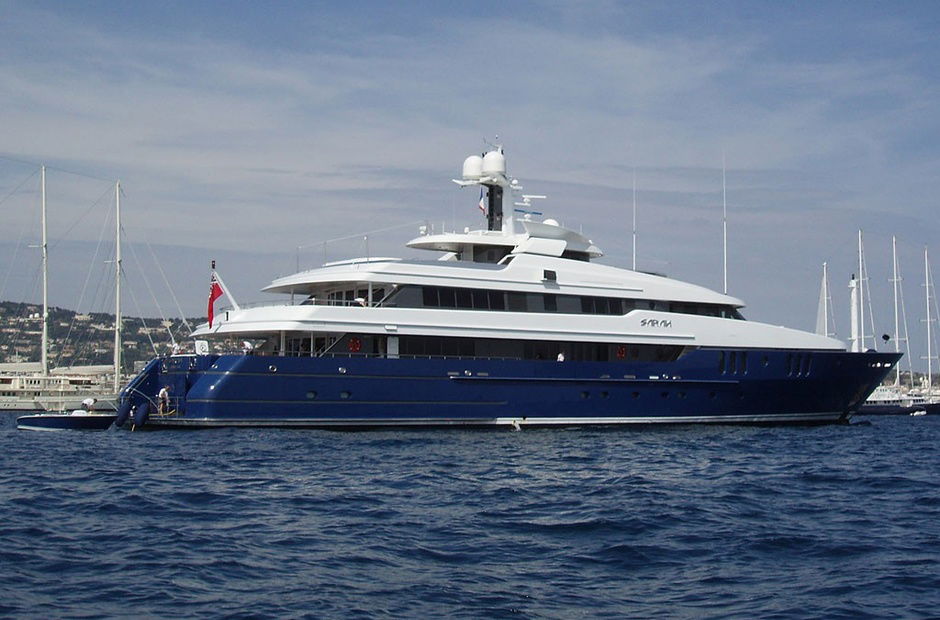
Images have been gathered from various sources and belong to their respective owners.
Review - Amels Sarah

MarineBroker
03/12/2024, 9:00 AM
2002 Amels Sarah: What Buyers and Enthusiasts Should Know Before Taking the Next Step
The 2002 Amels Sarah is the kind of yacht that turns heads for all the right reasons. With its pedigree, Dutch craftsmanship, and timeless superyacht styling, it naturally attracts people who appreciate serious offshore capability paired with luxury. But if you’re researching this yacht, there’s usually one big question in the background: how do you evaluate a vessel like this properly so you don’t miss hidden maintenance issues, ownership costs, or refit needs?
That’s the real challenge with a yacht of this caliber. Older superyachts can be outstanding value, but only if you understand what to look for. A beautiful exterior and a polished interior don’t always tell the whole story. Systems age, machinery needs attention, and even well-kept yachts can hide expensive surprises beneath the surface.
The good news is that with the right approach, you can assess the 2002 Amels Sarah confidently. By focusing on survey records, maintenance history, technical systems, and realistic operating costs, you can separate a smart opportunity from a costly mistake. In this article, we’ll walk through the key points to help you do exactly that.
- Why the 2002 Amels Sarah stands out
Amels has long been respected for building yachts that combine robust engineering with elegant design. A 2002 Amels yacht like Sarah typically reflects the brand’s emphasis on seaworthiness, long-range comfort, and quality construction.
For many enthusiasts, that makes it appealing for several reasons:
- Strong Dutch build quality
- Proven superyacht platform
- Comfortable layout for extended cruising
- A design language that still feels current
- Solid reputation in the brokerage and charter world
That said, age matters. A yacht built in 2002 is now in the “experienced” category, which means buyers and admirers should think beyond cosmetics. The true value lies in how the yacht has been maintained, upgraded, and operated over time.
- The main problem: why older superyachts can be tricky to assess
When people search for the 2002 Amels Sarah, they’re often trying to answer a practical question: is this yacht a good opportunity, or a maintenance headache waiting to happen?
That’s the core problem with any older luxury yacht. The bigger and more capable the vessel, the more systems need to work together smoothly. You’re not just looking at engines and paint. You’re also evaluating:
- Electrical systems
- Navigation equipment
- Stabilizers
- Plumbing and sanitation
- HVAC and climate control
- Tender handling gear
- Safety equipment
- Interior joinery and moisture issues
A yacht can look immaculate in listing photos and still require major investment soon after purchase. That’s why a structured evaluation is so important.
- What makes the 2002 Amels Sarah worth a closer look
A well-kept Amels from this era can offer a lot of yacht for the money compared with newer builds. In many cases, buyers are getting:
- A proven hull and engineering package
- Spacious accommodations
- Quality materials and craftsmanship
- A platform suited to private cruising or charter use
- A more mature ownership profile, often with documented upgrades
For the right buyer, that can be a smart balance of prestige and practicality. Instead of paying a premium for brand-new construction, you may find better value in a yacht that has already absorbed its steepest depreciation.
The key is making sure the vessel has been cared for properly. That’s where a disciplined inspection process comes in.
- Start with the maintenance history
If you want to understand the real condition of the 2002 Amels Sarah, maintenance records are your best friend.
Look for evidence of:
- Regular engine servicing
- Generator maintenance
- Hull inspections and paintwork records
- Stabilizer servicing
- Pump and valve replacements
- HVAC servicing
- Electrical upgrades
- Interior refits or soft-good replacements
A thick file of invoices and service logs is a very good sign. It shows the yacht has been treated like a serious asset, not just a floating status symbol.
If records are incomplete, that doesn’t automatically mean the yacht is a bad choice. But it does mean you should be more cautious and budget for a deeper survey.
- Pay close attention to the machinery space
On an older superyacht, the engine room often tells the truth before the rest of the vessel does.
When inspecting the 2002 Amels Sarah, look for:
- Cleanliness and organization
- Signs of corrosion or oil leaks
- Wiring neatness and labeling
- Hose condition and clamp quality
- Evidence of overheating
- Updated alarms and monitoring systems
- Accessibility for routine maintenance
A tidy engine room usually suggests a careful owner and crew. Messy cable runs, rust streaks, or improvised repairs can indicate deeper issues.
If you’re not technically inclined, bring in a marine surveyor or engineer who understands large yachts. It’s money well spent.
- Don’t underestimate the importance of the hull and superstructure
The hull and superstructure are the backbone of the yacht. Even when a vessel looks great from the dock, hidden issues can affect performance and long-term costs.
Focus on checking:
- Blistering or delamination
- Previous repair areas
- Paint condition and thickness
- Signs of impact damage
- Sealing around windows and fittings
- Moisture intrusion around deck hardware
A yacht like the 2002 Amels Sarah may have benefited from refits or repainting over the years. That can be a plus, but only if the work was done professionally.
Poorly executed cosmetic work can mask structural concerns. Always ask who completed the work, when it was done, and whether documentation is available.
- Interior condition matters more than style alone
A lot of buyers get distracted by the interior design, and fair enough — that’s part of the appeal. But with an older yacht, the real question is whether the interior is structurally sound and functionally updated.
Check for:
- Water stains near windows or overheads
- Soft spots in flooring
- Cabinet alignment issues
- Aging upholstery or fabrics
- Smells that could indicate moisture or mold
- Outdated entertainment and control systems
A tasteful interior refit can improve both comfort and resale appeal. However, if the yacht still has original finishes from 2002, expect to invest in refresh work sooner rather than later.
That doesn’t make the yacht undesirable. It just means you need a realistic budget.
- The hidden cost problem most buyers forget
One of the biggest mistakes people make with older superyachts is focusing only on purchase price.
The true cost of ownership includes:
- Crew salaries
- Fuel
- Dockage
- Insurance
- Routine maintenance
- Unplanned repairs
- Classification and compliance
- Refit reserves
A yacht like the 2002 Amels Sarah may look like a strong value on paper, but annual operating costs can still be significant. In many cases, buyers should plan for maintenance and upgrades at a level that feels closer to running a small business than owning a leisure asset.
A simple rule of thumb: if you’re considering an older luxury yacht, always reserve funds for unexpected work. Even a well-maintained vessel can surprise you with things like pump failures, electronics issues, or cosmetic refresh needs.
- How to solve the problem: use a layered evaluation method
The best way to assess the 2002 Amels Sarah is to use a layered approach. Don’t rely on one source of information.
Here’s a practical process:
1. Review the listing and specifications
Start with the yacht’s profile, layout, and stated equipment.
2. Check maintenance records
Confirm whether servicing has been consistent and documented.
3. Hire an independent surveyor
Use a professional who specializes in large yachts.
4. Inspect the machinery and technical systems
Focus on engines, generators, stabilizers, electrical, and HVAC.
5. Review refit history
Look for major upgrades that improve longevity and usability.
6. Budget realistically
Include survey findings, near-term maintenance, and operating costs.
This method helps you move from “looks good” to “actually makes sense.”
- Questions to ask before making a decision
If you’re seriously considering the 2002 Amels Sarah, here are some smart questions to ask the broker or current representative:
- What major refits has the yacht had since launch?
- When were the engines last serviced or overhauled?
- Are there recent survey reports available?
- Has the yacht been privately used or chartered?
- What equipment has been upgraded recently?
- Are there any known deferred maintenance items?
- What is the current annual operating budget?
These questions help you understand both condition and ownership history. A transparent answer is usually a good sign. Vague or incomplete answers should make you dig deeper.
- Why refit history can be a big advantage
A yacht from 2002 can still feel modern if the right upgrades have been done.
Common value-adding refits include:
- New navigation electronics
- Updated AV/IT systems
- Fresh exterior paint
- Modernized galley equipment
- New soft furnishings
- Overhauled stabilizers
- Improved lighting and controls
- Updated safety and compliance equipment
For a yacht like Sarah, a thoughtful refit can extend useful life and improve enjoyment dramatically. It can also reduce the amount of immediate work needed after purchase.
The best refits are the ones that improve both function and reliability, not just appearance.
- How to think about resale value
If you’re an enthusiast, you may be focused on ownership experience. But if you’re also thinking like an investor, resale matters.
Older Amels yachts tend to hold interest because of the brand’s reputation and the desirability of well-built large yachts. That said, resale value depends heavily on condition, maintenance, and presentation.
Yachts that usually sell better have:
- Clear service history
- Strong cosmetic condition
- Recent technical upgrades
- Sensible operating costs
- A layout that still appeals to modern buyers
If the 2002 Amels Sarah has been maintained with resale in mind, that’s a real advantage. If not, you may need to factor in additional improvements before the yacht becomes market-ready again.
- Best practices for viewing the yacht in person
A physical inspection can reveal things photos never show.
When viewing, bring attention to:
- Odors: musty smells can point to moisture
- Noise: excessive vibration may suggest mechanical wear
- Finish quality: mismatched surfaces may indicate repairs
- Temperature control: uneven cooling can reveal HVAC issues
- Door and drawer alignment: can hint at movement or humidity problems
Also, take your time. Walk through the yacht more than once if possible. A second pass often reveals details missed the first time.
If you’re not experienced, bring someone who is. A knowledgeable captain, surveyor, or engineer can save you from costly assumptions.
- Who the 2002 Amels Sarah may suit best
This yacht is likely to appeal to people who want more than a dayboat or a modern lightweight cruiser. It may suit:
- Experienced yacht owners
- Buyers looking for a proven superyacht platform
- Cruisers interested in comfort and range
- Enthusiasts who appreciate Dutch build quality
- Buyers open to refit and personalization
It may be less ideal for someone who wants a turn-key yacht with minimal ongoing involvement. Older superyachts reward owners who are prepared to stay on top of maintenance.
- A practical way to approach the opportunity
If you’re drawn to the 2002 Amels Sarah, the smartest move is to treat the yacht as a project with potential, not just a finished product.
That means:
- Understanding the yacht’s condition
- Reviewing all available records
- Budgeting for near-term work
- Prioritizing technical reliability
- Making decisions based on survey results, not just appearance
This approach reduces risk and helps you enjoy the yacht for what it is: a substantial, capable, and elegant vessel with real pedigree.
- Conclusion
The 2002 Amels Sarah is the kind of yacht that rewards careful attention. For enthusiasts, it offers the appeal of a respected builder, classic superyacht presence, and the potential for excellent value. But like any older luxury yacht, the real challenge is separating cosmetic appeal from true condition.
The best solution is a structured evaluation: review the maintenance history, inspect the machinery, verify refit work, and budget realistically for ownership. If those boxes check out, a yacht like Sarah can be a very rewarding choice. If you’re exploring this vessel further, take your time, ask the right questions, and lean on trusted marine professionals to guide the process.
Specifications
General
Boat Type: Power Boats
Class Type: Mega Yacht
Specifications
Length: 203.41
Beam: 38.71
Draft: 12.14
Hull Material: Steel
Build
First Built: 2002
Propulsion
Fuel Type: Diesel
Engines: 2
Power: 2502 HP
Brand: Caterpillar
Accomodation
Cabins: 9
PROS & CONS
What we appreciated
 Classic and elegant design by AmelsSolid build quality with durable materialsSpacious interior layout suitable for comfortable cruisingReliable mechanical systems given proper maintenanceGood resale value among vintage luxury yachts
What we didn’t appreciate
 Older model may require significant maintenance and upgradesFuel efficiency is lower compared to modern vesselsOutdated navigation and onboard technologyLimited availability of spare parts due to agePotentially higher operating costs due to older engine and systems
Upkeep Costs
Fuel: Approximately $20,000 - $40,000 per year depending on usage
Maintenance and Repairs: Around $50,000 - $100,000 annually
Crew Salaries: $150,000 - $300,000 per year depending on crew size
Insurance: $30,000 - $60,000 per year
Docking and Mooring Fees: $20,000 - $50,000 annually

Rating
8.0
User
Score
Score
Driveability
Technology
Interior
Design
Similar Boats


MarineBroker
Download now for an immersive boat experience like never before! ⛵✨ Your journey begins with a simple click. 🌊📲
#SetSailSmart #DownloadNow
#SetSailSmart #DownloadNow

Subscribe
Copyright 2017 - 2026, Marinebroker.net, All Rights Reserved