2012 Arcadia Sun: What Owners and Buyers Should Know Before You Buy, Inspect, or Upgrade
If you’re looking at a 2012 Arcadia Sun, you’re probably not just browsing casually. Boats in this category tend to attract people who want ...
Discover
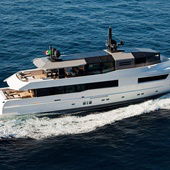


Images have been gathered from various sources and belong to their respective owners.
Review - Arcadia Sun

MarineBroker
04/23/2024, 6:13 AM
2012 Arcadia Sun: What Owners and Buyers Should Know Before You Buy, Inspect, or Upgrade
If you’re looking at a 2012 Arcadia Sun, you’re probably not just browsing casually. Boats in this category tend to attract people who want a mix of style, comfort, and real on-water capability, but they also come with the usual used-boat questions: Is it still a smart buy? What should I inspect first? And if I already own one, how do I keep it reliable without overspending?
That’s the real challenge with any older yacht or cruiser. A boat can look great in photos and still hide maintenance issues, outdated systems, or wear that only shows up once you start digging deeper. The good news is that most of those concerns can be managed with the right approach. Whether you’re evaluating a purchase or trying to get more life out of your current boat, knowing what to check and where to focus your budget makes all the difference.
In this guide, we’ll break down the most important things to know about the 2012 Arcadia Sun, including common problem areas, practical inspection tips, and smart ways to keep the boat in solid shape.
- What Makes the 2012 Arcadia Sun Worth a Closer Look
The 2012 Arcadia Sun sits in the category of boats that appeal to owners who want a comfortable onboard experience without giving up the feeling of a proper cruising vessel. Depending on the exact configuration, boats like this are often chosen for day cruising, weekend trips, and entertaining guests.
What makes it interesting is the balance between design and usability. Buyers are often drawn to the layout, living space, and overall presence of the boat. But with a 2012 model, the question is less about whether it was attractive when new and more about how well it has aged.
That’s where research matters. A well-kept example can still be a very enjoyable boat. A neglected one can turn into a money pit fast.
A few reasons people keep searching for the 2012 Arcadia Sun:
- It offers a premium feel at the used-boat level
- It may provide a practical layout for cruising and social use
- It can be an appealing alternative to newer boats with much higher prices
- It gives buyers access to a known model with a longer ownership history
If you’re considering one, the goal is simple: separate a well-maintained boat from one that only looks good on the surface.
- The Main Problem Buyers Face With a 2012 Arcadia Sun
The biggest issue with any used boat is uncertainty. With a 2012 Arcadia Sun, the challenge is not just age, but how the boat was used, stored, and serviced over time.
Here are the most common concerns buyers run into:
- Hidden maintenance backlog
- Engine and propulsion wear
- Electrical system aging
- Water intrusion or deck leaks
- Upholstery, canvas, and cosmetic deterioration
- Outdated electronics
- Poor service records
A boat can appear clean and still have expensive issues underneath. That’s why the inspection process matters more than the listing photos or the seller’s description.
For many buyers, the real problem isn’t finding a boat. It’s finding one that won’t surprise them with expensive repairs after the purchase.
- How to Inspect a 2012 Arcadia Sun Before You Commit
A careful inspection is the best way to avoid regret. You do not need to be a marine surveyor to spot many of the warning signs, but you do need to be systematic.
Start with the basics:
- Ask for complete maintenance records
- Review engine service history
- Check hours on engines and generators
- Look for signs of regular winterization or seasonal storage
- Confirm ownership history and usage pattern
A boat that was used lightly but maintained badly can be worse than one that saw more hours but received consistent care.
- Hull and Exterior Checks
Walk around the boat slowly and look for:
- Cracks around stress points
- Repairs that don’t match the surrounding gelcoat
- Fading or oxidation
- Evidence of collision or grounding
- Loose fittings or hardware
- Signs of water pooling on deck
Pay special attention to seams, rail bases, cleats, hatches, and anything that penetrates the deck. These are common places for leaks to develop over time.
If the boat has been sitting outside for long periods, inspect for UV damage and seal failure. Sun exposure can age a boat faster than many owners expect.
- Engine Room and Mechanical Systems
The engine room tells you a lot about how the boat has been treated.
Look for:
- Cleanliness and general organization
- Oil leaks or coolant residue
- Corrosion on clamps, hoses, and fittings
- Belt wear
- Rust around mounts and fasteners
- Unusual smells, especially fuel or burning odors
If possible, start the engines cold. Cold starts often reveal issues that a warm engine can hide. Listen for rough idle, excessive smoke, or odd noises.
Also check:
- Raw water strainers
- Cooling system condition
- Battery age and mounting
- Fuel lines and connections
- Generator operation if equipped
A 2012 boat may still be mechanically strong, but only if the systems have been maintained consistently.
- Electrical and Electronics
Electrical issues are common on older boats because marine environments are hard on wiring and components. Moisture, vibration, and age can all create trouble.
Check:
- Battery charger function
- Shore power connections
- Panel labeling and breaker condition
- Corrosion at terminals
- Navigation electronics age
- Cabin lighting and outlets
- Bilge pump operation
If the boat still has older electronics, that’s not necessarily a dealbreaker. But it should be part of your budget, because upgrading marine electronics can get expensive quickly.
- Interior and Comfort Systems
Inside the boat, look beyond the upholstery and finish. Cosmetics matter, but hidden moisture is the bigger issue.
Inspect for:
- Soft spots in flooring
- Stains on headliners or walls
- Musty odors
- Mold around vents or storage areas
- Loose trim or cabinetry
- Water marks near windows or hatches
These signs often point to leaks that may have been ignored for years.
If the boat has air conditioning, a freshwater system, a galley, or a marine head, test everything. Comfort systems are easy to overlook during a quick walkthrough, but they are often the first things owners complain about after purchase.
- Common Maintenance Issues on a 2012 Arcadia Sun
A 2012 boat can still be very capable, but age-related maintenance becomes more important. The key is knowing which issues are normal wear and which ones signal deeper trouble.
Typical maintenance items may include:
- Hoses and clamps that need replacement
- Batteries nearing end of life
- Seals and gaskets drying out
- Upholstery cracking from sun exposure
- Canvas or enclosure wear
- Corrosion on exterior hardware
- Older pumps and sensors failing
None of these are unusual on a boat from this era. What matters is whether the current owner has stayed ahead of them.
If several of these items have been ignored, the boat may need a larger refit than expected.
- What a Smart Buyer Should Budget For
One of the most practical ways to avoid disappointment is to plan for upgrades before you buy. Even a good 2012 Arcadia Sun will likely need some investment after purchase.
A sensible budget should include:
- Survey and haul-out costs
- Mechanical servicing
- Battery replacement if needed
- Safety gear updates
- Electronics upgrades
- Cosmetic refreshes
- Unexpected repairs
A common mistake is spending the full purchase budget on the boat itself and leaving nothing for immediate work. That can turn a good deal into a stressful one.
A safer approach is to keep a reserve fund for the first 6 to 12 months of ownership. That way, you can handle surprises without rushing decisions.
- How to Solve the Most Common Problems
The best solution is not to chase every possible flaw. Instead, focus on the items that affect safety, reliability, and long-term value first.
Use this priority order:
1. Safety systems
Make sure pumps, fire suppression, navigation lights, and bilge systems work properly.
2. Mechanical reliability
Engines, transmissions, cooling systems, and fuel systems should be your top mechanical focus.
3. Water intrusion
Fix leaks quickly before they lead to structural or interior damage.
4. Electrical health
Corrosion and poor wiring can create a chain reaction of problems.
5. Comfort and cosmetics
These matter, but they should come after the boat is structurally and mechanically sound.
This approach helps you stay practical. You’re not trying to make the boat perfect overnight. You’re making it dependable and enjoyable.
- If You Already Own a 2012 Arcadia Sun
If you already own one, the goal is to extend the boat’s life while keeping costs under control. That usually means creating a maintenance routine instead of waiting for things to fail.
A simple ownership plan might include:
- Monthly checks of batteries, pumps, and fluid levels
- Seasonal inspection of hoses, seals, and through-hulls
- Annual engine servicing
- Bottom cleaning and anti-fouling maintenance
- Cleaning and conditioning upholstery
- Replacing worn anodes
- Testing all electrical and safety systems
This kind of routine sounds basic, but it prevents many expensive problems. Boats rarely fail all at once. More often, they decline slowly because small issues are ignored.
If you’re seeing repeated problems in the same area, don’t just patch them. Find the root cause.
- Upgrade Ideas That Make Sense
Not every upgrade is worth the money, but some improvements can make a big difference in usability and resale value.
Useful upgrades often include:
- Modern chartplotter or navigation display
- Battery monitoring system
- LED lighting
- Fresh upholstery or sun protection
- Improved anchor gear
- Better docking aids or cameras
- Updated safety equipment
These upgrades are especially helpful if you plan to keep the boat for several seasons. They can improve comfort and make the boat easier to use.
That said, avoid over-upgrading a boat that still needs core maintenance. A shiny electronics package won’t solve an engine problem or stop a leak.
- When to Walk Away
Sometimes the smartest solution is not to buy the boat at all. That may sound harsh, but it can save you a lot of money and frustration.
Consider walking away if you find:
- No service records
- Major structural damage
- Repeated signs of water intrusion
- Engines with serious unresolved issues
- Corrosion throughout key systems
- Evidence of poor repairs
- A seller unwilling to allow a survey
A used boat should have some wear. That’s normal. But if the boat has multiple major problems and no clear history, the risk may outweigh the value.
There will always be another boat. The goal is to buy the right one, not the first one.
- Final Thoughts on the 2012 Arcadia Sun
The 2012 Arcadia Sun can be an appealing option for someone who wants a stylish, capable used boat with real cruising potential. But like any 2012 model, its value depends heavily on condition, maintenance history, and how carefully it has been inspected.
The main takeaway is simple: don’t judge it by appearance alone. Focus on service records, mechanical health, water intrusion, and the systems that matter most for safety and reliability. If you already own one, a steady maintenance routine and timely upgrades can keep it enjoyable for years. If you’re shopping for one, a thorough survey and realistic budget are your best tools. A little patience now can save you a lot of trouble later, and it’s usually the difference between a great boating experience and an expensive lesson.
Specifications
General
Boat Type: Power Boats
Class Type: Mega Yacht
Specifications
Length: 114.83
Beam: 26.57
Draft: 8.53
Hull Material: GRP
Build
First Built: 2012
Propulsion
Fuel Type: Diesel
Engines: 2
Power: 1224 HP
Brand: Man
Accomodation
Cabins: 6
PROS & CONS
What we appreciated
 Innovative and stylish design with a modern aestheticSpacious and comfortable interior layoutEfficient use of space with practical amenitiesGood performance and handling in various sea conditionsHigh-quality build materials and craftsmanship
What we didn’t appreciate
 Limited availability of second-hand models may affect resale valueMaintenance and repair costs can be higher due to specialized componentsRelatively complex systems may require experienced handlingLimited dealer and service network in some regionsInterior space, while efficient, may feel compact compared to larger yachts
Upkeep Costs
Annual insurance: $800 - $1,200
Fuel: $3,000 - $5,000 per year (depends on usage)
Maintenance and repairs: $1,000 - $3,000 per year
Docking and mooring fees: $1,200 - $3,000 per year
Winter storage and cleaning: $500 - $1,000 per year

Rating
8.3
User
Score
Score
Driveability
Technology
Interior
Design
Similar Boats


MarineBroker
Download now for an immersive boat experience like never before! ⛵✨ Your journey begins with a simple click. 🌊📲
#SetSailSmart #DownloadNow
#SetSailSmart #DownloadNow

Subscribe
Copyright 2017 - 2026, Marinebroker.net, All Rights Reserved