1955 Amels Montkaj: A Practical Guide to Understanding, Maintaining, and Enjoying a Classic Yacht
The 1955 Amels Montkaj is the kind of yacht that turns heads for all the right reasons. Built in an era when craftsmanship mattered...
Discover
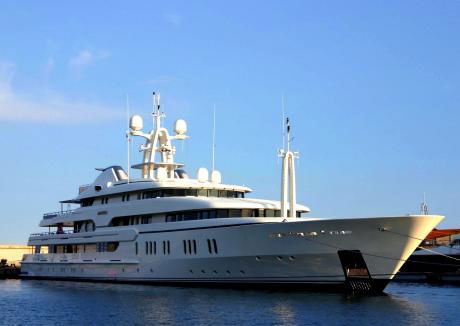
Images have been gathered from various sources and belong to their respective owners.
Review - Amels Montkaj

MarineBroker
03/13/2024, 4:23 AM
1955 Amels Montkaj: A Practical Guide to Understanding, Maintaining, and Enjoying a Classic Yacht
The 1955 Amels Montkaj is the kind of yacht that turns heads for all the right reasons. Built in an era when craftsmanship mattered as much as performance, it carries a quiet charm that modern boats often try to imitate but rarely match. For anyone drawn to classic wooden yachts, the appeal is easy to understand: elegant lines, a rich maritime history, and a sense of character that feels almost impossible to manufacture today.
But owning, restoring, or even simply researching a vessel like the 1955 Amels Montkaj can come with a real challenge. Classic yachts are beautiful, yes, but they can also be demanding. Finding accurate information, understanding what condition to expect, and knowing how to care for an older vessel are common pain points for enthusiasts. The good news is that these challenges are manageable with the right approach. Whether you’re considering a purchase, planning a restoration, or just trying to appreciate what makes this yacht special, a little knowledge goes a long way. In this article, we’ll break down the key things you should know and share practical ways to make the experience smoother and more rewarding.
- Why the 1955 Amels Montkaj Still Matters Today
The 1955 Amels Montkaj represents a period in yacht building when boats were designed with a strong emphasis on craftsmanship, durability, and seaworthy proportions. Amels, as a Dutch shipyard, developed a reputation for quality construction and attention to detail, and vessels from this era often reflect that heritage.
What makes a yacht like this still relevant is not just nostalgia. Classic yachts continue to attract owners because they offer something modern production boats often lack:
- Distinctive styling with real character
- Solid traditional construction
- A connection to maritime history
- A more personal ownership experience
For many enthusiasts, the attraction is emotional as much as practical. A classic yacht feels like a living piece of design history, not just a platform for getting from one port to another.
That said, owning one is not the same as buying a newer fiberglass cruiser. The age of the vessel means you need to think differently about maintenance, sourcing parts, and long-term care. That’s where most people run into trouble.
- The Main Problem: Classic Yacht Ownership Is Rewarding, but Information Can Be Hard to Find
One of the biggest frustrations for people interested in the 1955 Amels Montkaj is the lack of easily accessible, reliable information. Unlike modern yachts, which often have extensive online documentation, older boats may have fragmented records, missing specifications, or inconsistent ownership histories.
This creates a few common problems:
- It can be difficult to confirm original build details
- Maintenance history may be incomplete
- Replacement parts may need to be custom-made
- Restoration costs can be hard to estimate
- It’s not always clear what is original and what has been modified over time
For someone new to classic yachts, this can feel overwhelming. Even experienced boaters can struggle when a vessel has been refitted several times or has passed through multiple owners.
The practical solution is to approach the boat like a project with layers. Instead of trying to understand everything at once, focus on documentation, inspection, and prioritization. That method reduces risk and helps you make better decisions.
- Start with the Basics: What to Verify on a 1955 Amels Montkaj
Before making any assumptions about condition or value, begin with a careful verification process. This is especially important for classic yachts, where originality and structural integrity can affect everything from insurance to restoration planning.
Here’s what to check first:
1. Hull condition
Look for signs of rot, soft spots, delamination, corrosion, or previous repair work. On a vessel from the 1950s, the hull deserves close attention, whether it’s wooden, steel, or a mixed construction.
2. Structural framework
Frames, stringers, bulkheads, and keel structure should be inspected for weakness or movement. Structural issues are often more expensive than cosmetic ones.
3. Engine and mechanical systems
Older engines can be reliable if maintained properly, but they may also be difficult to source parts for. Check service records, compression, cooling systems, and fuel lines.
4. Electrical systems
Many older yachts have been updated over time. Mixed wiring standards can create safety concerns if not properly documented.
5. Deck and superstructure
Leaks often start here. Pay attention to deck fittings, seams, windows, and any signs of water intrusion.
6. Ownership and refit history
Knowing what has been replaced, upgraded, or preserved helps you understand the yacht’s true condition.
A survey by a qualified marine professional is essential. On classic yachts, a general glance is never enough. A proper inspection can save you from expensive surprises later.
- Why Restoration Planning Matters More Than Enthusiasm
It’s easy to fall in love with a classic yacht the moment you see one. The lines, the woodwork, the history—it all makes sense emotionally. But restoration projects can become expensive and time-consuming very quickly if there’s no plan.
The smartest way to handle a vessel like the 1955 Amels Montkaj is to separate the project into categories:
- Safety-critical repairs
- Structural repairs
- Mechanical upgrades
- Cosmetic restoration
- Historical preservation
This order matters. A beautiful varnish job means very little if the hull needs major work. Likewise, a strong engine won’t help if the deck leaks into the cabin every time it rains.
A good restoration plan should answer these questions:
- What must be fixed before the boat is seaworthy?
- What can wait until later?
- Which elements should be preserved for historical value?
- Which updates are necessary for modern use and safety?
This approach helps you keep the project realistic. It also prevents the common mistake of spending heavily on appearance before addressing fundamentals.
- The Balance Between Preservation and Modernization
One of the most interesting parts of owning a classic yacht is deciding how much to preserve and how much to modernize. With the 1955 Amels Montkaj, that balance can shape both the boat’s value and your enjoyment of it.
Some owners want to maintain a near-original appearance, keeping as many period details as possible. Others prefer a tasteful modernization that improves reliability and comfort without losing the yacht’s character.
A practical middle ground often works best.
Consider preserving:
- Original woodwork where structurally sound
- Period-appropriate fittings
- Classic helm design
- Distinctive exterior profile
Consider modernizing:
- Navigation electronics
- Safety equipment
- Wiring and battery systems
- Plumbing and sanitation
- Engine components where needed for reliability
This is especially useful if you plan to cruise regularly rather than keep the yacht as a static showpiece. Modern systems can make the boat safer and easier to enjoy while still respecting its heritage.
- How to Estimate Costs Without Guessing
Classic yacht costs can be unpredictable, which is why many first-time owners underestimate them. The 1955 Amels Montkaj may be a dream boat, but the real cost is not just the purchase price. It includes inspection, transport, restoration, maintenance, insurance, storage, and ongoing care.
A sensible budgeting approach includes:
- Initial survey and technical inspection
- Immediate safety repairs
- Mechanical servicing
- Structural and hull work
- Interior restoration
- Seasonal maintenance
- Contingency reserve
That last item is especially important. For older boats, unexpected issues are normal. A hidden leak, a failed fitting, or a wiring problem can appear once the work begins.
A useful rule of thumb for classic yacht projects is to always leave room in the budget for surprises. If you don’t need the contingency, great. If you do, you’ll be glad it’s there.
- Finding the Right Experts Makes a Huge Difference
You do not want to treat a classic yacht like a modern production boat. The skills required are different, and the best results usually come from professionals who understand vintage vessels.
Look for experts in:
- Classic yacht surveying
- Traditional wooden boat restoration
- Marine carpentry
- Vintage engine servicing
- Marine electrical upgrades
- Rigging and deck hardware repair
A good specialist will not only repair the boat but also help you preserve its character. That matters because some modern repair methods can unintentionally strip away the very qualities that make a classic yacht special.
If you’re unsure how to choose the right person, ask these questions:
- Have you worked on yachts from the 1950s or similar eras?
- Can you show examples of previous restoration projects?
- Do you understand preservation as well as repair?
- Will you document the work clearly?
Good documentation is valuable for future maintenance, resale, and historical recordkeeping.
- Everyday Care for a Classic Yacht Like the 1955 Amels Montkaj
Once the major work is done, the real key to enjoying a classic yacht is consistent care. Older boats respond well to routine attention, and small issues are much easier to solve early.
Here are some practical habits that help:
- Inspect bilges regularly for water intrusion
- Check woodwork for cracks, movement, or moisture
- Keep ventilation strong to reduce mildew and rot
- Monitor fasteners and fittings for corrosion or loosening
- Service mechanical systems on a strict schedule
- Wash and protect surfaces after saltwater use
- Address minor leaks immediately
Classic yachts often reward owners who are attentive. A little regular maintenance can prevent major deterioration.
If the boat is stored for part of the year, winterization or off-season prep is equally important. Drain vulnerable systems, protect exposed surfaces, and keep air circulating to reduce moisture buildup.
- Using the 1955 Amels Montkaj as a Cruising Yacht, Not Just a Display Piece
Some classic boats spend more time admired than used. That’s fine, but many owners want to actually cruise, entertain, and enjoy the yacht on the water. If that’s your goal, the vessel needs to be set up for practical use.
To make a classic yacht more usable, focus on:
- Reliable propulsion
- Safe electrical systems
- Functional galley and sanitation
- Comfortable ventilation
- Adequate anchoring and docking gear
- Clear navigation equipment
The goal is not to erase the boat’s vintage feel. It’s to make it usable without constant stress. A yacht like the 1955 Amels Montkaj can be deeply satisfying when it combines old-world charm with dependable systems.
That balance is what many owners are really looking for. They want the romance of a classic yacht, but they also want to leave the dock with confidence.
- What Makes a Classic Yacht Experience Worth It
There’s a reason people keep coming back to boats like the 1955 Amels Montkaj. The ownership experience is more involved, but it’s also more personal. You’re not just using a vessel—you’re helping preserve a piece of maritime history.
The rewards often include:
- A stronger emotional connection to the boat
- Pride in preserving craftsmanship
- A unique presence on the water
- A deeper understanding of marine heritage
- A more memorable boating lifestyle
For many enthusiasts, that tradeoff is worth it. The extra care, planning, and patience are part of the experience, not just obstacles to it.
Of course, this only works when expectations are realistic. A classic yacht is not the easiest kind of boat to own. But for the right person, that’s exactly what makes it special.
- Practical Checklist for Interested Buyers or Owners
If you’re considering the 1955 Amels Montkaj, use this simple checklist to stay grounded:
- Verify the vessel’s identity and history
- Hire a knowledgeable marine surveyor
- Inspect hull, structure, engine, and systems
- Separate urgent repairs from cosmetic work
- Budget for unexpected issues
- Choose specialists with classic yacht experience
- Preserve original character where possible
- Upgrade safety and reliability where needed
- Maintain the boat consistently after restoration
This checklist can help you avoid emotional decision-making and focus on what matters most: seaworthiness, preservation, and long-term enjoyment.
- Final Thoughts on the 1955 Amels Montkaj
The 1955 Amels Montkaj is more than an old yacht. It’s a reminder of a time when boats were built with craftsmanship, purpose, and personality. For enthusiasts, that makes it incredibly appealing—but also a little demanding. The biggest challenge is usually not the beauty of the boat, but the complexity of caring for a classic vessel with limited documentation and age-related wear.
The best solution is a steady, informed approach: inspect carefully, plan realistically, preserve what matters, and modernize where it improves safety and usability. With the right mindset and support, a classic yacht like this can be both rewarding and practical. If you’re exploring more about vintage yachts, restoration strategies, or classic Dutch boatbuilding, keep digging into trusted marine resources. The more you learn, the more enjoyable the journey becomes.
Specifications
General
Boat Type: Power Boats
Class Type: Mega Yacht
Specifications
Length: 255.91
Beam: 42.32
Draft: 12.8
Hull Material: Steel
Build
First Built: 1955
Propulsion
Fuel Type: Diesel
Engines: 2
Power: 2490 HP
Brand: Caterpillar
Accomodation
Cabins: 12
PROS & CONS
What we appreciated
 Classic and timeless design from 1955, offering vintage appeal.Amels is known for solid Dutch craftsmanship and robust build quality.Spacious layout typical of Montkaj models, suitable for comfortable cruising.Durable materials used in construction, contributing to longevity.Potential for customization and restoration to modern standards.
What we didn’t appreciate
 Older build may require significant maintenance and refurbishment.Less advanced technology and navigation systems compared to modern boats.Fuel efficiency and engine performance may be outdated.Limited availability of original parts may complicate repairs.Potentially higher operating costs due to age and upkeep needs.
Upkeep Costs
Fuel: Approximately $10,000 - $15,000 per year depending on usage
Maintenance and Repairs: $20,000 - $30,000 per year
Docking and Storage Fees: $5,000 - $15,000 per year
Insurance: $3,000 - $7,000 per year
Annual Survey and Certification: $2,000 - $5,000 per year
Rating
5.7
User
Score
Score
Driveability
Technology
Interior
Design
Similar Boats


MarineBroker
Download now for an immersive boat experience like never before! ⛵✨ Your journey begins with a simple click. 🌊📲
#SetSailSmart #DownloadNow
#SetSailSmart #DownloadNow

Subscribe
Copyright 2017 - 2026, Marinebroker.net, All Rights Reserved