Boat Database » Alumacraft MV 1756 AW TL
Alumacraft MV 1756 AW TL
Outboard four-stroke, Unleaded, 1x 25 HP
Power Boats 2017 Alumacraft MV 1756 AW TL: A Practical Guide to Getting More Out of a Compact Aluminum Boat
If you’re looking at the 2017 Alumacraft MV 1756 AW TL, chances are you already know the appeal of a tough, lightweight aluminum boat...
Discover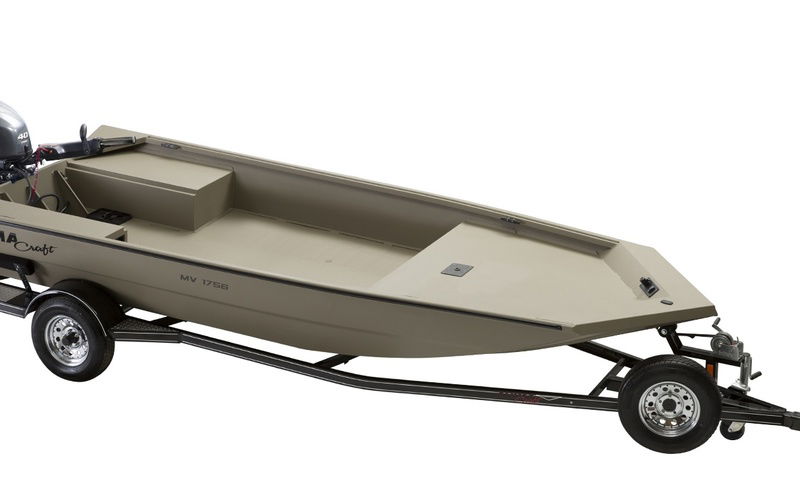
Images have been gathered from various sources and belong to their respective owners.
Review - Alumacraft MV 1756 AW TL

MarineBroker
02/29/2024, 7:10 AM
2017 Alumacraft MV 1756 AW TL: A Practical Guide to Getting More Out of a Compact Aluminum Boat
If you’re looking at the 2017 Alumacraft MV 1756 AW TL, chances are you already know the appeal of a tough, lightweight aluminum boat that can handle a lot more than it looks like it should. Boats like this often attract anglers, small-water explorers, and anyone who wants a simple, dependable rig without the hassle of a bigger fiberglass setup.
But here’s the common problem: a boat like the 2017 Alumacraft MV 1756 AW TL can be incredibly capable, yet many owners and buyers don’t get the full value from it. Sometimes the issue is setup. Sometimes it’s storage. Sometimes it’s figuring out the right motor, load, or fishing layout for the water you actually run. A boat can be a great fit on paper and still feel underwhelming if it isn’t matched to your needs.
The good news is that most of these frustrations are fixable. With the right approach, this model can become a very efficient, versatile platform for fishing, hunting, or general utility use. In this article, we’ll look at what makes the boat practical, the most common pain points, and how to solve them in a way that keeps things simple and boat-friendly.
- What Makes the 2017 Alumacraft MV 1756 AW TL Worth Considering
The 2017 Alumacraft MV 1756 AW TL sits in a sweet spot for people who want a compact aluminum boat with real utility. It’s not trying to be a luxury cruiser or a giant multi-species rig. It’s built to be practical, durable, and easy to use.
The “MV” in the name points to a mod-v style hull, which is popular because it offers a decent mix of stability and efficiency. The 17-foot class is also a very workable size for smaller lakes, rivers, and sheltered bays. That makes it appealing to anglers who want a manageable trailer boat without giving up too much deck space.
For many boaters, the attraction is simple:
- Easier to tow than larger boats
- Lower operating costs
- More forgiving maintenance
- Flexible enough for fishing, hunting, and utility work
That said, the real value of a boat like this depends on how well it’s matched to your use case.
- The Main Problem: A Great Hull Can Still Feel “Not Quite Right”
A lot of people buy or search for the 2017 Alumacraft MV 1756 AW TL expecting a boat that will do everything well right out of the gate. In reality, the boat is only part of the equation.
The most common issue is mismatch. The hull may be capable, but if the motor is underpowered, the load is too heavy, or the layout doesn’t fit your style, the boat can feel sluggish, cramped, or awkward.
Typical complaints with boats in this class include:
- Poor performance with the wrong outboard size
- Limited storage if the deck isn’t organized well
- A bouncy ride in rougher water because of the hull style
- Not enough stability when multiple people move around
- Battery, fuel, and gear placement affecting balance
None of these are deal-breakers. They’re setup problems, and setup problems have practical fixes.
- Understanding the Hull: What the MV 1756 AW TL Is Best At
Before making changes, it helps to understand what this boat is naturally good at.
A mod-v aluminum hull is usually strongest in these areas:
- Quick planing with the right motor
- Good shallow-water access
- Efficient fuel use compared with heavier boats
- Simple maintenance and easier cleanup
- Solid performance on calm to moderate water
Where it’s less ideal:
- Very rough chop
- Heavy loads without proper power
- Standing around with too many people on one side
- Deep-water offshore-style runs
If you use the boat within its strengths, it tends to feel much better. That’s especially true for anglers who fish smaller reservoirs, inland lakes, and protected river systems.
- Choosing the Right Motor Setup
One of the biggest factors in how the 2017 Alumacraft MV 1756 AW TL performs is the outboard. Too little power and the boat feels tired. Too much weight on the transom and handling can suffer.
The solution is to match the motor to how you actually use the boat.
For example:
- If you fish solo or with one passenger, a moderate motor setup may be enough
- If you regularly carry gear, a trolling motor, and a second angler, you’ll want more thoughtful power planning
- If you use the boat for hunting or utility work, balance and push matter more than top speed
A good rule of thumb is to prioritize real-world load over “maximum speed” thinking. A boat that planes easily with your normal gear is more useful than one that’s fast only when empty.
Practical motor tips:
- Keep the prop matched to the load
- Don’t overload the stern with batteries and fuel
- Test trim settings before assuming the motor is the issue
- Make sure the transom and mounting hardware are in good shape
If the boat feels slow, it may not be the hull at all. Often it’s a prop, load distribution, or maintenance issue.
- How to Fix Stability and Balance Issues
Stability is one of the first things people notice in a 17-foot aluminum boat. The 2017 Alumacraft MV 1756 AW TL can feel very stable when set up well, but uneven weight can make it feel less secure than it should.
The trick is weight distribution.
Here’s what helps:
- Place batteries low and centered when possible
- Store heavier gear near the middle of the boat
- Avoid piling tackle on one side
- Keep fuel and water weight accounted for
- Move passengers around if the boat lists during use
A lot of “this boat feels tippy” complaints are really “this boat is loaded poorly” complaints.
Easy balance checklist:
1. Put the heaviest items closest to the centerline
2. Keep the bow and stern from becoming overloaded
3. Don’t stack all your gear on the same side
4. Recheck balance after adding accessories
5. Test the boat with your normal fishing load, not an empty hull
If you fish with a partner, talk about where each person stands or stores gear. Small habits make a big difference in how stable the boat feels.
- Making the Most of the Deck Layout
For many owners, the biggest day-to-day issue isn’t performance. It’s space.
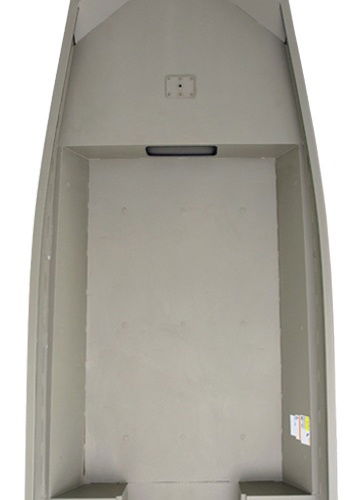
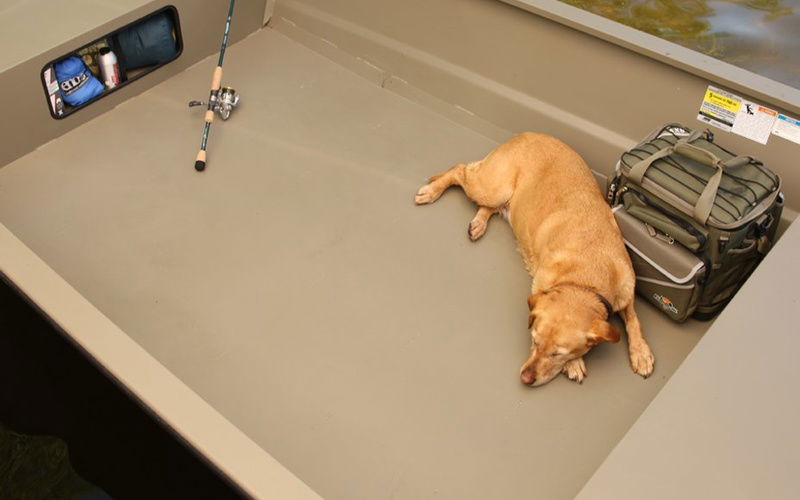
The 2017 Alumacraft MV 1756 AW TL gives you a useful platform, but compact boats demand smart organization. If gear is loose or scattered, the boat gets frustrating fast.
The solution is to build a simple, repeatable layout.
Try organizing by zones:
- Bow zone: trolling, casting, anchor or shallow-water tools
- Midship zone: tackle, batteries, safety gear
- Stern zone: fuel, motor access, maintenance items
A clean layout helps in several ways:
- Less clutter means safer movement
- Better access to rods and tackle
- Faster transitions between fishing spots
- Easier cleanup after the trip
If you’re using the boat for multiple purposes, modular storage is a huge help. Removable boxes, soft bags, and stackable containers can keep the boat flexible without turning it into a mess.
- The Best Way to Improve Ride Quality
No small aluminum boat is going to ride like a deep-V offshore hull. That’s just not the point. But you can make the ride of the 2017 Alumacraft MV 1756 AW TL noticeably better with a few adjustments.
The biggest ride-quality improvements usually come from:
- Running the boat at the right speed for conditions
- Trimming properly
- Avoiding unnecessary weight
- Staying mindful of wind and chop
- Using the right seating position
If the water is rough, slowing down is often the smartest “upgrade” you can make.
Some practical things to try:
- Trim up slightly once on plane to reduce drag
- Trim down if the bow is riding too high
- Shift weight forward if the boat porpoises
- Keep gear secured so it doesn’t move around
- Avoid aggressive turns at speed in rough water
If your boat feels harsh, it may also be worth checking the hull for damage, bent components, or anything that could affect tracking.
- Common Maintenance Issues and Easy Prevention
Like any aluminum boat, the 2017 Alumacraft MV 1756 AW TL benefits from basic care. The good news is that maintenance is usually straightforward if you stay ahead of small issues.
Things to check regularly:
- Rivets, welds, and seams
- Transom condition
- Trailer bunks and rollers
- Wiring and lights
- Fuel lines and fittings
- Battery health
- Prop condition
Aluminum boats are known for durability, but that doesn’t mean they’re maintenance-free. A little attention goes a long way.
Simple maintenance routine:
- Rinse after use, especially in muddy or brackish water
- Inspect the hull after trailering
- Check drain plugs before launch
- Keep the battery charged
- Grease moving parts as needed
- Replace worn hardware before it becomes a bigger issue
If you’re buying used, this is especially important. A clean-looking boat can still have hidden electrical or transom problems if it wasn’t maintained well.
- How to Set Up the Boat for Fishing
The 2017 Alumacraft MV 1756 AW TL is often most appealing to anglers, so it’s worth looking at the setup from a fishing perspective.
A good fishing setup should make the boat easier to use, not more crowded.
Focus on these priorities:
- Clear casting space
- Easy rod access
- Secure tackle storage
- Reliable trolling motor placement
- Battery setup that doesn’t interfere with movement
If you fish with electronics, keep them visible but protected. If you use multiple rods, think about how they’ll be stored during travel so they don’t become a tripping hazard.
A practical fishing layout might include:
- One bow-mounted trolling motor
- A small console or side control area
- Dedicated tackle storage in the center
- Open stern access for launching and retrieving gear
The goal is to make the boat feel organized enough that you can fish efficiently without constantly moving things around.
- When the 2017 Alumacraft MV 1756 AW TL Is a Great Fit
This boat makes the most sense for people who want a simple, durable, easy-to-manage platform.
It’s a strong option if you:
- Fish inland lakes and rivers
- Want a lighter towable boat
- Prefer low-maintenance ownership
- Need a versatile aluminum hull
- Don’t need a huge amount of onboard space
It may be less ideal if you:
- Regularly run very rough water
- Need lots of room for several anglers and heavy gear
- Want a high-end comfort package
- Expect big-boat performance from a compact hull
That doesn’t make it a bad boat. It just means the boat shines when used for the right kind of boating.
- Buying Used? What to Look For
If you’re evaluating a used 2017 Alumacraft MV 1756 AW TL, focus on condition over cosmetics. Aluminum boats can look fine while still having hidden issues.
Check these areas closely:
- Transom flex
- Corrosion around hardware
- Cracks or dents in high-stress areas
- Electrical functionality
- Trailer condition
- Motor service history
- Signs of patchwork repairs
A few test questions can help:
- Does the boat plane normally?
- Does it track straight?
- Does it leak?
- Are the controls responsive?
- Is the deck layout functional for your needs?
If the answer to most of those is yes, you’re probably looking at a solid candidate. If not, the cost of “fixing it later” can add up fast.
- Practical Solution Summary: How to Get the Best Results
If the 2017 Alumacraft MV 1756 AW TL hasn’t felt quite right, the solution is usually not a major overhaul. It’s usually a smarter setup.
Start with these steps:
- Match the motor to your real-world load
- Balance weight carefully
- Simplify the deck layout
- Maintain the hull and trailer
- Tune trim and speed to the water conditions
- Build the boat around your actual use case
That approach helps the boat feel more stable, more efficient, and more enjoyable. In other words, it becomes the practical aluminum rig it was meant to be.
- Conclusion
The 2017 Alumacraft MV 1756 AW TL is a solid example of a boat that rewards smart setup. On its own, it offers a lightweight, durable platform with plenty of usefulness for fishing and everyday boating. But the real difference comes from how well you match the motor, balance the load, and organize the deck.
If the boat has felt underpowered, cramped, or less stable than expected, the fix is usually in the details, not the hull itself. With the right approach, this model can become a very capable and enjoyable boat for small-water adventures. If you’re researching one now, take time to look at setup, condition, and intended use before making decisions. That’s where the best results usually come from.
Specifications
General
Boat Type: Power Boats
Class Type: Freshwater Fishing
Specifications
Length: 17.06
Beam: 6.89
Draft: 0.98
Hull Material: Aluminium
Build
First Built: 2017
Propulsion
Fuel Type: Unleaded
Engines: 1
Power: 25 HP
Brand: Mercury
Accomodation
PROS & CONS
What we appreciated
 Durable aluminum hull offering excellent longevity and corrosion resistanceSpacious 17.5-foot length providing ample room for fishing and recreational activitiesAll-Welded construction enhancing structural strength and durabilityVersatile layout suitable for both freshwater and light saltwater useGood fuel efficiency due to lightweight design
What we didn’t appreciate
 Limited cabin or shelter options, making it less ideal for adverse weather conditionsBasic amenities and minimal comfort features compared to larger boatsMay require a more powerful engine for optimal performance with heavy loadsLess suitable for rough water or offshore conditions due to smaller sizeLimited storage space for gear and equipment
Upkeep Costs
Fuel: Approximately $500 - $1,000 per year, depending on usage and fuel prices.
Maintenance: Around $300 - $600 per year for regular upkeep, including engine servicing and hull maintenance.
Insurance: Typically $200 - $500 per year, depending on coverage and location.
Storage: $300 - $1,200 per year, varying by storage type (indoor/outdoor) and location.
Registration and Taxes: Approximately $50 - $150 per year, depending on state regulations.
Rating
4.9
User
Score
Score
Driveability
Technology
Interior
Design
Similar Boats


MarineBroker
Download now for an immersive boat experience like never before! ⛵✨ Your journey begins with a simple click. 🌊📲
#SetSailSmart #DownloadNow
#SetSailSmart #DownloadNow

Subscribe
Copyright 2017 - 2026, Marinebroker.net, All Rights Reserved