2013 Bavaria 56 Cruiser: What to Know Before You Buy, Upgrade, or Cruise Farther
If you’re looking at a 2013 Bavaria 56 Cruiser, chances are you already know it’s a serious bluewater-capable sailing yacht with plenty of space, co...
Discover
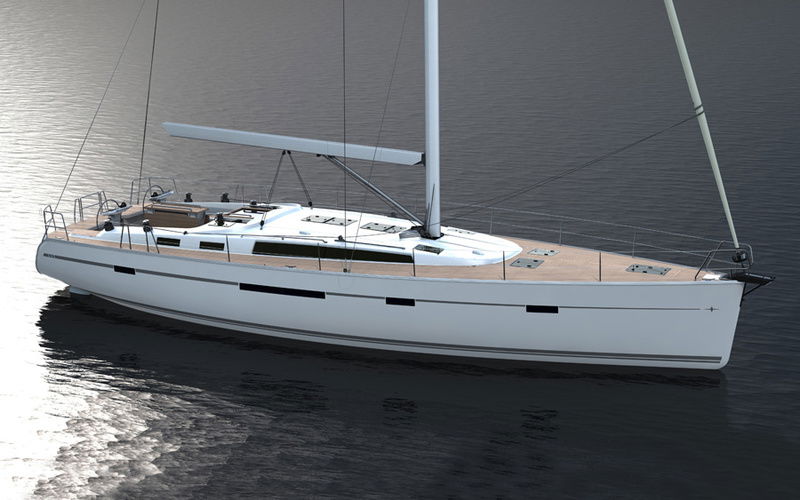
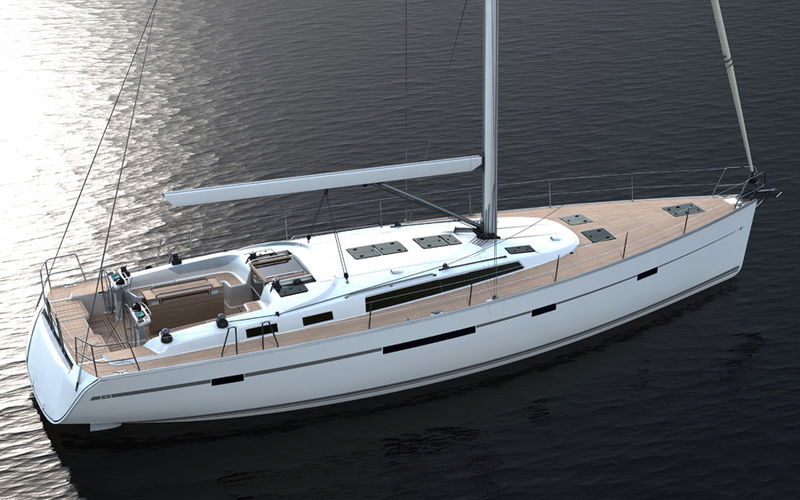

Images have been gathered from various sources and belong to their respective owners.
Review - Bavaria 56 Cruiser

MarineBroker
09/10/2024, 7:14 AM
2013 Bavaria 56 Cruiser: What to Know Before You Buy, Upgrade, or Cruise Farther
If you’re looking at a 2013 Bavaria 56 Cruiser, chances are you already know it’s a serious bluewater-capable sailing yacht with plenty of space, comfort, and long-range appeal. But here’s the real challenge: figuring out whether this boat is actually the right fit for your cruising plans, budget, and expectations.
That’s where many buyers and owners get stuck. A boat like the 2013 Bavaria 56 Cruiser can look like the perfect all-rounder on paper, yet the real-world experience depends on maintenance history, sail handling setup, engine condition, and how well the boat has been equipped for the kind of sailing you want to do. Some boats are ready to go. Others need upgrades before they feel truly dependable offshore.
The good news? With the right checklist and a practical approach, you can avoid expensive surprises and get the most out of this model. Whether you’re buying, comparing, or improving one you already own, understanding the common weak spots and smart upgrades will save time, money, and stress.
- Why the 2013 Bavaria 56 Cruiser Still Gets Attention
The Bavaria 56 Cruiser has long been known for offering a lot of boat for the money. At around 56 feet, it gives owners a generous amount of living space, a comfortable cockpit, and a layout that works well for family cruising, charter use, or extended coastal passages.
The 2013 version sits in that sweet spot where modern design meets practical cruising features. It’s not a stripped-down racer, and it’s not a luxury superyacht either. Instead, it aims to balance performance, comfort, and manageable handling.
That balance is exactly why it remains popular.
For many sailors, the appeal comes down to a few key points:
- Spacious interior for liveaboard or extended cruising
- Easy-to-use deck layout
- Good value compared with many competitors in the same size range
- Comfortable motion under sail for a boat of this size
- Strong market presence, which helps with parts, advice, and resale interest
Still, a boat this size comes with responsibilities. The bigger the yacht, the more important it becomes to know what you’re really buying and how to keep it in top shape.
- The Main Problem: Big Boat Comfort, Big Boat Costs
The biggest issue people run into with a 2013 Bavaria 56 Cruiser is not usually the design itself. It’s the expectation gap.
Many buyers see the roomy cabin space and smooth styling, then assume the boat will be easy and inexpensive to own. In reality, a 56-foot cruising yacht brings higher costs in almost every category:
- Mooring or marina fees
- Haul-out and storage
- Sails and rigging replacement
- Engine service
- Electronics upgrades
- Safety gear and insurance
Another common issue is hidden wear. A boat that looks clean on the surface may still need work in areas that matter most:
- Standing rigging age
- Sail condition
- Autopilot reliability
- Electrical system health
- Deck hardware wear
- Engine hours and service history
- Water ingress around fittings or hatches
For buyers, the problem is simple: how do you tell a well-kept cruiser from one that will become a money pit?
For current owners, the challenge is different: how do you make the boat safer, easier to handle, and more enjoyable without overspending on unnecessary upgrades?
- What to Check First on a 2013 Bavaria 56 Cruiser
If you’re evaluating one of these boats, start with the systems that affect safety, reliability, and sailing confidence. These are the areas that usually matter most.
- 1. Rigging and sails
Standing rigging has a lifespan, and on a 2013 boat it may already be due for close inspection or replacement depending on use and maintenance. Look for corrosion, broken strands, or signs of stress at terminals and chainplates.
Sails should be checked for:
- UV damage
- Stretch
- Chafe
- Weak stitching
- Poor shape retention
A tired mainsail or genoa can make the boat feel sluggish and harder to handle than it should.
- 2. Engine and drivetrain
The engine is one of the most expensive systems to neglect. Check service records, oil changes, coolant condition, belts, hoses, and any signs of leaks.
Also inspect:
- Propeller condition
- Shaft alignment
- Cutless bearing wear
- Transmission performance
- Exhaust system condition
A reliable auxiliary engine matters a lot on a boat this size, especially when docking or entering crowded harbors.
- 3. Electrical system
Modern cruising depends heavily on electrical reliability. A weak battery bank, aging charger, or poorly wired upgrade can create headaches fast.
Look at:
- Battery age and type
- Shore power setup
- Inverter/charger function
- Solar or charging additions
- Corrosion in terminals and panels
- Navigation electronics age
A clean, logical electrical system is a huge plus.
- 4. Deck and hull fittings
Check around stanchions, winches, cleats, hatches, and through-hulls. Soft spots or leaks can point to water intrusion or structural issues.
Pay attention to:
- Stress cracks
- Sealant condition
- Water staining below fittings
- Movement in hardware when loaded
These are often small issues at first, but they can become expensive if ignored.
- 5. Steering and autopilot
On a boat this size, steering gear matters a lot. Any play in the system should be investigated. If the boat has an autopilot, test it under realistic load if possible.
A weak autopilot can turn offshore passages into exhausting hand-steering sessions.
- Common Weak Points Owners Should Watch
Even a well-built cruising yacht can develop predictable problem areas over time. The 2013 Bavaria 56 Cruiser is no exception.
Some of the most common owner complaints on boats in this class include:
- Aging electronics that no longer match current cruising needs
- Limited battery capacity for modern liveaboard expectations
- Aging sails that reduce performance and increase sail handling effort
- Winches or clutches that need servicing
- Small leaks around deck hardware or windows
- Interior wear from charter use or heavy family cruising
- Furling system issues if not serviced regularly
None of these automatically make the boat a bad choice. But they do shape how enjoyable the boat feels day to day.
A cruiser that’s mechanically sound but poorly maintained can feel frustrating. A boat that has been thoughtfully upgraded can feel far more capable than its age suggests.
- The Best Practical Solution: Inspect, Prioritize, Upgrade Smartly
The best way to solve the “is this boat right for me?” problem is not to chase perfection. It’s to inspect carefully, prioritize the right upgrades, and focus on the systems that give the biggest return in safety and comfort.
Here’s a practical approach.
- Step 1: Start with a full survey
A professional marine survey is worth it, especially on a boat of this size. Make sure the survey includes:
- Hull and deck inspection
- Moisture readings where needed
- Rigging assessment
- Engine evaluation
- Sea trial
- Electrical and plumbing checks
If the boat is being used offshore or has charter history, ask for extra attention around wear-heavy areas.
- Step 2: Make a “must-do” list
After the survey, divide findings into three groups:
- Safety-critical items
- Reliability items
- Comfort or convenience upgrades
Safety-critical items come first. That might include rigging, seacocks, steering, or engine issues.
Reliability items usually include batteries, charging systems, pumps, and electronics.
Comfort upgrades can wait if needed.
- Step 3: Upgrade for how you actually sail
This is where many owners save money. Don’t upgrade just because something is trendy. Upgrade based on your real cruising style.
If you coastal cruise with a small crew, you may benefit most from:
- Better autopilot
- Stronger battery capacity
- Improved anchor handling
- Easier reefing controls
If you plan offshore passages, you may want:
- Redundant navigation tools
- Weather routing capability
- Stronger charging setup
- Better safety equipment
- More robust communications gear
If you live aboard, comfort and energy management become more important than top-end performance.
- Smart Upgrades That Make a Big Difference
A few targeted improvements can transform the experience of owning a 2013 Bavaria 56 Cruiser.
- 1. Battery and charging system upgrade
This is one of the most useful upgrades for modern cruising. More battery capacity, paired with efficient charging from solar, alternator, or inverter/charger systems, can reduce generator dependence and improve comfort.
Why it matters:
- More reliable refrigeration
- Better lighting and electronics use
- Less stress on the system
- Greater autonomy at anchor
- 2. Sail handling improvements
Large cruising boats become much easier to enjoy when sail handling is simplified.
Useful upgrades include:
- New lines
- Serviced furlers
- Better clutches
- Lazy jacks or stack pack systems
- Stronger winch maintenance
These changes reduce fatigue and make short-handed sailing much safer.
- 3. Autopilot reliability
A dependable autopilot can be one of the most valuable pieces of equipment on a boat this size. If the existing system is old or undersized, replacing or upgrading it can dramatically improve passage comfort.
- 4. Anchor system improvements
If you cruise regularly, the anchor setup deserves attention.
Consider:
- Larger or better-suited anchor
- Proper chain length
- Windlass service
- Better bow roller arrangement
- Snubber setup
A good anchoring system makes life easier and safer, especially in crowded anchorages or changing weather.
- 5. Leak prevention and sealing
Small leaks are annoying, but they also hint at aging seals or hardware bedding issues. Re-bedding deck fittings, checking windows, and maintaining hatches can prevent larger problems later.
- How the 2013 Bavaria 56 Cruiser Fits Different Types of Sailors
One reason this model stays relevant is that it works for several kinds of owners. The key is matching the boat to your use case.
- For family cruising
The spacious layout and comfort make it appealing for families who want room to spread out. The challenge is keeping systems simple enough that everyone can help with sailing and maintenance.
- For liveaboards
The boat offers the volume and storage many liveaboards want. The biggest concern is energy use and system reliability, since daily life aboard puts more demand on batteries, water, and refrigeration.
- For offshore cruising
The platform can be suitable for longer passages if properly equipped and maintained. Offshore success depends less on the nameplate and more on preparation, rigging condition, and crew competence.
- For former charter boats
Many boats in this size range have seen charter use. That can mean good maintenance in some cases, but also more wear. The advantage is that charter boats often have documented servicing. The downside is heavy use of sails, winches, interiors, and systems.
- Buying Tips That Save Money and Stress
If you’re shopping for a 2013 Bavaria 56 Cruiser, the smartest move is to evaluate the boat like a project, not just a purchase.
Keep these tips in mind:
- Compare maintenance records, not just asking price
- Ask when standing rigging was last replaced
- Check sail age and condition carefully
- Test all systems during the sea trial
- Look for evidence of water intrusion
- Budget for immediate post-purchase work
- Don’t assume electronics or batteries are up to date
- Confirm the engine service history
- Inspect the boat after heavy rain if possible
A lower purchase price can disappear fast if the boat needs major work right away. Sometimes paying more for a better-maintained example is the cheaper choice in the long run.
- What Makes This Boat Worth Considering
Despite the maintenance realities, the 2013 Bavaria 56 Cruiser remains attractive because it offers a lot of usable space and practical cruising comfort.
It’s a boat that can feel very rewarding when maintained properly. You get:
- A roomy platform for family or crew
- A layout suited to real cruising life
- Strong value in the used market
- The ability to customize it for your style of sailing
In other words, the boat works best for owners who think in terms of systems, upkeep, and thoughtful upgrades. If you’re willing to inspect it carefully and improve it where it matters, it can be a very capable cruiser.
- Conclusion
The 2013 Bavaria 56 Cruiser is a popular choice for a reason: it offers space, comfort, and solid cruising potential in a package that still makes sense for many sailors. The main challenge is not whether the boat looks good, but whether it has been maintained and equipped well enough to match your plans.
The smartest solution is to focus on the essentials first: rigging, engine, electrical systems, sails, and steering. From there, make upgrades based on how you actually cruise, not just what looks impressive. That approach helps you avoid expensive surprises and get more enjoyment from the boat.
If you’re considering one, take your time, inspect carefully, and build a realistic upgrade plan. A well-chosen example can be a very rewarding cruiser for years to come.
Specifications
General
Boat Type: Sail Boats
Class Type: Cruiser
Specifications
Length: 54.95
Beam: 15.98
Draft: 6.23
Hull Material: GRP
Build
First Built: 2013
Propulsion
Fuel Type: Diesel
Engines: 1
Power: 110 HP
Brand: Volvo Penta
Accomodation
Berths: 6
Cabins: 3
PROS & CONS
What we appreciated
 Spacious and comfortable interior layout suitable for extended cruisingGood build quality with solid construction from Bavaria YachtsPerformance-oriented hull design providing good sailing characteristicsWell-equipped with modern navigation and onboard systemsLarge cockpit area ideal for socializing and relaxation
What we didn’t appreciate
 Relatively large size may make handling more challenging for inexperienced sailorsMaintenance and operating costs can be higher compared to smaller boatsSome owners report issues with initial quality control and fittingsLimited availability of parts due to Bavaria's production scaleHeavier displacement can reduce light wind performance
Upkeep Costs
Annual maintenance: $5,000 - $8,000
Dockage/Marina fees: $3,000 - $6,000 per year
Insurance: $1,200 - $2,500 per year
Fuel: $1,500 - $3,000 per year (depending on usage)
Winter storage and haul-out: $1,000 - $3,000 per year
Rating
7.7
User
Score
Score
Driveability
Technology
Interior
Design
Similar Boats


MarineBroker
Download now for an immersive boat experience like never before! ⛵✨ Your journey begins with a simple click. 🌊📲
#SetSailSmart #DownloadNow
#SetSailSmart #DownloadNow

Subscribe
Copyright 2017 - 2026, Marinebroker.net, All Rights Reserved