Boat Database » Altena Blue Water
Altena Blue Water
Inboard Direct-Drive, Diesel, 2x 175 HP
Power Boats 2014 Altena Blue Water: What to Check Before Buying, Upgrading, or Cruising
If you’re looking into the 2014 Altena Blue Water, chances are you’re not just browsing casually. You’re probably trying to figure out whether this yacht...
Discover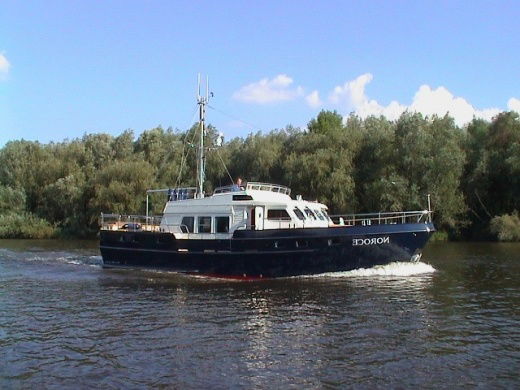


Images have been gathered from various sources and belong to their respective owners.
Review
2014 Altena Blue Water: What to Check Before Buying, Upgrading, or Cruising
If you’re looking into the 2014 Altena Blue Water, chances are you’re not just browsing casually. You’re probably trying to figure out whether this yacht is the right fit for your cruising plans, your budget, and your expectations on the water. That’s where things can get a little tricky.
A boat like the 2014 Altena Blue Water can be a great choice for long-range comfort, but only if you know what to look for. Many buyers and owners run into the same challenge: separating the boat’s real-world strengths from the issues that can come with age, maintenance history, and systems wear. A clean listing or a polished interior doesn’t always tell the full story.
The good news is that most of the common concerns around a yacht like this are manageable if you take a smart, methodical approach. Whether you’re thinking about buying, evaluating, or improving one, the key is knowing where problems usually show up and how to address them before they become expensive surprises. Let’s walk through the practical stuff that actually matters.
- Why the 2014 Altena Blue Water Still Gets Attention
The 2014 Altena Blue Water appeals to people who want a comfortable cruising yacht with a solid presence and a practical layout. It’s the kind of boat that tends to attract owners looking for longer stays aboard, relaxed coastal cruising, and a more sheltered ride than you’d get from a smaller day boat.
What makes it interesting is the balance between liveaboard comfort and seaworthy design. Depending on the exact configuration, these boats often offer generous interior volume, sensible deck space, and the kind of layout that works well for couples or families.
That said, the age of the vessel matters. A 2014 model is not old in yacht terms, but it is old enough that wear items, systems, and maintenance history become important. That’s usually where the real buying problem starts: people fall in love with the boat’s appearance and forget to inspect the parts that cost the most to fix.
- The Main Problem Buyers Face With a 2014 Altena Blue Water
The biggest issue is uncertainty.
With a pre-owned yacht, especially one built for comfort and cruising, the real question is not “Does it look good?” It’s “How well has it been maintained, and what will it cost to keep it reliable?”
Common concerns include:
- Engine and propulsion wear
- Electrical system aging
- Moisture intrusion or hidden leaks
- Interior wear from regular use
- Outdated navigation or onboard electronics
- Maintenance records that are incomplete or inconsistent
For many buyers, the problem is that these issues are not obvious during a quick walkthrough. A boat can feel turnkey while still having expensive underlying problems.
The solution is not to avoid the 2014 Altena Blue Water. It’s to inspect it like a serious cruiser, not a showroom display.
- What to Check First on a 2014 Altena Blue Water
If you’re evaluating one of these boats, start with the systems that affect safety, reliability, and operating cost.
- Engines and drivetrain
This should always be near the top of your list. Ask for service records, oil analysis if available, and hours on the engines. Look for signs of uneven idling, smoke, vibration, or delayed response when shifting.
Check for:
- Oil leaks
- Coolant issues
- Corrosion on fittings
- Worn belts and hoses
- Evidence of poor servicing
If the boat has been used regularly and serviced on schedule, that’s a good sign. Boats that sit too long often develop more problems than boats that are used and maintained correctly.
- Electrical systems
Yachts from this era often have a mix of original and upgraded components. That’s not necessarily bad, but it can create compatibility issues.
Inspect:
- Battery age and type
- Charger performance
- Shore power connections
- Inverter setup
- Fuse panels and labeling
- Corrosion at terminals
A messy electrical system is one of the easiest ways to turn a good boat into a frustrating one. Clean wiring and documented upgrades usually indicate a more careful owner.
- Plumbing and freshwater systems
Leaks, pump failures, and tank issues are common on cruising boats. Run taps, test pumps, and inspect bilges for signs of standing water or old repairs.
Pay attention to:
- Water pressure consistency
- Odors around tanks and drains
- Toilet function
- Hot water system performance
- Visible hose condition
Small plumbing problems can be annoying, but they can also hint at bigger maintenance habits.
- Hull, deck, and moisture checks
The structure of the boat matters just as much as the systems. Look closely for any soft spots, cracking, or signs of water intrusion around windows, fittings, hatches, and deck hardware.
Red flags include:
- Discoloration around seals
- Bubbling paint or gelcoat
- Soft areas underfoot
- Previous repairs that don’t match the surrounding finish
- Rust stains from hardware fittings
If possible, use a moisture meter and have a professional survey done. That’s one of the best ways to avoid hidden surprises.
- The 2014 Altena Blue Water and Comfort on Board
One reason people like this model is the comfort factor. But comfort can decline over time if the boat hasn’t been cared for properly.
Think about the areas you’ll use most:
- Salon seating
- Galley appliances
- Cabin ventilation
- Head and shower condition
- Storage access
- Noise and vibration levels underway
A boat can look great in photos and still feel tired in real life. Worn cushions, sticky doors, noisy fans, and outdated appliances may not sound serious, but they affect how enjoyable the boat is to own.
If you’re planning longer trips, these details matter even more. Comfort at anchor and comfort underway are what separate a good cruising boat from a boat that just looks impressive.
- Common Age-Related Issues to Expect
Even a well-maintained 2014 yacht will have some age-related wear. That’s normal. The trick is knowing what’s acceptable and what needs immediate attention.
Typical issues may include:
- Upholstery fading or seam wear
- Seals and gaskets drying out
- Minor corrosion on stainless fittings
- Electronics that are functional but dated
- Toilet and pump components needing replacement
- Exterior teak or non-skid showing wear
None of these automatically make the boat a bad buy. In fact, they can be useful negotiation points if you’re buying. The problem comes when several small issues point to a larger pattern of deferred maintenance.
A good rule of thumb: if you see multiple cosmetic issues and no service records, assume there may be hidden mechanical ones too.
- How to Solve the Problem: Inspect, Verify, Prioritize
If your concern is whether the 2014 Altena Blue Water is worth your time, the answer depends on a simple process.
- Inspect thoroughly
Don’t rely on photos, broker descriptions, or a short dockside visit. Get a full survey and, if possible, a separate engine inspection.
A proper inspection should include:
- Hull and deck condition
- Engine and generator checks
- Electrical and plumbing review
- Safety equipment verification
- Sea trial performance
- Moisture and corrosion assessment
This is the best way to turn uncertainty into facts.
- Verify the maintenance history
A boat with complete records is almost always easier to trust than one with a vague past. Look for:
- Annual service logs
- Engine maintenance documentation
- Refit receipts
- Parts replacement history
- Ownership timeline
If the owner can clearly explain what has been done and when, that’s a strong sign of responsible care.
- Prioritize the expensive systems first
If you do end up buying or restoring a 2014 Altena Blue Water, don’t start with cosmetics. Start with the systems that keep the boat running safely.
Priority order usually looks like this:
1. Engines and propulsion
2. Electrical system
3. Bilge and plumbing
4. Safety gear
5. Navigation electronics
6. Interior upgrades
7. Exterior cosmetics
That approach keeps you from spending money in the wrong places.
- Is the 2014 Altena Blue Water a Good Fit for Cruising?
For the right owner, yes.
It tends to suit people who value comfort, practical space, and a more relaxed style of boating. If you want a yacht that can handle weekends away, extended coastal cruising, or even liveaboard use depending on setup, it may be worth a close look.
It’s especially appealing if you care about:
- Interior livability
- Stable cruising comfort
- Practical deck layout
- A yacht feel without going overly large
But it may not be ideal if you want the newest electronics, the lowest maintenance workload, or a highly performance-focused vessel. Like many cruising yachts, the experience depends heavily on condition and upkeep.
- Smart Buying Tips for People Interested in the 2014 Altena Blue Water
If you’re actively shopping, these tips can save you time and money.
- Don’t buy on appearance alone
A polished finish can hide a lot. Focus on systems, records, and survey results.
- Compare several examples
Even within the same model year, condition can vary a lot. Looking at more than one boat gives you a better sense of value.
- Budget for immediate updates
Even a good boat may need:
- Battery replacement
- Electronics refresh
- Safety gear renewal
- Upholstery repair
- Service on pumps or valves
A realistic budget helps you avoid disappointment after purchase.
- Sea trial the boat properly
A dockside inspection only tells part of the story. Underway, you can spot:
- Steering issues
- Vibration
- Engine temperature problems
- Noise levels
- Comfort in different conditions
This is one of the most useful parts of the evaluation.
- Work with a surveyor who knows cruising yachts
Not every surveyor looks at boats the same way. You want someone who understands systems, structure, and real-world use, not just cosmetic condition.
- Maintenance Tips if You Already Own One
If you already own a 2014 Altena Blue Water, the best solution is consistency. Boats reward routine care.
A practical maintenance rhythm includes:
- Monthly engine room checks
- Regular battery testing
- Bilge inspection for water or oil
- Seasonal seal and hose inspection
- Annual service on engines and generators
- Cleaning and protecting exterior fittings
You should also keep a simple log of every repair and upgrade. That makes future troubleshooting much easier and preserves resale value.
If you use the boat often, pay extra attention to:
- Raw water strainers
- Battery charging health
- Toilet and freshwater systems
- Corrosion around shore power and metal fittings
A little prevention goes a long way on a yacht of this type.
- When the 2014 Altena Blue Water Is Worth It
This boat makes the most sense when the condition is strong and the maintenance history is clear.
It’s worth serious consideration if:
- The engines have been serviced regularly
- The hull and deck show no major moisture issues
- The electrical system is clean and functional
- The interior has been cared for, not just cleaned up for sale
- The asking price reflects age and any needed updates
In other words, the boat should match your expectations not just in style, but in ownership reality.
If you’re patient and thorough, you can find a well-kept example that offers a lot of cruising value. If you rush, you may end up buying someone else’s deferred maintenance problem.
- Conclusion
The 2014 Altena Blue Water can be a very appealing yacht for buyers who want comfort, practical cruising space, and a solid onboard experience. The main challenge is not the boat itself, but figuring out its true condition before you commit.
The smartest approach is simple: inspect carefully, verify maintenance records, and focus first on the systems that affect safety and reliability. If the boat checks out structurally and mechanically, it can be a rewarding option for relaxed cruising and longer stays aboard. If you’re still researching, use a survey, compare similar models, and take your time. A careful evaluation now can save you a lot of stress later—and help you enjoy the boat the way it was meant to be enjoyed.
Specifications
General
Boat Type: Power Boats
Class Type: Trawler
Specifications
Length: 49.05
Beam: 15.62
Draft: 5.41
Hull Material: Steel
Build
First Built: 2014
Propulsion
Fuel Type: Diesel
Engines: 2
Power: 175 HP
Brand: John Deere
Accomodation
Berths: 5
Cabins: 3
PROS & CONS
What we appreciated
 Sturdy and seaworthy design suitable for blue water cruisingWell-built with quality materials ensuring durabilityGood storage space for extended tripsComfortable interior layout for long voyagesReliable engine and systems for offshore reliability
What we didn’t appreciate
 Older model; may require more maintenanceLimited modern electronics compared to newer boatsPotentially higher fuel consumption due to designInterior design may feel outdated to someAvailability of spare parts might be limited
Upkeep Costs
Insurance: $800 - $1,500 per year
Storage/Mooring: $1,200 - $3,000 per year
Maintenance and Repairs: $1,000 - $2,500 per year
Fuel: $500 - $1,500 per year (depending on usage)
Registration and Taxes: $100 - $300 per year
Rating
0
User
Score
Score
Driveability
Technology
Interior
Design
Similar Boats


MarineBroker
Download now for an immersive boat experience like never before! ⛵✨ Your journey begins with a simple click. 🌊📲
#SetSailSmart #DownloadNow
#SetSailSmart #DownloadNow

Subscribe
Copyright 2017 - 2026, Marinebroker.net, All Rights Reserved