2010 Bavaria 43 Cruiser: What Buyers Should Know Before Choosing This Popular Family Cruiser
If you’ve been looking at the 2010 Bavaria 43 Cruiser, you’re probably already drawn to the same things most sailors notice first: the r...
Discover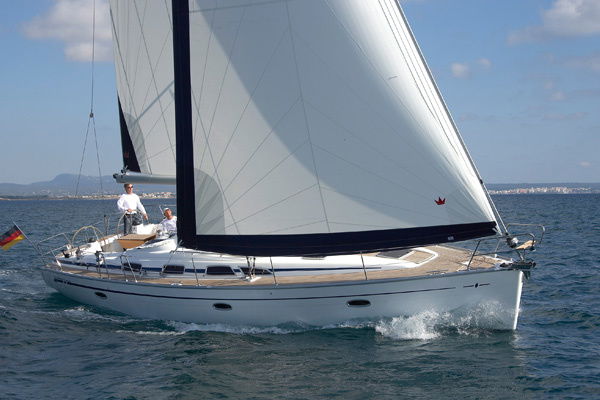


Images have been gathered from various sources and belong to their respective owners.
Latest Market Trends (Latest Available Year Model)
Price: $135,534
Review - Bavaria 43 Cruiser

MarineBroker
09/13/2024, 12:30 PM
2010 Bavaria 43 Cruiser: What Buyers Should Know Before Choosing This Popular Family Cruiser
If you’ve been looking at the 2010 Bavaria 43 Cruiser, you’re probably already drawn to the same things most sailors notice first: the roomy layout, comfortable cockpit, and reputation for easy cruising. It’s the kind of yacht that looks like it should fit perfectly into a relaxed family sailing plan, weekend escapes, or even longer coastal trips.
But here’s the real challenge: finding a used boat that seems ideal on paper is one thing, and choosing one that will actually be reliable, comfortable, and affordable to maintain is another. With a cruiser like this, the difference often comes down to condition, equipment, and how the boat has been used over the years.
That’s where a smarter approach helps. Instead of focusing only on model specs, it pays to understand the common strengths, the usual wear points, and what to check before making a decision. In this article, we’ll break down what makes the 2010 Bavaria 43 Cruiser appealing, what problems buyers should watch for, and how to evaluate whether one is the right fit for your sailing plans.
- Why the 2010 Bavaria 43 Cruiser still gets attention
The 2010 Bavaria 43 Cruiser sits in a sweet spot for many sailors. It offers the kind of space and layout that makes life aboard easy, while still being manageable for a couple or a small crew.
For many buyers, the appeal comes from a few key strengths:
- A practical three-cabin cruising layout
- A bright, open saloon with good headroom
- A cockpit sized for real cruising, not just day sailing
- Balanced sailing performance for coastal and offshore use
- A well-known production brand with broad parts and service support
This model was built during a period when Bavaria was focusing heavily on making cruising yachts more user-friendly. That means easy access, sensible storage, and a layout designed for comfort rather than pure racing performance.
For families, charter-style use, or sailors moving up from a smaller boat, that mix is attractive. It feels familiar, predictable, and workable.
- The main problem buyers face with a used Bavaria 43 Cruiser
The biggest issue isn’t usually the design itself. The real problem is that a 2010 cruiser may look tidy while hiding age-related maintenance needs.
That matters because boats of this size can become expensive quickly if several systems need attention at once. A boat might seem like a good deal, but if the rigging, sails, electronics, seacocks, canvas, and engine service history are weak, the true cost rises fast.
Common buyer concerns include:
- Hidden maintenance backlog
- Water ingress around fittings or deck hardware
- Worn standing rigging
- Aging upholstery and soft furnishings
- Old electronics that are no longer reliable
- Engine and saildrive service uncertainty
- Signs of hard charter use or inconsistent ownership
So the problem is not “Is the Bavaria 43 Cruiser a good boat?” The better question is: “Is this specific boat in good enough condition to justify the purchase?”
That’s the mindset that saves money and stress.
- What the 2010 Bavaria 43 Cruiser does well
Before getting into inspection points, it helps to understand why this model remains popular.
- Comfortable interior space
The 43 Cruiser was designed with livability in mind. The saloon is typically bright and practical, with enough room for extended time aboard. Cabins are usually arranged to support family cruising, guest use, or charter-style flexibility.
For buyers who want a boat they can actually spend time on, this is a major plus.
- Easy handling for a boat of its size
Many owners appreciate that the boat is relatively straightforward to sail with a small crew. The cockpit layout, sail controls, and general deck ergonomics support relaxed cruising.
That makes it appealing for couples who don’t want an overly demanding boat.
- Good coastal and passage-making capability
This is not a pure performance yacht, but it is capable enough for real cruising. With the right sail plan and a well-maintained rig, it can handle extended trips comfortably.
- Strong market recognition
Because Bavaria boats are widely known, buyers often have access to more market data, maintenance advice, and used parts support than with some less common brands.
That can make ownership easier, especially for first-time buyers of a larger cruising yacht.
- The key areas to inspect on a 2010 Bavaria 43 Cruiser
This is where practical buying decisions happen. If you’re serious about a boat, focus on systems that are expensive to repair and common to age.
- Hull and deck condition
Start with the basics. Look carefully for:
- Stress cracks around stanchions, chainplates, and winches
- Soft spots in the deck
- Signs of water intrusion around deck fittings
- Previous repairs or mismatched gelcoat
- Blisters or osmotic issues below the waterline
A 2010 boat should not automatically have major structural issues, but age plus use can create problems around high-load points.
Pay special attention to the deck hardware. If fittings have been moved, resealed poorly, or ignored for years, leaks can spread into the core or interior joinery.
- Standing rigging
If the standing rigging is original, that’s a major consideration.
Even when it looks fine, stainless rigging has a service life. Many buyers and surveyors treat 10–15 years as a practical replacement window depending on use and condition. For a 2010 boat, this means the rigging may already be at or beyond the point where replacement should be budgeted.
Check:
- Shrouds and forestay for corrosion or broken strands
- Mast step and spreader areas
- Chainplates for movement or staining
- Turnbuckles and terminals for wear
- Mast wiring and lights
A rigging replacement can be a big expense, but it’s far cheaper than dealing with a failure underway.
- Sails and running rigging
A boat can look ready to go while the sails are tired and the lines are stretched out.
Inspect:
- Main sail shape and reef points
- Genoa UV strip condition
- Stitching on seams and patches
- Halyards, sheets, and control lines
- Winch operation and clutch condition
If the sails are baggy or the stitching is failing, performance drops and handling becomes less pleasant. For a cruiser, that often means more effort for less reward.
- Engine and saildrive
The engine is one of the most important parts of any used cruising yacht purchase.
Check the service records first. You want evidence of:
- Regular oil and filter changes
- Impeller replacement
- Belt inspections
- Coolant maintenance
- Fuel system servicing
- Saildrive maintenance and seal replacement history
Look for leaks, excessive smoke, corrosion, and unusual vibration. If the boat has a saildrive, ask specifically about the diaphragm or seal replacement schedule.
A well-maintained diesel can run for years. A neglected one can turn your “good deal” into a repair project.
- Electrical system and electronics
Many 2010-era boats now have mixed-generation electronics. That’s normal, but it can be inconvenient if the system is patched together.
Check:
- Battery age and charging setup
- Shore power system
- Circuit breaker panel condition
- Nav instruments and chartplotter compatibility
- Wind, speed, and depth transducers
- Cabin lighting and bilge pump operation
Older electronics are not always a deal-breaker, but they should be priced realistically. If several major components are outdated, replacement costs can add up quickly.
- Interior condition and signs of use
Inside, look beyond cosmetics.
A clean interior is nice, but what matters more is whether the boat has been dry, ventilated, and properly maintained. Check for:
- Musty smells
- Water staining around hatches and portlights
- Delamination or swelling in joinery
- Loose hinges and worn latches
- Mold in lockers or under cushions
- Condition of upholstery and flooring
If a boat has spent time in charter use, the interior may show heavier wear even if it looks acceptable at first glance.
- Common ownership patterns and what they mean
The history of a 2010 Bavaria 43 Cruiser matters just as much as the boat itself.
- Private ownership
A privately owned boat often shows more personality and better care, especially if the owner kept records and handled maintenance consistently.
Look for:
- Clear service logs
- Receipts for upgrades
- Evidence of winter storage
- A sensible list of improvements rather than random fixes
- Charter use
Many boats of this type have seen charter service. That’s not automatically bad, but it changes the inspection approach.
Charter boats may have:
- More wear on upholstery and deck gear
- Higher engine hours
- More frequent cosmetic repairs
- Mixed-quality upgrades from different operators
The upside is that charter boats are often maintained to keep them operational. The downside is that they may have been used hard and repaired minimally.
- Long-term cruising ownership
A boat used for extended cruising may have great equipment but also more mileage on the systems.
Check whether the boat has been outfitted for practical use or simply worn by continuous service.
- How to decide if the 2010 Bavaria 43 Cruiser is the right fit
A boat like this works best for buyers who want comfort, simplicity, and a proven cruising layout.
It’s a strong match if you want:
- A family-friendly cruising yacht
- Enough space for weekends or longer trips
- Manageable sailing for a couple
- A boat with broad market recognition
- A balance of comfort and practicality over pure speed
It may not be the best fit if you want:
- A high-performance sailing experience
- Very light displacement and sporty handling
- A boat that needs little or no updating
- A turn-key yacht with no budget for maintenance
The key is matching the boat to your expectations. If you want a comfortable cruiser and are realistic about upkeep, this model can make a lot of sense.
- Practical buying tips to avoid costly mistakes
Here’s the part that helps most buyers: how to approach the purchase like a pro.
- Always get a survey
Even if the boat appears clean, a proper survey is worth it. A surveyor will spot issues that a casual viewing can miss, especially with structural, moisture, and rigging concerns.
- Ask for full maintenance records
No records usually means more risk. Good records don’t guarantee perfection, but they show the boat was treated like a serious asset.
- Budget for immediate upgrades
Even a good boat often needs something right away. Plan for:
- Safety equipment replacement
- Battery upgrades
- Sails or canvas repairs
- Rigging service
- Antifouling and anode replacement
- Minor leaks and seal repairs
A sensible reserve budget helps prevent frustration after purchase.
- Test everything onboard
Don’t rely on a dockside glance. Test:
- Engine start and idle
- Steering under load
- Electronics
- Pumps
- Toilets
- Hatches and locking systems
- All winches and clutches
Small failures often point to larger maintenance habits.
- Compare against similar boats, not just asking price
A low asking price can be misleading if the boat needs major work. Compare condition, equipment, and service history across multiple listings.
Sometimes the better deal is the boat that costs a little more upfront but needs less work later.
- Why this model can still be a smart cruising choice
The 2010 Bavaria 43 Cruiser remains relevant because it solves a common sailing problem: how to get a spacious, comfortable cruiser without moving into a much larger and more expensive yacht.
For many sailors, that’s the sweet spot. You get a boat that feels substantial, but not overwhelming. You can cruise with family or friends, enjoy decent comfort at anchor, and handle maintenance without entering superyacht territory.
The real value comes when the boat has been cared for properly. In that case, it can offer years of enjoyable cruising with predictable ownership costs.
If the boat has visible neglect, though, the equation changes fast. That’s why condition and history matter so much more than the model name alone.
- Final thoughts on buying a 2010 Bavaria 43 Cruiser
The 2010 Bavaria 43 Cruiser is appealing for good reason: it offers space, comfort, and practical cruising ability in a package that works for many types of sailors. But like any used boat, the smartest purchase is not the one that looks best in photos. It’s the one with a solid service history, sensible upkeep, and manageable next-step repairs.
If you’re evaluating one, focus on the big-ticket items first: rigging, engine, sails, deck condition, and signs of water intrusion. That approach will tell you far more than a polished interior ever could. With careful inspection and realistic budgeting, this model can be a very rewarding choice for cruising-minded buyers. If you’re still comparing options, it’s worth looking at similar boats in the same size range and building a checklist before you visit your next listing.
Specifications
General
Boat Type: Sail Boats
Class Type: Cruiser
Specifications
Length: 42.98
Beam: 13.12
Draft: 5.91
Hull Material: GRP
Build
First Built: 2010
Propulsion
Fuel Type: Diesel
Engines: 1
Power: 40 HP
Brand: Volvo Penta
Accomodation
PROS & CONS
What we appreciated
 Spacious and comfortable interior layout suitable for families and longer tripsGood sailing performance with a balanced hull designWell-equipped with modern amenities and quality fittingsLarge cockpit area providing excellent social spaceReliable and easy to handle for both novice and experienced sailors
What we didn’t appreciate
 Older model, may require more maintenance and updatesEngine options can be underpowered for heavy cruising conditionsLimited storage space compared to newer modelsSome interior materials may show wear due to ageNot as nimble in very light wind conditions compared to lighter boats
Upkeep Costs
Annual insurance: $800 - $1,200
Docking/Marina fees: $2,000 - $5,000 per year
Maintenance and repairs: $1,500 - $3,000 per year
Fuel: $1,000 - $2,500 per year (depending on usage)
Winter storage and commissioning: $1,000 - $2,000 per year
Rating
7.3
User
Score
Score
Driveability
Technology
Interior
Design
Similar Boats


MarineBroker
Download now for an immersive boat experience like never before! ⛵✨ Your journey begins with a simple click. 🌊📲
#SetSailSmart #DownloadNow
#SetSailSmart #DownloadNow

Subscribe
Copyright 2017 - 2026, Marinebroker.net, All Rights Reserved