Boat Database » Alloy Yachts Kaizen
Alloy Yachts Kaizen
Inboard Direct-Drive, Diesel, 1x 1000 HP
Sail Boats 2000 Alloy Yachts Kaizen: What Buyers and Enthusiasts Should Know Before You Dive In
If you’ve been searching for information on the 2000 Alloy Yachts Kaizen, you’re probably not just looking for specs. You’re likely trying to an...
Discover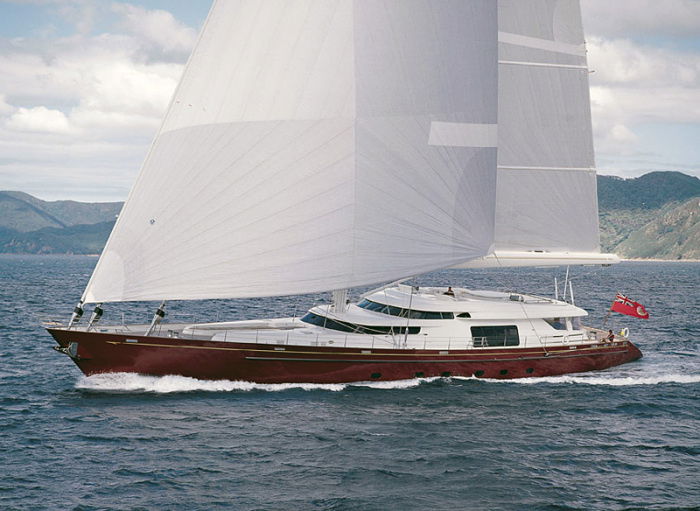
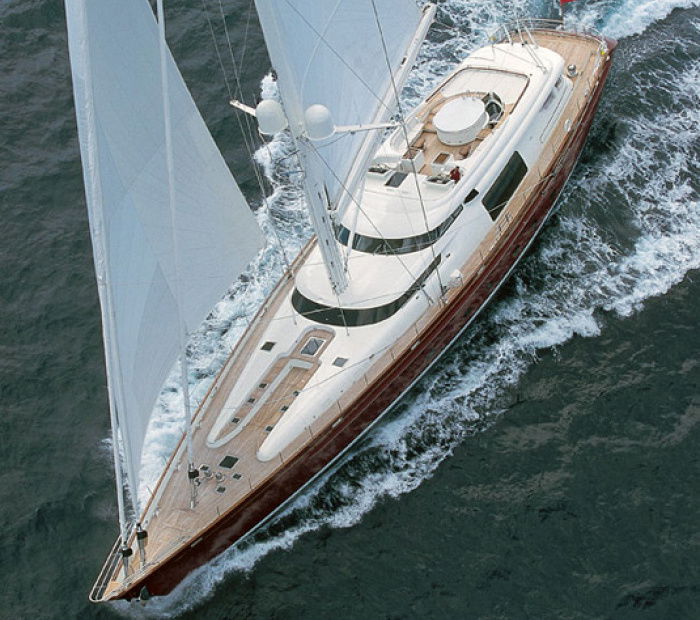
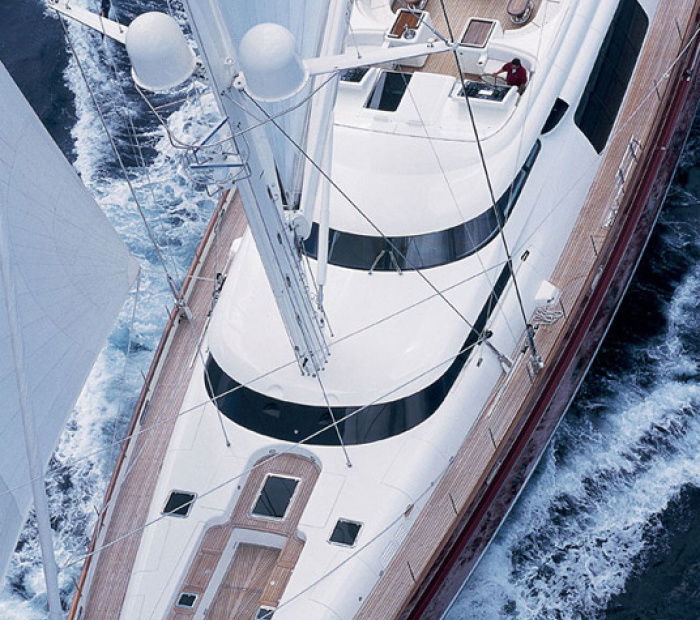

Images have been gathered from various sources and belong to their respective owners.
Review - Alloy Yachts Kaizen

MarineBroker
02/19/2024, 5:02 AM
2000 Alloy Yachts Kaizen: What Buyers and Enthusiasts Should Know Before You Dive In
If you’ve been searching for information on the 2000 Alloy Yachts Kaizen, you’re probably not just looking for specs. You’re likely trying to answer a bigger question: *Is this yacht the right fit, and what should I watch out for before making a decision?* That’s a smart place to start.
A yacht like Kaizen isn’t just another boat listing. It represents a specific era of custom yacht building, where quality, performance, and long-range cruising comfort all had to work together. But when people research a yacht from 2000, the challenge is usually the same: how do you separate the genuinely useful details from the fluff, especially if you’re comparing older luxury yachts, planning a purchase, or trying to understand what ownership really involves?
That’s where things get interesting. With a yacht such as the 2000 Alloy Yachts Kaizen, the real value comes from knowing what to inspect, what to expect, and how to judge whether it’s been maintained properly. In other words, the solution isn’t just admiring the boat — it’s learning how to evaluate it with confidence.
- Understanding the 2000 Alloy Yachts Kaizen
The 2000 Alloy Yachts Kaizen belongs to a category of yachts that attract serious attention from experienced owners and enthusiasts. Alloy Yachts has long been associated with aluminum construction, custom craftsmanship, and offshore capability, which means boats from this builder often appeal to people who care about both style and substance.
For anyone considering a yacht from this period, the main attraction is usually the balance between classic build quality and practical cruising ability. A well-kept vessel from a respected yard can still offer excellent value, but only if you know what to look for.
That’s the key issue for many prospective buyers and admirers: older luxury yachts can be fantastic, but they also require a more informed approach. A boat’s age doesn’t tell the whole story. Maintenance history, refits, engine condition, systems updates, and hull integrity matter far more than the year alone.
- Why People Search for the 2000 Alloy Yachts Kaizen
Most people looking up the 2000 Alloy Yachts Kaizen are trying to solve one of a few common problems.
Some want to know whether the yacht is still a smart purchase in today’s market. Others are trying to compare it with similar custom yachts from the same era. And many simply want to understand what kind of ownership experience comes with a vessel like this.
The usual concerns include:
- Is the yacht structurally sound?
- Has it been refitted or updated?
- What kind of maintenance does an older alloy yacht need?
- How does it compare to newer yachts in the same size range?
- Is it better suited for private cruising, charter use, or long-distance passage making?
These are all fair questions. The good news is that older yachts like this can still be excellent choices when approached with the right checklist and the right expectations.
- What Makes Alloy Yachts Stand Out
Alloy Yachts built a strong reputation for custom aluminum yachts designed for serious cruising. Aluminum offers a few major advantages over other materials, especially for larger yachts.
Here’s why that matters:
- It’s strong but relatively light
- It can be easier to repair than some composite structures
- It performs well for long-range cruising
- It often supports custom layouts and engineering
For a yacht like Kaizen, that kind of build approach usually means the boat was designed with real offshore use in mind, not just dockside appearance. That’s a big reason these yachts continue to draw interest years later.
Of course, aluminum also comes with responsibilities. If the vessel has suffered from poor maintenance, corrosion, or neglected systems, those issues can become expensive. So while the material itself is a strength, condition is everything.
- The Main Problem: Older Luxury Yachts Can Hide Costly Issues
This is the big challenge with any yacht from 2000, including the 2000 Alloy Yachts Kaizen.
On the surface, an older yacht may look polished and impressive. But beneath that exterior, there may be aging systems, outdated electronics, worn mechanical components, or refit work that was done partially rather than thoroughly.
Common issues buyers should think about include:
- Electrical systems that may no longer meet current standards
- Engines and generators nearing or past major service intervals
- Teak decks or exterior finishes needing replacement
- Plumbing, air conditioning, and HVAC components aging out
- Navigation electronics that are obsolete
- Signs of corrosion or fatigue around fittings and welds
This is why buying or evaluating an older yacht without a clear inspection process can be risky. The boat may still be beautiful, but beauty alone doesn’t tell you what it will cost to own.
- How to Judge the Condition of the 2000 Alloy Yachts Kaizen
If you’re serious about understanding the 2000 Alloy Yachts Kaizen, condition is the first thing to focus on.
A proper evaluation should look at four major areas:
- Structure
- Machinery
- Systems
- History
Let’s break those down.
- Structure
Start with the hull, deck, superstructure, and any high-stress areas. On an aluminum yacht, you want to check for corrosion, repairs, fairing issues, and signs of impact or stress.
Pay close attention to:
- Weld seams
- Around windows and deck fittings
- Bilge areas
- Mast step or rigging attachment points, if applicable
- Any areas with dissimilar metals that could cause corrosion
A well-built aluminum yacht can last a long time, but only if it has been cared for properly.
- Machinery
Engines and generators are often where the biggest ownership costs show up. If the vessel has high hours, that doesn’t automatically make it a bad buy, but it does mean service records matter even more.
Look for:
- Full maintenance logs
- Recent oil analysis
- Major overhauls or rebuilds
- Cooling system service
- Generator history
- Spare parts availability
If records are missing, assume you’ll need to budget more aggressively.
- Systems
Older yachts often have systems that were excellent in their day but now feel outdated. That doesn’t mean they’re unusable, but it does affect convenience, reliability, and resale value.
Check:
- Electrical panels
- Batteries and charging systems
- Watermakers
- Air conditioning
- Pumps and plumbing
- Navigation and communications equipment
A good refit can bring these systems up to modern standards. A partial refit, on the other hand, can leave you with a yacht that looks updated but still behaves like an older boat.
- History
This may be the most important part of all.
A yacht with a careful owner, professional crew, and consistent yard work can be a much better option than a “cheaper” boat that has been neglected. Ask for:
- Survey reports
- Refit invoices
- Class or compliance documents
- Ownership history
- Logbooks
- Warranty or service documentation, if available
The more complete the paper trail, the easier it is to make a confident decision.
- What Buyers Should Look for in a Yacht Like Kaizen
If you’re evaluating the 2000 Alloy Yachts Kaizen or a similar yacht, focus on value instead of just asking whether the asking price is “good.”
A real value assessment should include:
1. Current condition
2. Cost of near-term upgrades
3. Maintenance history
4. Cruising goals
5. Future resale potential
For example, a yacht that needs a major electronics upgrade, new soft goods, and mechanical servicing may still be a good purchase if the hull and engines are solid. But if those expenses push the total cost too close to a better-maintained alternative, the smarter choice may be elsewhere.
That’s the practical solution: don’t compare asking price alone. Compare total ownership cost.
- How the 2000 Alloy Yachts Kaizen Fits Different Ownership Goals
One of the best ways to decide whether a yacht like this is right for you is to match it to your actual use case.
- For long-range cruising
A well-maintained Alloy Yachts vessel can be a strong candidate for extended passages. The aluminum construction, custom layout potential, and offshore-oriented design philosophy usually support this kind of use.
But long-range cruising also demands reliability. That means systems must be fully tested, not just visually appealing.
- For private family use
If you want a yacht for comfortable family trips, the appeal is often in the layout, stability, and onboard comfort. The challenge is making sure the interior and hospitality systems are up to modern expectations.
- For charter or guest use
Older yachts can work well in charter-style environments if they’ve been refitted and kept in excellent condition. Guest comfort, safety systems, and presentation become especially important here.
- For collectors and enthusiasts
Some buyers care less about pure practicality and more about pedigree, craftsmanship, and design. If that’s you, then the 2000 Alloy Yachts Kaizen may be appealing as part of a broader appreciation for custom yacht building.
- Practical Inspection Tips Before You Buy or Research Further
If you’re in the market for a yacht like this, here’s a simple checklist that can save a lot of trouble later.
- Hire an independent marine surveyor
- Review maintenance records before making assumptions
- Test all major systems underway, not just at dock
- Inspect for corrosion in hidden spaces
- Budget for immediate upgrades, not just long-term ones
- Verify that safety equipment is current and compliant
- Ask whether recent work was done professionally or as a cosmetic fix
A lot of buyers focus too much on the “wow factor” and not enough on the hidden costs. The best approach is calm, methodical, and evidence-based.
- Common Mistakes People Make When Evaluating Older Yachts
When people get excited about a yacht like the 2000 Alloy Yachts Kaizen, they sometimes make the same avoidable mistakes.
Here are the big ones:
- Assuming a famous builder means perfect condition
- Ignoring maintenance gaps because the boat looks polished
- Underestimating refit costs
- Not checking the age of critical systems
- Failing to plan for insurance and survey requirements
- Comparing only size and appearance instead of total ownership cost
The solution is simple, but not always easy: slow down and inspect the facts.
- Why Refits Matter So Much
For a yacht built in 2000, refits can completely change the ownership experience.
A good refit can improve:
- Reliability
- Safety
- Comfort
- Fuel efficiency
- Resale value
- Overall usability
But not all refits are equal. Cosmetic upgrades may make a yacht look fresh while leaving the important systems untouched. A true value-adding refit usually prioritizes the mechanical and electrical backbone first, then moves to interior and exterior presentation.
If you’re looking at the 2000 Alloy Yachts Kaizen, ask not just *what has been updated?* but also *what still needs attention?*
- The Smart Way to Approach a Yacht Like This
The best strategy is to treat the yacht as a complete project, not just a product.
That means thinking in three layers:
- What is the yacht today?
- What will it need in the next 12–24 months?
- What will ownership likely cost over time?
This mindset helps you avoid emotional decisions. It also gives you a more realistic picture of whether the yacht fits your budget, your cruising plans, and your expectations.
For many buyers, that’s the real solution to the problem of researching an older custom yacht: replace guesswork with process.
- Final Thoughts on the 2000 Alloy Yachts Kaizen
The 2000 Alloy Yachts Kaizen is the kind of yacht that rewards careful attention. It represents the appeal of custom aluminum construction, thoughtful design, and serious cruising potential, but it also comes with the usual realities of older yacht ownership.
The main takeaway is simple: don’t judge it by age alone. Focus on condition, maintenance, refit quality, and how well it matches your goals. If those pieces line up, a yacht like this can still be a very compelling option.
If you’re exploring the 2000 Alloy Yachts Kaizen further, take your time, review the records, and lean on expert inspection. That approach will give you the clearest picture and help you make a much smarter decision.
Specifications
General
Boat Type: Sail Boats
Class Type: Cruiser
Specifications
Length: 159.12
Beam: 33.14
Draft: 23.95
Hull Material: Aluminium
Build
First Built: 2000
Propulsion
Fuel Type: Diesel
Engines: 1
Power: 1000 HP
Brand: Caterpillar
Accomodation
Cabins: 5
PROS & CONS
What we appreciated
 High-quality alloy construction for durability and reduced weightSleek and modern design with excellent aestheticsSpacious deck layout suitable for comfortable cruisingGood performance and handling in various sea conditionsWell-maintained with potential for customization and upgrades
What we didn’t appreciate
 Older model, may require updates to electronics and systemsLimited availability of specific replacement parts due to agePotentially higher maintenance costs compared to newer boatsInterior layout might be less optimized compared to modern designsResale value may be lower compared to newer or more popular models
Upkeep Costs
Insurance: $1,200 - $3,000 per year
Maintenance and Repairs: $5,000 - $10,000 per year
Docking/Marina Fees: $2,000 - $5,000 per year
Fuel: $1,000 - $3,000 per year
Winter Storage: $1,000 - $2,500 per year
Rating
7.9
User
Score
Score
Driveability
Technology
Interior
Design
Similar Boats


MarineBroker
Download now for an immersive boat experience like never before! ⛵✨ Your journey begins with a simple click. 🌊📲
#SetSailSmart #DownloadNow
#SetSailSmart #DownloadNow

Subscribe
Copyright 2017 - 2026, Marinebroker.net, All Rights Reserved