2010 Bavaria 31 Cruiser: What to Check Before You Buy and How to Keep It Sailing Smoothly
If you’re looking at a 2010 Bavaria 31 Cruiser, you’re probably already attracted to the same things many sailors love about it: easy handl...
Discover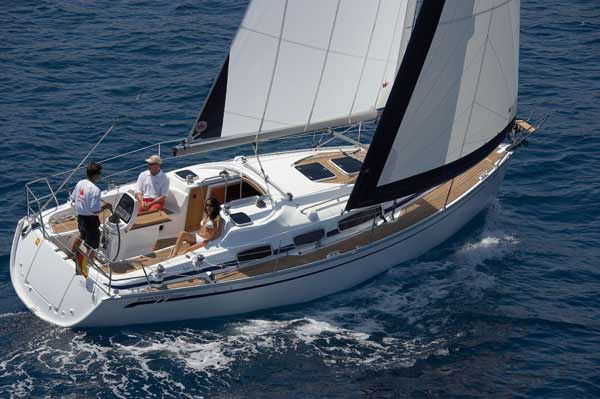
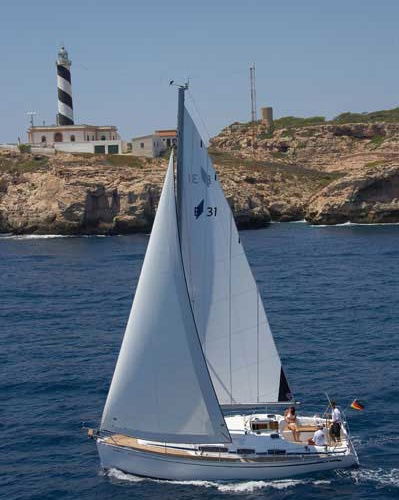
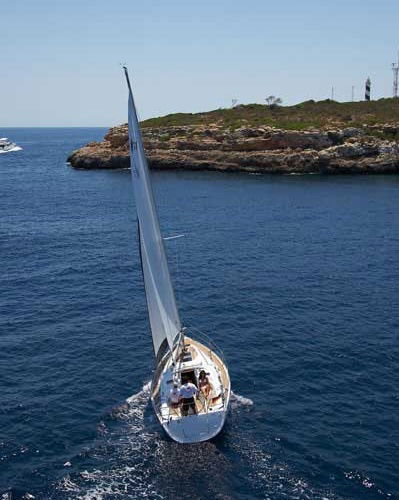

Images have been gathered from various sources and belong to their respective owners.
Latest Market Trends (Latest Available Year Model)
Price: $64,545
Review - Bavaria 31 Cruiser

MarineBroker
09/12/2024, 8:41 AM
2010 Bavaria 31 Cruiser: What to Check Before You Buy and How to Keep It Sailing Smoothly
If you’re looking at a 2010 Bavaria 31 Cruiser, you’re probably already attracted to the same things many sailors love about it: easy handling, practical layout, and a size that works well for coastal cruising and weekend escapes. It’s a popular boat for good reason, but like any used cruiser, the real challenge isn’t just finding one that looks good in photos. The bigger issue is figuring out whether it has been cared for properly and what it may need in the near future.
That’s where many buyers and owners get stuck. A boat can appear clean, updated, and ready to go, while still hiding expensive maintenance needs under the surface. Rigging, sails, seacocks, engine service history, keel bolts, and moisture issues are all things that can turn a “good deal” into a costly surprise.
The good news is that most of these risks can be managed with a smart inspection plan and a realistic maintenance approach. In this article, we’ll walk through the most important things to check on a 2010 Bavaria 31 Cruiser, the common problem areas to watch for, and the practical steps that help you enjoy the boat with fewer headaches.
- What Makes the 2010 Bavaria 31 Cruiser So Popular?
The 2010 Bavaria 31 Cruiser sits in a sweet spot for many sailors. It’s large enough to feel comfortable for a couple or small family, but not so big that docking, handling, or upkeep become overwhelming.
A few reasons it stands out:
- Good balance between interior comfort and manageable sailing performance
- Popular layout for cruising, with practical storage and usable living space
- Generally straightforward systems, which can make maintenance easier
- Strong resale interest because it appeals to a broad range of sailors
For buyers, that popularity is both a benefit and a warning sign. A well-kept example can be a very sensible purchase. A neglected one, however, may look attractive simply because the model is well known and easy to market.
That’s why the smartest approach is not to ask whether the boat is “good” in general. Instead, ask whether the specific boat in front of you has been maintained in a way that matches its age and use.
- The Main Problem: Hidden Wear on a Used Cruiser
The biggest issue with any used sailboat, including the 2010 Bavaria 31 Cruiser, is that wear doesn’t always show up where you expect it.
A boat can have:
- Fresh upholstery
- Polished gelcoat
- A tidy cabin
- A working engine at dockside
But still need serious work in places you can’t see immediately.
Common hidden problems on used cruisers include:
- Aging standing rigging
- Worn sails
- Moisture intrusion around fittings
- Exhaust or cooling system issues
- Old batteries or electrical quirks
- Corrosion in seacocks or thru-hulls
- Neglected rudder bearings or steering components
These issues are especially important because they tend to stack up. One small maintenance gap may not be a deal breaker, but several together can create a very expensive first season.
The practical solution is to inspect the boat like a systems project, not just a cosmetic purchase.
- 2010 Bavaria 31 Cruiser: Key Areas to Inspect First
If you’re evaluating a 2010 Bavaria 31 Cruiser, focus on the areas that most often affect safety, reliability, and budget.
- Standing Rigging and Mast Hardware
If the rigging is original or near-original, it deserves close attention. Even if it looks fine, stainless wire can fatigue over time.
Check for:
- Broken strands near swages and terminals
- Corrosion around chainplates and fittings
- Loose mast step or deck hardware
- Signs of water ingress at deck penetrations
Many sailors use a rough rule of thumb that standing rigging should be replaced around the 10-year mark, depending on use and conditions. For a 2010 boat, that means the rigging history matters a lot.
If there’s no clear record of replacement, budget as if it may be due.
- Sails and Running Rigging
Sails often tell the truth about how a boat has been used.
Look for:
- UV damage on the leech and foot
- Stretching or loss of shape
- Chafe at reef points and corners
- Worn sheets, halyards, and control lines
A cruiser can still sail with tired sails, but performance and handling suffer. If you’re buying the boat for relaxed cruising, that may be acceptable for a season or two. If you want easy, confident sailing, plan for sail condition to matter.
- Engine and Drive System
On a boat of this size, the engine is a major part of everyday reliability.
Check:
- Service records and oil change intervals
- Cooling system condition
- Belt wear
- Fuel filter maintenance
- Transmission operation
- Shaft alignment or saildrive condition, if fitted
A dockside start is not enough. You want to know how the engine behaves under load and whether there are signs of overheating, vibration, leaks, or poor maintenance.
If the boat has a saildrive, inspect the seal history carefully. That component can become an expensive surprise if ignored.
- Electrical System
Many older cruisers develop electrical issues simply because batteries age, wiring gets modified, and previous owners add equipment in stages.
Look for:
- Battery age and capacity
- Shore power safety
- Charger and inverter condition
- Corrosion at terminals
- Proper fuse protection
- Clean, labeled wiring
A neat electrical panel is a good sign, but it doesn’t guarantee the system is sound. Boats often hide messy wiring behind panels, under bunks, or near the engine compartment.
- Hull, Deck, and Moisture Points
The hull and deck should be checked for structural integrity, not just appearance.
Pay attention to:
- Soft spots on the deck
- Stress cracks around fittings
- Water stains below deck hardware
- Moisture around windows and hatches
- Keel joint condition
- Rudder movement and bearing play
A moisture meter and a good surveyor are very useful here. Small leaks can lead to core damage over time, especially around deck fittings and hardware that get regular load.
- Cabin Layout and Comfort: Why It Matters More Than You Think
One reason people like the 2010 Bavaria 31 Cruiser is that it offers a practical cruising interior. But comfort is not just about looks.
When you’re spending weekends or longer trips aboard, small details become big ones:
- Ventilation
- Storage access
- Galley usability
- Berth comfort
- Head layout
- Easy movement through the cabin
A boat that feels spacious at the dock can feel cramped underway if storage is awkward or if the layout doesn’t suit your sailing style.
For example, a couple doing coastal cruising may value a simple, open saloon and easy galley access. A family might care more about berth flexibility and privacy. The best boat is the one that fits your real use, not just the brochure description.
- The Smart Buyer’s Checklist for a 2010 Bavaria 31 Cruiser
Before you commit, use a practical checklist. This helps you separate a well-maintained boat from one that just looks ready.
- Ask for documentation
Request:
- Engine service history
- Rigging replacement records
- Sail invoices or age estimates
- Antifouling and haul-out history
- Electrical upgrade receipts
- Survey reports if available
Good records often tell you more than a verbal reassurance.
- Inspect under load, not just at rest
A boat can look perfect while stationary. Try to see:
- Engine running at cruising RPM
- Steering response
- Winch operation
- Sail handling if possible
- Bilge condition after use
This helps reveal vibration, leaks, or handling issues that don’t show up while tied up.
- Bring a surveyor who knows sailboats
A general inspection is useful, but a surveyor with sailboat experience can spot rigging, deck, and structural issues faster. That can save you from missing costly problems.
- Budget for first-season work
Even a good used boat usually needs something. Common first-season items include:
- Fresh impeller and filters
- Battery replacement
- Standing rigging evaluation
- Safety gear updates
- Hose and clamp replacement
- Bottom cleaning and antifouling
Planning for these costs makes ownership much less stressful.
- Common Maintenance Priorities After Purchase
If you buy a 2010 Bavaria 31 Cruiser, the first goal is not upgrades. It’s reliability.
Start with the essentials:
- Change engine fluids and filters
- Inspect and service the cooling system
- Test all seacocks and thru-hulls
- Replace any suspect hoses
- Check battery health and charging output
- Review fire extinguishers and safety equipment
- Inspect standing and running rigging
- Confirm bilge pumps work properly
After that, move into comfort and performance improvements.
Good upgrade priorities might include:
- Better navigation electronics
- Improved battery monitoring
- LED lighting
- New mattress or berth cushions
- Sail trim improvements
- Cockpit canvas or UV protection
This sequence matters because it keeps you from spending on convenience before the boat is dependable.
- How to Solve the Most Common Ownership Problems
The best way to avoid trouble with a used cruiser is to treat maintenance as a system, not a reaction.
Here’s a simple approach:
- Make a boat-specific maintenance log
Write down:
- Service dates
- Parts replaced
- Known issues
- Expiration dates for safety gear
- Seasonal tasks
This prevents “I think we did that last year” problems.
- Fix leaks early
Even a small leak can lead to bigger issues like core damage, mold, and electrical corrosion. Any sign of water intrusion should be taken seriously.
- Replace aging consumables on schedule
Items like:
- Batteries
- Belts
- Impellers
- Hoses
- Seals
- Running rigging
These are not glamorous, but they are the difference between a reliable season and a frustrating one.
- Don’t ignore cosmetic clues
Peeling sealant, stained headliners, or rusty fasteners often point to deeper issues. Cosmetic problems are sometimes just cosmetic, but on boats they frequently hint at water or maintenance neglect.
- Keep the boat simple where possible
Many cruising owners get into trouble by overcomplicating systems. Unless you truly need a high-tech setup, simplicity often means fewer failures and easier troubleshooting.
- Is the 2010 Bavaria 31 Cruiser a Good Fit for You?
This boat makes sense if you want a cruiser that is:
- Manageable for a small crew
- Comfortable for weekend sailing or short trips
- Practical rather than flashy
- Easy enough to maintain with a sensible routine
It may be less ideal if you want:
- A highly performance-focused racer
- A large liveaboard platform
- A boat with lots of modern upgrades already installed
The key is matching the boat to your expectations. A well-cared-for 2010 Bavaria 31 Cruiser can be a very enjoyable and practical sailing boat. But like most used cruisers, it rewards buyers who check details carefully and plan for maintenance instead of assuming everything is ready to go.
- Practical Tips for a Better Ownership Experience
If you already own one, or you’re close to buying, these habits will make a big difference:
- Sail the boat regularly so systems stay active
- Rinse and inspect hardware after heavy use
- Keep the bilge clean and dry
- Test electronics before every season
- Service the engine before problems appear
- Protect sails from UV and chafe
- Recheck critical fasteners and fittings annually
Small, consistent care usually costs less than major repairs later.
For many owners, the real enjoyment of a boat like the 2010 Bavaria 31 Cruiser comes from knowing it’s ready when they are. That confidence doesn’t happen by accident. It comes from good records, regular inspections, and fixing small issues before they become big ones.
- Conclusion
The 2010 Bavaria 31 Cruiser remains an appealing option for sailors who want a comfortable, practical cruiser with broad appeal. The main challenge is not the model itself, but the condition of the individual boat you’re considering. Hidden wear in rigging, sails, engine systems, and deck hardware can quickly change the ownership experience if you don’t check carefully.
The best solution is a simple one: inspect thoroughly, ask for records, budget for early maintenance, and focus first on safety and reliability. If you do that, you’re much more likely to end up with a boat that delivers relaxed sailing instead of surprise repairs. If you’re still researching, take your time, compare examples, and look for the one that has been maintained with real care.
Specifications
General
Boat Type: Sail Boats
Class Type: Cruiser
Specifications
Length: 32.05
Beam: 11.06
Draft: 6.14
Hull Material: GRP
Build
First Built: 2010
Propulsion
Fuel Type: Diesel
Engines: 1
Power: 20 HP
Brand: Volvo Penta
Accomodation
PROS & CONS
What we appreciated
 Spacious interior layout suitable for family cruisingGood build quality with reliable German engineeringComfortable cockpit with decent seating and protectionEasy handling and maneuverability for a 31-foot cruiserAmple storage space for extended trips
What we didn’t appreciate
 Older model with potential for outdated electronics and systemsLimited engine power may affect performance in rough conditionsSmaller fuel and water tanks compared to larger cruisersInterior headroom can be restrictive for taller individualsMaintenance costs may increase due to age of the boat
Upkeep Costs
Annual maintenance: $1,200 - $2,000
Docking/Marina fees: $1,500 - $3,000 per year
Insurance: $400 - $800 per year
Fuel: $300 - $700 per year (depending on usage)
Winter storage and shrink wrap: $800 - $1,500

Rating
6.9
User
Score
Score
Driveability
Technology
Interior
Design
Similar Boats


MarineBroker
Download now for an immersive boat experience like never before! ⛵✨ Your journey begins with a simple click. 🌊📲
#SetSailSmart #DownloadNow
#SetSailSmart #DownloadNow

Subscribe
Copyright 2017 - 2026, Marinebroker.net, All Rights Reserved