2024 Alaska 55 Sedan: What Buyers Should Know Before Choosing a Long-Range Cruiser
If you’ve been looking at the 2024 Alaska 55 Sedan, chances are you’re not just shopping for a boat — you’re trying to solve a bigger problem: fin...
Discover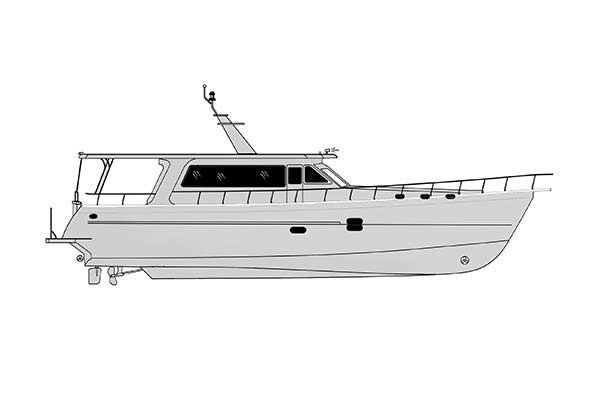


Images have been gathered from various sources and belong to their respective owners.
Review
2024 Alaska 55 Sedan: What Buyers Should Know Before Choosing a Long-Range Cruiser
If you’ve been looking at the 2024 Alaska 55 Sedan, chances are you’re not just shopping for a boat — you’re trying to solve a bigger problem: finding a cruiser that feels comfortable, capable, and practical enough for real time on the water. A lot of boats look great on paper, but once you start thinking about family weekends, longer passages, docking in tighter marinas, or handling changing weather, the picture gets more complicated.
That’s where the 2024 Alaska 55 Sedan stands out as a serious option for people who want a balance of range, livability, and easy cruising. Still, choosing the right boat at this size takes more than admiring the layout. You need to think about how you’ll actually use it, what kind of waters you’ll run, and whether the design supports your boating style.
In this article, we’ll break down the main things to consider, the common challenges buyers face, and how the Alaska 55 Sedan can fit into the solution when you want a capable sedan-style cruiser without unnecessary complexity.
- Why the 2024 Alaska 55 Sedan attracts attention
The 2024 Alaska 55 Sedan sits in a sweet spot for buyers who want a yacht that feels substantial but not overwhelming. At this size, you get meaningful interior volume, better offshore comfort, and enough space for extended weekends or even longer cruising plans.
For many boaters, the real appeal is versatility. A sedan-style layout often gives you a practical helm area, good visibility, and usable living space without the extra height and windage that can come with more towering designs. That matters when you’re docking, anchoring, or moving through variable conditions.
This type of boat often appeals to:
- Couples planning extended cruising
- Families who want room to spread out
- Owners moving up from smaller express cruisers
- Boaters who value comfort over flashy top speed
- People who want a capable platform for coastal or inland cruising
The key question isn’t whether a 55-footer is impressive. It’s whether the boat actually supports the way you plan to use it.
- The real problem buyers face: balancing comfort, handling, and practicality
A lot of people shopping for a boat like the 2024 Alaska 55 Sedan run into the same issue: they want the space and comfort of a larger yacht, but they don’t want the stress that sometimes comes with bigger boats.
That tension shows up in a few common ways.
- Too much boat, too much hassle
Some larger cruisers deliver great interior space but become cumbersome in marinas, fuel docks, or narrow waterways. If a boat feels intimidating to handle, owners may use it less often.
- Too little comfort for real cruising
On the other hand, smaller boats can be easier to run but may feel cramped after a few days aboard. Storage, sleeping arrangements, and social space become limiting factors fast.
- The wrong layout for your habits
A boat can have impressive specs and still be a poor fit if the layout doesn’t match your routine. For example, if you entertain often, you’ll care about salon flow and galley placement. If you cruise with guests, cabin separation matters. If you spend long hours underway, helm ergonomics become a big deal.
- Hidden ownership frustrations
Beyond the brochure, buyers often worry about:
- Docking and maneuverability
- Maintenance demands
- Fuel economy at cruising speeds
- Noise and vibration underway
- Whether the boat feels stable in chop
- How easy it is to move around safely on deck
The practical solution is to focus on how the boat solves these everyday pain points, not just how it looks in photos.
- What makes a sedan-style cruiser a smart solution
For many boaters, a sedan-style yacht is the middle ground they’ve been looking for. It can provide the comfort of a larger cruising boat while staying more approachable than a flybridge-heavy design.
Here’s why that matters.
- Better all-around usability
A sedan layout often keeps the center of gravity lower and the profile cleaner. That can help with handling and make the boat feel more manageable in wind and tight quarters.
- More natural indoor-outdoor flow
Many sedan cruisers are designed around easy movement between the helm, salon, and cockpit. That makes day-to-day use more enjoyable, whether you’re hosting friends or just relaxing after a run.
- Practical cruising comfort
When you’re spending multiple nights aboard, the details matter:
- Enough headroom
- Good storage
- A functional galley
- Comfortable sleeping arrangements
- Easy access to bathrooms and systems
The 2024 Alaska 55 Sedan is relevant here because it’s the kind of boat that can be evaluated through this lens. Instead of asking, “Is it luxurious?” the better question is, “Does it make cruising easier and more enjoyable?”
- 2024 Alaska 55 Sedan: features to evaluate before you buy
If you’re seriously considering the 2024 Alaska 55 Sedan, it helps to look at the boat in terms of real use rather than just headline features.
- Helm and visibility
A comfortable helm is more important than many first-time buyers realize. Good visibility reduces fatigue and makes close-quarters maneuvering less stressful.
Look for:
- Clear sightlines while seated and standing
- Logical placement of controls
- Space for electronics and navigation tools
- A helm chair or seating arrangement that supports longer runs
- Salon and social space
The salon should feel like a place you actually want to spend time, not just walk through. On a boat this size, the main living area becomes the center of life aboard.
Useful questions:
- Can several people sit comfortably?
- Is there a natural conversation area?
- Does the space feel open without being wasted?
- Are windows placed to bring in light and visibility?
- Galley function
A good cruising boat needs a galley that works for more than just snacks. Even if you’re not cooking elaborate meals, you want a setup that supports real use.
Consider:
- Counter space
- Refrigeration capacity
- Storage for cookware and provisions
- Access while underway or at anchor
- Ventilation and lighting
- Cabin layout
Sleeping comfort is one of the biggest reasons people move up to a 55-footer. If the cabins are awkward or too tight, the boat may still fail to deliver the experience you want.
Think about:
- Privacy between sleeping areas
- Mattress size and access
- Hanging locker and drawer storage
- Whether guests can settle in without disrupting the main living space
- Deck safety and movement
A practical cruising boat should make it easy to move around without feeling exposed or cramped. Safe side decks, sturdy handholds, and thoughtful steps all contribute to confidence on board.
This is especially important if you cruise with:
- Children
- Older guests
- Pets
- Crew members who are less experienced
- How to know if the 2024 Alaska 55 Sedan fits your boating style
The best boat for you is the one that matches your habits. That sounds obvious, but many buyers get distracted by size, styling, or brand reputation and forget to compare the boat against their actual use case.
Ask yourself these questions:
- Do I plan to cruise for weekends, weeks, or longer?
- Will I primarily boat with a partner or with guests?
- Do I want to handle the boat mostly myself, or will I have help?
- Am I comfortable with the operating costs of a 55-foot cruiser?
- Do I value interior comfort more than top-end speed?
- Will I use the boat in calm inland waters, coastal areas, or more variable conditions?
If your answers lean toward extended comfort, practical cruising, and manageable handling for the size, the 2024 Alaska 55 Sedan becomes more compelling.
If your boating is mostly quick day trips, you may be paying for features and space you won’t fully use.
- The ownership reality: what people often underestimate
A lot of buyers focus on the purchase decision and underestimate the day-to-day realities of ownership. A 55-footer is still a serious boat, and that means serious planning.
- Docking and marina access
Not every marina is equally friendly to boats of this size. Slip availability, turning room, and berth costs can all affect how often you use the boat.
- Maintenance and upkeep
More boat usually means more maintenance. Systems, finishes, cleaning, and inspections all take time and money.
Common areas to budget for:
- Engine servicing
- Hull cleaning
- Waxing and detailing
- Electronics maintenance
- Safety gear replacement
- Winterization or seasonal storage
- Fuel and running costs
The most practical way to enjoy a cruiser is to understand its operating profile. A boat may perform well at cruising speed but become expensive if you push it hard all the time.
A smarter approach is to:
- Plan your cruising speed
- Estimate fuel use based on typical trips
- Factor in load, weather, and sea state
- Compare realistic usage, not just ideal conditions
- Crew confidence
If you’re not used to operating a larger vessel, confidence matters. A boat that feels intuitive and predictable is more likely to get used often and enjoyed more fully.
- Practical ways to solve the “right boat” problem
If you’re trying to decide whether the 2024 Alaska 55 Sedan is the right fit, the solution is to evaluate it the same way you’d evaluate a home: by lifestyle, comfort, and long-term usability.
Here’s a simple approach.
- 1. Make a real use checklist
Write down how you actually plan to use the boat:
- Number of passengers
- Typical trip length
- Waters you’ll run
- Overnight frequency
- Storage needs
- Docking conditions
- 2. Prioritize must-haves over nice-to-haves
It’s easy to get distracted by extras. Focus on the features that directly affect your experience:
- Easy helm operation
- Good cabin layout
- Practical storage
- Safe deck movement
- Comfortable seating and sleeping
- 3. Compare the boat against your current frustrations
If your current boat feels too small, too wet, too noisy, or too hard to manage, make sure the new one actually solves those problems.
- 4. Think beyond the first season
A boat that feels exciting today should still make sense after a year of ownership. Ask whether it will still fit your routine once the novelty wears off.
- 5. Sea trial with a purpose
When you test a boat, don’t just cruise around and admire it. Pay attention to:
- Visibility from the helm
- Noise levels underway
- Ease of docking
- Movement through the cabin
- How secure the deck feels
- How the boat behaves in turns and chop
- Why the 2024 Alaska 55 Sedan can be a practical answer
The 2024 Alaska 55 Sedan is worth attention because it fits a common and very real boating need: people want a cruiser that feels comfortable and capable without becoming too complicated to enjoy.
That’s a big deal.
For the right buyer, this kind of boat offers:
- Enough space for meaningful time aboard
- A layout that supports relaxed cruising
- A manageable profile compared with taller designs
- The kind of comfort that encourages longer trips
- A balance of function and livability
It’s not about chasing the biggest boat or the fastest one. It’s about choosing a platform that makes boating easier, more comfortable, and more rewarding over time.
- Tips for getting the most value from a boat like this
If you end up moving forward with a boat in this category, a few habits can make ownership smoother.
- Keep a seasonal maintenance schedule
- Store gear in labeled, easy-to-reach places
- Learn the boat’s systems before your first long trip
- Practice docking in calm conditions before busy weekends
- Keep a simple onboard checklist for departure and return
- Review fuel, water, and battery usage regularly
These small steps reduce stress and help you enjoy the boat more often.
- Who should seriously consider the 2024 Alaska 55 Sedan
This boat is especially relevant if you:
- Want a cruiser for extended weekends or longer trips
- Prefer comfort and livability over flashy performance
- Need a layout that works for family or guests
- Value easier handling than you’d get from a taller, more top-heavy design
- Want a boat that feels substantial without being excessive
If that sounds like your situation, the 2024 Alaska 55 Sedan deserves a close look.
- Conclusion
Choosing a boat at this level is really about solving a lifestyle problem: how to get more comfort, space, and cruising ability without making ownership feel overwhelming. The 2024 Alaska 55 Sedan fits into that conversation because it offers a practical path for buyers who want a capable sedan-style cruiser with real livability.
The smartest move is to evaluate it based on how you’ll actually use it, not just on specs or appearance. Focus on layout, handling, storage, and long-term comfort. If those pieces line up with your goals, you’re much closer to finding the right boat for your kind of cruising. For anyone comparing options in this class, it’s worth digging deeper, asking the right questions, and exploring more resources before making a final decision.
Specifications
General
Boat Type: Power Boats
Class Type: Trawler
Specifications
Length: 60.04
Beam: 17.06
Draft: 3.77
Hull Material: GRP
Build
First Built: 2024
Propulsion
Fuel Type: Diesel
Engines: 2
Power: 715 HP
Brand: Cummins
Accomodation
Berths: 6
Cabins: 3
Bathrooms: 2
PROS & CONS
What we appreciated
 Spacious and comfortable cabin suitable for extended tripsHigh-quality construction with durable materialsStrong performance in rough sea conditionsAmple storage space for gear and suppliesEfficient fuel consumption for its size
What we didn’t appreciate
 Higher price point compared to similar modelsLimited availability of dealer service centersHeavier weight may affect trailering easeInterior design might feel dated to some usersLimited customization options from factory
Upkeep Costs
Fuel: Approximately $15,000 - $25,000 per year depending on usage
Maintenance and Repairs: $8,000 - $12,000 per year
Insurance: $3,000 - $6,000 per year
Docking and Storage: $5,000 - $10,000 per year
Annual Registration and Taxes: $500 - $1,500 per year
Rating
0
User
Score
Score
Driveability
Technology
Interior
Design
Similar Boats


MarineBroker
Download now for an immersive boat experience like never before! ⛵✨ Your journey begins with a simple click. 🌊📲
#SetSailSmart #DownloadNow
#SetSailSmart #DownloadNow

Subscribe
Copyright 2017 - 2026, Marinebroker.net, All Rights Reserved