Boat Database » Aegean Yacht Dvi Marije
Aegean Yacht Dvi Marije
Inboard Direct-Drive, Diesel, 1x 360 HP
Sail Boats 2004 Aegean Yacht Dvi Marije: What Buyers and Owners Should Know Before Making a Move
If you’re looking into the 2004 Aegean Yacht Dvi Marije, chances are you’re not just browsing casually. You’re probably trying to figure out wh...
Discover

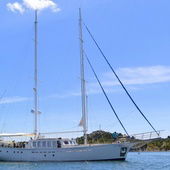
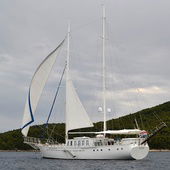
Images have been gathered from various sources and belong to their respective owners.
Review - Aegean Yacht Dvi Marije

MarineBroker
02/01/2024, 4:28 AM
2004 Aegean Yacht Dvi Marije: What Buyers and Owners Should Know Before Making a Move
If you’re looking into the 2004 Aegean Yacht Dvi Marije, chances are you’re not just browsing casually. You’re probably trying to figure out whether this yacht is a smart buy, how it compares to other boats in its class, and what kind of ownership experience to expect. That’s a very normal place to be, especially with a yacht that has a distinct profile and a name that stands out.
The biggest challenge for many interested buyers is not finding information, but making sense of it. Older yachts can be excellent value, but only if you understand the condition, maintenance history, layout suitability, and refit needs. A yacht like the 2004 Aegean Yacht Dvi Marije may offer strong cruising potential, but the real question is whether it fits your plans, budget, and expectations.
In this article, we’ll break down what to look for, the common issues to watch out for, and how to approach the decision with confidence. Whether you’re considering a purchase, comparing options, or simply researching the yacht, this guide will help you move forward with a clearer picture.
- What Makes the 2004 Aegean Yacht Dvi Marije Worth a Closer Look
The 2004 Aegean Yacht Dvi Marije belongs to a segment of yachts that often attract serious cruisers, charter-minded buyers, and people who appreciate a more substantial onboard experience. Boats from this era can offer a lot of value because they were typically built with long-range use in mind, and many have sturdy construction and practical layouts.
That said, age matters. A yacht built in 2004 is old enough that systems, fittings, and finishes may have seen significant wear. So the appeal is not just in the design or reputation of the builder, but in how well the yacht has been cared for over time.
For many buyers, the real value comes down to three things:
- Build quality
- Maintenance history
- Suitability for intended use
If those three line up, a yacht like this can be a very rewarding option.
- The Main Problem: Buying an Older Yacht Without Knowing Its True Condition
The most common issue people face with a yacht like the 2004 Aegean Yacht Dvi Marije is uncertainty. Photos and listings can make almost any vessel look appealing, but they rarely tell the full story. What matters is what’s happening behind the scenes: engines, electrical systems, plumbing, hull condition, and structural integrity.
A yacht can appear clean and well-presented while still hiding expensive problems.
Typical concerns with older yachts include:
- Outdated electronics
- Worn mechanical systems
- Moisture intrusion or hidden water damage
- Aging upholstery and interior finishes
- Deferred maintenance from previous owners
- Corrosion or fatigue in critical components
This is why many buyers feel stuck. They like the boat, but they don’t know how much it will cost to make it truly reliable. The solution is not to avoid older yachts altogether. It’s to evaluate them properly.
- How to Evaluate the 2004 Aegean Yacht Dvi Marije the Smart Way
If you’re seriously interested in the 2004 Aegean Yacht Dvi Marije, the best approach is to assess it as a complete package rather than focusing only on appearance or asking price. A good-looking yacht is not always a good-value yacht.
Start with the basics:
- Confirm the hull material and construction quality
- Review the engine hours and service records
- Check whether major systems have been upgraded
- Ask for a full maintenance and refit history
- Inspect the interior for signs of moisture or structural wear
A professional marine survey is essential. It may feel like an extra expense, but it’s often the best money you’ll spend. A survey can reveal issues that are easy to miss during a casual walkthrough.
If possible, combine the survey with a sea trial. That gives you a better sense of:
- Engine performance
- Steering response
- Noise and vibration levels
- Stability underway
- Comfort in real operating conditions
This is especially important if you plan to cruise regularly or spend extended time onboard.
- Key Areas to Inspect Before You Buy
When looking at an older yacht, certain systems deserve extra attention. Even if the vessel has been well cared for, age alone means some components may be near the end of their service life.
- Engine and propulsion
The engine room tells a big part of the story. Look for leaks, rust, worn belts, corrosion, and signs of poor maintenance. Ask when the last major service was completed and whether any critical parts have already been replaced.
If the yacht has twin engines or a complex propulsion setup, make sure both sides have been maintained equally. Uneven wear can lead to expensive imbalance later.
- Electrical system
Older yachts often accumulate modifications over the years. That can mean mixed wiring standards, outdated panels, or amateur repairs. A clean, well-labeled electrical system is a good sign. A messy one is a warning flag.
Check for:
- Battery age and condition
- Shore power compatibility
- Generator performance
- Charging systems
- Evidence of overheating or corrosion
- Plumbing and tanks
Freshwater, gray water, and black water systems can become troublesome as boats age. Pumps may weaken, hoses can harden, and tanks may develop odor or leaks. These are not glamorous issues, but they matter a lot for liveability.
- Deck and hull condition
Inspect the hull carefully for blisters, repairs, stress cracks, or signs of previous grounding. On deck, look at fittings, hatches, rails, and seals. Water intrusion can spread slowly and become costly if ignored.
- Interior condition
Interior wear is expected on a yacht from 2004, but the question is whether it’s cosmetic or structural. Faded upholstery is manageable. Soft floors, warped bulkheads, or persistent mildew are bigger concerns.
- Why Maintenance History Matters More Than Age
A well-maintained 2004 yacht can be a better purchase than a poorly cared-for newer one. That’s especially true for the 2004 Aegean Yacht Dvi Marije, where the value depends heavily on how the boat has been used and maintained.
A complete service record helps answer questions like:
- Were engines serviced on schedule?
- Have through-hulls and hoses been replaced?
- Was the vessel stored properly in the off-season?
- Have major systems been upgraded?
- Were repairs done professionally or patched temporarily?
When records are missing, you’re taking on more risk. That doesn’t automatically rule out the yacht, but it should affect your price expectations and your inspection process.
A good rule of thumb: if the seller can clearly explain the boat’s maintenance story, that’s a positive sign. If the answer is vague, proceed carefully.
- Is the 2004 Aegean Yacht Dvi Marije a Good Fit for Your Plans?
Not every yacht suits every owner. Before getting too attached, think about how you actually plan to use the boat.
This yacht may be a good fit if you want:
- Comfortable coastal or extended cruising
- A yacht with a more substantial feel
- A platform that can be upgraded over time
- A vessel with charter or family use potential
It may be less ideal if you want:
- Very low upkeep
- The latest technology and styling
- Minimal refit work
- A boat that is ready to go with no surprises
The key is matching the boat to your expectations. Some owners enjoy improving and personalizing a yacht. Others want a turnkey setup. Knowing which type you are will save you a lot of frustration.
- Common Refits and Upgrades to Consider
If you do move forward with the 2004 Aegean Yacht Dvi Marije, you may want to budget for upgrades. Even a well-maintained yacht from this era can benefit from modernization.
Common improvement areas include:
- Navigation electronics
- Battery banks and charging systems
- Upholstery and soft furnishings
- Air conditioning or climate control
- Lighting upgrades to LED
- Safety equipment replacement
- Dinghy and tender gear
- Anchoring system improvements
These upgrades are not just about comfort. They can improve reliability, efficiency, and resale value.
A smart refit plan usually focuses on the systems that affect safety and usability first, then moves on to aesthetics. That way, you’re not spending money on cosmetic changes while ignoring more important technical needs.
- How to Estimate Ownership Costs Realistically
One of the biggest mistakes yacht buyers make is focusing only on the purchase price. For an older vessel like the 2004 Aegean Yacht Dvi Marije, ownership costs can be just as important as the initial investment.
You should think about:
- Annual maintenance
- Engine servicing
- Haul-out and bottom work
- Insurance
- Dockage or mooring fees
- Fuel consumption
- Unexpected repairs
- Refits and upgrades
A practical approach is to set aside a reserve fund for maintenance. Older yachts often need something every season, even if it’s minor. That’s part of the deal.
If you’re buying a boat that has been lightly used, the systems may still need attention simply because age affects materials even when hours are low. Rubber, seals, electronics, and hoses all deteriorate over time.
- What to Ask the Seller or Broker
Asking the right questions can save you from a lot of guesswork.
Useful questions include:
- How long have you owned the yacht?
- What major work has been completed recently?
- Are there service records available?
- Has the yacht ever been damaged or repaired structurally?
- When were the engines last overhauled?
- Have any systems been upgraded?
- Is there a recent survey report?
Pay attention not just to the answers, but to how quickly and clearly they are provided. A well-documented yacht usually comes with a paper trail.
If the seller seems defensive about normal questions, that’s worth noting.
- Why a Professional Survey Is Non-Negotiable
If there’s one step you should not skip, it’s the survey. A marine surveyor can check for issues that most buyers would never spot on their own.
A proper survey may include:
- Hull inspection
- Moisture readings
- Structural checks
- Mechanical review
- Electrical assessment
- Safety equipment review
For a yacht like the 2004 Aegean Yacht Dvi Marije, this is especially important because older vessels can have a mix of original and updated systems. That mix can be perfectly fine, but only if it’s been done properly.
The survey report also gives you leverage. If issues are found, you can negotiate repairs or price adjustments before closing.
- When the 2004 Aegean Yacht Dvi Marije Makes Sense Most
This yacht may make the most sense for buyers who value character, space, and cruising capability over brand-new finishes. If you’re comfortable with a bit of project management and want a yacht you can shape to your needs, it could be a strong candidate.
It’s especially worth considering if:
- The maintenance record is strong
- The major mechanical systems check out
- The layout suits your cruising style
- The asking price leaves room for upgrades
- You’re prepared for normal ownership upkeep
In other words, this is the kind of yacht that rewards careful buyers. It’s not necessarily a “buy and forget” boat. But for the right owner, that’s part of the appeal.
- Practical Buying Checklist
Before making an offer, run through this simple checklist:
- Review full service and ownership history
- Hire an independent marine surveyor
- Complete a sea trial
- Inspect engines, wiring, plumbing, and hull condition
- Estimate near-term refit costs
- Compare the yacht with similar listings
- Make sure the boat fits your planned use
This process helps you separate emotion from facts. That’s important, because yachts can be easy to fall in love with quickly.
- Final Thoughts on the 2004 Aegean Yacht Dvi Marije
The 2004 Aegean Yacht Dvi Marije can be an appealing option for buyers who understand the realities of older yacht ownership. The main challenge is not the age itself, but knowing whether the boat has been properly maintained and whether it fits your goals. With a careful inspection, a thorough survey, and a realistic budget, you can avoid costly surprises and make a much better decision.
If you’re researching this yacht, focus on condition, documentation, and long-term usability rather than just the listing appearance. That approach will help you see whether it’s a genuine opportunity or a boat that needs more work than it’s worth. For anyone serious about the purchase, taking the time to inspect, compare, and plan is the smartest move you can make.
Specifications
General
Boat Type: Sail Boats
Class Type: Cruiser
Specifications
Length: 78.74
Beam: 24.61
Draft: 9.19
Hull Material: GRP
Build
First Built: 2004
Propulsion
Fuel Type: Diesel
Engines: 1
Power: 360 HP
Brand: Iveco
Accomodation
Cabins: 5
PROS & CONS
What we appreciated
 Classic and elegant design with traditional craftsmanshipSturdy wooden construction providing solid durabilitySpacious deck layout suitable for leisure and socializingReliable inshore and coastal cruising capabilitiesWell-maintained examples often feature quality fittings and finishes
What we didn’t appreciate
 Older model may require more frequent maintenance and repairsWooden hull demands regular upkeep to prevent rot and damageLimited modern amenities compared to contemporary yachtsPotentially less fuel-efficient than newer designsSmaller engine power may limit speed and range
Upkeep Costs
Annual maintenance and repairs: $3,000 - $7,000
Docking and mooring fees: $1,500 - $5,000 per year
Insurance: $800 - $2,000 per year
Fuel costs: $1,000 - $4,000 per year (depending on usage)
Winter storage and haul-out: $500 - $2,000 per year
Rating
7.0
User
Score
Score
Driveability
Technology
Interior
Design
Similar Boats


MarineBroker
Download now for an immersive boat experience like never before! ⛵✨ Your journey begins with a simple click. 🌊📲
#SetSailSmart #DownloadNow
#SetSailSmart #DownloadNow

Subscribe
Copyright 2017 - 2026, Marinebroker.net, All Rights Reserved