Boat Database » Admiral Petratara
Admiral Petratara
Inboard Direct-Drive, Diesel, 2x 1450 HP
Power Boats 2014 Admiral Petratara: What Buyers Should Know Before Making a Move
If you’re looking into the 2014 Admiral Petratara, you’re probably already past the casual browsing stage. At this point, most people want the same thing: a cle...
Discover
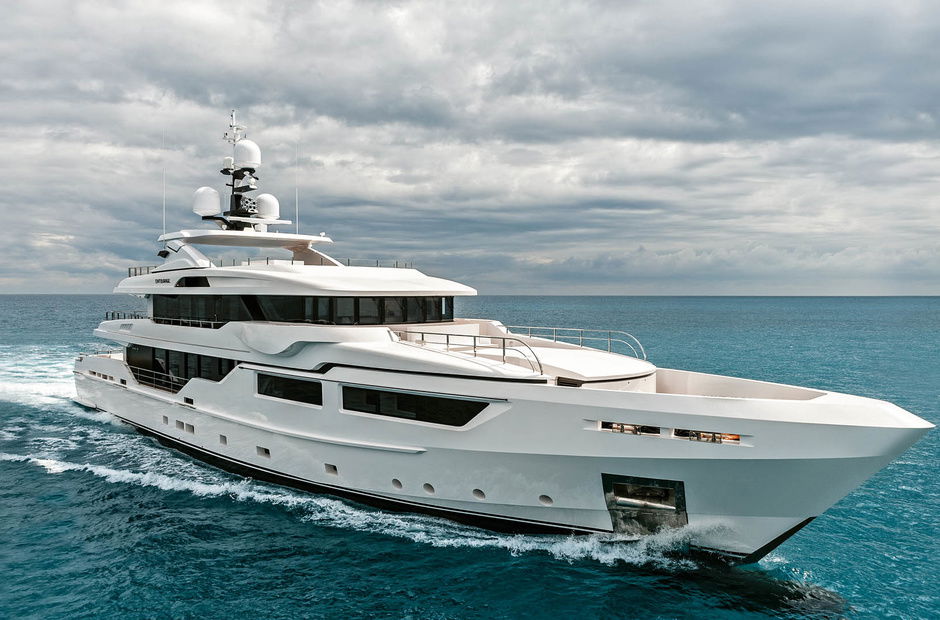
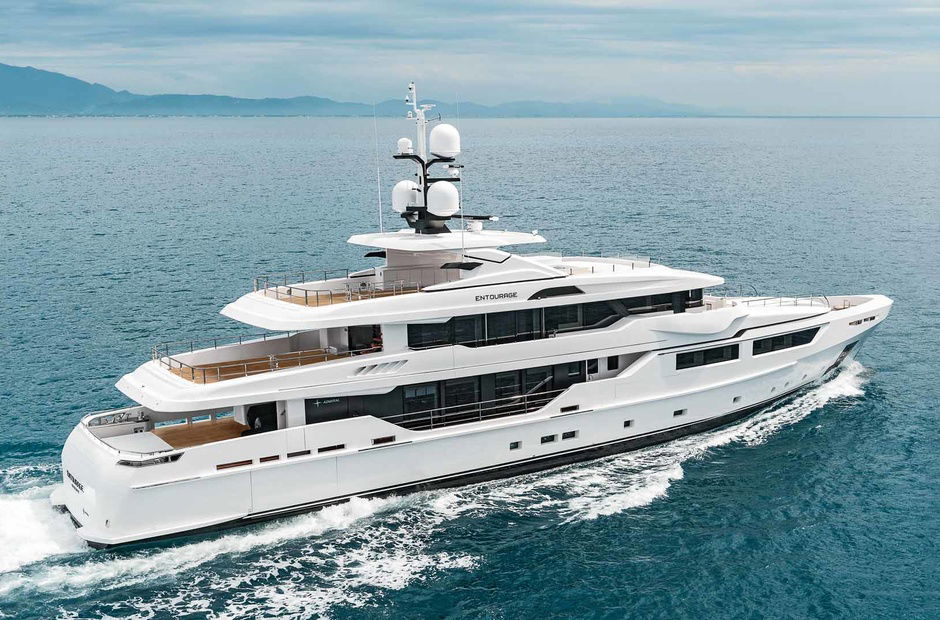

Images have been gathered from various sources and belong to their respective owners.
Review - Admiral Petratara

MarineBroker
01/21/2024, 4:24 AM
2014 Admiral Petratara: What Buyers Should Know Before Making a Move
If you’re looking into the 2014 Admiral Petratara, you’re probably already past the casual browsing stage. At this point, most people want the same thing: a clear idea of what this yacht is really like, what to watch out for, and whether it fits their boating plans without turning into a headache later.
That’s a smart approach. With any used luxury yacht, the biggest problem usually isn’t the price tag alone — it’s making sure the boat has been maintained properly, inspected carefully, and matched to your actual needs. A vessel like the 2014 Admiral Petratara can be an exciting option, but only if you know how to evaluate it with the right checklist.
The good news is that most of the common risks can be managed. With a little structure, you can separate the impressive features from the practical realities and make a more confident decision. In this article, we’ll walk through the main things to consider, the common issues buyers run into, and the best way to approach a yacht like this without overcomplicating the process.
- Why the 2014 Admiral Petratara attracts attention
The 2014 Admiral Petratara sits in a category that naturally draws interest from buyers who appreciate a mix of style, size, and presence. Admiral yachts are known for their sleek design language and strong performance reputation, which makes them appealing to people who want something that feels both elegant and capable.
For many buyers, the attraction is not just the brand name. It’s the idea of stepping into a yacht that already has a proven track record, while still offering the kind of onboard experience that feels special. That said, buying a used yacht is never just about looks.
The real question is whether the boat has been cared for in a way that supports long-term ownership. A well-kept yacht can be a pleasure. A poorly maintained one can become a constant source of repairs, downtime, and unexpected expense.
- The main problem buyers face with a used yacht
When people search for a yacht like the 2014 Admiral Petratara, the hidden problem is usually uncertainty. Specs and photos can look great, but they don’t tell the full story.
Common concerns include:
- Hidden mechanical wear
- Deferred maintenance
- Cosmetic fixes masking deeper issues
- Outdated onboard systems
- Higher-than-expected operating costs
- Unclear service history
This is especially important with a yacht that’s several years old. Even a premium build can develop issues over time if it hasn’t been used and maintained correctly.
A lot of buyers focus on the asking price first. But the real cost of ownership includes surveys, refits, fuel, crew, docking, insurance, and ongoing service. If you ignore those factors, the purchase can feel affordable at first and expensive very quickly.
- What makes the 2014 Admiral Petratara worth a closer look
One reason the 2014 Admiral Petratara stands out is that Admiral yachts often appeal to buyers who want a more refined onboard experience. That usually means strong attention to layout, finish quality, and visual impact.
For the right buyer, this kind of yacht can offer:
- A stylish profile that still feels modern
- Comfortable spaces for entertaining or relaxing
- A layout designed for longer time aboard
- The prestige that comes with a recognized yacht name
But the value is not just in the design. It’s in how the yacht has aged. A boat from 2014 can still be a strong option if the engines, systems, and interior have been properly maintained. In many cases, a well-documented used yacht is more attractive than a newer one with an unknown history.
That’s why the inspection stage matters so much. The boat’s condition will tell you more than the listing ever can.
- How to evaluate the 2014 Admiral Petratara the smart way
If you’re seriously considering this yacht, the best solution is to approach it with a structured review process. Don’t rely on first impressions alone.
Start with these key areas:
- Maintenance records
Ask for complete service logs, including engine work, generator servicing, electrical repairs, and any major upgrades.
- Survey history
Check whether the yacht has had recent marine surveys and what they revealed.
- Engine hours and usage pattern
Engine hours matter, but so does how the yacht was used. Light use with poor maintenance can be worse than heavier use with consistent servicing.
- Cosmetic condition
Look closely at upholstery, cabinetry, flooring, paint, and exterior surfaces. Cosmetic wear can hint at overall care.
- Systems and electronics
Navigation, HVAC, lighting, pumps, and entertainment systems should all be tested.
- Water intrusion signs
Check for staining, soft spots, corrosion, or odors that might suggest leaks.
A professional marine surveyor is worth every dollar here. They can spot issues that are easy to miss if you’re not trained to see them.
- Common red flags to watch for
Even a yacht with a strong reputation can have problems if ownership has been inconsistent. With the 2014 Admiral Petratara, or any similar yacht, the following warning signs deserve extra attention:
- Missing service documents
- Fresh paint in isolated areas
- Mismatched interior finishes
- Unexplained equipment replacements
- Corrosion around fittings or in engine spaces
- Non-original wiring or messy electrical work
- Moisture in lockers, under flooring, or around windows
These issues don’t always mean you should walk away immediately. But they do mean you should slow down and investigate further.
A lot of buyers make the mistake of treating cosmetic refreshes as proof of quality. In reality, a polished interior can sometimes hide mechanical neglect. The safest approach is to assume nothing until the survey says otherwise.
- The practical solution: inspect for ownership readiness, not just appearance
The best way to solve the buying problem is to ask one simple question: is this yacht ready for the kind of ownership I want?
That means thinking beyond the listing and focusing on readiness. A yacht is only a good buy if it can support your plans without requiring major immediate work.
Here’s a practical framework:
1. Confirm the maintenance baseline
The boat should have a clear service record, recent haul-out history, and evidence of routine upkeep.
2. Estimate near-term costs
Ask what may need attention within the first 6 to 12 months after purchase.
3. Match the yacht to your usage
Will you cruise often, entertain guests, or keep it mainly for seasonal use? The answer changes what “good condition” means.
4. Review systems for modernization needs
Even if the yacht is structurally sound, some electronics or comfort systems may feel dated.
5. Budget for a buffer
A smart buyer keeps a reserve for unexpected repairs, even on a well-maintained vessel.
This approach helps you avoid the classic trap of buying based on emotion alone. A beautiful yacht is great, but a beautiful yacht that fits your ownership plan is much better.
- Why a survey matters even if the yacht looks great
It’s tempting to trust your eyes when a yacht is clean and well-presented. The problem is that many serious issues live below the surface.
A marine survey can reveal:
- Structural concerns
- Hull condition
- Moisture intrusion
- Engine and drivetrain issues
- Electrical faults
- Safety equipment gaps
- Signs of past damage or repair
For a yacht like the 2014 Admiral Petratara, this step is especially important because premium vessels often receive cosmetic attention before being listed. That doesn’t mean anything shady is happening. It just means the boat may look better than its underlying systems.
If you’re serious about buying, don’t skip the survey. It’s one of the simplest ways to protect yourself from expensive surprises.
- What to ask the seller or broker
Good questions lead to better decisions. If you’re evaluating the 2014 Admiral Petratara, ask direct but respectful questions.
Useful questions include:
- How long has the current owner had the yacht?
- What major services were completed in the last two years?
- Have there been any accidents, groundings, or insurance claims?
- Are all manuals and maintenance records available?
- Which systems have been upgraded recently?
- Is the yacht currently in regular use or sitting idle?
The answers matter because they help you understand not just the boat, but the ownership story behind it.
A yacht that has been used regularly and serviced properly often ages better than one that sat unused for long periods. Idle boats can develop their own problems, especially in systems like plumbing, batteries, seals, and electronics.
- How to think about operating costs
One of the biggest mistakes buyers make is underestimating what it costs to own and run a yacht. The 2014 Admiral Petratara may be attractive from a purchase standpoint, but ownership costs can be the real deciding factor.
Typical ongoing costs may include:
- Fuel
- Dockage or marina fees
- Crew, if applicable
- Insurance
- Routine service
- Bottom cleaning and antifouling
- Engine and generator maintenance
- Winterization or seasonal storage
- Unexpected repairs
If you’re comparing yachts, don’t just compare asking prices. Compare the total cost of ownership over a year or two. Sometimes the “better deal” on paper becomes the more expensive option after maintenance and refit needs are added in.
A realistic budget helps you enjoy the yacht instead of worrying about every service bill.
- When the 2014 Admiral Petratara could be a good fit
This yacht may be a strong match if you:
- Want a stylish used yacht with a premium feel
- Value layout and onboard comfort
- Are willing to invest in proper inspection and upkeep
- Prefer buying a known platform rather than starting from scratch
- Have a realistic ownership budget
It may be less suitable if you want a low-maintenance, turn-key boat with no planned upgrades at all. Older yachts, even well-built ones, often benefit from some level of modernization.
That doesn’t make them poor choices. It just means the smartest buyers go in with clear expectations.
- Final buying checklist for peace of mind
Before you move forward, make sure you’ve covered the basics:
- Review all maintenance records
- Arrange a full marine survey
- Test major onboard systems
- Check engine and generator hours
- Inspect for moisture, corrosion, or past repairs
- Estimate first-year ownership costs
- Confirm the yacht fits your intended use
If possible, take the boat on a sea trial. That experience can tell you a lot about performance, noise, vibration, handling, and overall comfort.
A yacht should feel right not just at the dock, but underway too.
- Conclusion
The 2014 Admiral Petratara can be an appealing option for buyers who want a yacht with presence, comfort, and a premium reputation. But like any used vessel, the real challenge is not finding something that looks good — it’s finding something that has been maintained well enough to deliver a smooth ownership experience.
The smartest solution is to focus on condition, records, and survey results before making a decision. If the yacht checks out structurally and mechanically, and the ownership costs fit your budget, it could be a very worthwhile choice. Take your time, ask the right questions, and use a proper inspection process. That approach will help you buy with confidence and avoid expensive surprises later.
Specifications
General
Boat Type: Power Boats
Class Type: Mega Yacht
Specifications
Length: 151.9
Beam: 28.54
Draft: 7.22
Hull Material: Steel
Build
First Built: 2014
Propulsion
Fuel Type: Diesel
Engines: 2
Power: 1450 HP
Brand: Caterpillar
Accomodation
Cabins: 5
PROS & CONS
What we appreciated
 Spacious and comfortable cabin layout suitable for extended tripsSolid hull construction providing good stability in rough watersEfficient fuel consumption for its size and engine typeWell-maintained with relatively low engine hours for its ageGood resale value due to brand reputation and build quality
What we didn’t appreciate
 Older model with limited modern electronics and navigation systemsHigher maintenance costs typical for boats of this ageLimited storage space compared to newer designsSome areas may require cosmetic upgrades or refurbishmentNot ideal for high-speed performance or racing purposes
Upkeep Costs
Annual maintenance and repairs: $1,500 - $3,000
Fuel costs: $2,000 - $4,000 per year depending on usage
Insurance: $800 - $1,500 per year
Dockage and storage fees: $1,200 - $3,000 per year
Registration and licensing: $100 - $300 per year

Rating
8.2
User
Score
Score
Driveability
Technology
Interior
Design
Similar Boats


MarineBroker
Download now for an immersive boat experience like never before! ⛵✨ Your journey begins with a simple click. 🌊📲
#SetSailSmart #DownloadNow
#SetSailSmart #DownloadNow

Subscribe
Copyright 2017 - 2026, Marinebroker.net, All Rights Reserved