Boat Database » Abeking & Rasmussen Lady Jersey
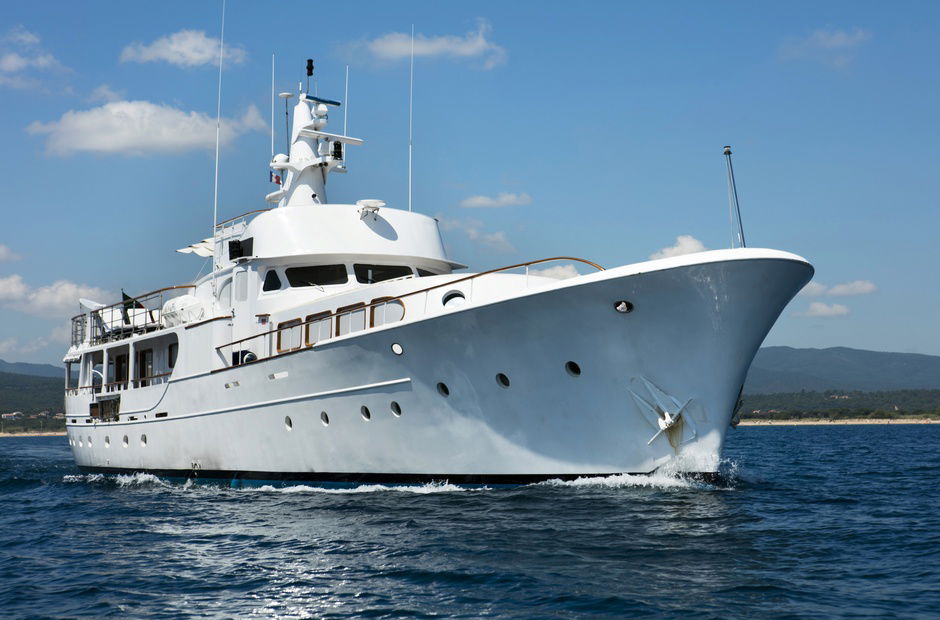
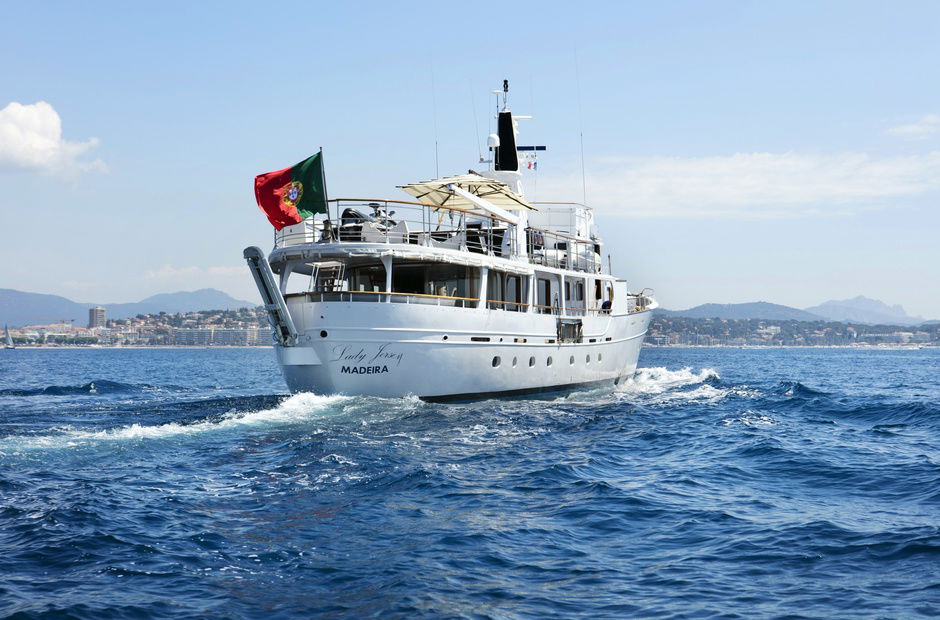
Abeking & Rasmussen Lady Jersey
Inboard Direct-Drive, Diesel, 2x 475 HP
Power Boats 1956 Abeking & Rasmussen Lady Jersey: How to Understand, Preserve, and Enjoy a Classic Superyacht
If you’re interested in the 1956 Abeking & Rasmussen Lady Jersey, you’re probably drawn to more than just a beautiful old yacht. Yo...
Discover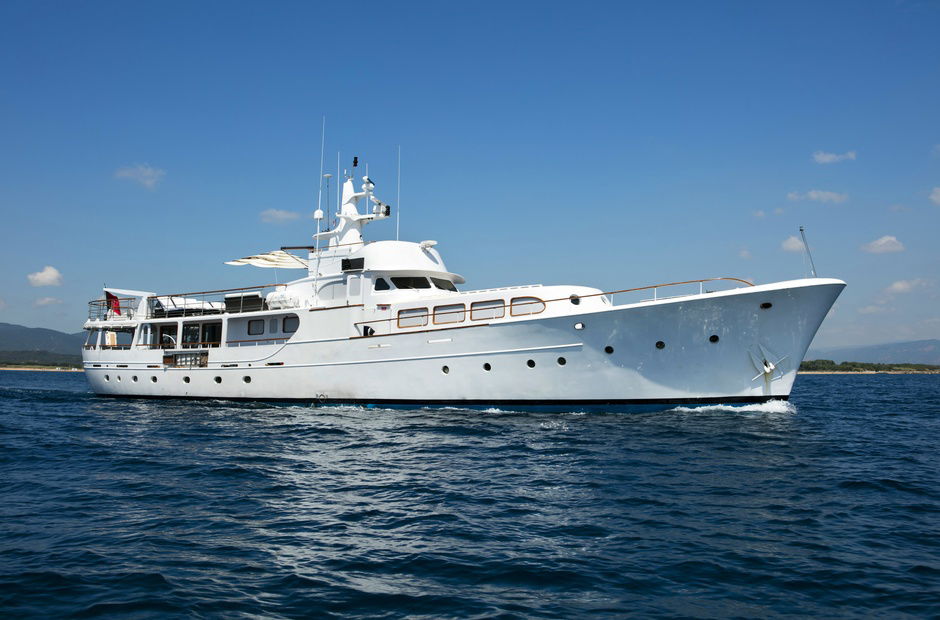

Images have been gathered from various sources and belong to their respective owners.
Review - Abeking & Rasmussen Lady Jersey

MarineBroker
01/18/2024, 3:46 PM
1956 Abeking & Rasmussen Lady Jersey: How to Understand, Preserve, and Enjoy a Classic Superyacht
If you’re interested in the 1956 Abeking & Rasmussen Lady Jersey, you’re probably drawn to more than just a beautiful old yacht. You’re looking at a piece of maritime history: a vessel with character, craftsmanship, and a story that modern boats rarely match. But owning, researching, chartering, or even admiring a classic yacht like this can come with a common challenge—figuring out how to appreciate it properly without getting lost in the technical details, maintenance realities, or restoration decisions.
That’s the real problem for many enthusiasts. A classic yacht can be fascinating, but it can also feel intimidating. What should you look for when evaluating her condition? How do you keep a vintage vessel seaworthy without stripping away her originality? And how do you balance romance with practical ownership?
The good news is that classic yachts reward careful, informed attention. With the right approach, you can enjoy the elegance of a historic vessel like the 1956 Abeking & Rasmussen Lady Jersey while protecting her value and legacy. In this article, we’ll break down what makes her special, what challenges typically come with a yacht of this era, and how to approach ownership or research with confidence.
- Why the 1956 Abeking & Rasmussen Lady Jersey Still Captivates Yacht Enthusiasts
Abeking & Rasmussen has long been associated with quality German shipbuilding, precision engineering, and refined yacht design. A yacht from 1956 sits in a particularly interesting era: post-war craftsmanship was still heavily influenced by traditional methods, but builders were also beginning to refine hull performance, comfort, and long-range cruising capability.
The Lady Jersey represents what many people love about classic yachts:
- Timeless exterior lines
- Handcrafted detailing
- A sense of presence that modern production yachts often lack
- A connection to a specific period in yachting history
For enthusiasts, this matters because a vessel like this is not just a boat. It’s a floating artifact. Every plank, fitting, and curve tells part of the story.
But that historical value brings responsibility. The same details that make a classic yacht appealing also create questions about upkeep, authenticity, and usability. That’s why understanding the vessel is just as important as admiring it.
- The Main Problem: Classic Yacht Ownership Is About More Than Looks
The biggest misconception about a yacht like the 1956 Abeking & Rasmussen Lady Jersey is that beauty alone makes the experience straightforward. In reality, classic yacht ownership often comes with a few practical hurdles.
Common concerns include:
- Aging materials and systems
- Sourcing period-correct parts
- Balancing restoration with preservation
- Higher maintenance costs than newer yachts
- Uncertainty about current seaworthiness
- Understanding historical modifications over time
For someone new to classic yachts, these issues can feel overwhelming. You may fall in love with the design first, then realize there’s a lot to learn before you can confidently evaluate the boat.
That’s the problem this article aims to solve: how to approach a classic yacht like Lady Jersey with a practical mindset so you can enjoy the experience without making avoidable mistakes.
- What Makes the 1956 Abeking & Rasmussen Lady Jersey Special
Every classic yacht has a personality, and the 1956 Abeking & Rasmussen Lady Jersey likely stands out because of the hallmarks of her builder and era.
Here’s what enthusiasts usually value in yachts like this:
- Craftsmanship: Older yachts were often built with exceptional attention to detail.
- Materials: Teak, mahogany, bronze, and other traditional materials were commonly used.
- Proportions: Classic yachts often have elegant lines that remain attractive decades later.
- Seakeeping: Many older displacement yachts were designed for stable, comfortable cruising.
- Heritage: A known build year and builder increase interest among collectors and historians.
From an SEO and research perspective, people searching for “1956 Abeking & Rasmussen Lady Jersey” may be looking for:
- Historical background
- Technical specifications
- Ownership or charter information
- Restoration insights
- Preservation advice
That means the best way to evaluate this yacht is not just through glossy photos, but through a combination of history, condition, and practical use.
- How to Evaluate a Classic Yacht Like Lady Jersey
If you’re considering a yacht of this vintage, the first step is learning how to assess her properly.
A classic yacht survey should focus on more than cosmetic appeal. It should answer one simple question: is the yacht structurally sound, mechanically reliable, and realistically maintainable?
Key areas to inspect:
- Hull condition: Look for signs of rot, corrosion, delamination, or previous repairs.
- Deck integrity: Check for soft spots, leaks, and failing sealant around fittings.
- Engine and propulsion: Older engines may be robust, but they need close inspection.
- Electrical systems: Vintage wiring often needs modernization for safety.
- Plumbing and tanks: Aging tanks and hoses can become hidden problem areas.
- Interior structure: Moisture damage can hide behind beautiful woodwork.
A professional marine surveyor with classic yacht experience is essential. A standard surveyor may understand boats well, but classic vessels require a different eye. You want someone who knows how to distinguish between age-related wear and serious structural concerns.
A useful rule of thumb: if a yacht looks “perfect” for her age, ask more questions. On a classic vessel, honest condition matters more than cosmetic polish.
- The Smart Way to Approach Restoration
Restoration is where many classic yacht owners either preserve value or accidentally destroy it.
The temptation is understandable. When you see a vintage yacht, it’s natural to want to make everything look new again. But with a boat like the 1956 Abeking & Rasmussen Lady Jersey, over-restoration can erase the very character that makes her valuable.
A better approach is to ask:
- What should be preserved?
- What must be repaired for safety?
- What can be updated without harming originality?
A good restoration strategy usually follows three principles:
1. Preserve original material where possible
If a component is sound and historically important, keep it.
2. Replace only when necessary
When parts are beyond repair, use high-quality replacements that respect the original design.
3. Upgrade invisibly where practical
Modern safety systems can often be integrated without changing the yacht’s appearance.
Examples:
- Rewiring can be done neatly to preserve the interior look.
- Navigation equipment can be updated while keeping the helm visually classic.
- Engine components can sometimes be modernized internally while retaining the original engine layout.
This balance is what separates a tasteful restoration from a total redesign.
- Common Challenges with a 1956 Classic Yacht
Owning or researching a yacht from 1956 comes with a few recurring issues. Knowing them in advance helps you avoid surprises.
- Moisture and wood movement
Wooden components expand and contract over time. That can lead to leaks, open seams, or structural stress.
- Aging mechanical systems
Even if an engine is still running, age can affect reliability, efficiency, and parts availability.
- Electrical safety
Old wiring is one of the most common hidden concerns on classic yachts. It may work fine until it doesn’t.
- Authenticity vs practicality
Some owners want every detail period-correct. Others want a yacht they can actually cruise. The right answer depends on your goals.
- Cost creep
Classic yacht projects often start with “just a few repairs” and become multi-phase restorations. Planning a realistic budget is crucial.
The solution is not to avoid classic yachts. It’s to respect their complexity. When you understand the likely problem areas, you can plan maintenance and upgrades more intelligently.
- How to Enjoy the 1956 Abeking & Rasmussen Lady Jersey Without the Stress
Whether you’re an owner, buyer, charter guest, or researcher, the best way to enjoy a classic yacht is to focus on preparation and purpose.
Here are some practical ways to make the experience smoother:
- Define your goal
Are you looking for a collector’s piece, a cruising yacht, or a historical project? Your answer changes everything.
- Learn the yacht’s history
A documented ownership or refit history helps you understand what has been changed and what remains original.
- Budget for ongoing care
Classic yachts need regular attention. Preventive maintenance is always cheaper than emergency repairs.
- Build a specialist team
Look for surveyors, shipwrights, marine engineers, and electricians who understand vintage vessels.
- Keep a maintenance log
Detailed records help preserve value and make future repairs easier.
- Respect the original design
Small decisions matter. Even upholstery, hardware, and paint choices can affect the yacht’s character.
A classic yacht becomes far more enjoyable when you stop expecting it to behave like a modern production boat. It’s a different experience—slower, more tactile, and often more rewarding.
- 1956 Abeking & Rasmussen Lady Jersey and the Value of Preservation
One of the most important ideas in classic yacht ownership is preservation. That doesn’t mean freezing the yacht in time. It means protecting the qualities that make her historically and aesthetically significant.
Preservation adds value in several ways:
- It maintains historical authenticity
- It supports long-term resale interest
- It reduces the risk of inappropriate modifications
- It keeps the yacht connected to her era and builder
For a vessel like Lady Jersey, thoughtful preservation could include:
- Retaining original joinery where possible
- Conserving classic deck hardware
- Using period-appropriate finishes
- Documenting every major repair or upgrade
This is especially important if the yacht has collector appeal. Buyers of classic yachts often care deeply about originality, provenance, and the quality of workmanship in any refit.
In other words, preservation is not just sentimental. It’s practical.
- What to Look for in Documentation and Provenance
If you’re researching the 1956 Abeking & Rasmussen Lady Jersey, documentation can tell you nearly as much as the boat itself.
Useful records include:
- Original build plans
- Builder’s records
- Ownership history
- Refit invoices
- Survey reports
- Photographs from different periods
- Maintenance logs
Why does this matter?
Because paper trails help answer questions like:
- Has the yacht been continuously maintained?
- Were major structural changes made?
- Has the vessel been professionally restored?
- Are there hidden gaps in the history?
For classic yachts, provenance can significantly influence value and confidence. A well-documented vessel is easier to evaluate and often more desirable to serious buyers or historians.
If records are incomplete, that doesn’t automatically make the yacht a bad choice. It just means you’ll need a more careful inspection and a more conservative approach to valuation.
- Practical Advice for Buyers and Enthusiasts
If you’re actively considering a classic yacht like this, keep the following checklist in mind:
- Hire a surveyor with classic yacht experience
- Review all available maintenance and refit records
- Inspect the hull, deck, and systems carefully
- Ask about parts availability for engines and fittings
- Estimate annual maintenance before making an offer
- Decide whether your priority is originality, usability, or both
- Factor in storage and winter care if applicable
A classic yacht should never be judged by appearance alone. The smartest buyers look at the whole picture: structure, history, systems, and long-term upkeep.
If you’re not buying but simply interested in the 1956 Abeking & Rasmussen Lady Jersey, the same logic applies. The more you understand her construction and care requirements, the more meaningful your appreciation becomes.
- Why Classic Yachts Still Matter Today
In a world of fast, efficient, mass-produced boats, a yacht like Lady Jersey reminds us that craftsmanship still has a place. These vessels offer something modern yachts often can’t: personality.
They also encourage a different kind of boating mindset:
- Slower cruising
- More attention to detail
- Greater appreciation for design
- A stronger connection to maritime heritage
That’s why classic yacht enthusiasts remain so passionate. They’re not just preserving boats. They’re preserving a way of experiencing the water.
The 1956 Abeking & Rasmussen Lady Jersey fits neatly into that tradition. She represents the kind of vessel people remember, discuss, and admire long after they leave the dock.
- Conclusion
The 1956 Abeking & Rasmussen Lady Jersey is more than a classic yacht name—it’s a reminder of what careful craftsmanship and timeless design can create. For anyone interested in her, the main challenge is learning how to balance admiration with practical judgment. That means understanding the condition, respecting the history, and planning for maintenance and preservation with a clear head.
If you approach a vessel like this thoughtfully, she becomes far easier to appreciate and much more rewarding to own or study. Whether you’re researching her background, considering a purchase, or simply enjoying the legacy of classic yacht design, the key is the same: preserve what matters, upgrade what’s necessary, and let the character of the boat shine through. If you want to explore further, look into classic yacht surveys, restoration methods, and Abeking & Rasmussen’s broader history.
Specifications
General
Boat Type: Power Boats
Class Type: Mega Yacht
Specifications
Length: 117.45
Beam: 18.37
Draft: 8.2
Hull Material: Steel
Build
First Built: 1956
Propulsion
Fuel Type: Diesel
Engines: 2
Power: 475 HP
Brand: Caterpillar
Accomodation
Cabins: 5
PROS & CONS
What we appreciated
 Classic and timeless design with high aesthetic appealCrafted by renowned shipyard Abeking & Rasmussen known for qualitySolid wood construction offering durability and traditional craftsmanshipSpacious deck layout suitable for leisure and entertainingStrong historical and collector value increasing potential appreciation
What we didn’t appreciate
 Requires regular and often costly maintenance due to age and wooden buildLimited modern amenities and technology compared to contemporary boatsPotential difficulty in sourcing original or compatible replacement partsLower fuel efficiency and slower speeds relative to modern vesselsMay require specialized knowledge for operation and upkeep
Upkeep Costs
Annual maintenance and repairs: $5,000 - $15,000
Docking and marina fees: $3,000 - $10,000 per year
Insurance: $1,500 - $4,000 per year
Fuel and engine operating costs: $2,000 - $6,000 per year
Winter storage and haul-out: $1,000 - $3,000 per year
Rating
6.8
User
Score
Score
Driveability
Technology
Interior
Design
Similar Boats


MarineBroker
Download now for an immersive boat experience like never before! ⛵✨ Your journey begins with a simple click. 🌊📲
#SetSailSmart #DownloadNow
#SetSailSmart #DownloadNow

Subscribe
Copyright 2017 - 2026, Marinebroker.net, All Rights Reserved