Boat Database » Abeking & Rasmussen Secret
Abeking & Rasmussen Secret
Inboard Direct-Drive, Diesel, 2x 2000 HP
Power Boats 2013 Abeking & Rasmussen Secret: What Owners and Enthusiasts Should Know Before Buying, Maintaining, or Chartering
If you’ve been searching for information on the 2013 Abeking & Rasmussen Secret, chances are you’re doing one of t...
Discover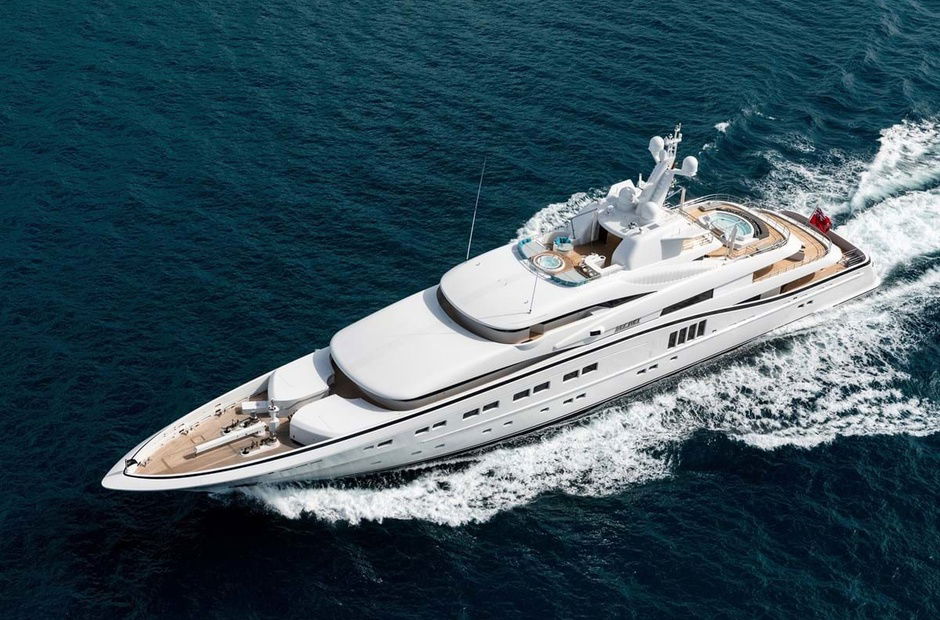
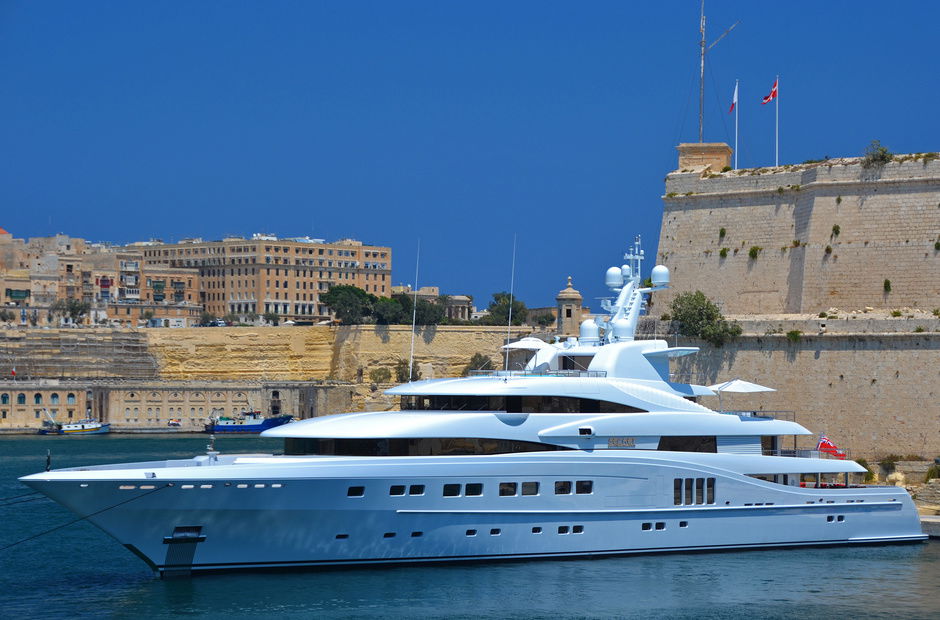
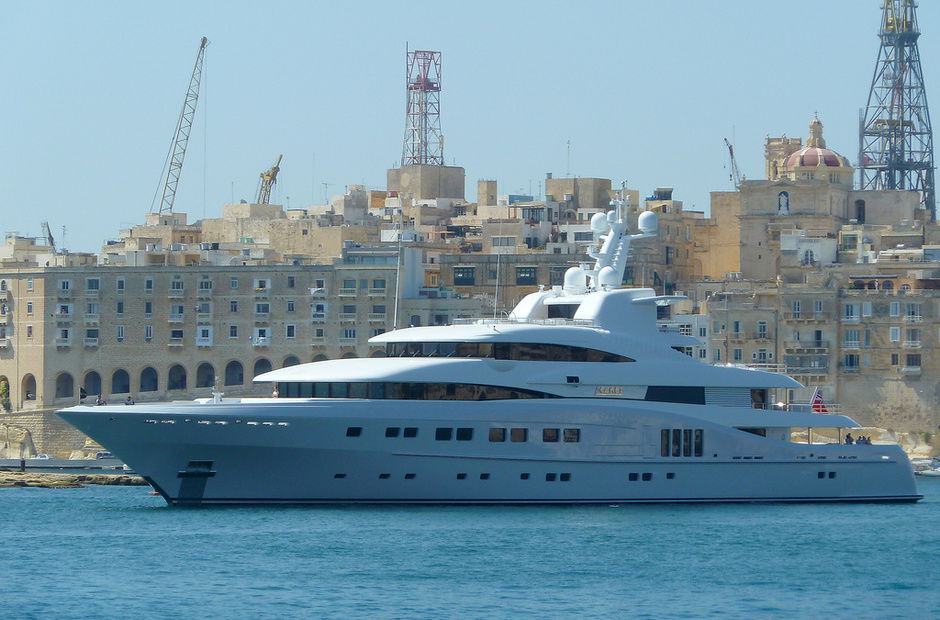
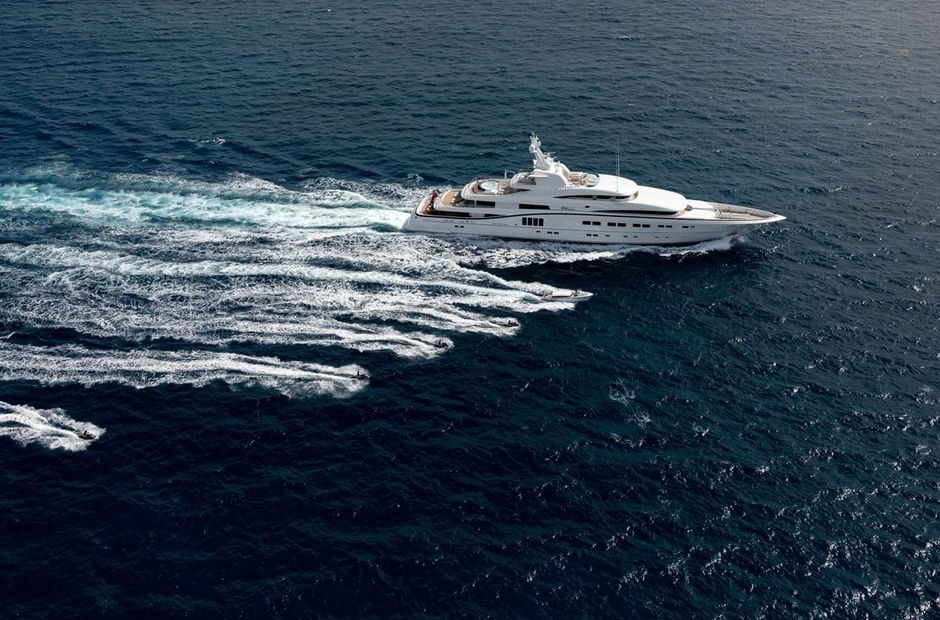
Images have been gathered from various sources and belong to their respective owners.
Review - Abeking & Rasmussen Secret

MarineBroker
01/18/2024, 11:57 AM
2013 Abeking & Rasmussen Secret: What Owners and Enthusiasts Should Know Before Buying, Maintaining, or Chartering
If you’ve been searching for information on the 2013 Abeking & Rasmussen Secret, chances are you’re doing one of three things: considering a purchase, researching a possible charter, or simply trying to understand what makes this yacht stand out. That’s a smart move. A yacht like this isn’t just another vessel on the water—it’s a serious investment, a maintenance commitment, and, for the right owner, a remarkable experience.
The challenge is that yachts of this caliber often come with a mix of excitement and uncertainty. Specs can be impressive, but the real questions are usually more practical: How do you evaluate its condition? What should you look for in upkeep history? How do you know whether the yacht is a good fit for your cruising style, crew setup, or long-term ownership goals?
That’s where the real value lies. Instead of focusing only on the name, it helps to understand the yacht’s design strengths, ownership considerations, and the most common issues buyers and operators should watch for. In this article, we’ll break down those points in a simple, practical way so you can make a more informed decision.
- What Makes the 2013 Abeking & Rasmussen Secret Stand Out
Abeking & Rasmussen is a respected German shipyard known for precision craftsmanship, custom superyachts, and strong engineering standards. A yacht built by this yard in 2013 generally reflects a high level of build quality, attention to detail, and thoughtful systems integration.
For enthusiasts, the appeal of the 2013 Abeking & Rasmussen Secret often comes down to a few key factors:
- Custom or semi-custom design philosophy
- Solid construction and premium materials
- Strong reputation for seaworthiness
- Comfortable long-range cruising potential
- A layout and finish level that usually feels more refined than mass-produced yachts
That said, “well built” does not mean “maintenance free.” In fact, the more sophisticated the yacht, the more important it becomes to understand how it was used and cared for over time.
A buyer or charter guest may admire the exterior lines and interior finish first, but the real long-term value depends on what’s under the surface: engines, generators, electrical systems, stabilizers, navigation gear, and the condition of the hull and superstructure.
- The Main Problem: Luxury Yacht Ownership Is About Condition, Not Just Prestige
The biggest mistake people make when looking at a yacht like the 2013 Abeking & Rasmussen Secret is assuming reputation alone tells the full story. It doesn’t.
A yacht can look stunning in photos and still have hidden issues caused by:
- Deferred maintenance
- Incomplete service records
- Wear from heavy charter use
- Outdated electronics
- Aging mechanical systems
- Cosmetic refinishing that hides deeper problems
This is especially important for yachts built around 2013, because they may now be in a phase where major components are reaching mid-life service intervals. Even if the vessel has been well cared for, buyers should expect a careful review of systems that naturally age with time.
In other words, the problem isn’t finding a beautiful yacht. The problem is finding one whose condition matches its reputation.
- How to Evaluate the 2013 Abeking & Rasmussen Secret Properly
If you’re serious about the yacht, the best solution is a structured evaluation process. This helps reduce risk and gives you a clearer picture of true ownership cost and usability.
Start with the basics:
- Review the full maintenance history
- Check class records and survey reports
- Confirm engine and generator hours
- Ask about refits, upgrades, and system replacements
- Inspect cosmetic condition alongside mechanical condition
A yacht can have fresh upholstery and polished teak, but if the engines, stabilizers, or electrical systems haven’t been properly maintained, those cosmetic details won’t protect your budget later.
A smart evaluation should include:
- Pre-purchase survey
- Sea trial
- Machinery inspection
- Electrical and electronics review
- Hull moisture testing where appropriate
- Review of documentation and compliance status
If you’re chartering rather than buying, ask similar questions about the yacht’s current condition, crew experience, and recent maintenance schedule. A well-run charter yacht should feel organized, clean, and professionally managed.
- Common Areas Buyers Should Inspect on a 2013 Superyacht
A yacht from 2013 can still be in excellent shape, but there are a few areas that deserve extra attention. These are often the places where hidden costs show up first.
- Engines and propulsion
Diesel engines can last a long time, but only if serviced correctly. Check oil analysis, service intervals, coolant history, and any signs of overheating or vibration.
- Generators
Generators are easy to overlook until they fail. Verify runtime, maintenance logs, and whether load testing has been performed.
- Stabilizers
If the yacht has fin stabilizers or zero-speed systems, make sure they’ve been serviced regularly. These systems are expensive to repair and critical for comfort.
- Electrical systems
Older wiring, battery banks, chargers, and switchboards can become a headache if they haven’t been modernized.
- Navigation and communications
Electronics from 2013 may be functional but outdated. Consider whether the bridge equipment still meets your cruising expectations.
- Interior systems
Air conditioning, watermakers, lighting, entertainment systems, and galley equipment all affect day-to-day comfort.
- Exterior surfaces
Paint quality, teak condition, window seals, and deck hardware can reveal how the yacht has been treated.
The key is not to panic over normal wear. Every yacht has it. The goal is to separate normal aging from expensive neglect.
- Why Maintenance History Matters More Than Asking Price
One of the most practical lessons in yacht buying is this: the cheapest yacht is rarely the least expensive one to own.
A lower asking price can hide:
- Pending engine work
- Outdated navigation systems
- Cosmetic damage from poor handling
- Corrosion in hidden areas
- Deferred service on tenders, toys, or cranes
- Crew turnover that led to inconsistent upkeep
With a yacht like the 2013 Abeking & Rasmussen Secret, a strong maintenance history can be more valuable than a shiny presentation. Good records show the vessel was managed professionally and help predict future costs more accurately.
Look for signs such as:
- Consistent annual servicing
- Documented yard periods
- Replaced consumables and wear items
- Up-to-date safety equipment
- Evidence of major refits or upgrades
- Class and flag compliance records
If records are missing or vague, treat that as a warning sign. It doesn’t automatically mean the yacht is a bad choice, but it does mean you should budget for more due diligence.
- The Practical Solution: Match the Yacht to Your Intended Use
This is where a lot of buyers and enthusiasts get tripped up. A yacht can be impressive on paper and still be the wrong fit for how you want to use it.
Before moving forward, ask yourself:
- Will this be a private family yacht?
- Do I plan to charter it?
- Will I cruise locally or take longer passages?
- Do I need a larger crew?
- Do I want high-tech systems or simpler operation?
The answer changes what “good value” means.
For example:
- A private owner may prioritize interior comfort, privacy, and low-vibration cruising.
- A charter-focused buyer may care more about guest layout, crew flow, and durability.
- A long-range cruiser may focus on fuel efficiency, tank capacity, and serviceability.
- A seasonal owner may want simple systems and reliable shore support.
The 2013 Abeking & Rasmussen Secret may suit one owner perfectly and be inconvenient for another. That’s why the right solution is not just “buy the yacht,” but “buy the yacht that matches your operational reality.”
- What to Expect From Running Costs
Luxury yacht ownership is about more than purchase price. Operating costs can be significant, especially on a yacht in this class.
Typical ongoing expenses may include:
- Crew salaries
- Fuel
- Dockage and marina fees
- Insurance
- Routine maintenance
- Winterization or seasonal storage
- Technical upgrades
- Classification and certification costs
- Provisions and guest services
A useful rule of thumb is to plan for annual operating costs that can be substantial relative to the yacht’s value, especially if the vessel is actively used. Exact figures vary widely based on cruising style, crew size, and how much maintenance is deferred versus completed proactively.
The best way to manage costs is to create a realistic annual budget before committing. That budget should include not only routine service but also a reserve for unexpected repairs. On a yacht of this size and age, surprises are not unusual—they’re part of responsible ownership planning.
- How to Tell If the Yacht Has Been Well Cared For
You can learn a lot by looking beyond the listing description. Well-run yachts tend to show consistent signs of care.
Here are a few good indicators:
- Clean engine room with organized labeling
- No obvious corrosion or fluid leaks
- Fresh service tags and clear logs
- Properly maintained safety gear
- Crew who can explain systems confidently
- Smooth operation during sea trial
- Interiors that feel maintained, not just staged
On the other hand, warning signs may include:
- Strong fuel or mildew smells
- Excessive cosmetic patchwork
- Incomplete manuals or records
- Non-functioning equipment
- Signs of water intrusion
- Poorly documented upgrades
A yacht can still be worth considering even with a few issues, but the condition should always be reflected in the price and repair plan.
- The Role of Refits and Upgrades
For a 2013 yacht, refits can make a major difference. In many cases, a thoughtful refit is what keeps a vessel relevant, comfortable, and competitive in the market.
Common refit areas include:
- Interior soft goods and furnishings
- Electronics and bridge systems
- Audio-visual upgrades
- Paint and exterior finishing
- Technical systems modernization
- Stabilizer servicing or replacement
- Energy efficiency improvements
- Tender and toy updates
A smart refit doesn’t just make the yacht prettier. It improves reliability, guest experience, and resale value.
If you’re evaluating the 2013 Abeking & Rasmussen Secret, ask which upgrades were cosmetic and which were functional. A new sofa is nice. A refreshed electrical system is far more important.
- Chartering Considerations: What Guests Should Care About
If your interest in the yacht is charter-related, the priorities shift a bit. Guests usually care less about technical specs and more about comfort, layout, and service quality.
Useful questions include:
- How many guests does the yacht comfortably accommodate?
- Is the cabin layout suitable for families or groups?
- How experienced is the crew?
- Are water toys and tenders available?
- Is the yacht stable and quiet underway?
- How recently has the yacht been serviced?
A well-managed charter yacht should feel seamless. Guests shouldn’t notice technical strain, awkward layout flow, or signs of neglect. The experience should feel polished but relaxed.
If you’re comparing options, the 2013 Abeking & Rasmussen Secret may appeal because of the shipyard’s reputation and the likely quality of the onboard experience. Still, the actual charter experience depends on current management, crew, and maintenance—not just the builder’s name.
- Smart Questions to Ask Before You Decide
Whether you’re buying, chartering, or simply researching, these questions can save you time and money:
1. What major work has been completed in the last five years?
2. Are service records complete and available?
3. Has the yacht been privately used or chartered heavily?
4. What systems are nearing replacement age?
5. Has the yacht had any groundings, collisions, or insurance claims?
6. Are there recent survey findings to review?
7. What upgrades are still needed?
8. How easy is it to support the yacht in your cruising region?
These questions help you move from emotional interest to practical judgment.
- Why Expert Guidance Helps
Yacht transactions can be complicated, especially with a vessel as specialized as the 2013 Abeking & Rasmussen Secret. A good broker, surveyor, captain, and marine engineer can help you spot issues that aren’t obvious at first glance.
That support matters because:
- Surveyors identify hidden structural or mechanical concerns
- Engineers can interpret service history and system condition
- Captains can assess usability and handling
- Brokers can help compare market value and negotiation room
This is one area where paying for expertise often saves money later. A careful inspection can uncover issues that would otherwise turn into expensive surprises after closing.
- Final Thoughts on Choosing the Right Yacht
The 2013 Abeking & Rasmussen Secret represents the kind of yacht that attracts attention for good reason: craftsmanship, presence, and the promise of a premium on-water experience. But the smartest way to approach a yacht like this is to look past the name and focus on condition, maintenance, and fit.
If you’re buying, prioritize records, surveys, and realistic operating costs. If you’re chartering, focus on crew quality, upkeep, and comfort. And if you’re simply researching, remember that the real story of any yacht is written in its service history and how it has been used.
A beautiful yacht is easy to admire. A well-chosen one is easier to enjoy. If you want to keep learning, exploring yacht surveys, refit planning, and ownership budgeting is a great next step.
Specifications
General
Boat Type: Power Boats
Class Type: Mega Yacht
Specifications
Length: 270.67
Beam: 40.68
Draft: 11.48
Hull Material: Steel
Build
First Built: 2013
Propulsion
Fuel Type: Diesel
Engines: 2
Power: 2000 HP
Brand: Caterpillar
Accomodation
Cabins: 6
PROS & CONS
What we appreciated
 Timeless classic design with elegant linesHigh-quality craftsmanship from renowned builder Abeking & RasmussenSpacious and luxurious interior suitable for extended cruisingRobust construction ensuring durability and seaworthinessWell-maintained with modern amenities for comfort
What we didn’t appreciate
 Older model may require more maintenance and updatesFuel consumption can be high due to size and engine typeLimited availability of parts specific to this modelPotentially higher operating costs compared to newer yachtsMay lack some of the latest technological advancements in navigation and systems
Upkeep Costs
Annual maintenance and repairs: $15,000 - $30,000
Insurance: $10,000 - $20,000 per year
Docking and mooring fees: $20,000 - $50,000 per year
Fuel costs: $30,000 - $60,000 per year (depending on usage)
Crew salaries and provisions: $200,000 - $500,000 per year

Rating
8.9
User
Score
Score
Driveability
Technology
Interior
Design
Similar Boats


MarineBroker
Download now for an immersive boat experience like never before! ⛵✨ Your journey begins with a simple click. 🌊📲
#SetSailSmart #DownloadNow
#SetSailSmart #DownloadNow

Subscribe
Copyright 2017 - 2026, Marinebroker.net, All Rights Reserved