Boat Database » Abeking & Rasmussen Titan
Abeking & Rasmussen Titan
Inboard Direct-Drive, Diesel, 2x 0 HP
Power Boats 2010 Abeking & Rasmussen Titan: What Buyers Should Know Before Stepping Aboard
If you’ve been searching for the 2010 Abeking & Rasmussen Titan, you’re probably already drawn to more than just a yacht listing. You’re likely lookin...
Discover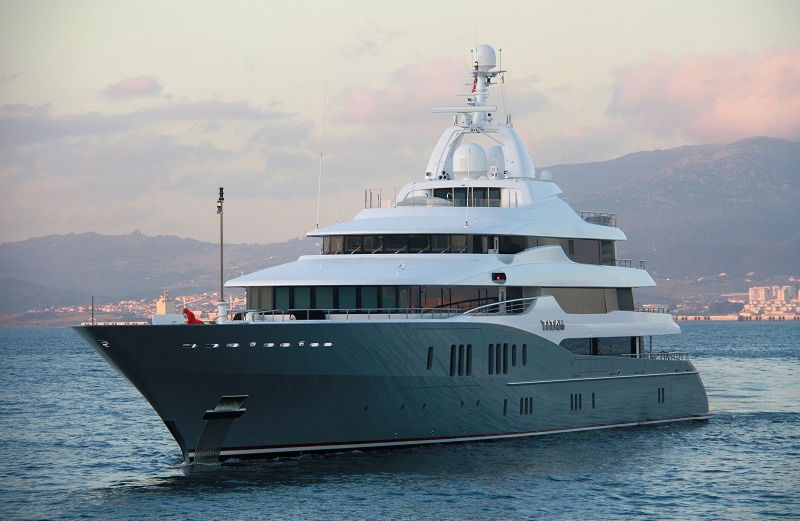
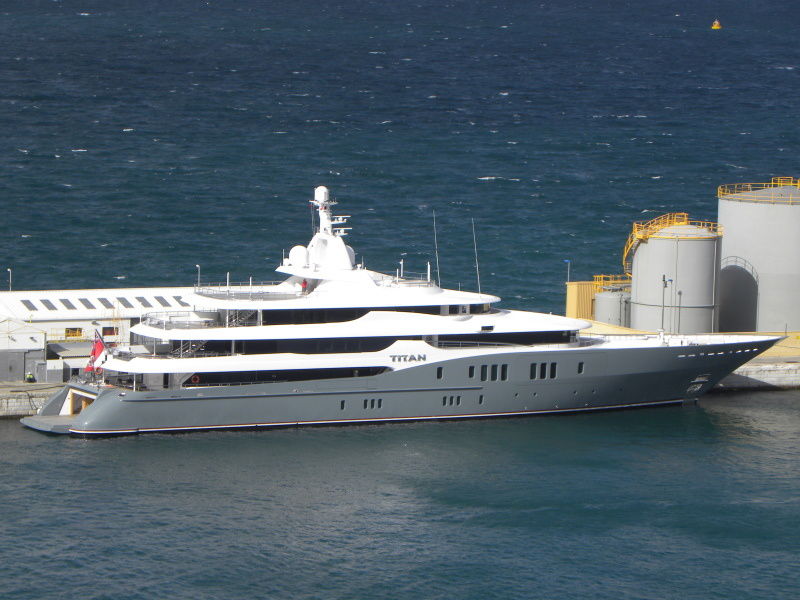
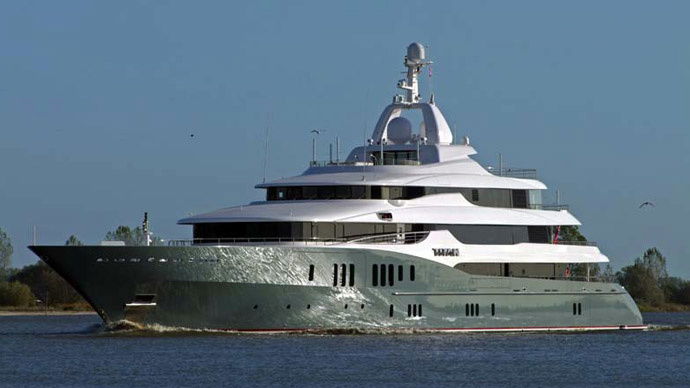
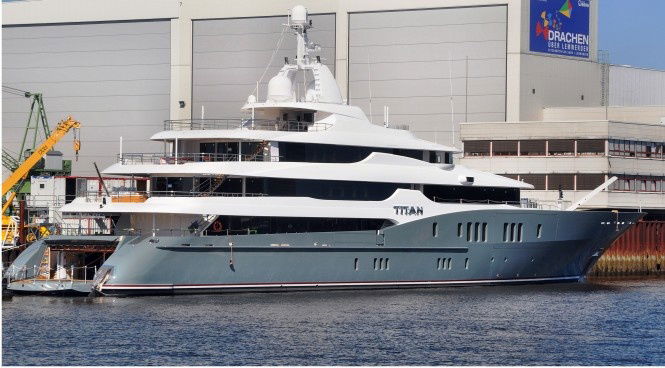
Images have been gathered from various sources and belong to their respective owners.
Review - Abeking & Rasmussen Titan

MarineBroker
01/18/2024, 12:09 PM
2010 Abeking & Rasmussen Titan: What Buyers Should Know Before Stepping Aboard
If you’ve been searching for the 2010 Abeking & Rasmussen Titan, you’re probably already drawn to more than just a yacht listing. You’re likely looking for a vessel with real pedigree, serious craftsmanship, and the kind of presence that turns heads in every harbor. But with a yacht of this caliber, the big question isn’t only “Is it impressive?” It’s “Is it the right fit for how I want to use it?”
That’s where many buyers and enthusiasts run into the same challenge. A yacht like the 2010 Abeking & Rasmussen Titan can look like the perfect answer on paper, yet the real-world details matter just as much: maintenance history, refit quality, operational costs, crew requirements, and whether the layout suits your style of cruising. A beautiful superyacht can still become a headache if those basics aren’t checked carefully.
The good news is that this problem is manageable. With the right approach, you can separate the wow factor from the practical realities and make a smart, confident decision. Let’s break down what makes this yacht notable, what to watch for, and how to evaluate it the right way.
- Why the 2010 Abeking & Rasmussen Titan Stands Out
Abeking & Rasmussen is one of those shipyards that instantly signals quality. The German builder has a long reputation for precision engineering, custom work, and high-end finishes. When people talk about yachts from this yard, they’re usually talking about craftsmanship that goes beyond the ordinary.
The 2010 Abeking & Rasmussen Titan represents that blend of luxury and technical competence. For buyers and yacht enthusiasts, the appeal often comes from a few core strengths:
- Strong build reputation from a respected European shipyard
- Custom-oriented design and attention to detail
- A layout and finish level suited to long-range luxury cruising
- The prestige factor that comes with a well-known pedigree
But pedigree alone doesn’t tell the whole story. A yacht from 2010 is now well into the stage where condition matters more than brochure specs. That’s why the smartest buyers focus on how the yacht has been maintained, upgraded, and operated over time.
- The Real Problem: A Great Yacht Can Still Be a Risky Purchase
The biggest issue people face when evaluating a yacht like the 2010 Abeking & Rasmussen Titan is not finding information — it’s interpreting it correctly.
A superyacht can look exceptional in photos and still hide expensive realities underneath. For example:
- Systems may be outdated even if the interior looks polished
- Cosmetic refits can mask deferred technical maintenance
- Crew history may reveal how carefully the yacht has been run
- Operating costs may be higher than expected for the buyer’s usage pattern
This is especially important with a yacht from 2010. At this age, even a well-kept vessel may need attention in areas like:
- Stabilizers
- Electrical systems
- HVAC
- Navigation electronics
- Plumbing and freshwater systems
- Tender and toy equipment
- Paint and exterior finishes
So the problem isn’t whether the yacht is good. The problem is knowing whether it’s good for you, right now, in its current condition.
- What Makes a 2010 Superyacht Different from a Newer One
A newer yacht often gives buyers the comfort of modern systems, updated technology, and fewer immediate maintenance concerns. A 2010 yacht, on the other hand, can offer more value if it has been properly cared for — but it also demands more diligence.
That tradeoff is actually where the opportunity lies.
A well-maintained 2010 Abeking & Rasmussen Titan may offer:
- More yacht for the money compared with a newer build
- Proven seakeeping and design characteristics
- A mature layout that has already been tested in real-world use
- Room for customization through refits and upgrades
At the same time, buyers need to remember that older yachts often come with hidden work. The key is not to avoid them, but to inspect them with a clear plan.
Think of it this way: buying a 2010 superyacht is less like buying a new car and more like acquiring a luxury estate. The structure may be excellent, but the systems, upkeep, and history determine the real value.
- How to Evaluate the 2010 Abeking & Rasmussen Titan the Smart Way
If your goal is to understand whether this yacht is the right fit, focus on a practical evaluation process. Here’s the approach that works best.
- Check the maintenance records
This is the first place to start. Good records tell you how seriously the yacht has been maintained.
Look for:
- Annual service logs
- Yard periods and refit documentation
- Engine and generator service history
- Classification society records
- Details on major system replacements
A yacht with clear, organized records usually indicates a more disciplined ownership and crew history. That often translates into fewer surprises later.
- Review the refit history
A 2010 yacht may be very different today depending on what has been upgraded. Refits can dramatically improve comfort, reliability, and resale value.
Pay attention to:
- Interior refreshes
- AV/IT upgrades
- Navigation and bridge electronics
- Stabilization improvements
- Engine-room modernization
- Exterior paint and teak work
Not all refits are equal. A cosmetic update is nice, but a technical refit can save major costs down the line.
- Inspect the technical systems closely
This is where many buyers either save themselves a fortune or inherit a problem.
A proper survey should examine:
- Main engines
- Generators
- Fuel systems
- Cooling and ventilation
- Electrical distribution
- Bilge and pumping systems
- Fire suppression
- Steering and control systems
If the yacht has been used heavily for charter or long-range cruising, these systems may have more wear than a casual observer would expect.
- Understand the crew and operational history
How a yacht is run matters a lot. A well-managed crew can keep a vessel in excellent condition, while inconsistent management can cause ongoing issues.
Questions worth asking:
- Has the yacht been privately used, chartered, or both?
- Has the crew stayed consistent over time?
- Were the captain and engineer experienced with similar yachts?
- Are logs and inspections up to date?
A stable, professional crew history is often one of the strongest signs that a yacht has been properly cared for.
- Common Issues Buyers Should Watch For
No yacht is perfect, and a 2010 superyacht deserves a careful eye. Even a prestigious build can come with age-related concerns.
Here are some common areas to watch:
- Cosmetic wear: Soft furnishings, varnish, upholstery, and exterior surfaces may need refreshing.
- Electronics obsolescence: Older bridge systems may work fine but lack modern integration.
- Mechanical fatigue: Engines and generators may be reliable, but only if serviced consistently.
- Water intrusion: Check for signs around windows, decks, and hatches.
- HVAC performance: Air conditioning systems can become inefficient over time.
- Noise and vibration: These can indicate alignment or machinery issues.
A good surveyor and marine engineer can help identify which issues are normal aging and which are warning signs.
- Why the 2010 Abeking & Rasmussen Titan May Still Be a Smart Buy
Despite the age factor, there are real reasons buyers continue to be interested in yachts like this one.
- Proven design and build quality
A respected yard gives you a strong starting point. That matters because the underlying structure and engineering of the yacht are the foundation of long-term ownership.
- Better value than newer builds
New yachts are expensive, and the premium for “new” can be massive. A well-kept 2010 yacht may offer similar lifestyle benefits at a more approachable price point.
- Faster delivery to ownership
Buying an existing yacht avoids the long lead times of a custom build. If you want to use the yacht soon, that’s a major advantage.
- Opportunity to personalize
Many buyers like the fact that an established yacht can be updated to fit their taste. You can modernize interiors, improve systems, and tailor the vessel without starting from zero.
- The Practical Solution: Use a Step-by-Step Buying Strategy
If you’re seriously considering the 2010 Abeking & Rasmussen Titan, the best solution is a structured due diligence process. That way, you’re not relying on instinct alone.
Here’s a practical framework:
1. Define your use case
Decide how you’ll actually use the yacht.
- Private cruising
- Family holidays
- Charter
- Long-range passages
- Entertainment and social use
Your intended use affects everything from layout to technical requirements.
2. Set your real budget
Don’t just budget for purchase price.
Include:
- Survey costs
- Legal and closing fees
- Taxes and registration
- Crew
- Insurance
- Fuel
- Dockage
- Annual maintenance
- Refit reserve
A smart buyer plans for ownership, not just acquisition.
3. Commission a full survey
This should include both hull and machinery inspections, plus sea trial testing if possible.
4. Bring in specialists
Use experts who understand large yachts, not just general marine professionals.
5. Compare refit needs against value
If the yacht needs upgrades, estimate the cost and compare that with the market value of similar yachts in better condition.
This is where you’ll see whether the opportunity is genuine or just attractive on the surface.
- What an Ideal Buyer Looks Like
The 2010 Abeking & Rasmussen Titan is not for everyone. It tends to fit buyers who appreciate quality and are comfortable with the responsibilities of a larger yacht.
It may be a strong fit if you are:
- Looking for a pedigree yacht with established credibility
- Willing to invest in maintenance and periodic refits
- Interested in long-term ownership rather than a quick flip
- Comfortable working with a professional crew
- Seeking a platform that balances luxury with serious engineering
If you want a turn-key experience with minimal involvement, a newer yacht may be more suitable. But if you value craftsmanship and are willing to do the homework, this kind of vessel can be very rewarding.
- How to Avoid Buyer’s Remorse
Buyer’s remorse in the yacht world usually comes from one of three things:
- Not understanding operating costs
- Underestimating refit needs
- Falling in love with appearance before checking systems
To avoid that, keep your focus on the full ownership picture.
A few simple rules help a lot:
- Never skip a proper survey
- Never assume a fresh interior means fresh machinery
- Never rely only on listing photos or brochure language
- Never ignore the cost of crew and upkeep
- Never rush the decision
A yacht is a lifestyle purchase, but it’s also a technical asset. The best owners respect both sides.
- Final Thoughts on Value, Condition, and Confidence
When people search for the 2010 Abeking & Rasmussen Titan, they’re usually looking for more than a name. They want to know whether this yacht delivers the kind of quality, comfort, and reliability that justify serious attention. The answer depends less on age alone and more on how the yacht has been maintained, upgraded, and operated.
If you approach the evaluation with a clear plan, you can turn uncertainty into confidence. Focus on records, systems, refit history, and real-world ownership costs. That’s the practical solution to avoiding disappointment and finding true value in a yacht of this caliber. If you’re exploring this vessel further, take the time to compare it with similar yachts, review full documentation, and speak with experienced marine professionals before making a move.
Specifications
General
Boat Type: Power Boats
Class Type: Mega Yacht
Specifications
Length: 257.22
Beam: 40.68
Draft: 10.5
Hull Material: Steel
Build
First Built: 2010
Propulsion
Fuel Type: Diesel
Engines: 2
Power: 0 HP
Brand: Unknown
Accomodation
Cabins: 7
PROS & CONS
What we appreciated
 Exceptional build quality and craftsmanship from a renowned German shipyardClassic and timeless design with elegant linesSpacious and luxurious interior accommodationsRobust and reliable engineering suitable for long-range cruisingHigh resale value due to brand reputation and build standards
What we didn’t appreciate
 High purchase and maintenance costs compared to similar-sized yachtsLimited availability of specific replacement parts due to bespoke constructionPotentially higher fuel consumption due to size and displacementRequires experienced crew for optimal handling and operationOlder model may lack some modern technological advancements found in newer yachts
Upkeep Costs
Insurance: $5,000 - $15,000 per year
Fuel: $30,000 - $70,000 per year depending on usage
Maintenance and Repairs: $20,000 - $50,000 per year
Docking and Storage: $10,000 - $40,000 per year
Crew Salaries: $100,000 - $300,000 per year

Rating
8.4
User
Score
Score
Driveability
Technology
Interior
Design
Similar Boats


MarineBroker
Download now for an immersive boat experience like never before! ⛵✨ Your journey begins with a simple click. 🌊📲
#SetSailSmart #DownloadNow
#SetSailSmart #DownloadNow

Subscribe
Copyright 2017 - 2026, Marinebroker.net, All Rights Reserved