2021 Alpha Vivace: What to Check, What to Expect, and How to Keep It Running Smoothly
If you’re looking into the 2021 Alpha Vivace, chances are you’re trying to figure out whether it’s the right fit for your boating needs, how it...
Discover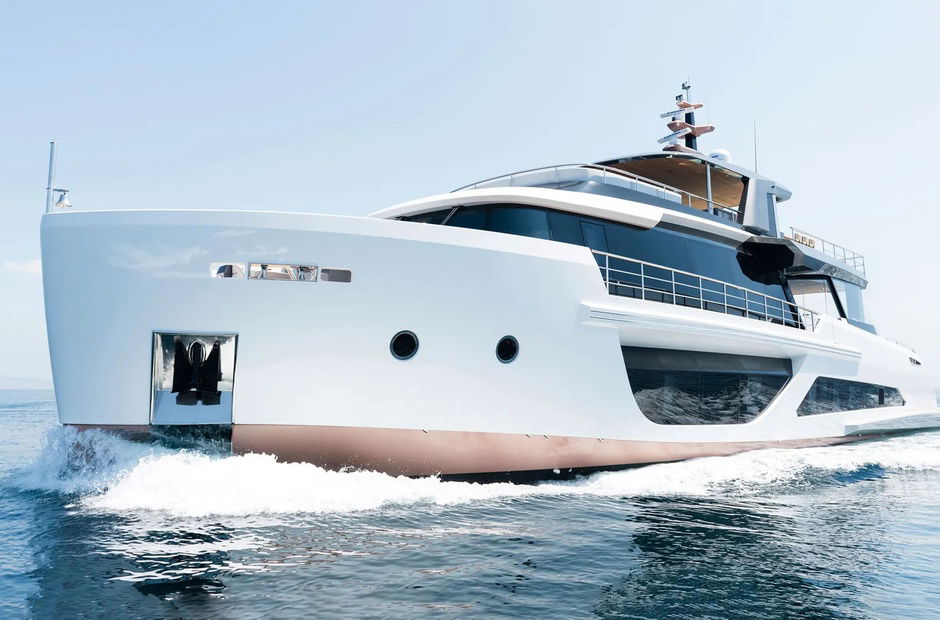


Images have been gathered from various sources and belong to their respective owners.
Review - Alpha Vivace

MarineBroker
02/19/2024, 12:49 PM
2021 Alpha Vivace: What to Check, What to Expect, and How to Keep It Running Smoothly
If you’re looking into the 2021 Alpha Vivace, chances are you’re trying to figure out whether it’s the right fit for your boating needs, how it performs, and what it takes to keep it in good shape. That’s a smart place to start. A lot of boat owners and buyers focus on the fun parts first—speed, comfort, styling, and features—but the real long-term satisfaction usually comes down to something more practical: knowing what to watch for before small issues turn into expensive headaches.
That’s especially true with any used or lightly used boat. Even a well-built model can develop common wear points depending on how it was stored, maintained, and used. The good news is that most of the usual problems are manageable if you know where to look. In this article, we’ll walk through the main things people should check on a 2021 Alpha Vivace, the kinds of issues that tend to show up over time, and the simple steps that can help you avoid trouble. Whether you already own one or you’re considering buying, this guide will help you make a more confident decision.
- Understanding the 2021 Alpha Vivace and why buyers pay attention to it
The 2021 Alpha Vivace attracts attention because it sits in a category where performance, comfort, and ease of use matter a lot. For many boaters, that combination is exactly what they want: a boat that feels sporty without being overly complicated.
But when people search for a specific model like the 2021 Alpha Vivace, they’re often trying to answer a few practical questions:
- Is it reliable?
- What are the common maintenance concerns?
- What should I inspect before buying?
- How do I keep it in good condition?
Those are the right questions to ask. The biggest mistake boat owners make is assuming that a newer model automatically means fewer issues. In reality, even boats from 2021 can develop problems if they’ve been used hard, stored poorly, or missed routine service.
The goal here isn’t to scare anyone off. It’s to help you understand what matters most so you can enjoy the boat with fewer surprises.
- The most common problem with the 2021 Alpha Vivace: hidden wear and maintenance gaps
If there’s one broad problem that affects many owners of the 2021 Alpha Vivace, it’s hidden wear caused by inconsistent maintenance. That can show up in different ways depending on the boat’s use, but the root issue is usually the same: small neglected items slowly turning into bigger repairs.
This is common on many modern boats, not just this one. A boat may look great on the surface, yet still have:
- Weak batteries
- Corrosion in electrical connections
- Dirty fuel systems
- Worn seals or hoses
- Upholstery damage from sun exposure
- Gelcoat scratches or oxidation
- Pump or bilge issues from sitting idle
The tricky part is that these problems often don’t announce themselves right away. A boat can still run fine while quietly building up issues underneath.
For the 2021 Alpha Vivace, a careful buyer or owner should pay close attention to:
- Engine and drive condition
- Electrical system health
- Storage history
- Signs of water intrusion
- Cosmetic wear that may hint at deeper neglect
The practical solution is simple: inspect early, maintain consistently, and don’t ignore small symptoms.
- What to inspect first on a 2021 Alpha Vivace
If you’re evaluating a 2021 Alpha Vivace, start with the areas most likely to affect safety, reliability, and repair costs. A good inspection can tell you a lot before you commit time or money.
- Engine and mechanical systems
The engine is always the first place to check. Look for smooth starting, clean idle, and consistent acceleration. Strange noises, hesitation, smoke, or vibration can point to fuel, ignition, or cooling issues.
Check for:
- Leaks around hoses and fittings
- Corrosion on metal components
- Signs of overheating
- Service records for oil changes and impeller replacement
- Any warning lights or fault codes
If the boat has been sitting, ask when it was last run and whether fuel stabilizer was used. Old fuel can create rough running, clogged injectors, and hard starts.
- Electrical system
Electrical issues are among the most frustrating boat problems because they can appear random. One day everything works, the next day a pump, light, or gauge stops responding.
Inspect:
- Battery age and charge condition
- Corroded terminals
- Loose wiring
- Non-working switches or electronics
- Shore power connections if applicable
A clean, organized electrical setup is usually a good sign. Messy wiring, taped splices, or corrosion are red flags.
- Hull and exterior condition
The hull tells a story. Look closely at the gelcoat, seams, rub rail, and bottom condition. Small cosmetic flaws may be normal, but deeper cracks, blisters, or soft spots deserve attention.
Check for:
- Impact damage
- Stress cracks around high-load areas
- Fading or oxidation
- Poor repairs
- Waterline staining
If the boat has been trailered often, inspect the keel and lower hull for wear. If it has been kept in the water, check for growth, staining, and possible osmotic issues.
- Interior and upholstery
Sun exposure can age a boat quickly. Even a 2021 model can show wear if it lived uncovered or in harsh conditions.
Look for:
- Cracked vinyl
- Mold or mildew smell
- Water stains
- Loose stitching
- Soft flooring or damp carpet
Interior condition often reveals how well the boat was cared for overall. Clean upholstery and dry compartments are usually encouraging signs.
- Common 2021 Alpha Vivace issues owners should watch for
Every boat model has a few areas that tend to need extra attention. With the 2021 Alpha Vivace, the exact issues depend on how the boat was equipped and used, but the following are the most common categories worth monitoring.
- Battery drain and charging problems
Many boat owners assume a dead battery means the battery itself is bad. Sometimes that’s true, but often the real issue is charging or parasitic drain.
Common causes include:
- Weak batteries from age
- Accessories left on
- Faulty switches
- Poor charging habits
- Corroded terminals
A simple multimeter check and regular battery maintenance can prevent a lot of frustration.
- Fuel system contamination
Fuel-related issues are especially common in boats that sit unused. Moisture, stale fuel, and debris can affect performance and starting.
Signs include:
- Hard starting
- Rough idle
- Loss of power
- Sputtering under load
The solution is routine fuel care:
- Use fresh fuel
- Add stabilizer during storage
- Replace filters on schedule
- Drain or service contaminated fuel when needed
- Pump and drainage issues
Bilge pumps, livewell pumps, and drainage systems often go unnoticed until they fail. That can create bigger problems fast.
Watch for:
- Slow draining
- Pump cycling too often
- Unusual noises
- Water remaining in the bilge
Test these systems regularly, especially before a trip.
- Trailer-related wear
If your 2021 Alpha Vivace is trailered, the trailer matters just as much as the boat. A good boat on a bad trailer can still cause costly problems.
Check:
- Tires for dry rot or uneven wear
- Bearings and hubs
- Lights and wiring
- Winch strap condition
- Frame rust or corrosion
A trailer inspection should be part of every seasonal routine.
- How to solve the problem before it gets expensive
The best solution for most 2021 Alpha Vivace issues is not complicated. It comes down to prevention, documentation, and regular checks.
- Build a simple maintenance routine
A lot of boat trouble starts because owners rely on memory instead of a system. A basic maintenance checklist helps you stay ahead of issues.
Include:
- Battery inspection
- Fluid checks
- Fuel filter replacement
- Visual inspection of hoses and clamps
- Cleaning and drying after use
- Running pumps and electronics
- Checking the trailer if applicable
Even 15 to 20 minutes before and after each outing can make a big difference.
- Keep records
Maintenance records are useful whether you own the boat long-term or plan to sell it later. They also help you spot patterns.
Track:
- Service dates
- Parts replaced
- Fuel purchases
- Battery age
- Any repairs or warning signs
If a problem returns, records can help identify the cause faster.
- Don’t ignore small changes
A boat often gives warning signs before a serious failure. The key is paying attention.
Examples:
- Slightly slower starting
- A new vibration
- A faint fuel smell
- Intermittent electronics
- Water where it shouldn’t be
These may seem minor, but they’re often the first clue that something needs attention.
- Use the boat regularly
This may sound obvious, but boats that sit are often the ones that develop the most problems. Regular use helps keep systems active and can reveal issues early.
If you can’t use it often:
- Start and run the engine periodically
- Charge batteries properly
- Keep fuel stabilized
- Inspect for moisture and pests
- Cover and store it correctly
- Buying a 2021 Alpha Vivace: what smart shoppers should ask
If you’re shopping for a 2021 Alpha Vivace, your best tool is a good set of questions. A clean listing is nice, but it doesn’t replace real answers.
Ask the seller:
- How often was the boat used?
- Was it stored indoors or outdoors?
- Are service records available?
- Has the engine ever had repairs?
- Were batteries, pumps, or hoses replaced?
- Has the boat ever been in an accident or repaired after impact?
Also ask for a water test if possible. A boat can look perfect on land and still reveal issues once running.
During the inspection, pay attention to:
- How quickly it starts
- Whether it idles smoothly
- Steering response
- Acceleration
- Any unusual sounds or smells
- Whether gauges and electronics function properly
If something feels off, trust that instinct and investigate further.
- Maintenance tips that help the 2021 Alpha Vivace last longer
A little care goes a long way with any boat. The 2021 Alpha Vivace is no exception.
- Rinse and dry after use
Salt, grime, and moisture are hard on nearly every component. Rinsing the boat after use helps reduce corrosion and wear.
Focus on:
- Deck surfaces
- Hardware
- Trailer parts
- Upholstery
- Engine area, if appropriate for your setup
- Protect the upholstery and finish
Sun damage is one of the most common aging factors on boats. Use covers, shade, and proper cleaners made for marine materials.
Helpful habits:
- Clean spills quickly
- Use UV protectant on vinyl
- Avoid harsh household cleaners
- Keep the boat covered when not in use
- Service on schedule
Waiting until something fails usually costs more. Follow the recommended service intervals for:
- Oil and filters
- Impellers
- Belts
- Batteries
- Fuel filters
- Trailer bearings
Even if the boat seems fine, scheduled service helps prevent surprise breakdowns.
- Store it the right way
Improper storage can undo a lot of good maintenance. For seasonal or long-term storage:
- Remove valuables and electronics
- Disconnect or maintain batteries
- Stabilize fuel
- Drain water where needed
- Cover properly
- Store on a level surface
Good storage habits pay off when spring comes around.
- Is the 2021 Alpha Vivace a good choice?
For many boaters, the 2021 Alpha Vivace can be a solid option if it has been properly cared for. Like most boats in this age range, its condition matters more than the year on the hull. A well-maintained example can be a lot more enjoyable than a neglected newer one.
The main thing to remember is that boats reward attention. If you inspect carefully, keep up with maintenance, and address small issues early, you’re much more likely to enjoy reliable outings and fewer repair surprises.
In other words, the boat itself is only part of the equation. The real difference comes from how it has been used, stored, and serviced.
- Conclusion
The 2021 Alpha Vivace can be a great fit for boaters who want a capable, enjoyable ride, but like any boat, it benefits from careful attention. The most common problems usually come down to maintenance gaps, storage conditions, and small issues that were left unchecked too long. By focusing on the engine, electrical system, hull, trailer, and storage history, you can spot trouble early and avoid bigger repairs later.
If you already own one, a simple maintenance routine and good records will go a long way. If you’re shopping for one, a thorough inspection and a test run can save you from costly surprises. Either way, the key is staying proactive. A little prevention now can mean a lot more time on the water later.
Specifications
General
Boat Type: Power Boats
Class Type: Mega Yacht
Specifications
Length: 102.03
Beam: 26.9
Draft: 5.91
Hull Material: GRP
Build
First Built: 2021
Propulsion
Fuel Type: Diesel
Engines: 2
Power: 0 HP
Brand: Unknown
Accomodation
Cabins: 5
PROS & CONS
What we appreciated
 Modern and stylish design with sleek linesHigh-quality materials and craftsmanshipEfficient hull design offering good fuel economyComfortable seating and spacious deck layoutAdvanced navigation and onboard technology
What we didn’t appreciate
 Higher price point compared to similar modelsLimited storage space for longer tripsMay require a larger trailer due to sizeNot ideal for very rough water conditionsSome owners report limited dealer network
Upkeep Costs
Fuel: Approximately $1,500 - $3,000 per year depending on usage
Maintenance: Around $1,000 - $2,000 annually including engine and hull upkeep
Insurance: Typically $500 - $1,200 per year based on coverage and location
Storage: $500 - $2,000 per year depending on marina or dry storage choice
Registration and Taxes: $100 - $300 annually depending on local regulations

Rating
7.6
User
Score
Score
Driveability
Technology
Interior
Design
Similar Boats


MarineBroker
Download now for an immersive boat experience like never before! ⛵✨ Your journey begins with a simple click. 🌊📲
#SetSailSmart #DownloadNow
#SetSailSmart #DownloadNow

Subscribe
Copyright 2017 - 2026, Marinebroker.net, All Rights Reserved