Boat Type: Power Boats
Boat Class: Trawler
Length: 67.26 ft
Berths: 6
Cabins: 3
Bathrooms: 4
Max Persons: 8
2013 Adagio Europa 67: What to Know Before Buying, Inspecting, or Cruising
If you’ve been searching for a 2013 Adagio Europa 67, chances are you’re not just looking for a yacht—you’re trying to figure out whether it’s the right l...
Discover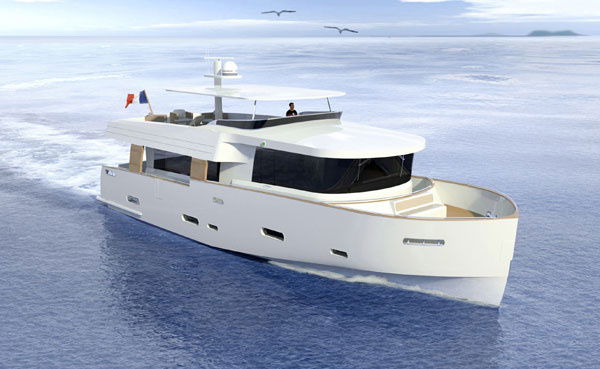

Images have been gathered from various sources and belong to their respective owners.
Review - Adagio Europa 67

MarineBroker
01/19/2024, 12:08 PM
2013 Adagio Europa 67: What to Know Before Buying, Inspecting, or Cruising
If you’ve been searching for a 2013 Adagio Europa 67, chances are you’re not just looking for a yacht—you’re trying to figure out whether it’s the right long-range boat for your plans. That’s a smart approach. A vessel like this can offer a lot: space, comfort, seaworthiness, and the kind of onboard living that makes extended cruising feel easy. But with a yacht of this size and age, the real challenge is knowing what to look for before you commit.
That’s where many buyers and enthusiasts get stuck. The 2013 Adagio Europa 67 is impressive on paper, but boats in this class can hide expensive maintenance issues if you don’t know where to inspect. Systems age, electronics become outdated, and ownership history matters more than glossy photos ever will. The good news is that most of the risk can be managed with a careful, practical approach. If you understand the common trouble spots and focus on the right inspection steps, you can separate a strong candidate from a costly headache.
- Why the 2013 Adagio Europa 67 Still Gets Attention
The Adagio Europa 67 sits in a segment that appeals to serious cruising owners who want a comfortable, capable motor yacht with long-range potential. Boats in this class are often chosen for extended coastal cruising, liveaboard use, or even semi-displacement passages where efficiency and comfort matter more than speed.
What makes the 2013 model year interesting is that it falls into a sweet spot for many buyers. It’s modern enough to offer updated styling and systems compared with older yachts, but it’s also old enough that pricing may be more accessible than a newer vessel in the same size range.
For people researching the 2013 Adagio Europa 67, the main question is usually not “Is it a nice boat?” It’s more like:
- Is it mechanically sound?
- Are the systems maintained properly?
- Will ownership costs be manageable?
- Does it fit my cruising style?
Those are the right questions. A yacht this size can be a fantastic platform, but only if the buyer understands what they’re getting into.
- The Real Problem: Age, Complexity, and Hidden Maintenance Costs
The biggest issue with a used yacht like the 2013 Adagio Europa 67 is that the visible condition can be misleading. A clean interior and polished exterior don’t tell you much about engines, generators, plumbing, wiring, stabilizers, thrusters, or moisture intrusion.
Here’s the core problem: large cruising yachts are complex systems, not just boats. When one part has been neglected, it often affects several others.
Common pain points include:
- Aging electronics that still “work” but are no longer reliable
- Engine room wear that isn’t obvious during a quick walkthrough
- Deferred maintenance on pumps, hoses, seals, and through-hulls
- Water intrusion around windows, hatches, or deck fittings
- Battery bank issues caused by poor charging habits
- Corrosion in electrical connections, especially in humid or saltwater environments
A buyer can easily underestimate how quickly these issues add up. Even moderate repairs on a yacht this size can become expensive fast. That’s why the smartest approach is not to assume the boat is a bargain or a problem—it’s to inspect it like a system that needs verification.
- What the 2013 Adagio Europa 67 Is Best Suited For
Before diving into inspection details, it helps to understand what this boat is generally best at. The 2013 Adagio Europa 67 is most appealing to owners who value comfort, stability, and practical cruising space.
It tends to suit:
- Couples planning extended trips
- Families who want separate living and sleeping areas
- Owners who spend long periods aboard
- Cruisers who prioritize range and livability over top speed
- Buyers moving up from smaller yachts and wanting more autonomy
This matters because the “best” boat is always relative to how you use it. A yacht like this may be overkill for weekend-only use, but ideal for someone who wants real onboard living space and the ability to go farther without feeling cramped.
If your goal is relaxed long-distance cruising, the Adagio Europa 67 can make a lot of sense. If your goal is simple day boating, it may be more boat than you need.
- Key Inspection Areas on a 2013 Adagio Europa 67
When evaluating a used yacht of this size, your inspection should go beyond cosmetics. A proper review should focus on the systems that keep the boat safe, reliable, and comfortable.
- Engines and mechanical systems
The engines are the heart of the boat. Even if they start easily and sound smooth at idle, that doesn’t tell the full story.
Check for:
- Service records
- Oil analysis results, if available
- Coolant condition
- Belt wear
- Leaks around seals and hoses
- Smoke on startup or under load
- Unusual vibration
Ask how often the boat was run and whether it was used regularly or left sitting for long periods. Boats that sit can develop as many issues as boats that are heavily used.
- Generator and power systems
On a cruising yacht, the generator is often just as important as the main engines. If it’s unreliable, daily life aboard becomes frustrating very quickly.
Look for:
- Clean starts and stable output
- Recent servicing
- Fuel system condition
- Signs of overheating
- Corrosion in electrical compartments
Also inspect the AC/DC electrical system. Battery banks, chargers, inverters, and shore power systems should all be tested under real conditions, not just visually checked.
- Hull, deck, and moisture concerns
A boat may look solid on the surface while hiding moisture issues underneath. This is especially important around windows, deck fittings, rail bases, and any place where water can enter slowly over time.
Use a moisture meter if possible, and pay close attention to:
- Soft spots on decks
- Staining or discoloration around fittings
- Sealant condition
- Window frames and hatches
- Any areas with recurring leaks
Water intrusion is one of the most expensive and annoying problems to deal with because it can damage structure, wiring, insulation, and interior finishes all at once.
- Steering, thrusters, and stabilization
Comfortable handling is a big part of what makes a yacht like the Adagio Europa 67 appealing. But bow thrusters, stern thrusters, and stabilization systems need to be tested carefully.
Check:
- Responsiveness of thrusters
- Hydraulic or electric system health
- Noise levels during operation
- Fluid condition and service intervals
- Control reliability at the helm
If the boat has stabilizers, ask when they were last serviced and whether parts are still readily available. These systems can make cruising much more pleasant, but repairs can be costly if they’ve been ignored.
- Plumbing, tanks, and sanitation
Plumbing systems often get overlooked until they fail. On a yacht intended for longer trips, that’s a mistake.
Inspect:
- Freshwater pumps
- Water heater operation
- Tank level sensors
- Bilge pumps
- Heads and sanitation lines
- Any sign of odor, leaks, or corrosion
A weak pump or clogged line may seem minor, but aboard a cruising yacht it can quickly become a daily nuisance.
- Interior condition and liveability
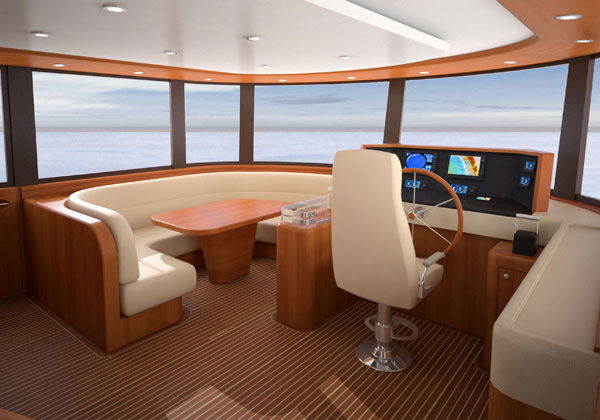
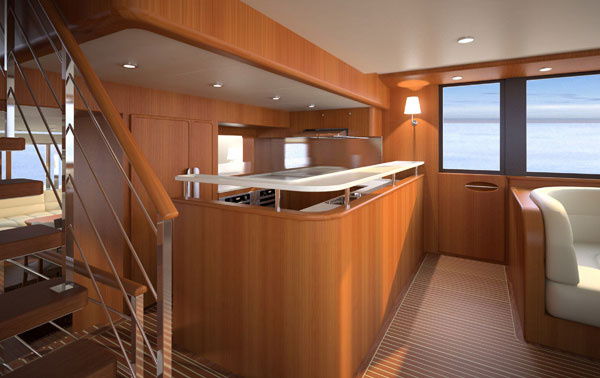
The interior matters not just for comfort but also as a clue to how the boat has been maintained. Cabinets, upholstery, flooring, and joinery can reveal whether the boat has been cared for or merely cleaned up for sale.
Look for:
- Signs of mold or mildew
- Warped wood or delamination
- Soft upholstery from moisture exposure
- Uneven wear in high-traffic areas
- Evidence of past repairs
A well-kept interior usually reflects broader ownership habits. It’s not proof of mechanical health, but it’s a useful signal.
- Common Issues Buyers Should Watch For
Even a well-built yacht can develop predictable issues with age. The 2013 Adagio Europa 67 is no exception. Buyers should be especially alert to problems that are common in large cruising boats from this era.
- Deferred service history
This is probably the most common issue. A boat may appear ready to cruise, but if the owner skipped regular service, you may inherit a long list of catch-up maintenance.
Examples include:
- Oil and filter changes missed
- Raw-water impellers not replaced
- Batteries not maintained correctly
- Seals and hoses aging past safe use
- Fuel polishing ignored
The fix is simple in theory: ask for records. In practice, if records are incomplete, assume the boat needs more service than advertised.
- Outdated electronics
Chartplotters, radar systems, autopilots, and communications gear often age faster than the hull itself. A boat from 2013 may still have decent equipment, but some components may be outdated or unsupported.
This matters because:
- Older electronics can be harder to repair
- Software and chart compatibility may be limited
- Network integration may be weak
- Replacement parts can be expensive
If you plan to cruise seriously, electronics reliability is not optional.
- Corrosion in hidden places
Corrosion often starts where owners don’t look often enough: behind panels, in engine rooms, under deck hardware, and in electrical junctions.
Watch for:
- Green or white corrosion on wiring
- Rust around fasteners
- Pitted metal components
- Dull or brittle terminals
- Moisture near electrical boxes
Corrosion is one of those problems that spreads quietly. Catching it early can save a lot of money.
- Odor and ventilation issues
A musty smell is more than a nuisance. It can point to hidden moisture, poor ventilation, or mold growth. These issues are especially common in boats that sit unused for long periods.
If the cabin smells “closed up,” ask why. Sometimes it’s harmless. Sometimes it’s a clue that water has been getting in for years.
- How to Evaluate a 2013 Adagio Europa 67 the Smart Way
If you’re seriously considering this yacht, the best strategy is to approach it in stages. Don’t rely on one quick visit or a broker’s summary.
- Step 1: Review the ownership history
Ask for:
- Maintenance logs
- Engine service records
- Generator records
- Upgrade history
- Survey reports, if available
- Receipts for major work
A boat with organized records is usually easier to trust than one with vague answers.
- Step 2: Inspect the boat in person, slowly
Take your time. Bring a flashlight, check compartments, and open panels. Don’t just walk through the salon and stop there.
Focus on:
- Engine room cleanliness
- Bilge condition
- Smell of fuel or mildew
- Evidence of leaks
- Condition of hoses and clamps
- Access to service points
A good boat is one that’s been made easy to maintain, not just made to look nice.
- Step 3: Use a professional surveyor
For a yacht of this size, a marine survey is essential. Ideally, you want someone experienced with larger motor yachts and complex systems.
A proper survey should include:
- Hull and deck inspection
- Moisture testing
- Sea trial
- Mechanical evaluation
- Electrical assessment
- Safety equipment review
If the surveyor recommends a specialist for engines or electronics, take that seriously. It’s worth the extra cost.
- Step 4: Budget for immediate upgrades
Even a well-maintained boat usually needs some work after purchase. That’s normal.
Plan for:
- Safety gear replacement
- Battery updates
- Fluids and filters
- Impeller and hose replacement
- Cosmetic touch-ups
- Electronics updates, if needed
A smart buyer doesn’t ask, “Will I need to spend money?” The better question is, “Where will I spend it first?”
- Why the 2013 Adagio Europa 67 Can Still Be a Good Choice
Despite the inspection concerns, the 2013 Adagio Europa 67 can still be a very appealing boat if it has been properly maintained. In fact, a well-kept used yacht often offers better value than a newer one that has been lightly used but poorly serviced.
The benefits of choosing a properly cared-for example include:
- More boat for the money
- Proven layout and systems
- Comfortable cruising accommodations
- Mature design with real-world usability
- Potentially lower depreciation than buying new
That’s the key point: used yachts are not automatically risky. They’re risky only when buyers skip the due diligence.
If the boat has a strong service history, clean mechanical reports, and no major moisture or structural concerns, it can be a solid platform for cruising.
- Practical Buying Tips for Interested Buyers
If you’re in the market, here are a few simple but effective tips to keep the process grounded.
- Don’t rush because the boat looks clean
- Treat service records as seriously as the asking price
- Budget for upgrades, even on a “turnkey” boat
- Test every system, not just the engines
- Bring in experts when systems get technical
- Compare the boat against similar yachts, not just the listing photos
A good purchase decision is usually the result of patience, not excitement.
- Who Should Consider the 2013 Adagio Europa 67
This yacht makes the most sense for buyers who want:
- Spacious liveaboard comfort
- Long-range cruising capability
- A serious motor yacht platform
- A boat that can handle extended time aboard
- A vessel with room for guests and provisions
It may be less ideal for buyers who want:
- Simple day boating
- Low-maintenance ownership
- Very low fuel or dockage costs
- Minimal systems to manage
That’s not a flaw—it’s just the reality of a yacht in this class.
- Conclusion
The 2013 Adagio Europa 67 can be a rewarding yacht for the right buyer, but only if you approach it with clear eyes. The main challenge isn’t whether the boat looks good; it’s whether the engines, systems, structure, and maintenance history support the lifestyle you want.
If you focus on records, inspect the hidden areas, and budget for post-purchase updates, you’ll dramatically reduce the risk of surprises. In other words, the solution is not to chase the perfect-looking boat—it’s to verify the boat that truly fits your cruising plans. For anyone interested in this model, a careful, methodical evaluation is the best path to a confident decision.
Specifications
General
Boat Type: Power Boats
Class Type: Trawler
Specifications
Length: 67.26
Beam: 19.03
Draft: 4.92
Hull Material: GRP
Build
First Built: 2013
Propulsion
Fuel Type: Diesel
Engines: 2
Power: 575 HP
Brand: Volvo Penta
Accomodation
Berths: 6
Cabins: 3
Bathrooms: 4
PROS & CONS
What we appreciated
 Spacious and luxurious interior with high-quality finishesWell-designed layout offering comfortable living and entertaining spacesStrong build quality typical of Adagio yachtsGood performance and handling for a boat of its sizeAmple storage and modern amenities for extended cruising
What we didn’t appreciate
 Relatively high maintenance costs due to luxury fittingsFuel consumption can be significant given the size and powerLimited availability of parts and specialized service in some regionsOlder electronics and systems may require upgradesManeuvering in tight marinas may be challenging without bow thrusters
Upkeep Costs
Annual maintenance and servicing: $10,000 - $15,000
Docking and mooring fees: $5,000 - $15,000 per year
Insurance: $3,000 - $6,000 per year
Fuel costs: $8,000 - $12,000 per year (varies with usage)
Winter storage and shrink-wrapping: $2,000 - $5,000 per year
Rating
7.3
User
Score
Score
Driveability
Technology
Interior
Design
Similar Boats


MarineBroker
Download now for an immersive boat experience like never before! ⛵✨ Your journey begins with a simple click. 🌊📲
#SetSailSmart #DownloadNow
#SetSailSmart #DownloadNow

Subscribe
Copyright 2017 - 2026, Marinebroker.net, All Rights Reserved