Boat Database » Abu Dhabi MAR Kiel Plan B
Abu Dhabi MAR Kiel Plan B
Inboard Direct-Drive, Diesel, 2x 2360 HP
Power Boats 2012 Abu Dhabi MAR Kiel Plan B: What It Is, Why It Matters, and How to Understand It Better
If you’ve been searching for information on the 2012 Abu Dhabi MAR Kiel Plan B, you’re probably running into the same problem a lot of pe...
Discover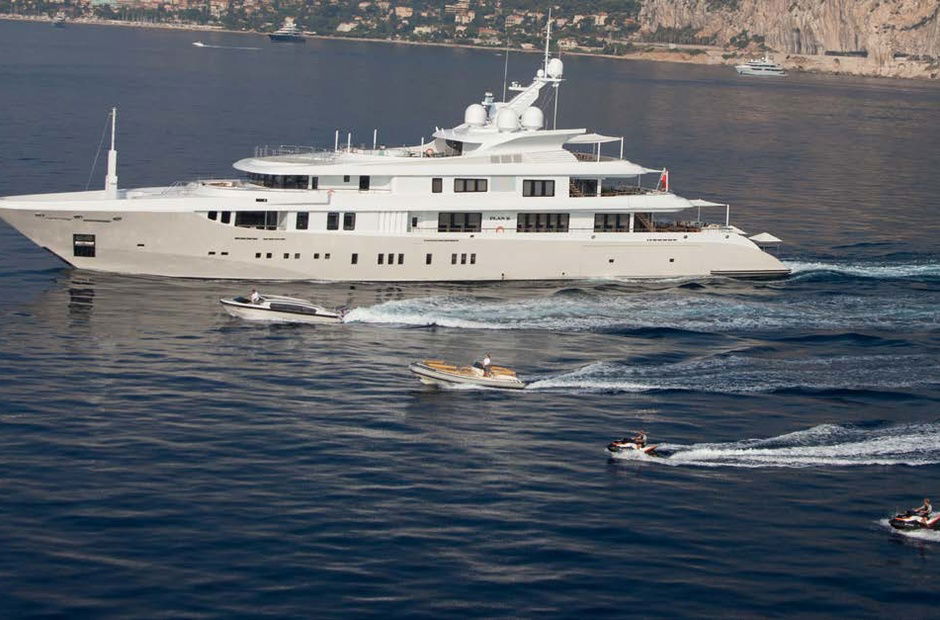
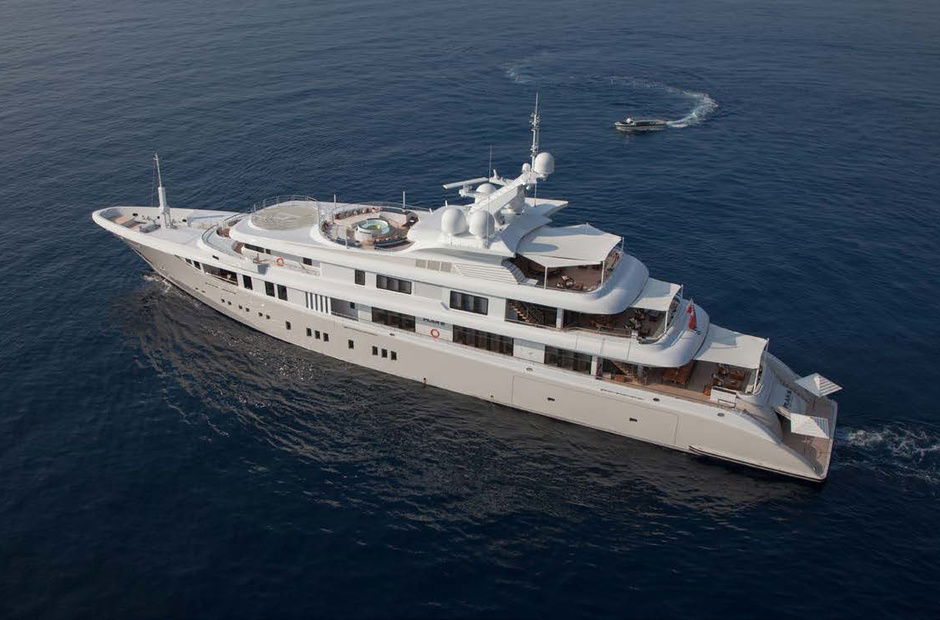

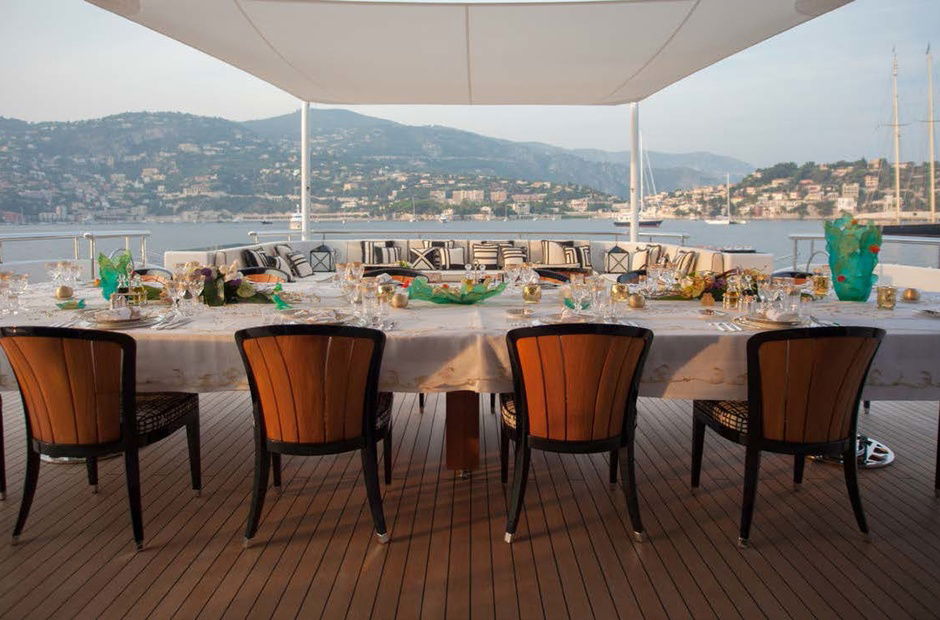
Images have been gathered from various sources and belong to their respective owners.
Review - Abu Dhabi MAR Kiel Plan B

MarineBroker
01/19/2024, 7:45 AM
2012 Abu Dhabi MAR Kiel Plan B: What It Is, Why It Matters, and How to Understand It Better
If you’ve been searching for information on the 2012 Abu Dhabi MAR Kiel Plan B, you’re probably running into the same problem a lot of people face: there’s a name, there’s a year, and there’s just enough context to make you curious, but not enough to make sense of it right away. That can be frustrating, especially if you’re trying to research a vessel, compare yacht or ship projects, verify historical details, or simply understand why this particular name keeps appearing in marine-related conversations.
The good news is that this kind of puzzle is very common in the boating and superyacht world. Project names, yard references, and design codes often sound more complicated than they really are. Once you break them down, they start to tell a useful story about the vessel, the shipyard, and the stage of development behind it.
In this article, we’ll unpack the 2012 Abu Dhabi MAR Kiel Plan B in a practical, easy-to-follow way. You’ll learn what the name likely refers to, why people search for it, what problem it solves for researchers and enthusiasts, and how to approach similar marine projects with confidence.
- What the name likely means in a shipbuilding context
- Why “Plan B” can be important in marine projects
- How to research vessels and project names more effectively
- What to look for when evaluating shipyard history and project references
- How this information can help enthusiasts, buyers, and researchers alike
- What Does 2012 Abu Dhabi MAR Kiel Plan B Mean?
At first glance, the phrase looks like a project title rather than a public-facing vessel name. That’s usually a clue that you’re dealing with a shipyard or design-stage reference, not just a marketing label.
Breaking it down helps:
- 2012 likely points to the year of the project, launch, redesign, or a significant milestone.
- Abu Dhabi MAR refers to the shipbuilding and yacht-related brand associated with large-scale marine projects.
- Kiel points to the German shipbuilding city, which has a long history of marine engineering and technical shipyard activity.
- Plan B usually suggests an alternative version, revised strategy, backup plan, or adjusted project path.
In marine construction, names like this often appear when a project changes direction. That could mean a design was modified, a build plan was restructured, or a vessel concept was adapted to new requirements.
For researchers, that matters because the name itself may not describe the final vessel. Instead, it may identify a stage in the project’s life cycle.
- Why People Search for 2012 Abu Dhabi MAR Kiel Plan B
Most people looking up this term are trying to solve one of a few common problems:
- They found the phrase in a listing, article, forum, or archive and want to know what it refers to.
- They’re researching a shipyard project and need to verify details.
- They’re tracing the history of a superyacht or large vessel.
- They want to understand whether “Plan B” means a redesign, replacement, or backup concept.
- They’re comparing shipyard output across years and locations.
This is a real-world research challenge because marine projects often leave behind fragmented information. One source may mention the yard, another may mention the year, and a third may refer to the project by a code name or development title.
That’s why the solution isn’t just finding one definition. It’s learning how to interpret the context around the name.
- The Most Likely Problem Behind the Search
The main issue with a term like 2012 Abu Dhabi MAR Kiel Plan B is ambiguity.
In simple terms, the problem is this: the keyword sounds specific, but it doesn’t immediately explain what the object is. Is it a yacht? A refit? A concept? A shipyard project? A cancelled build? A revised design?
That uncertainty can slow down research and lead to:
- Conflicting search results
- Outdated or incomplete information
- Misidentification of the vessel or project
- Confusion between the yard, the designer, and the actual boat
- Difficulty confirming ownership, build status, or technical specifications
For anyone working in boating, yacht research, marine history, or even investment analysis, ambiguity can be a genuine obstacle.
The practical solution is to approach the name like a marine project code and not just a boat name.
- How to Decode a Marine Project Name Like This
When you see a term like this, use a structured approach.
- Start with the year
Check whether 2012 refers to the launch year, a design revision, a sale listing, or a project announcement. In marine records, the year can point to a milestone rather than the final delivery date.
- Identify the shipyard or brand
Abu Dhabi MAR is important because it anchors the project in a specific industrial and historical context. Knowing the yard helps you look for related builds, design language, and associated technical partners.
- Look for location clues
“Kiel” is a strong clue. Kiel is one of Germany’s most recognized maritime centers, so the project may have involved German shipbuilding expertise, engineering support, or a facility connected to the region.
- Interpret “Plan B” carefully
This usually suggests an alternate path. In boating terms, that could mean:
- a backup hull concept
- a redesigned layout
- a replacement for a previous plan
- a project continuation after setbacks
- a revised version built to meet new requirements
This method helps you move from guesswork to informed interpretation.
- Why “Plan B” Matters in Shipbuilding
In the marine world, a backup plan is not just a nice idea. It’s often essential.
Large vessel projects are expensive, technically complex, and dependent on many moving parts:
- engineering approvals
- supply chain availability
- naval architecture revisions
- owner requests
- class compliance
- scheduling at the yard
- budget changes
When one part changes, the project may need a fallback route. That’s where a “Plan B” comes in.
For example:
- A superyacht concept may be adapted because the owner wants a different layout.
- A hull design may be reworked to improve performance or stability.
- A shipyard may shift production priorities after a delay.
- A project may be transferred or re-scoped due to market conditions.
So if the phrase 2012 Abu Dhabi MAR Kiel Plan B appears in a record, it may indicate that the project was not the original plan, but the revised one that kept things moving.
That’s a useful insight because it tells you something about the vessel’s development history, not just its name.
- How to Research the Project More Effectively
If you’re trying to learn more about this specific term, the best approach is to use layered research.
- Search by combinations, not just the full keyword
Try:
- Abu Dhabi MAR Kiel 2012
- Plan B shipyard project
- Abu Dhabi MAR yacht build Kiel
- 2012 marine project Kiel
- Check multiple source types
Look at:
- shipyard archives
- yacht databases
- marine industry news
- forum discussions
- brokerage listings
- technical registries
- design studio portfolios
- Compare details across sources
Focus on:
- length
- tonnage
- hull material
- propulsion
- designer
- delivery status
- refit history
- Watch for code names
Many marine projects are known internally by names that never become the public-facing vessel name. A project title might later be replaced by a launch name, especially if ownership changes.
This is where many researchers get stuck. They assume the first name they find is the final identity of the boat. In reality, it may just be one chapter in the vessel’s story.
- What Boat and Yacht Enthusiasts Can Learn from This Case
Even if you’re not researching this exact project for a technical reason, there’s a bigger lesson here.
The boating industry often uses names that reflect:
- build phases
- location
- ownership
- design revisions
- internal project codes
Understanding this helps you read between the lines when looking at yachts, megayachts, and shipyard projects.
For enthusiasts, this means:
- You can better identify whether a vessel is a concept, a build, or a completed yacht.
- You can spot when a project has been altered or delayed.
- You can avoid confusing a yard reference with a final vessel name.
- You can make more accurate comparisons between similar builds.
That’s especially useful if you enjoy following superyacht launches, shipyard announcements, or the evolution of large custom vessels.
- Common Mistakes People Make When Looking Up Marine Projects
A lot of confusion comes from a few simple mistakes.
- Assuming every project name is a boat name
Not true. Many are internal references.
- Ignoring the year
The year can change the meaning completely.
- Treating one source as final
Marine research works best when you cross-check.
- Overlooking location
A place like Kiel may reveal more than the brand name alone.
- Missing the project stage
A vessel might have been redesigned, sold, renamed, or never completed under the original concept.
If you avoid these mistakes, your research becomes much clearer and more reliable.
- Practical Tips for Finding Reliable Information
Here’s a simple process you can use for this and similar searches.
1. Start broad
Search the project name in full, then break it into parts.
2. Use industry-specific sources
General search results often miss the technical context.
3. Check historical records
Older marine projects are often documented in archived articles or launch announcements.
4. Look for visual confirmation
Photos, renderings, and deck plans can help you match a name to a vessel.
5. Verify against known shipyard projects
If the yard worked on a series of vessels, compare the dimensions and design traits.
6. Keep track of alternate names
Many boats change names over time, especially after sale or refit.
This approach saves time and reduces the chance of misidentifying the project.
- How 2012 Abu Dhabi MAR Kiel Plan B Fits Into the Bigger Marine Picture
Projects like this are part of what makes the boating industry so interesting. Behind every polished launch photo is usually a long chain of design decisions, engineering revisions, and practical compromises.
The phrase 2012 Abu Dhabi MAR Kiel Plan B likely reflects exactly that kind of behind-the-scenes process. It suggests a project shaped by adjustment, location, and timing.
For researchers, that means the name is valuable even if it’s not immediately obvious. It can help you trace:
- project evolution
- shipyard involvement
- alternative design paths
- historical context
- technical or ownership changes
And for enthusiasts, it’s a reminder that boats and yachts are rarely as simple as their public names suggest. Every vessel has a story, and sometimes the most interesting part is the version that almost happened.
- When the Product Name Itself Is the Clue
In cases like this, the product name is not just a label. It’s a research clue.
If you’re trying to understand the 2012 Abu Dhabi MAR Kiel Plan B, the name itself points you toward:
- a specific year
- a specific shipbuilding ecosystem
- a specific location
- a likely revision or alternate plan
That combination is enough to build a strong research framework, even if public information is limited.
This is often how marine historians, yacht brokers, and enthusiasts work: they piece together evidence from fragments until the project becomes clear. The key is to stay organized and patient.
- Conclusion
The 2012 Abu Dhabi MAR Kiel Plan B is the kind of marine term that can look confusing at first, but it becomes much more understandable once you break it into parts. The year, shipyard reference, location, and “Plan B” all suggest a project that likely went through a revision or alternative build path. For anyone researching yachts, shipyard history, or vessel identities, the best solution is to use a structured approach: verify the context, compare sources, and look for project-stage clues rather than assuming the name is the final boat identity.
If you’re exploring more marine project histories, keep using the same method. It’s one of the most reliable ways to turn a confusing keyword into useful insight.
Specifications
General
Boat Type: Power Boats
Class Type: Mega Yacht
Specifications
Length: 240.16
Beam: 39.37
Hull Material: Steel
Build
First Built: 2012
Propulsion
Fuel Type: Diesel
Engines: 2
Power: 2360 HP
Brand: MTU
Accomodation
Cabins: 8
PROS & CONS
What we appreciated
 High-quality build with attention to luxury and detailSpacious layout suitable for entertaining guestsPowerful engines providing good performance and speedModern navigation and onboard technology for safety and convenienceElegant design with comfortable accommodations
What we didn’t appreciate
 Older model, may require more maintenance compared to newer boatsFuel consumption could be high due to powerful enginesLimited availability of specific replacement partsPotentially higher operating costs given size and luxury featuresMay not have the latest tech upgrades found in newer yachts
Upkeep Costs
Fuel: Estimated $50,000 - $80,000 per year depending on usage
Maintenance and Repairs: Approximately $30,000 - $50,000 per year
Insurance: Around $15,000 - $25,000 annually
Docking and Storage: $20,000 - $40,000 per year depending on location
Crew Salaries: $100,000 - $200,000 per year depending on crew size
Rating
8.1
User
Score
Score
Driveability
Technology
Interior
Design
Similar Boats


MarineBroker
Download now for an immersive boat experience like never before! ⛵✨ Your journey begins with a simple click. 🌊📲
#SetSailSmart #DownloadNow
#SetSailSmart #DownloadNow

Subscribe
Copyright 2017 - 2026, Marinebroker.net, All Rights Reserved