2004 Austal SERENITY: What Buyers and Enthusiasts Should Know Before Moving Forward
If you’re researching the 2004 Austal SERENITY, you’re probably doing more than just admiring a beautiful yacht profile. Most people looking at a...
Discover
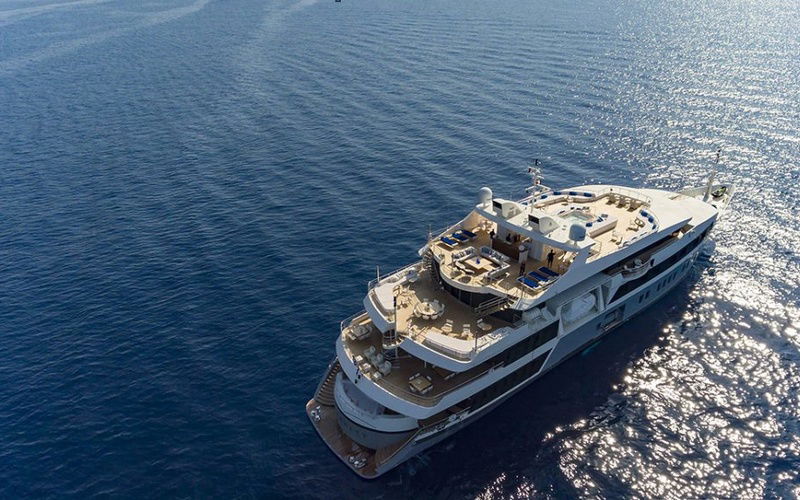
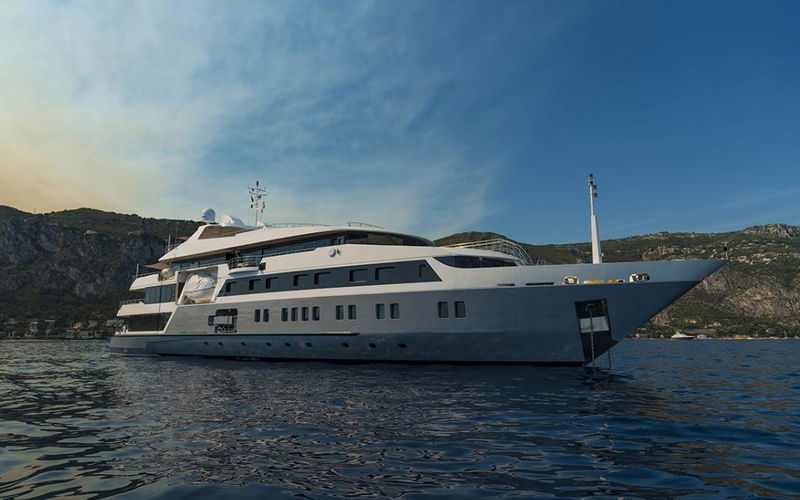
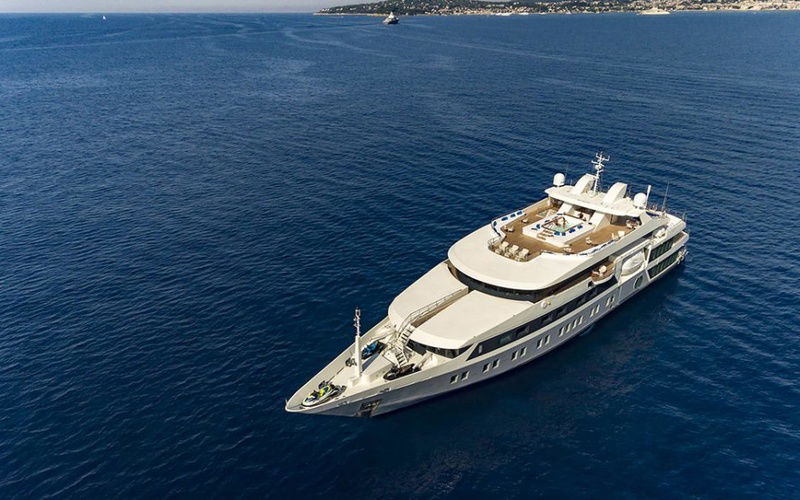
Images have been gathered from various sources and belong to their respective owners.
Review - Austal SERENITY

MarineBroker
06/06/2024, 9:26 AM
2004 Austal SERENITY: What Buyers and Enthusiasts Should Know Before Moving Forward
If you’re researching the 2004 Austal SERENITY, you’re probably doing more than just admiring a beautiful yacht profile. Most people looking at a vessel like this are trying to answer a bigger question: is it a smart fit for their cruising plans, ownership goals, and long-term maintenance expectations?
That’s a fair question. A yacht of this size and pedigree can be incredibly rewarding, but it can also come with a learning curve. The challenge isn’t just finding a boat that looks impressive on paper. It’s understanding how the yacht has been used, what kind of upkeep it needs, and whether its systems, layout, and operating profile match your expectations.
That’s where a closer, practical look helps. Instead of focusing only on the name, it’s better to think about condition, operating costs, onboard comfort, and how a vessel like 2004 Austal SERENITY fits into real-world ownership. In this article, we’ll break down the key things to consider, the common concerns buyers and enthusiasts face, and the best way to approach a yacht of this caliber with confidence.
- What Makes the 2004 Austal SERENITY Stand Out
Austal is a respected name in the world of large yacht and ship construction, known for building vessels with strong engineering foundations and attention to performance. When people search for 2004 Austal SERENITY, they’re often interested in more than just specs. They want to understand the character of the yacht.
A yacht from this builder is typically associated with:
- Robust aluminum construction
- Efficient performance for its size
- Spacious interior volume
- A design approach that balances comfort and capability
For many buyers, that combination is attractive because it suggests a vessel designed for serious cruising rather than short-term novelty. The 2004 build year also places the yacht in a category where modern amenities may be present, but the systems are old enough that a careful inspection matters.
That’s the real issue for many people interested in this yacht: how do you separate a well-kept vessel from one that may need major attention? The answer is to evaluate the boat methodically, not emotionally.
- The Main Problem: How to Judge an Older Large Yacht Correctly
When people look at a yacht like 2004 Austal SERENITY, the biggest mistake is assuming that age alone tells the full story. It doesn’t.
A well-maintained 2004 yacht can be an excellent purchase. A neglected one can become a costly project very quickly. The problem is that large yachts often hide their issues better than smaller boats. Cosmetic polish can make a vessel look ready, even when some systems are overdue for service.
Common concerns include:
- Aging mechanical systems
- Deferred maintenance
- Electrical upgrades needed for modern usage
- Interior wear that doesn’t show up in photos
- Insurance and survey requirements
- Docking, crew, and operating costs
For buyers and enthusiasts, the challenge is simple: how do you assess value without getting distracted by presentation?
The best solution is to focus on four areas:
1. Structure and condition
2. Machinery and systems
3. Operational costs
4. Intended use
If those four match your expectations, the yacht may be a strong fit. If one or more of them fall short, you’ll want to dig deeper before making any decisions.
- Why the 2004 Austal SERENITY Appeals to Serious Buyers
There’s a reason people keep searching for this yacht. A vessel like 2004 Austal SERENITY usually attracts attention from buyers who want a combination of range, space, and a more substantial onboard experience.
Some of the main reasons enthusiasts are drawn to yachts in this category include:
- Large interior and exterior living spaces
- Better stability and comfort underway
- Potential for extended cruising
- Strong build quality from a recognized yard
- Prestige without necessarily going into brand-new superyacht pricing
That said, the appeal of a yacht like this should always be balanced against practical ownership realities. A large yacht is not just a floating home. It’s a complex machine with a maintenance schedule, technical systems, and ongoing expenses.
If you’re considering this vessel, the smart approach is to ask: does the lifestyle it supports match the time, budget, and attention I can realistically give it?
- What to Inspect Before You Commit
Whether you’re buying, chartering, or simply evaluating 2004 Austal SERENITY as a reference point, inspection is everything. Photos and listing descriptions are useful, but they can’t replace a proper onboard review.
Here’s what should be checked carefully:
- Hull and superstructure condition
- Signs of corrosion, especially on aluminum surfaces and fittings
- Engine hours and service history
- Generator condition and load performance
- Electrical panels, wiring, and battery systems
- HVAC operation
- Navigation and communication electronics
- Plumbing, freshwater, and waste systems
- Tender handling equipment and cranes
- Safety gear and compliance items
A professional marine survey is essential, but so is a practical walkthrough. Look for evidence of regular maintenance, not just recent cleaning. Fresh paint can be a good sign, but it can also hide problems if it’s not backed by documentation.
If a seller can provide records, that’s a major plus. In large yacht ownership, paperwork often tells you as much as the vessel itself.
- Understanding Maintenance on a Yacht Like 2004 Austal SERENITY
One of the most important realities of owning a yacht from 2004 is that maintenance is not optional. It’s part of the ownership model.
The good news is that a well-built yacht can remain highly usable for many years if it’s cared for properly. The challenge is staying ahead of wear before it becomes expensive damage.
Typical maintenance priorities include:
- Engine and generator servicing
- Bottom inspections and coatings
- Stabilizer and steering system checks
- Electrical and battery replacement cycles
- HVAC cleaning and servicing
- Seal, hose, and pump replacement
- Interior climate and moisture control
A useful rule of thumb: if a system is critical and older than it looks, assume it may need attention soon.
For buyers interested in 2004 Austal SERENITY, the smartest solution is to budget not just for purchase price, but for immediate post-acquisition work. Many experienced yacht owners set aside a reserve fund for:
- Survey findings
- Cosmetic refreshes
- Safety upgrades
- Preventive maintenance
- Unexpected repairs
That approach keeps the ownership experience much smoother and avoids the common trap of buying a yacht that looks affordable but becomes expensive after closing.
- Matching the Yacht to Your Intended Use
A yacht is only a good fit if it supports the way you actually plan to use it. That’s especially true with a vessel like 2004 Austal SERENITY, where size and capability can open a lot of doors.
Ask yourself:
- Will this be used for private cruising, charter, or both?
- How many guests will be onboard regularly?
- Do you want long-range cruising capability?
- Will you operate with a professional crew?
- Are you planning seasonal use or year-round operation?
These questions matter because the “best” yacht on paper may not be the best yacht for your lifestyle.
For example:
- A family focused on weekend coastal trips may not need the same setup as someone planning extended offshore passages.
- A buyer who wants frequent entertaining may prioritize deck space and guest cabins.
- An owner planning remote cruising may care more about redundancy, fuel efficiency, and mechanical reliability.
The practical solution is to align the yacht’s strengths with your real usage pattern. That’s how you avoid buying a vessel that’s impressive but inconvenient.
- The Value of Professional Surveys and Sea Trials
If there’s one step that should never be skipped, it’s the survey and sea trial. This is where the real story of a yacht comes out.
A proper survey of 2004 Austal SERENITY should look at:
- Structural integrity
- Machinery performance
- Electrical safety
- Moisture intrusion
- Steering and control response
- Noise, vibration, and comfort underway
A sea trial is especially helpful because it shows how the yacht behaves in motion. Does it run smoothly? Are there unusual vibrations? Does the engine room stay within expected temperature ranges? Do systems perform under load?
These details can reveal whether the yacht has been maintained to a high standard or simply made to look presentable.
If you’re not experienced with large yacht systems, bring in professionals who are. A good surveyor, captain, or engineer can save you from expensive surprises.
- Common Red Flags to Watch For
When evaluating a yacht like 2004 Austal SERENITY, there are a few warning signs that should make you slow down and investigate further.
Watch for:
- Missing service records
- Recent cosmetic work with no technical documentation
- Inconsistent logbooks or hour readings
- Signs of water intrusion
- Excessive corrosion in hidden areas
- Outdated electronics with no upgrade plan
- Uneven wear between systems
- Strong odors from bilges, lockers, or cabins
None of these automatically disqualify a yacht, but they do suggest the need for deeper inspection.
A very polished appearance can sometimes create false confidence. The better solution is to trust evidence, not presentation. A yacht’s true condition is usually found in the engine room, technical spaces, and maintenance history.
- How to Think About Ownership Costs
One of the biggest surprises for new buyers is how ownership costs scale with yacht size. A vessel like 2004 Austal SERENITY may offer exceptional comfort, but it also comes with expenses that go beyond fuel and docking.
Typical ongoing costs may include:
- Crew wages
- Insurance
- Dockage or marina fees
- Fuel
- Routine maintenance
- Spare parts
- Annual haul-out or drydock work
- Interior and exterior cleaning
- Safety and compliance updates
Even if the yacht is not used constantly, many of these costs continue. That’s why serious buyers focus on total cost of ownership instead of just acquisition price.
A practical solution is to create a yearly operating budget before you buy. That budget should reflect not only normal operation, but also periodic repairs and upgrade cycles. If the numbers feel tight now, they’ll likely feel tighter later.
- Why Documentation Matters So Much
For a yacht from 2004, records are often just as important as condition. Documentation helps you understand how the vessel has lived.
Useful records include:
- Engine and generator service logs
- Yard invoices
- Parts replacement history
- Survey reports
- Warranty records, if any remain
- Equipment manuals
- Refits or upgrades completed over time
For 2004 Austal SERENITY, strong documentation can increase confidence significantly. It shows that the yacht has been treated as a serious asset rather than a casual possession.
If records are incomplete, that doesn’t automatically mean the yacht is poor. But it does mean you should verify more things independently. In other words, absence of evidence should lead to more checking, not less.
- Practical Tips for Interested Buyers and Enthusiasts
If you’re actively researching this yacht, here are a few simple but effective steps to keep the process grounded:
1. Start with the intended use
Know how you want to use the yacht before getting too deep into details.
2. Review service history first
A solid maintenance record often matters more than a fresh polish.
3. Budget for immediate work
Assume some upgrades or repairs may be needed after purchase.
4. Hire experienced professionals
Large yachts require specialists who understand complex systems.
5. Compare condition, not just reputation
Builder name matters, but condition and upkeep matter more.
6. Think long term
Consider how the yacht fits your plans over the next several years, not just the first season.
These steps are simple, but they prevent many expensive mistakes.
- Where 2004 Austal SERENITY Fits in the Bigger Picture
The broader lesson here is that a yacht like 2004 Austal SERENITY should be viewed as a capable platform, not just a collectible name. Its value depends on how well it has been maintained, how it fits your goals, and how prepared you are for ownership.
For the right buyer, a well-kept yacht from this era can offer excellent comfort, serious cruising ability, and a lot of enjoyment. For the wrong buyer, the same yacht can become a frustrating and expensive burden.
That’s why the best solution is always a disciplined one:
- inspect carefully
- verify records
- understand costs
- match the yacht to your use
- get expert advice before committing
When you approach the process that way, you’re far more likely to make a decision you’ll be happy with.
- Conclusion
The 2004 Austal SERENITY is the kind of yacht that attracts attention for good reason: strong build quality, generous space, and the potential for comfortable cruising. But like any large yacht from 2004, the real question is not just what it is, but how it has been cared for and whether it suits your plans.
The smartest buyers focus on condition, documentation, operating costs, and intended use. That approach helps separate a truly capable yacht from one that only looks appealing at first glance. If you’re continuing your research, take the time to review surveys, service records, and ownership requirements carefully. A little patience now can lead to a much better boating experience later.
Specifications
General
Boat Type: Power Boats
Class Type: Mega Yacht
Specifications
Length: 236.22
Beam: 45.28
Draft: 5.91
Hull Material: Steel
Build
First Built: 2004
Propulsion
Fuel Type: Diesel
Engines: 2
Power: 0 HP
Brand: MTU
Accomodation
Cabins: 15
PROS & CONS
What we appreciated
 Sturdy and reliable build quality by AustalSpacious cabin suitable for extended tripsEfficient fuel consumption for its classGood handling and stability in various sea conditionsWell-maintained 2004 model with classic design
What we didn’t appreciate
 Older model may lack modern electronics and amenitiesPotential for wear and tear on engine and mechanical partsLimited availability of replacement parts due to ageInterior design may feel outdated compared to newer boatsPossible higher maintenance costs associated with older vessels
Upkeep Costs
Fuel: Approximately $3,000 - $6,000 per year depending on usage
Maintenance and Repairs: $2,000 - $5,000 per year
Insurance: $1,000 - $2,500 per year
Docking/Storage Fees: $1,200 - $4,000 per year
Registration and Taxes: $200 - $600 per year
Rating
8.5
User
Score
Score
Driveability
Technology
Interior
Design
Similar Boats


MarineBroker
Download now for an immersive boat experience like never before! ⛵✨ Your journey begins with a simple click. 🌊📲
#SetSailSmart #DownloadNow
#SetSailSmart #DownloadNow

Subscribe
Copyright 2017 - 2026, Marinebroker.net, All Rights Reserved