2003 Amels Calypso: What Buyers and Owners Should Know Before Making a Move
The 2003 Amels Calypso is the kind of yacht that gets people talking for good reason. It has the pedigree, the custom-build appeal, and the classic super...
Discover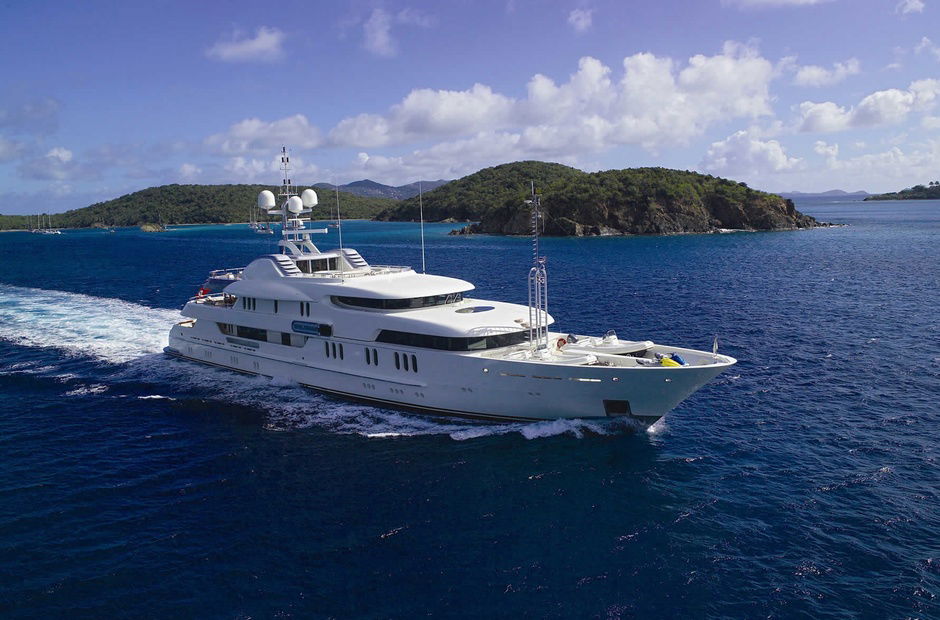

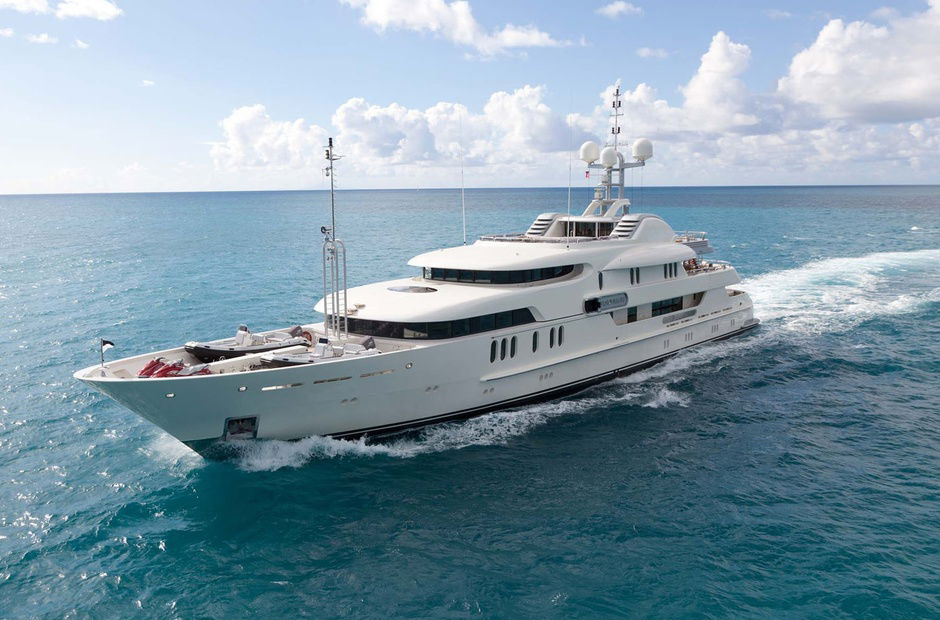

Images have been gathered from various sources and belong to their respective owners.
Review - Amels Calypso

MarineBroker
03/10/2024, 5:03 PM
2003 Amels Calypso: What Buyers and Owners Should Know Before Making a Move
The 2003 Amels Calypso is the kind of yacht that gets people talking for good reason. It has the pedigree, the custom-build appeal, and the classic superyacht presence that many owners and buyers look for in this size and era. But once the excitement settles, a more practical question usually shows up: how do you actually evaluate a yacht like this without getting tripped up by hidden maintenance issues, outdated systems, or ownership costs that don’t show up in the glossy photos?
That’s the real challenge with older luxury yachts. A vessel like the 2003 Amels Calypso may look ready to cruise, but the true value depends on more than appearance. Buyers want confidence, current owners want to preserve value, and both need a clear picture of what matters most: condition, refit history, operating costs, and long-term usability. The good news is that with the right approach, you can separate the impressive from the impractical. In this article, we’ll walk through the key things to look for, common pitfalls to avoid, and how to make smarter decisions around a yacht like this.
- What Makes the 2003 Amels Calypso Stand Out
Amels has long been associated with quality Dutch yacht building, and that reputation matters. A yacht from this yard often brings strong construction standards, thoughtful engineering, and a layout designed for real-world use rather than just dockside appeal.
For buyers interested in the 2003 Amels Calypso, the appeal usually comes down to a few things:
- Solid build quality
- Custom or semi-custom design elements
- Strong seakeeping characteristics
- A layout suited for comfortable cruising
- Brand recognition in the superyacht market
That said, age changes the conversation. A yacht built in 2003 can still be an excellent vessel, but only if it has been maintained properly and updated where needed. The hull may be robust, but the systems inside the yacht are what often determine whether ownership feels smooth or stressful.
- The Main Problem: Age, Maintenance, and Hidden Costs
The biggest issue people face when considering a yacht like the 2003 Amels Calypso is not whether it was built well. It’s whether it has been cared for well over time.
Older yachts can develop problems in areas that aren’t obvious during a quick viewing. These often include:
- Aging electrical systems
- Outdated navigation and communication equipment
- Wear in generators, stabilizers, or propulsion components
- Interior materials showing age
- Plumbing or HVAC inefficiencies
- Corrosion in hidden spaces
- Incomplete refit records
This is where many buyers make mistakes. They focus on the layout and finishes, but miss the long-term cost of bringing the yacht up to current standards. Even a very attractive superyacht can become expensive if it needs major updates right after purchase.
For current owners, the same issue shows up in a different way. If a yacht has not been refreshed regularly, it can lose market appeal and become harder to operate efficiently. That means lower resale interest and higher upkeep pressure.
- How to Evaluate a 2003 Amels Calypso the Smart Way
The solution starts with a structured evaluation. Instead of asking only, “Does it look good?”, ask, “Does it still perform like a yacht I’d want to own for the next five years?”
Here’s a practical checklist:
- Review the full maintenance history
- Check for documented refits and upgrades
- Inspect the condition of engines and generators
- Confirm the age of major systems
- Evaluate the state of technical equipment
- Look closely at the interior and soft goods
- Review survey and sea trial results
- Estimate future maintenance and refit costs
A proper survey is essential. A professional marine surveyor can identify issues that a casual inspection would miss, especially if the yacht has been used heavily or stored in varying conditions.
If possible, request records for:
- Engine service intervals
- Generator servicing
- Stabilizer maintenance
- Hull inspections
- Paint and exterior refinishing
- Safety equipment replacement
- Electrical and electronics upgrades
A well-documented yacht often tells a much better story than a heavily polished one.
- Why Refit History Matters So Much
When evaluating the 2003 Amels Calypso, refit history is one of the clearest indicators of value. A yacht that has been consistently updated may be far more desirable than one that has simply been kept afloat.
Refits can include:
- New navigation electronics
- Modern AV systems
- Interior redesign or soft furnishing updates
- Engine overhauls
- Stabilizer servicing
- New teak decking
- Paintwork refresh
- Safety and compliance upgrades
A strong refit history suggests the yacht has been treated as a long-term asset, not just a floating luxury item. That matters for both comfort and resale.
For example, a yacht with updated navigation and communication systems is easier to operate safely and more attractive to buyers who want immediate cruising readiness. On the other hand, a vessel with dated systems may still be structurally sound but could require a major investment before it feels current.
- Common Issues to Watch on an Older Superyacht
Every yacht has its own story, but older superyachts tend to share a few common pain points. Knowing these ahead of time helps you avoid surprises.
Watch for:
- Electrical gremlins from aging wiring or control panels
- Slow or noisy HVAC performance
- Worn seals around windows, doors, or deck fittings
- Cosmetic wear in high-traffic interior areas
- Fatigue in pumps, valves, and mechanical systems
- Electronics that are no longer supported
- Corrosion in damp or hidden compartments
None of these automatically make a yacht a bad buy. In fact, many are normal for a vessel of this age. The issue is whether they’ve been identified and addressed.
A good rule of thumb: if multiple systems are nearing the end of their service life at the same time, the cost of ownership rises quickly. That’s why pre-purchase planning matters just as much as the asking price.
- The Ownership Question: Can You Run It Comfortably?
A lot of people fall in love with the idea of owning a yacht like the 2003 Amels Calypso, but the real question is whether it fits their lifestyle and budget.
Ownership costs can include:
- Crew salaries
- Dockage
- Fuel
- Insurance
- Routine maintenance
- Annual haul-outs
- Classification or compliance work
- Unexpected repairs
Even a well-kept yacht can be expensive to run. Larger systems require attention, and older yachts often need more hands-on oversight than newer ones.
If you’re considering ownership, it helps to estimate annual operating costs before you commit. A practical approach is to look at the yacht’s recent service history and ask:
- Has it been operating efficiently?
- Are the systems reliable?
- Does it need a major refit soon?
- Is the crew size appropriate for the vessel?
- Are spare parts readily available?
These questions can help you understand whether the yacht is a manageable asset or a constant project.
- How to Turn a Potential Problem into a Good Purchase
The good news is that age itself is not the enemy. The real solution is due diligence. A yacht like the 2003 Amels Calypso can still be a strong choice if you approach it with the right process.
Here’s a simple strategy:
1. Start with records, not emotions
Ask for documentation before getting too attached to the yacht.
2. Hire the right experts
Use a marine surveyor, technical consultant, and if needed, a refit advisor.
3. Budget for the next phase
Don’t just budget for purchase price. Include upgrades, maintenance, and reserve funds.
4. Prioritize systems over cosmetics
A fresh interior is nice, but reliable propulsion and electrical systems matter more.
5. Plan for how you’ll use the yacht
Weekend cruising, charter, and long passages all create different demands.
This approach helps you make a decision based on reality, not just presentation.
- What Buyers Often Overlook
When people shop for a yacht like the 2003 Amels Calypso, they often focus on the visible luxury elements. That’s understandable, but it can lead to missed warning signs.
Common oversights include:
- Assuming a clean exterior means strong mechanical condition
- Ignoring the age of electronics
- Underestimating refit costs
- Forgetting about crew workflow and storage
- Overlooking noise, vibration, and comfort underway
- Not checking whether parts and support are still accessible
Comfort on board is not just about leather, wood, and layout. It’s also about how the yacht behaves at sea, how easy it is to maintain, and how much downtime it demands.
A yacht that is beautiful but difficult to operate can become frustrating very quickly.
- Why the 2003 Amels Calypso Appeals to the Right Buyer
The ideal buyer for a yacht like the 2003 Amels Calypso is usually someone who values craftsmanship, appreciates proven platforms, and is willing to invest in proper upkeep.
This type of yacht often appeals to buyers who want:
- A respected pedigree
- A substantial presence on the water
- A yacht with real cruising capability
- A platform that can be updated to modern standards
- A vessel with strong long-term ownership potential
It may not be the best fit for someone looking for a turnkey, zero-maintenance experience. But for the right buyer, it can offer a rewarding mix of character, capability, and value.
- Practical Tips Before You Commit
Before making a decision, keep these tips in mind:
- Compare the yacht’s condition to similar yachts in the market
- Ask for a full list of recent upgrades
- Verify service intervals on key machinery
- Inspect guest areas and crew areas separately
- Test all major systems during the sea trial
- Review insurance and compliance requirements
- Estimate the cost of any “nice-to-have” upgrades after purchase
If the yacht has been well maintained, the next step may simply be light modernization rather than a full refit. That can make ownership much more attractive.
If it needs deeper work, it may still be worth considering, but only if the price reflects the investment required.
- Making the Right Decision with a Yacht Like This
The 2003 Amels Calypso represents a familiar superyacht dilemma: a well-built yacht with strong appeal, but one that must be judged on its current condition rather than its original reputation alone. That’s true for any older luxury vessel, especially when systems, maintenance, and refit history play such a big role in value.
The practical solution is simple: slow down, inspect carefully, and think beyond the first impression. With the right survey, realistic budgeting, and a clear understanding of upcoming maintenance, you can avoid costly surprises and make a much smarter decision.
- Conclusion
The 2003 Amels Calypso can be an exciting option for buyers and enthusiasts, but the key is knowing what to look for. A yacht of this age and class is only as good as its maintenance history, refit record, and onboard systems. If those pieces are in good shape, it can offer serious value and a rewarding ownership experience.
The smartest move is to focus on condition, not just appearance. Do that, and you’ll be in a much better position to decide whether this yacht fits your plans. If you want to go deeper, keep researching comparable yachts, maintenance trends, and survey best practices before taking the next step.
Specifications
General
Boat Type: Power Boats
Class Type: Mega Yacht
Specifications
Length: 203.41
Beam: 38.06
Draft: 12.14
Hull Material: Steel
Build
First Built: 2003
Propulsion
Fuel Type: Diesel
Engines: 2
Power: 2600 HP
Brand: Caterpillar
Accomodation
Cabins: 7
PROS & CONS
What we appreciated
 Classic and elegant design with timeless appealSpacious and luxurious interior layoutSolid construction with high-quality materialsGood sailing performance for a cruiser of its sizeWell-equipped with essential amenities for comfortable long voyages
What we didn’t appreciate
 Older model, may require more maintenance and upgradesLimited availability of parts due to ageLess advanced navigation and onboard technology compared to modern boatsPotentially higher fuel consumption with older engine modelsInterior design might feel outdated to some buyers
Upkeep Costs
Annual maintenance and repairs: $15,000 - $30,000
Fuel: $20,000 - $50,000 per year (depending on usage)
Docking and marina fees: $10,000 - $25,000 per year
Insurance: $8,000 - $15,000 per year
Crew salaries (if applicable): $100,000 - $300,000 per year
Rating
8.1
User
Score
Score
Driveability
Technology
Interior
Design
Similar Boats


MarineBroker
Download now for an immersive boat experience like never before! ⛵✨ Your journey begins with a simple click. 🌊📲
#SetSailSmart #DownloadNow
#SetSailSmart #DownloadNow

Subscribe
Copyright 2017 - 2026, Marinebroker.net, All Rights Reserved