Boat Database » ARNO Leopard Wella de Plata
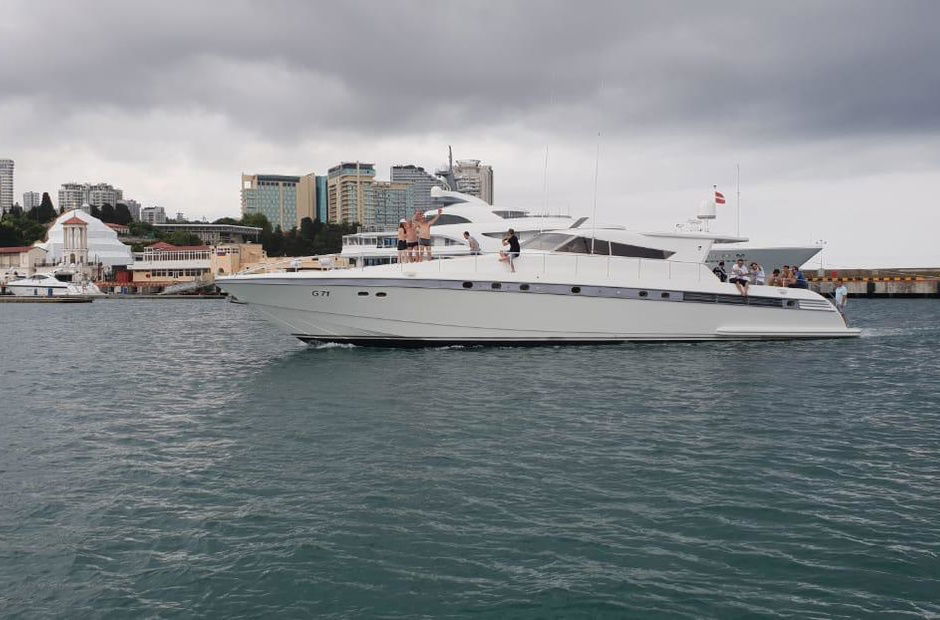
ARNO Leopard Wella de Plata
Inboard Direct-Drive, Diesel, 2x 1150 HP
Power Boats 2004 ARNO Leopard Wella de Plata: What Buyers and Owners Should Know Before Making a Move
If you’ve been searching for information on the 2004 ARNO Leopard Wella de Plata, you’re probably already aware that this isn’t just any ya...
Discover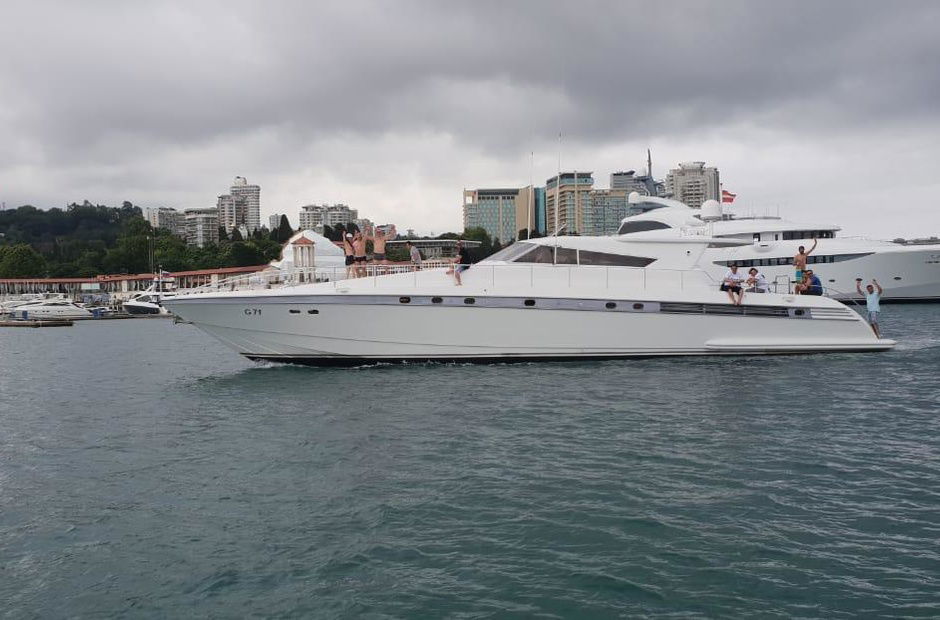


Images have been gathered from various sources and belong to their respective owners.
Review - ARNO Leopard Wella de Plata

MarineBroker
01/18/2024, 4:45 AM
2004 ARNO Leopard Wella de Plata: What Buyers and Owners Should Know Before Making a Move
If you’ve been searching for information on the 2004 ARNO Leopard Wella de Plata, you’re probably already aware that this isn’t just any yacht listing. A yacht like this tends to attract attention for its pedigree, style, and performance, but that also creates a common problem: it’s easy to get swept up by the name and overlook the practical details that matter most.
Whether you’re thinking about buying, chartering, or simply comparing similar yachts, the real challenge is figuring out what makes this vessel a smart choice for your needs. Questions like maintenance history, layout suitability, operating costs, survey results, and long-term value can make or break the decision. And with a yacht of this size and caliber, those details matter a lot more than glossy photos or a polished brochure.
The good news? With the right approach, you can evaluate the 2004 ARNO Leopard Wella de Plata confidently and avoid expensive surprises. In this article, we’ll walk through the key things to look for, the most common concerns buyers face, and how to make a practical, informed decision.
- What Makes the 2004 ARNO Leopard Wella de Plata Worth Considering
The 2004 ARNO Leopard Wella de Plata comes from a respected line known for sleek Italian design, strong performance, and luxury-focused layouts. For many yacht enthusiasts, that combination is exactly what makes it appealing.
But the value of a yacht like this isn’t just in its brand or age. It’s in how well it has been maintained, how it fits your cruising goals, and whether it has the systems and condition to support the kind of use you want.
A 2004 model can still be a very capable vessel, but only if the major systems have been properly cared for. That’s why buyers should focus less on the model year alone and more on the actual condition and operating history.
Key reasons people consider this type of yacht include:
- Strong performance for its class
- Distinctive styling and presence
- Spacious layout compared with many yachts of similar length
- Reputation associated with Leopard and ARNO builds
- Potential value if maintained to a high standard
Still, the age of the vessel means you need to look beyond the surface.
- The Real Problem: Age, Maintenance, and Hidden Costs
The biggest issue with older luxury yachts is not necessarily the hull or the design. It’s often the accumulated wear in the systems you can’t easily see.
A yacht built in 2004 may have undergone upgrades, refits, or partial replacements. Or it may still carry original equipment that is now due for replacement. That difference can dramatically affect ownership costs.
Common problem areas buyers should watch for include:
- Engines and generators nearing major service intervals
- Aging electronics and navigation systems
- Worn upholstery, teak, or interior finishes
- Outdated plumbing or electrical components
- Hull and structural issues that only show up in a proper survey
- Maintenance records that are incomplete or inconsistent
This is where many buyers run into trouble. They focus on the asking price, then discover that the real cost of ownership includes refits, dockage, insurance, crew, and annual maintenance.
For a yacht like the 2004 ARNO Leopard Wella de Plata, the smartest move is to treat the vessel as a full system, not just a beautiful object.
- How to Evaluate the 2004 ARNO Leopard Wella de Plata Properly
If you want a practical solution, start with a structured evaluation. That means looking at the yacht from three angles: mechanical condition, cosmetic condition, and operational fit.
- Mechanical Condition
This is the most important area. Ask for:
- Engine hours and service logs
- Generator hours and service history
- Recent oil analysis, if available
- Records for cooling systems, shafts, seals, and transmissions
- Service dates for batteries, pumps, and electrical components
A good rule of thumb: if the seller can’t clearly document major maintenance, assume you’ll need to budget for catch-up work.
- Cosmetic Condition
Luxury yachts often look excellent in photos, but cosmetic wear can hint at deeper issues. Check for:
- Soft spots in decking
- Water intrusion around windows or hatches
- Signs of mold or hidden moisture
- Fading, cracking, or delamination in finishes
- Upholstery condition in sun-exposed areas
These issues aren’t always deal-breakers, but they can reveal how well the boat has been cared for.
- Operational Fit
Even a well-maintained yacht may not be the right yacht for your plans. Ask yourself:
- Will you use it for day cruising, extended trips, or charter?
- Do you need a large crew or can you manage with a smaller team?
- Is the layout practical for your guests?
- Does the yacht’s draft and range suit your cruising grounds?
The best yacht is the one that fits your actual lifestyle, not just your dream board.
- Why a Survey Matters More Than the Sales Pitch
If you’re seriously considering the 2004 ARNO Leopard Wella de Plata, a professional marine survey is non-negotiable.
A survey helps identify issues that aren’t obvious during a walkthrough. It can uncover structural concerns, hidden moisture, electrical faults, and mechanical wear that may not be visible to the untrained eye.
A proper survey should cover:
- Hull and deck integrity
- Engine and machinery inspection
- Electrical systems
- Plumbing and sanitation systems
- Safety equipment
- Sea trial performance
You should also consider a separate engine survey if the vessel has high hours or limited service documentation.
This step may feel like a delay, but it’s actually the fastest way to avoid expensive mistakes. Many buyers who skip the survey end up paying far more later in repairs than they would have spent upfront on due diligence.
- What to Ask the Seller or Broker
A good conversation can save you a lot of time. Before you move forward, ask direct questions about the yacht’s history.
Useful questions include:
1. Has the yacht undergone any major refit or restoration?
2. Are the engines original, rebuilt, or replaced?
3. What systems have been upgraded recently?
4. Is there a complete maintenance log?
5. Has the yacht been privately used or chartered?
6. Are there any known issues or deferred maintenance items?
7. When was the last haul-out and bottom service completed?
8. Are all manuals, warranties, and service records available?
If the answers are vague, that’s a signal to slow down and dig deeper.
For a yacht with the profile of the 2004 ARNO Leopard Wella de Plata, transparency is a major indicator of quality. Sellers who maintain organized records usually have a better-maintained vessel overall.
- Understanding Operating Costs Before You Buy
One of the most common mistakes people make is underestimating ownership costs. A yacht in this class can be rewarding, but it also comes with recurring expenses that add up quickly.
Typical annual costs may include:
- Berthing or marina fees
- Insurance
- Fuel
- Routine maintenance
- Haul-out and yard work
- Crew salaries, if applicable
- Cleaning and detailing
- Unexpected repairs
The exact total depends on usage, region, and condition, but it’s wise to plan for maintenance as a meaningful part of the budget, not an afterthought.
A practical approach is to set aside a reserve fund for repairs. Many experienced owners use a percentage of the vessel’s value each year to cover ongoing care and surprise issues.
If the yacht has had recent upgrades, that can reduce short-term expenses. But if it’s been sitting without proper attention, the ownership cost can jump fast.
- Best Uses for a Yacht Like the 2004 ARNO Leopard Wella de Plata
Not every yacht is ideal for every purpose. The 2004 ARNO Leopard Wella de Plata is most appealing to buyers who want a mix of speed, style, and comfortable entertaining space.
It may be a strong fit for:
- Coastal cruising with friends and family
- Weekend escapes
- Entertaining guests in a luxury setting
- Private ownership with occasional longer trips
- Charter use, if configured appropriately and legally compliant
It may be less ideal if you want:
- Extremely low operating costs
- Minimal maintenance responsibilities
- Very simple systems for solo use
- Long-range expedition cruising without refit
The key is matching the yacht to your real boating habits. A vessel can be excellent without being right for everyone.
- How to Spot a Well-Maintained Example
When evaluating a yacht of this age, condition is everything. A well-kept example often shows consistent care in the details.
Look for signs such as:
- Clean engine room with labeled systems
- Regularly serviced machinery
- Updated electronics
- Fresh seals and hoses where needed
- No obvious corrosion or neglected fittings
- Interior surfaces that have been preserved rather than heavily patched
A yacht that has been used regularly and maintained properly often ages better than one that has sat unused for long periods.
Here’s a simple mindset shift: a boat that looks “too perfect” may have been recently polished for sale, while a boat with honest wear but solid records may be the safer buy.
- Refits and Upgrades That Add Real Value
If the yacht has already been updated, that can be a major advantage. Not all upgrades are equal, though.
The most valuable improvements usually include:
- Engine or generator servicing
- Modern navigation and communication electronics
- New batteries and charging systems
- Fresh soft goods and upholstery
- Refinished teak or deck surfaces
- HVAC servicing or replacement
- Updated safety gear and fire suppression systems
Cosmetic upgrades are nice, but mechanical and electrical improvements usually matter more for long-term ownership.
If you’re comparing listings, ask whether recent refit work was done by a reputable yard and whether invoices are available. Documentation adds real value.
- Practical Buying Strategy for This Model
If you’re seriously interested in the 2004 ARNO Leopard Wella de Plata, here’s a simple step-by-step approach that keeps the process grounded:
1. Review the listing carefully and note any gaps in information.
2. Request maintenance records and recent survey documents.
3. Inspect the yacht in person if possible.
4. Bring in a qualified marine surveyor.
5. Conduct an engine and systems inspection.
6. Estimate refit or repair costs before making an offer.
7. Compare the yacht against similar models in the same price range.
8. Negotiate based on condition, not just appearance.
This method helps you avoid emotional decision-making. It also gives you a clearer picture of what the yacht will really cost over the first few years of ownership.
- Who This Yacht Is Best Suited For
This kind of yacht tends to suit buyers who appreciate performance and are comfortable with a more hands-on ownership experience.
It may be ideal for someone who:
- Understands the importance of maintenance
- Wants a stylish, recognizable yacht
- Values performance and cruising comfort
- Is willing to budget for upkeep
- Prefers a vessel with character and presence
It’s not necessarily the best choice for someone looking for a turnkey, minimal-effort purchase unless the yacht has already been extensively refitted and documented.
That’s why the right solution is not just “buy or don’t buy.” It’s “buy only if the condition, records, and fit all line up.”
- Conclusion
The 2004 ARNO Leopard Wella de Plata can be an exciting option for the right buyer, but the smartest approach is to focus on condition, documentation, and real-world ownership costs. Older luxury yachts can offer excellent value, yet they also demand careful inspection and honest budgeting.
If you take the time to review maintenance history, commission a proper survey, and match the yacht to your cruising goals, you’ll be in a much stronger position to make a confident decision. In the end, the best purchase is the one that fits both your lifestyle and your expectations. If you’re continuing your search, compare similar yachts, study recent refit trends, and lean on expert surveyors before making a final move.
Specifications
General
Boat Type: Power Boats
Class Type: Mega Yacht
Specifications
Length: 75.46
Beam: 17.72
Hull Material: GRP
Build
First Built: 2004
Propulsion
Fuel Type: Diesel
Engines: 2
Power: 1150 HP
Brand: Unknown
Accomodation
Cabins: 3
PROS & CONS
What we appreciated
 Classic Italian design with elegant stylingSturdy construction typical of ARNO Leopard vesselsSpacious deck layout suitable for leisure activitiesGood performance for a boat of its size and ageReliable engine options with relatively easy maintenance
What we didn’t appreciate
 Older model, may require updates to electronics and navigation systemsPotentially higher maintenance costs due to ageLimited modern amenities compared to newer boatsFuel efficiency may not match contemporary designsAvailability of spare parts might be limited
Upkeep Costs
Insurance: $1,500 - $3,000 per year
Docking/Marina Fees: $2,000 - $5,000 per year
Maintenance and Repairs: $3,000 - $7,000 per year
Fuel: $2,000 - $6,000 per year (depending on usage)
Winterization and Storage: $1,000 - $2,500 per year

Rating
8.3
User
Score
Score
Driveability
Technology
Interior
Design
Similar Boats


MarineBroker
Download now for an immersive boat experience like never before! ⛵✨ Your journey begins with a simple click. 🌊📲
#SetSailSmart #DownloadNow
#SetSailSmart #DownloadNow

Subscribe
Copyright 2017 - 2026, Marinebroker.net, All Rights Reserved