Boat Type: Power Boats
Boat Class: Mega Yacht
Length: 98.43 ft
Berths: 8
Cabins: 5
Bathrooms: 5
Max Persons: 12
Boat Database » Sanlorenzo Grace
Sanlorenzo Grace
Inboard Direct-Drive, Diesel, 2x 2300 HP
Power Boats 2001 Sanlorenzo Grace: What Buyers and Owners Should Know Before Moving Forward
If you’ve been searching for information on the 2001 Sanlorenzo Grace, you’re probably already past the “just browsing” stage. Maybe you’re trying to...
Discover

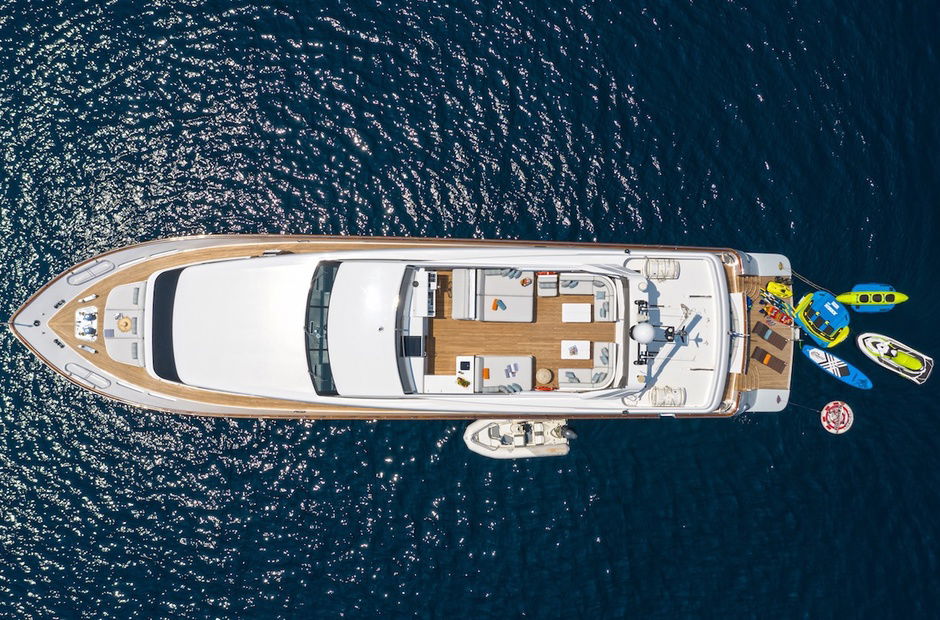
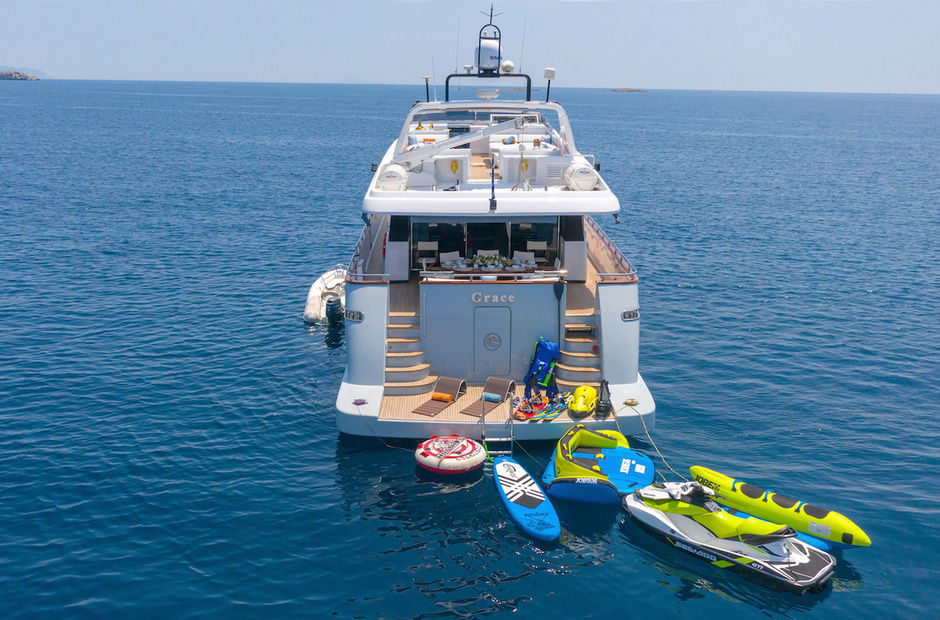
Images have been gathered from various sources and belong to their respective owners.
Review - Sanlorenzo Grace

MarineBroker
12/30/2023, 5:11 AM
2001 Sanlorenzo Grace: What Buyers and Owners Should Know Before Moving Forward
If you’ve been searching for information on the 2001 Sanlorenzo Grace, you’re probably already past the “just browsing” stage. Maybe you’re trying to understand whether this yacht is a smart purchase, what kind of ownership experience to expect, or how to evaluate an older luxury vessel without getting caught by expensive surprises. That’s a very normal place to be.
Buying or studying a yacht like the 2001 Sanlorenzo Grace is exciting, but it can also feel a little overwhelming. Older yachts often come with a mix of charm, craftsmanship, and hidden maintenance considerations. The biggest challenge for most buyers isn’t finding a beautiful boat — it’s knowing how to judge its real condition, ongoing costs, and suitability for their plans.
That’s where the right approach makes all the difference. Instead of focusing only on appearance or brand reputation, it helps to look at the yacht the way an experienced owner would: structure, systems, maintenance history, refit potential, and long-term usability. In this article, we’ll break down the key things to know about the 2001 Sanlorenzo Grace, the common concerns people face with yachts of this age, and practical ways to make a confident decision.
- Why the 2001 Sanlorenzo Grace gets attention
Sanlorenzo has long been associated with refined Italian yacht building, and that matters when you’re looking at a yacht from 2001. Buyers often gravitate toward this kind of vessel because it combines elegant design, solid construction, and a layout that may still feel relevant today.
For people interested in the 2001 Sanlorenzo Grace, the appeal usually comes down to a few things:
- A respected yacht builder with a strong market reputation
- Classic styling that still looks sophisticated
- A size and layout that may suit private cruising or family use
- Potential value compared with newer yachts in the same class
Still, a yacht from 2001 should always be viewed through a practical lens. Age alone doesn’t tell the full story. Two yachts built in the same year can have completely different value depending on how they were maintained, stored, and upgraded.
That’s why the real question is not just “Is it a Sanlorenzo?” but “What condition is it in today, and does it fit my intended use?”
- The main problem: older luxury yachts can hide costly surprises
When people look at a yacht like the 2001 Sanlorenzo Grace, the biggest problem is usually uncertainty. Older yachts can appear impressive on the surface while carrying technical or cosmetic issues underneath.
Common concerns include:
- Engine wear or outdated service records
- Aging electrical systems
- Original navigation equipment that may no longer be current
- Moisture intrusion or structural issues
- Interior wear that is not obvious in photos
- Higher-than-expected refit and upkeep costs
This is especially important for buyers who are new to yacht ownership. A vessel may look like a great deal at first, but if it needs major work, the final cost can rise quickly.
For example, a yacht with a lower asking price might still require:
- New batteries
- Electronics upgrades
- Teak deck work
- Air conditioning repairs
- Generator servicing
- Upholstery replacement
- Safety equipment updates
That’s why the smartest buyers don’t just ask, “What does it cost to buy?” They ask, “What will it cost to own properly?”
- How to evaluate the 2001 Sanlorenzo Grace the smart way
If you’re seriously considering the 2001 Sanlorenzo Grace, the best solution is a structured evaluation process. That means looking beyond the listing and digging into the parts that affect safety, comfort, and long-term value.
Here’s a practical checklist.
- Review the maintenance history
A strong maintenance record is one of the best signs that an older yacht has been cared for properly. Ask for:
- Engine and generator service logs
- Haul-out records
- Warranty or repair documentation
- Records of upgrades and replacements
- Evidence of winter storage or professional management
A well-documented yacht usually tells a better story than a polished listing ever could.
- Inspect the mechanical systems
Mechanical condition is one of the biggest factors in ownership satisfaction. Even a beautiful yacht can become stressful if engines, generators, or hydraulics are neglected.
Pay attention to:
- Engine hours and service intervals
- Cooling system condition
- Fuel system cleanliness
- Generator performance
- Steering and thruster operation
- Bilge cleanliness and dryness
If possible, have a marine surveyor and a qualified mechanic inspect the vessel. This is one of the best investments you can make.
- Check electrical and navigation equipment
Technology from 2001 may still function, but it may not meet the expectations of modern cruising. Older systems can also be harder to repair if parts are discontinued.
Look for:
- Updated chartplotters and radar
- Functional autopilot
- Reliable battery banks and charging systems
- Clean wiring and labeled circuits
- Modern safety alarms and monitoring systems
If the electronics are outdated, that doesn’t automatically make the yacht a bad choice. It just means you should budget for upgrades.
- Examine the hull and structure
The hull and structural condition should be a top priority. Cosmetic improvements are easy to see, but structural issues are where serious costs can hide.
A proper inspection should cover:
- Hull condition
- Signs of osmosis or blistering
- Evidence of previous repairs
- Deck softness or delamination
- Window and seal integrity
- Corrosion around fittings and hardware
If the yacht has been well maintained, these areas should show consistency and care rather than patchwork fixes.
- Think about the interior honestly
A yacht’s interior can be a huge part of its appeal, but it’s also one of the easiest areas to underestimate in cost. Soft furnishings, cabinetry, flooring, and headliners can age in ways that aren’t obvious at first glance.
Ask yourself:
- Does the layout still suit your needs?
- Are the materials in good condition?
- Does the interior feel fresh or dated?
- Would you want to cruise it as-is, or refit it later?
Sometimes a yacht with a slightly older interior is still a great buy if the bones are strong and the refit budget is realistic.
- Why a survey matters more than a polished listing
One of the most practical solutions for anyone interested in the 2001 Sanlorenzo Grace is to rely on a full pre-purchase survey. This is not just a formality. It’s the best way to reduce risk.
A proper survey can reveal:
- Hidden water intrusion
- Engine compression issues
- Electrical faults
- Structural concerns
- Safety compliance gaps
- Evidence of poor repairs
Photos and descriptions can only tell you so much. A survey gives you real-world information, which is especially valuable on a yacht that is more than two decades old.
If the survey finds issues, that doesn’t necessarily mean you should walk away. It may simply mean you need to renegotiate, budget more accurately, or plan a refit.
- Understanding ownership costs before you commit
A lot of people focus on purchase price and forget the ongoing costs. That’s one of the most common mistakes in yacht ownership.
For an older vessel like the 2001 Sanlorenzo Grace, ownership costs may include:
- Annual maintenance
- Dockage or berth fees
- Insurance
- Fuel
- Crew, if applicable
- Winterization and storage
- Routine mechanical servicing
- Cosmetic upkeep and cleaning
- Unexpected repairs
A good rule of thumb is to assume that the true cost of ownership will be significantly higher than the purchase price alone suggests.
If you’re comparing this yacht with newer options, it helps to ask:
- Would I rather pay more upfront for fewer repairs?
- Am I comfortable managing refit projects?
- Do I want a turnkey yacht or a project with potential?
There’s no wrong answer, but there is a wrong surprise.
- When the 2001 Sanlorenzo Grace makes sense
This yacht may be a strong fit if you value craftsmanship, classic styling, and the possibility of getting more yacht for your money. It can be especially appealing if:
- You appreciate established European yacht design
- You’re comfortable with maintenance planning
- You want a private cruising platform rather than a brand-new showpiece
- You are open to selective upgrades or refit work
- You’re working with a knowledgeable broker, surveyor, and technician
Older luxury yachts often reward informed owners. If you know what you’re looking at, you can find real value.
On the other hand, it may not be the best fit if you want:
- Zero-maintenance ownership
- The latest onboard technology
- Immediate charter-readiness without upgrades
- A fully turnkey yacht with no project work
That’s why matching the yacht to your expectations is just as important as evaluating the yacht itself.
- Practical steps to reduce risk before buying
If you’re moving closer to a decision, here’s a simple process to follow.
- Request full documentation
Ask for service records, ownership history, and any available refit details.
- Hire the right survey team
Use a marine surveyor with experience in older motor yachts and, ideally, in Sanlorenzo vessels.
- Sea trial the yacht
A sea trial can reveal performance issues, vibration, steering concerns, and system failures that a dockside inspection might miss.
- Estimate refit costs early
Even if the yacht looks good, get realistic pricing for likely upgrades.
- Compare against similar yachts
Look at other yachts of similar size, age, and builder reputation so you can judge value fairly.
- Budget for the first year
The first year of ownership often includes more work than expected, especially if the yacht hasn’t been recently modernized.
This process helps you separate emotional excitement from practical confidence.
- Common red flags to watch for
When evaluating the 2001 Sanlorenzo Grace, watch for warning signs that may indicate bigger issues.
Red flags include:
- Incomplete maintenance records
- Fresh paint hiding repairs
- Musty odors or visible moisture
- Corrosion in engine rooms or lockers
- Non-original wiring that looks messy or improvised
- Delayed or vague answers from the seller
- Equipment that “works sometimes” but not consistently
None of these automatically disqualify a yacht, but they should make you slow down and investigate more carefully.
- A better way to think about older yacht value
One helpful mindset shift is to stop thinking only in terms of age and start thinking in terms of condition, upkeep, and usability.
A well-maintained 2001 yacht can often be a smarter choice than a newer yacht that has been neglected. The key is understanding what you’re buying.
Ask yourself:
- Has the yacht been cared for consistently?
- Does it need minor refresh work or major structural attention?
- Will the current condition support the way I want to use it?
- Is the price aligned with the amount of work required?
That approach leads to better decisions and fewer regrets.
- Final thoughts on the 2001 Sanlorenzo Grace
The 2001 Sanlorenzo Grace can be an appealing option for buyers who appreciate classic yacht design and want a vessel with real character. But like any older luxury yacht, the smart move is to look past the surface and focus on condition, documentation, and maintenance history. That’s the real solution to the biggest problem buyers face: uncertainty.
If you take the time to inspect the systems, review the records, and budget realistically, you’ll be in a much better position to decide whether this yacht is the right fit. And if it is, you’ll be able to enjoy it with far more confidence. For anyone exploring this model, the best next step is to gather solid information, compare options carefully, and work with professionals who know what to look for.
Specifications
General
Boat Type: Power Boats
Class Type: Mega Yacht
Specifications
Length: 98.43
Beam: 21.98
Draft: 6.23
Hull Material: GRP
Build
First Built: 2001
Propulsion
Fuel Type: Diesel
Engines: 2
Power: 2300 HP
Brand: MTU
Accomodation
Berths: 8
Cabins: 5
Bathrooms: 5
PROS & CONS
What we appreciated
 Classic Italian design with elegant stylingSpacious and comfortable interior layoutSolid build quality and durable constructionGood performance for a yacht of its sizeWell-equipped with luxury amenities
What we didn’t appreciate
 Older model, may require more maintenanceFuel consumption can be high compared to newer modelsLimited availability of parts due to ageTechnology and navigation systems may be outdatedResale value might be lower compared to newer yachts
Upkeep Costs
Fuel: Approximately $15,000 - $25,000 per year depending on usage
Maintenance and Repairs: Around $20,000 - $40,000 annually
Insurance: Typically $5,000 - $10,000 per year
Docking and Storage: $10,000 - $30,000 per year depending on location
Crew Salaries (if applicable): $50,000 - $100,000+ per year
Rating
7.5
User
Score
Score
Driveability
Technology
Interior
Design
Similar Boats


MarineBroker
Download now for an immersive boat experience like never before! ⛵✨ Your journey begins with a simple click. 🌊📲
#SetSailSmart #DownloadNow
#SetSailSmart #DownloadNow

Subscribe
Copyright 2017 - 2026, Marinebroker.net, All Rights Reserved