Boat Type: Power Boats
Boat Class: Mega Yacht
Length: 104 ft
Berths: 6
Cabins: 4
Bathrooms: 3
Max Persons: 8
Boat Database » Sanlorenzo Indigo
Sanlorenzo Indigo
Inboard Direct-Drive, Diesel, 2x 2435 HP
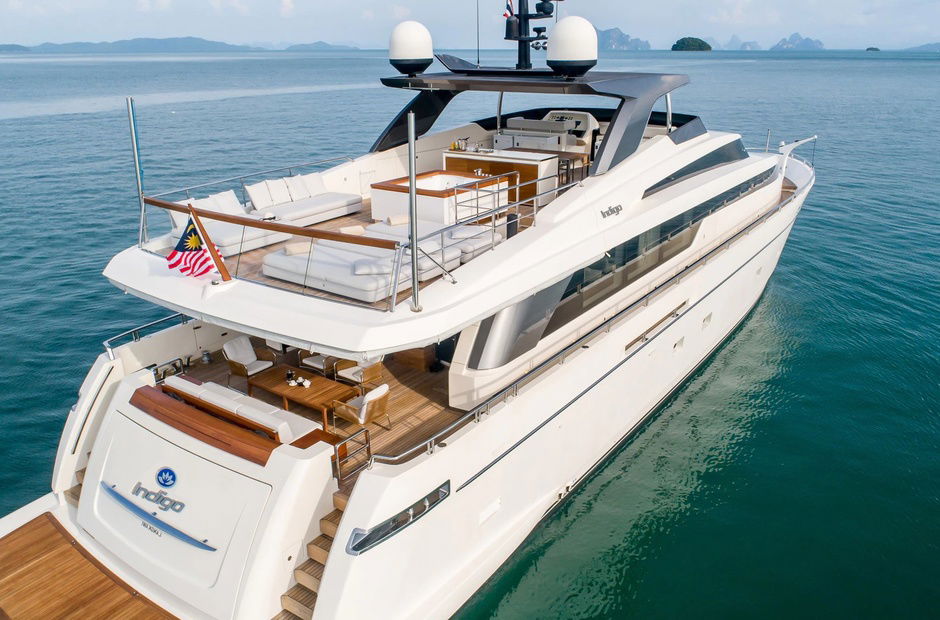
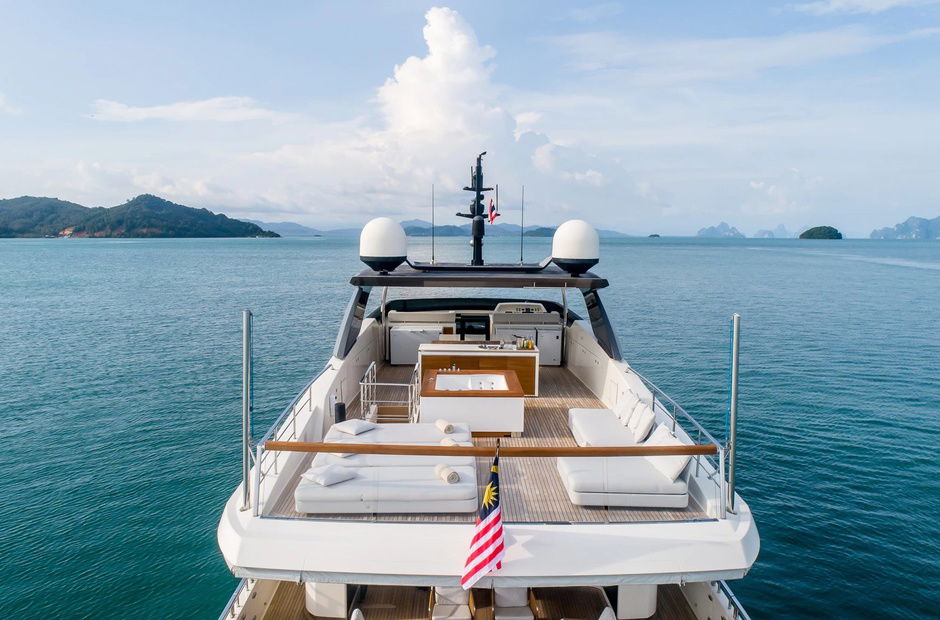
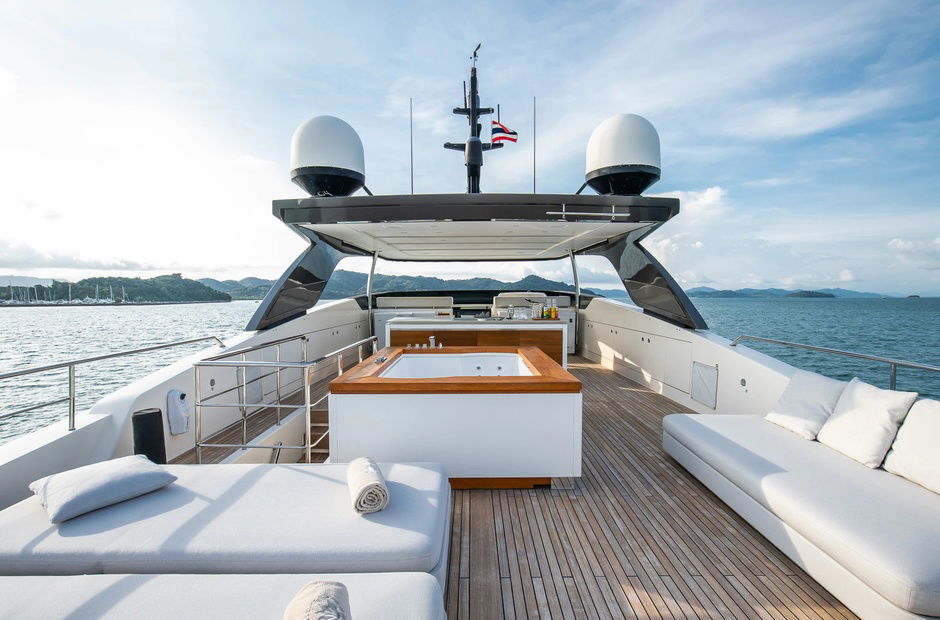
Power Boats 2012 Sanlorenzo Indigo: What Buyers Should Know Before Choosing This Yacht
If you’ve been searching for a 2012 Sanlorenzo Indigo, you’re probably already drawn to the name for a reason. Sanlorenzo has a strong reputation for refi...
Discover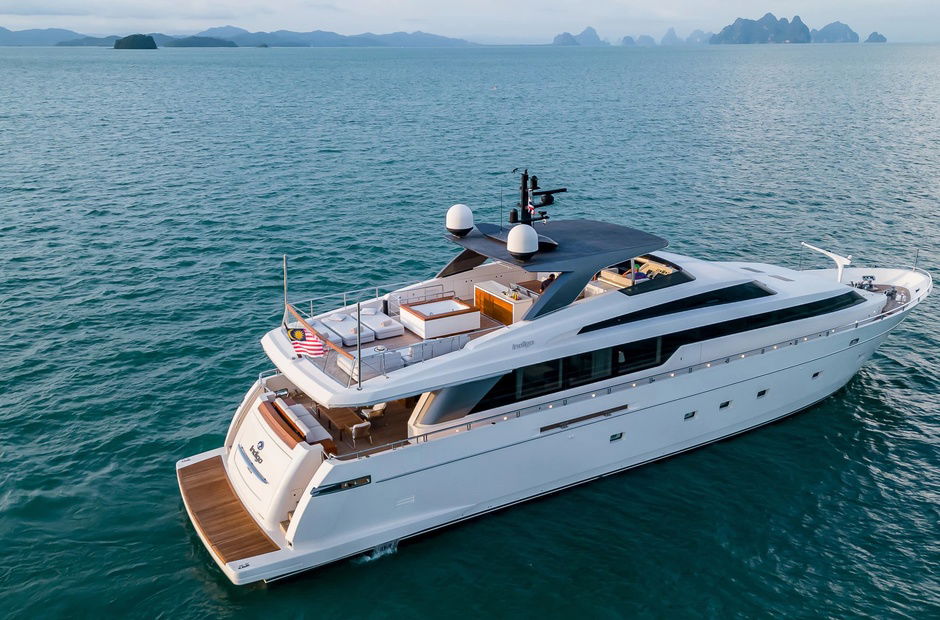
Images have been gathered from various sources and belong to their respective owners.
Review - Sanlorenzo Indigo

MarineBroker
01/03/2024, 1:43 PM
2012 Sanlorenzo Indigo: What Buyers Should Know Before Choosing This Yacht
If you’ve been searching for a 2012 Sanlorenzo Indigo, you’re probably already drawn to the name for a reason. Sanlorenzo has a strong reputation for refined Italian design, solid build quality, and layouts that feel more custom than mass-produced. But when people start looking closely at a yacht like this, the real challenge usually isn’t whether it looks good on paper. It’s figuring out whether it still makes sense for your cruising style, budget, and long-term ownership plans.
That’s where many buyers get stuck. A yacht from 2012 can be an excellent opportunity, but only if you know what to inspect, what to expect, and how to judge value beyond the glossy listing photos. Age alone doesn’t tell the full story. Maintenance history, refits, systems condition, and how the boat has been used matter just as much.
In this guide, we’ll break down the practical things to look for when considering the 2012 Sanlorenzo Indigo, the common issues buyers should watch for, and how to approach the purchase with confidence. If you want a smarter, less stressful yacht-buying process, this will help.
- Why the 2012 Sanlorenzo Indigo still attracts attention
- What buyers often overlook in older luxury yachts
- How to evaluate condition, value, and ownership costs
- What a smart inspection and purchase plan looks like
- Why the 2012 Sanlorenzo Indigo Still Stands Out
A 2012 yacht is old enough that you can learn a lot from its history, but new enough that a well-kept example can still deliver many seasons of enjoyable cruising. The 2012 Sanlorenzo Indigo sits in that sweet spot for many buyers who want a luxury yacht without stepping into brand-new pricing.
Sanlorenzo’s appeal has always been its balance of style and substance. These yachts are typically known for:
- Elegant exterior lines
- Thoughtful interior layouts
- High-quality joinery and finishes
- Strong attention to customization
- Good resale recognition in the superyacht market
For buyers, that means the yacht can still feel current if it has been maintained properly. A well-preserved Sanlorenzo from 2012 may offer the kind of onboard experience that newer production boats struggle to match.
The catch is that luxury yachts age differently than standard boats. Some systems may need updating, and some cosmetic details may show wear faster than expected. So the real question is not just “Is this a good yacht?” but “Is this particular yacht a good example?”
- The Main Problem Buyers Face: Separating Condition from Appearance
The biggest issue with a yacht like the 2012 Sanlorenzo Indigo is that it can look impressive even when hidden problems are building underneath. A polished hull, fresh upholstery, and clean photos can create a strong first impression, but they don’t reveal the condition of the engines, electronics, plumbing, or structural components.
This is a common trap in the used yacht market. Buyers often focus on:
- Interior styling
- Number of cabins
- Brand reputation
- Asking price
- Visible cosmetic condition
Those things matter, but they don’t tell the full story. A yacht may look beautiful while still needing expensive work in the next 12 months. On the other hand, a slightly less polished yacht with strong service records may be the better buy.
The practical problem is simple: how do you know whether the yacht is truly worth it?
The answer is to evaluate it like an owner, not like a browser. That means looking at maintenance history, survey results, systems age, and likely future costs before making an offer.
- What to Inspect on a 2012 Sanlorenzo Indigo
If you’re seriously considering a 2012 Sanlorenzo Indigo, the inspection process should go far beyond a quick walk-through. Older luxury yachts can hide expensive issues in places most casual buyers never check.
Here are the main areas to focus on.
- Engine and propulsion systems
The engines are one of the biggest cost centers on any yacht. Even if they run well during a sea trial, you still want to know:
- Hours logged
- Service intervals
- Oil analysis history
- Cooling system condition
- Any signs of overheating or leaks
- Shaft, propeller, and alignment condition
A sea trial can show performance, but it won’t reveal whether the engines have been maintained correctly over time. Ask for full service records and compare them with the manufacturer’s recommended schedule.
- Electrical systems and batteries
By 2012, many yachts were equipped with increasingly complex electrical and navigation systems. These can age well, but only if they’ve been maintained and occasionally updated.
Check for:
- Battery age and load performance
- Generator condition
- Shore power system reliability
- Inverter and charger health
- Evidence of electrical modifications
- Corrosion in panels or connections
Electrical problems often start small and become frustrating later. Flickering lights, unreliable charging, or intermittent alarms can point to larger system issues.
- Interior moisture and hidden leaks
Luxury interiors can conceal a lot. Moisture intrusion may not be obvious at first glance, especially if interior finishes have been refreshed.
Look for:
- Soft spots in decking
- Water staining around windows and hatches
- Musty smells in lockers or cabins
- Delamination in panels
- Rust around fasteners
- Signs of past repairs near bulkheads
Water intrusion is one of the most expensive issues to ignore because it can affect both structure and comfort.
- HVAC and plumbing
Climate control and plumbing systems are essential for comfort, especially on a yacht intended for regular cruising.
Test:
- Air conditioning output in all cabins
- Water pressure at multiple fixtures
- Hot water recovery
- Bilge pump operation
- Grey and black water system function
- Odor control in plumbing lines
If the yacht will be used in warm climates, HVAC reliability is not optional. It directly affects how enjoyable the boat will be.
- Electronics and navigation
Marine electronics age fast. A yacht from 2012 may still have usable systems, but some components may be outdated or unsupported.
Ask whether the following have been updated:
- Chartplotters
- Radar
- Autopilot
- AIS
- Cameras and monitoring systems
- Audio/visual integrations
Outdated electronics don’t always mean a bad boat, but they can add a meaningful upgrade cost after purchase.
- How to Judge Whether the Price Makes Sense
Many buyers focus on the asking price without fully accounting for the total cost of ownership. That’s a mistake, especially with a yacht like the 2012 Sanlorenzo Indigo.
A yacht’s real value depends on three things:
1. Current condition
2. Required near-term upgrades
3. Market comparables
A lower asking price can be misleading if the yacht needs major work. A higher asking price may be justified if the boat has already had important refits, updated systems, and excellent maintenance records.
A smart comparison should include:
- Similar model years and sizes
- Engine hours
- Refits completed in the last 3–5 years
- Charter history, if any
- Flag/state registration considerations
- Survey findings and repair estimates
One useful rule is to estimate likely ownership costs for the first year after purchase. That can include survey repairs, cosmetic touch-ups, servicing, and upgrades. If the boat looks like a bargain but needs a long list of work, the “cheap” deal may actually be the expensive one.
- Common Issues to Watch for in a 2012 Luxury Yacht
Every used yacht has its own history, but there are a few common issues that tend to appear in older luxury vessels, especially those with active use.
- Cosmetic wear hiding deeper use
Fresh cushions, polished surfaces, and new textiles can make a yacht feel newer than it is. That’s fine, but don’t let cosmetic improvements distract from mechanical reality.
- Deferred maintenance
Some owners keep up appearances while postponing service on engines, generators, seals, and pumps. Deferred maintenance can become a major financial burden after purchase.
- Upgrades done inconsistently
A yacht may have had some systems updated but not others. For example, the electronics may be newer while the plumbing or electrical infrastructure remains original.
- Charter wear
If the yacht has been chartered heavily, expect more wear in high-traffic areas. That doesn’t automatically disqualify it, but it does mean you should inspect the vessel more carefully.
- Parts availability
Older systems can be perfectly functional, but if parts are hard to source, future repairs may take longer and cost more.
The key is not to fear these issues. It’s to identify them before they become your problem.
- Why a Professional Survey Matters More Than Ever
If you’re considering the 2012 Sanlorenzo Indigo, a professional survey is not just a formality. It’s the most important part of the buying process.
A proper survey should include:
- Hull and structural inspection
- Engine and mechanical evaluation
- Electrical testing
- Moisture readings
- Sea trial
- Systems verification
- Safety equipment review
If possible, use specialists who know larger European yachts and understand Sanlorenzo construction standards. A general boat inspection may miss details that matter on a yacht of this class.
You should also consider separate inspections for:
- Engines and generators
- Electronics
- Stabilizers, if fitted
- Air conditioning and refrigeration
- Tender and davit systems
The goal is simple: get a real picture of future ownership costs before you commit. A survey may reveal issues, but that’s a good thing. It gives you leverage, clarity, and a chance to negotiate or walk away.
- The Best Way to Approach Ownership After Purchase
Buying the yacht is only the beginning. For a 2012 yacht, the first year of ownership is often when you learn the most about the boat.
A practical post-purchase plan should include:
- Full mechanical servicing
- Safety gear replacement if needed
- Battery testing and replacement if aging
- Cleaning and preservation of all systems
- Updating weak electronics
- Checking seals, hoses, and fittings
- Scheduling preventive maintenance early
This approach helps reduce surprises later. It also gives you a baseline so you know what condition the yacht is really in.
If the yacht has been lightly used and properly maintained, you may only need modest updates. If it’s been sitting or neglected, expect a more active first year. Either way, planning ahead makes ownership much smoother.
- Who the 2012 Sanlorenzo Indigo Is Best Suited For
This yacht is likely a strong fit for buyers who want a refined cruising platform and are comfortable evaluating a used luxury vessel carefully.
It may suit you if you:
- Value design and onboard comfort
- Want a yacht with strong brand recognition
- Prefer a well-built used yacht over a new entry-level model
- Are prepared for survey-driven decision-making
- Understand that maintenance matters as much as aesthetics
It may be less ideal if you want a turnkey boat with no follow-up work at all. Even well-kept yachts from 2012 can require updates, especially in electronics and service items.
That said, for the right buyer, a properly maintained 2012 Sanlorenzo Indigo can offer a very appealing mix of style, capability, and value.
- Smart Buying Tips for a Better Outcome
If you want to reduce risk, keep these practical tips in mind:
- Review logbooks and invoices, not just verbal claims
- Compare engine hours with maintenance frequency
- Inspect the boat in person if possible
- Don’t skip the sea trial
- Budget for near-term upgrades
- Check whether the yacht has had major refits
- Ask about storage history and cruising regions
- Use survey findings to negotiate, not just to confirm your excitement
A calm, methodical process usually leads to a better purchase than an emotional one. The best yacht deals are often the ones where the buyer understands exactly what they’re getting.
- Final Thoughts on the 2012 Sanlorenzo Indigo
The 2012 Sanlorenzo Indigo can be a very attractive option for buyers who appreciate quality craftsmanship, elegant design, and the value of a well-kept used yacht. But like any older luxury vessel, its true worth depends on condition, maintenance, and the cost of bringing everything up to your standards.
The smartest approach is to look past the surface and focus on the full picture: engines, systems, records, and survey results. If those pieces line up, you may find a yacht that offers excellent enjoyment and solid long-term value. If they don’t, it’s better to know before you buy.
Take your time, ask the right questions, and treat the inspection process as your best tool. That’s how you turn a promising listing into a confident purchase.
Specifications
General
Boat Type: Power Boats
Class Type: Mega Yacht
Specifications
Length: 104
Beam: 23.29
Draft: 8.86
Hull Material: GRP
Build
First Built: 2012
Propulsion
Fuel Type: Diesel
Engines: 2
Power: 2435 HP
Brand: MTU
Accomodation
Berths: 6
Cabins: 4
Bathrooms: 3
PROS & CONS
What we appreciated
 Elegant and timeless Italian design by SanlorenzoHigh-quality craftsmanship with premium materialsSpacious and comfortable interiors with luxury amenitiesGood performance with reliable engines for smooth cruisingWell-suited for both private use and charter purposes
What we didn’t appreciate
 Maintenance and repair costs can be high due to luxury componentsOlder 2012 model may lack latest technological upgradesFuel consumption can be relatively high for its sizeLimited availability of spare parts compared to mainstream brandsMay require experienced crew for optimal handling and operation
Upkeep Costs
Annual maintenance and servicing: $15,000 - $30,000
Dockage and mooring fees: $20,000 - $50,000 per year depending on location
Fuel costs: $10,000 - $25,000 per year depending on usage
Insurance: $8,000 - $15,000 per year
Crew salaries (if applicable): $100,000 - $200,000 per year
Rating
8.2
User
Score
Score
Driveability
Technology
Interior
Design
Similar Boats


MarineBroker
Download now for an immersive boat experience like never before! ⛵✨ Your journey begins with a simple click. 🌊📲
#SetSailSmart #DownloadNow
#SetSailSmart #DownloadNow

Subscribe
Copyright 2017 - 2026, Marinebroker.net, All Rights Reserved