Boat Database » AB Inflatables Ventus 8 VL
AB Inflatables Ventus 8 VL
Outboard four-stroke, Unleaded, 1x 10 HP
Power Boats 2015 AB Inflatables Ventus 8 VL: How to Choose, Inspect, and Use a Compact RIB with Confidence
If you’ve been looking at the 2015 AB Inflatables Ventus 8 VL, chances are you already know the appeal: it’s compact, lightweight, and...
Discover


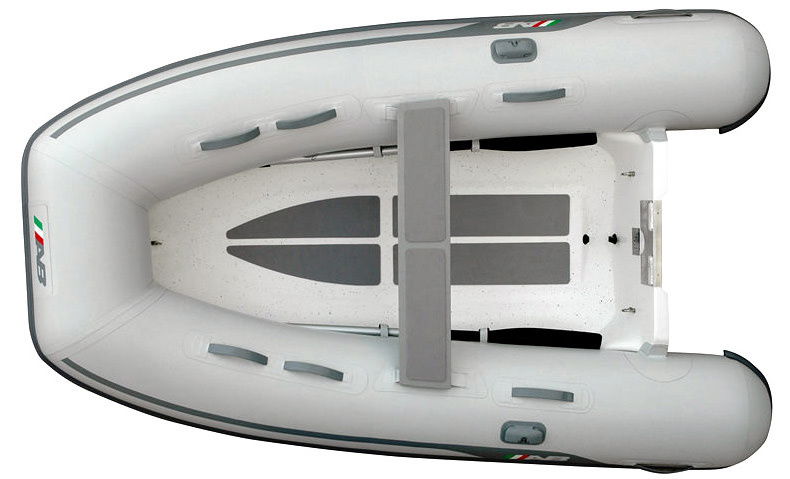
Images have been gathered from various sources and belong to their respective owners.
Review - AB Inflatables Ventus 8 VL

MarineBroker
01/15/2024, 12:29 PM
2015 AB Inflatables Ventus 8 VL: How to Choose, Inspect, and Use a Compact RIB with Confidence
If you’ve been looking at the 2015 AB Inflatables Ventus 8 VL, chances are you already know the appeal: it’s compact, lightweight, and built for boaters who want a practical tender or small runabout without the hassle of a larger vessel. But that same compact size can also create a common problem for buyers and owners alike—how do you know whether this boat is really the right fit for your needs, and how do you keep it performing well once you’ve got it?
That’s where a little know-how goes a long way. Small rigid inflatable boats can be incredibly useful, but only if you understand what to look for before buying, how to inspect the key components, and how to use them in a way that matches their design. The 2015 AB Inflatables Ventus 8 VL is no exception. It can be a smart choice for dock runs, short trips, and tender duty, but like any used boat, it deserves a careful look.
In this article, we’ll break down the most important things to know, from inspection tips to practical ownership advice, so you can make a confident decision and avoid common headaches.
- What Makes the 2015 AB Inflatables Ventus 8 VL Stand Out
The 2015 AB Inflatables Ventus 8 VL sits in a sweet spot for boaters who want something easy to handle but still capable enough for everyday use. At around 8 feet long, it’s small enough to launch, store, and transport without much drama, yet it still offers the rigid hull performance that many inflatable boat owners appreciate.
One of the biggest advantages of a boat like this is versatility. It can serve as:
- A tender for a larger yacht
- A quick harbor or dock shuttle
- A light-duty fishing platform
- A compact recreational boat for calm waters
The “VL” designation is often associated with a layout or configuration designed to maximize practicality in a small footprint. For many buyers, that means the boat is appealing because it’s simple, efficient, and easy to live with.
Still, compact doesn’t mean carefree. Smaller RIBs can show wear in places that are easy to overlook, especially if the boat has been used frequently as a tender or stored outdoors. That’s why understanding the boat’s strengths and weaknesses is just as important as admiring its size.
- The Real Problem Buyers Face with Small Used RIBs
The biggest issue with a used boat like the 2015 AB Inflatables Ventus 8 VL is not usually the model itself—it’s uncertainty.
A small inflatable boat may look fine at first glance, but hidden problems can turn a good deal into an expensive project. Common concerns include:
- Worn or patched tubes
- Hull damage from beaching or docking
- Air leaks in valves or seams
- UV damage from long-term sun exposure
- Weak transom areas from engine stress
- Aging hardware or control components
Because the boat is compact, even minor issues can affect performance quickly. A soft tube, for example, may not seem like a big deal until it changes how the boat handles, sits in the water, or responds under load.
For many buyers, the challenge is knowing what matters most. Should you worry more about tube condition, the hull, the engine setup, or the accessories? The answer is: all of them, but in a specific order. The good news is that once you know what to inspect and how to prioritize it, the process becomes much easier.
- How to Inspect a 2015 AB Inflatables Ventus 8 VL Before Buying
A careful inspection is the best way to avoid surprises. If you’re considering a 2015 AB Inflatables Ventus 8 VL, don’t rush through the walkthrough. Take your time and check the boat in daylight if possible.
- Start with the tubes
The inflatable tubes are one of the most important parts of the boat. Look for:
- Cracks or dry rot
- Fading or chalky surfaces from sun exposure
- Loose seams
- Uneven inflation
- Repairs or patches
Press gently around the surface and seams. You’re checking for softness, bubbles, or areas that feel different from the rest of the tube. A well-maintained tube should feel consistent and hold air properly.
- Check the valves
Valves can be small troublemakers. A valve that leaks slowly may not be obvious during a quick inspection, but it can create ongoing frustration later.
Make sure:
- The valves open and close smoothly
- Caps are present and secure
- There’s no visible corrosion or cracking
- The boat holds pressure over time
If possible, inflate the boat and let it sit. Even a simple pressure check over an hour or two can reveal a lot.
- Inspect the hull and bottom
The rigid hull is what gives a RIB its handling and stability. Look for:
- Deep scratches
- Impact damage
- Soft spots
- Stress cracks
- Signs of previous repairs
If the hull has been used around docks, ramps, or beaches, expect some cosmetic marks. What you want to avoid are structural concerns, especially around the keel line and stern.
- Examine the transom
The transom takes a lot of abuse because it supports the engine. On a small boat, this area matters even more.
Check for:
- Flexing when pressure is applied
- Water intrusion
- Cracks around mounting points
- Loose hardware
- Signs of rot if any wood is involved in the construction
A weak transom is a major red flag. Even if the rest of the boat looks good, transom problems can lead to expensive repairs.
- Review the fittings and accessories
Look at cleats, handles, lift points, oar locks, and any console or seating hardware. These parts may seem minor, but they tell you a lot about how the boat was used and maintained.
Watch for:
- Loose fasteners
- Corrosion on stainless parts
- Missing hardware
- Cracked plastic fittings
If the boat includes a fuel tank, battery setup, or control system, inspect those too.
- Match the Boat to Your Actual Use
One of the smartest ways to solve the “is this the right boat?” problem is to be honest about how you plan to use it. The 2015 AB Inflatables Ventus 8 VL is a practical small craft, but it’s not the right answer for every boater.
It’s a great fit if you need:
- A lightweight tender
- Short-distance transport
- Easy storage on a davit or deck
- Simple handling with minimal setup
- A boat for sheltered water or calm conditions
It may not be ideal if you need:
- More passenger space
- Long-range cruising
- Heavy gear capacity
- Rough-water performance
- High-speed capability with a larger engine
A lot of buyers make the mistake of shopping based on size alone. But the best boat is the one that matches your real-world routine. If your trips are short and your storage space is limited, a compact RIB like this can be a very practical solution.
- Understanding Performance Expectations
Small inflatable boats can be surprisingly capable, but expectations matter. The 2015 AB Inflatables Ventus 8 VL is built for efficiency and ease of use, not for chasing big-water thrills.
Here’s what you can generally expect from a boat in this class:
- Easy planing with the right setup
- Good stability at rest
- Simple launching and retrieval
- Efficient use of horsepower
- Comfortable handling in protected waters
What you should not expect:
- The ride quality of a larger deep-V hull in rough seas
- Lots of deck space
- Heavy-load carrying without performance loss
- A dry ride in choppy conditions
A common mistake is overloading a small RIB. Even when the boat technically supports the weight, too much gear or too many passengers can reduce performance and safety. Keep load limits and trim in mind, and the boat will usually reward you with better handling and less stress on the structure.
- The Best Ways to Keep a Small RIB in Good Shape
Once you own a small boat, maintenance becomes the real solution to long-term value. The nice thing about a compact model like the 2015 AB Inflatables Ventus 8 VL is that upkeep is often straightforward if you stay consistent.
- Clean it regularly
Salt, grime, and sunscreen residue can wear down materials over time. Rinse the boat after use, especially if it’s been in saltwater.
Focus on:
- Tubes
- Hardware
- Deck surfaces
- Engine mounting area
- Valves and seams
Use mild soap and water rather than harsh cleaners that can damage inflatable material.
- Protect it from UV exposure
Sun is one of the biggest enemies of inflatable boats. If possible:
- Store the boat under cover
- Use a quality boat cover
- Apply UV protectant made for inflatable materials
Even small habits, like covering the boat when it’s not in use, can extend its life noticeably.
- Keep proper inflation pressure
Underinflated tubes can affect handling and put stress on the boat’s structure. Overinflation can also be a problem, especially in heat.
Check pressure:
- Before each outing
- After major temperature changes
- When the boat has been sitting unused for a while
A few minutes of checking can prevent a lot of annoyance later.
- Watch the transom and mounting area
If you use an outboard, make sure it’s mounted correctly and not putting uneven stress on the stern. Recheck bolts and hardware regularly.
Look for:
- Movement at the engine mount
- Water intrusion
- Loose fasteners
- Cracks around the mounting area
This is especially important on smaller boats where the engine weight and thrust have a bigger impact.
- Keep a simple maintenance log
You don’t need anything fancy. A basic notebook or phone note can help you track:
- Inflation pressure
- Repairs
- Cleaning dates
- Engine service
- Hardware replacements
That record makes it easier to spot patterns and catch small problems before they grow.
- Common Buying Mistakes to Avoid
If you’re shopping for a 2015 AB Inflatables Ventus 8 VL, it helps to know where people usually go wrong. A lot of frustration can be avoided by steering clear of these mistakes.
- Buying without inspecting in person
Photos can hide a lot. Always try to inspect the boat yourself or have someone knowledgeable do it for you.
- Focusing only on appearance
A clean boat is nice, but cosmetics don’t tell the whole story. A shiny tube with a weak transom is still a problem.
- Ignoring storage history
How the boat was stored matters a lot. A well-kept boat under cover will usually age better than one left in the sun year-round.
- Overlooking the engine setup
If the boat comes with an outboard, make sure the engine is appropriate for the hull and in good working order. A mismatched or poorly maintained engine can ruin the experience.
- Assuming small boats need less care
They may be simpler, but they still need attention. In some ways, compact boats need even more careful use because they have less margin for error.
- Why the 2015 AB Inflatables Ventus 8 VL Still Makes Sense for the Right Boater
Even with the usual used-boat checks, the 2015 AB Inflatables Ventus 8 VL can still be a smart choice. The key is understanding what it offers: portability, simplicity, and practical utility.
For many boaters, that’s exactly what they need. A small RIB can make boating easier rather than more complicated. It’s easier to launch, easier to store, and easier to manage day to day than a larger boat.
That convenience becomes a major advantage when:
- You have limited dock space
- You want a dependable tender
- You need a boat that’s easy to trailer or lift
- You prefer short, efficient trips
In other words, the value is not just in the boat itself, but in how well it fits into your boating lifestyle.
- Practical Checklist for Buyers and Owners
Here’s a simple checklist you can use when evaluating or maintaining the boat:
- Inspect tubes for leaks, patches, and UV damage
- Test valves for proper sealing
- Check hull condition and keel area
- Examine transom strength and mounting points
- Review all hardware for corrosion or looseness
- Confirm engine compatibility and condition
- Look at storage and maintenance history
- Keep inflation levels correct
- Rinse and cover the boat after use
- Schedule regular checks before peak season
This kind of routine helps you stay ahead of problems instead of reacting to them later.
- Conclusion
The 2015 AB Inflatables Ventus 8 VL is a compact boat that can be a very practical choice when it’s matched to the right use and maintained properly. The main challenge for buyers is not just finding one, but knowing how to inspect it, evaluate its condition, and understand whether it fits their needs.
If you take the time to check the tubes, hull, transom, and hardware, you’ll be in a much better position to avoid costly surprises. And once you own it, simple habits like proper inflation, cleaning, and covered storage can go a long way. For boaters who want a small, easy-to-manage RIB, that’s the real solution: choose carefully, maintain consistently, and use it within its design limits.
Specifications
General
Boat Type: Power Boats
Class Type: Rigid Inflatable Boats
Specifications
Length: 8.53
Beam: 5.51
Draft: 1.31
Hull Material: GRP
Build
First Built: 2015
Propulsion
Fuel Type: Unleaded
Engines: 1
Power: 10 HP
Brand: Unknown
Accomodation
PROS & CONS
What we appreciated
 Lightweight and easy to maneuverDurable Hypalon material for resistance to UV and abrasionSpacious and stable design suitable for various water activitiesHigh-performance hull offering good speed and handlingCompact size making it easy to transport and store
What we didn’t appreciate
 Limited seating capacity compared to larger RIBsLess onboard storage space for longer tripsMay require a separate trailer for transportNot ideal for rough open sea conditionsHigher price point relative to smaller inflatable boats
Upkeep Costs
Fuel: Approximately $1,000 - $2,500 per year depending on usage
Maintenance and servicing: Around $500 - $1,000 per year
Insurance: Typically $300 - $700 per year
Storage and mooring: Varies widely, estimate $500 - $2,000 per year
Registration and licensing: Approximately $50 - $200 per year
Rating
5.5
User
Score
Score
Driveability
Technology
Interior
Design
Similar Boats


MarineBroker
Download now for an immersive boat experience like never before! ⛵✨ Your journey begins with a simple click. 🌊📲
#SetSailSmart #DownloadNow
#SetSailSmart #DownloadNow

Subscribe
Copyright 2017 - 2026, Marinebroker.net, All Rights Reserved