Boat Type: Power Boats
Boat Class: Rigid Inflatable Boats
Length: 8.86 ft
Berths: 1
Cabins: 1
Bathrooms: 1
Max Persons: 4
Boat Database » 3D Tender Ultralight 270
3D Tender Ultralight 270
Outboard four-stroke, Unleaded, 1x 10 HP
Power Boats 2014 3D Tender Ultralight 270: A Practical Guide to Getting the Most from a Compact Inflatable Tender
If you’ve been looking at the 2014 3D Tender Ultralight 270, chances are you already know the appeal: it’s light, simple, easy ...
Discover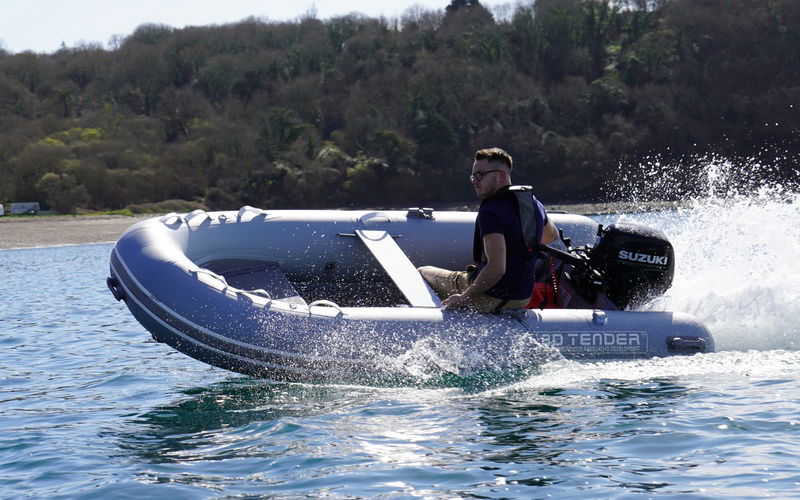
Images have been gathered from various sources and belong to their respective owners.
Review - 3D Tender Ultralight 270

MarineBroker
01/08/2024, 11:35 AM
2014 3D Tender Ultralight 270: A Practical Guide to Getting the Most from a Compact Inflatable Tender
If you’ve been looking at the 2014 3D Tender Ultralight 270, chances are you already know the appeal: it’s light, simple, easy to handle, and small enough to make boating feel less like a chore. For many boaters, that’s exactly the point. A compact tender like this can be a huge help for getting ashore, running errands at the dock, or just adding flexibility to a larger boat setup.
But there’s also a common challenge with small inflatable tenders: people buy them for convenience, then realize that comfort, performance, storage, and durability all depend on how they use and maintain the boat. A tender this size can be incredibly useful, but only if it’s matched to the right purpose and cared for properly.
That’s where this guide comes in. Whether you’re considering the 2014 3D Tender Ultralight 270 or already own one, the goal here is to help you understand what makes it work well, what problems owners typically run into, and how to solve them in practical, real-world ways. Let’s break it down in a simple, useful way.
- What Makes the 2014 3D Tender Ultralight 270 Stand Out
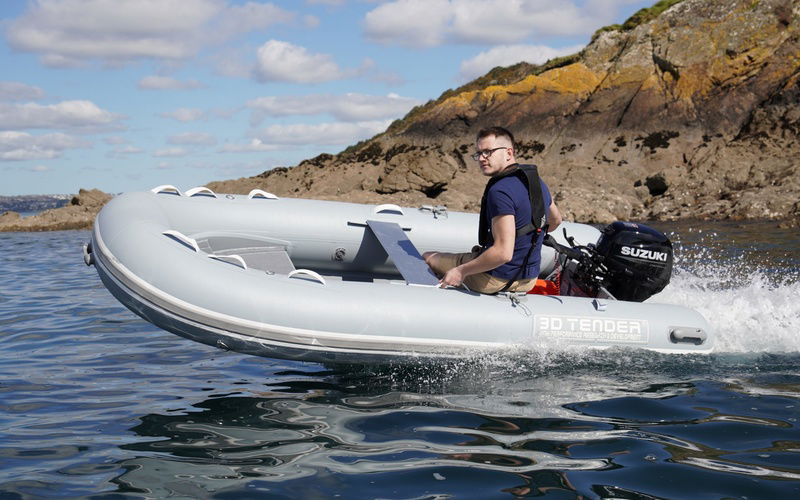
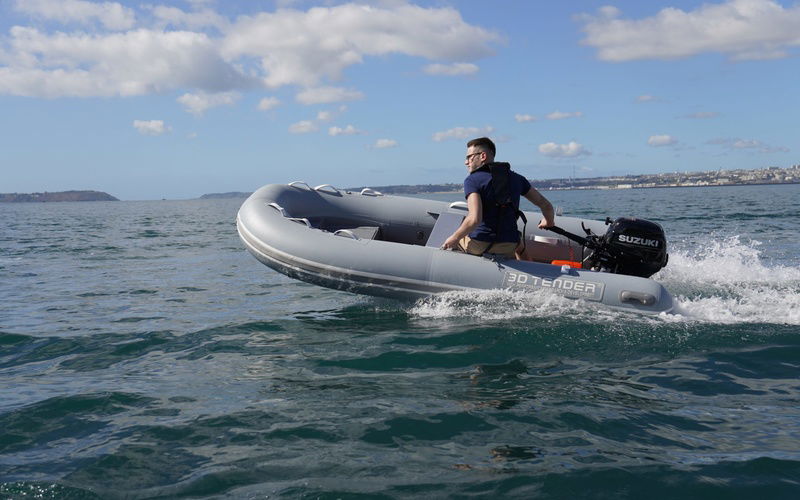
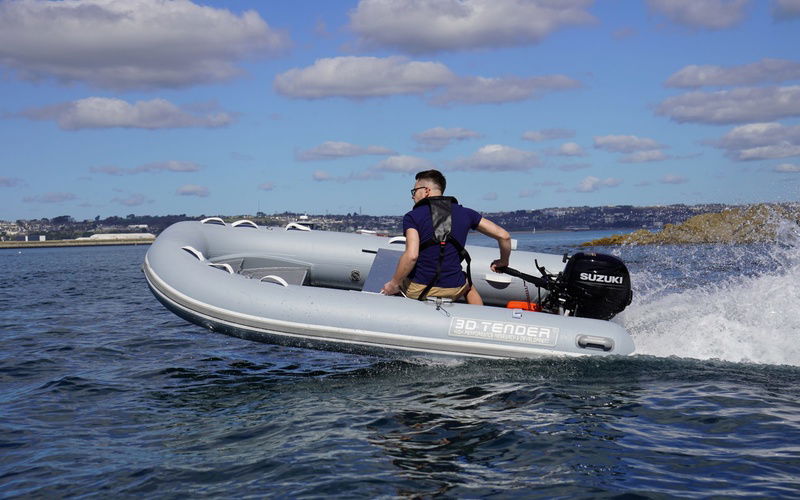
The 2014 3D Tender Ultralight 270 is a compact inflatable tender designed for easy handling and lightweight transport. At 2.7 meters long, it sits in a sweet spot for boaters who want something small enough to store easily but large enough to carry one or two people and basic gear.
The biggest advantage of a model like this is convenience. It’s easier to launch, easier to lift, and easier to stow than larger tenders. That matters a lot if you’re working with limited deck space, a small car, or just want a boat that doesn’t turn every outing into a logistics exercise.
Its lightweight design also makes it appealing for solo users. If you often launch by yourself, or if your main boat doesn’t have much room for a heavy dinghy, an ultralight tender can reduce a lot of hassle.
That said, “lightweight” is both the strength and the trade-off. A smaller tender will usually be less forgiving in rough water, carry less weight, and feel more sensitive to inflation, load balance, and engine choice. Understanding those limits is the key to getting the best experience.
- The Most Common Problem: Small Tender, Big Expectations
One of the biggest issues people face with the 2014 3D Tender Ultralight 270 is expecting it to do more than it was designed for. A compact tender is great for short trips, calm water, and light loads. It is not usually the best choice for heavy gear, choppy conditions, or long-distance comfort.
This often shows up in a few ways:
- The boat feels unstable when overloaded
- Performance drops with too much gear or a heavy outboard
- The tender becomes difficult to plane
- Storage and inflation issues appear because the boat is used too aggressively or packed too tightly
- Wear and tear happens faster than expected
In other words, the problem usually isn’t the tender itself. It’s a mismatch between the boat’s design and the way it’s being used.
The good news is that this is very fixable. With the right setup, load management, and maintenance habits, the 2014 3D Tender Ultralight 270 can be a very practical and reliable tender.
- Who the 2014 3D Tender Ultralight 270 Is Best For
This tender makes the most sense for boaters who want a simple, lightweight solution rather than a rugged all-purpose inflatable.
It’s a strong fit for:
- Sailboat owners needing a compact dinghy for shore trips
- Motorboat owners who want a lightweight auxiliary tender
- Solo boaters who need easy launch and retrieval
- People with limited storage space
- Casual users who mainly travel in calm or protected waters
It may be less ideal if you regularly carry several passengers, use a large outboard, or need a tender for frequent rough-water crossings.
A good rule of thumb: if your main priority is portability, the Ultralight 270 makes sense. If your priority is load capacity or offshore toughness, you may want to look at a larger or more reinforced model.
- How to Choose the Right Setup for Better Performance
A lot of frustration with small tenders comes from poor setup rather than the boat itself. If you want the 2014 3D Tender Ultralight 270 to perform well, focus on the basics first.
- Match the outboard to the boat
One of the most important choices is engine size. Too much power can make the boat unsafe or awkward, while too little power can leave it sluggish.
For a boat this size, the right outboard is usually small and lightweight. A compact engine helps keep the boat balanced and easier to handle. A heavy motor can push the stern down, reduce efficiency, and make planing harder.
If you’re unsure, the safest approach is to stay conservative and prioritize weight as much as horsepower.
- Keep the load light and balanced
Small inflatables are very sensitive to weight distribution. A few extra bags, a fuel tank in the wrong spot, or two adults sitting too far back can change how the boat handles.
Try to:
- Keep heavy items low and centered
- Avoid stacking gear at one end
- Distribute passengers evenly
- Leave unnecessary items on the mother ship when possible
This simple habit can improve stability, speed, and fuel efficiency.
- Inflate properly every time
Underinflation is one of the most common reasons inflatable boats feel sluggish or unstable. Overinflation can be just as bad, especially in hot conditions.
Use a pressure gauge if possible, and check the recommended PSI for each chamber. Temperature changes matter too. A boat inflated in cool morning air may expand significantly by midday sun.
A practical habit is to check pressure before every outing, especially if the boat has been stored for a while.
- Use the right flooring and seating arrangement
If your model includes a rigid or slatted floor, make sure it’s installed correctly and locked in place. A poorly fitted floor can cause flexing, discomfort, and uneven handling.
Seating also matters. Even in a small tender, where people sit can influence trim. If the bow rides too high or the stern drags, adjust seating and gear placement before assuming the hull has a problem.
- Real-World Tips for Better Handling on the Water
The 2014 3D Tender Ultralight 270 is at its best when used with a light, careful touch. Because it’s compact, small changes in handling can make a noticeable difference.
- Start gently
Avoid sudden throttle inputs. Small inflatables respond quickly to weight shifts and acceleration changes. Smooth starts help keep the boat stable and reduce strain on the hull.
- Watch the wake and chop
This type of tender is generally happier in calm water. If you’re crossing wakes or dealing with light chop, reduce speed and keep the boat moving at a controlled pace.
Slamming into waves at speed can be hard on both passengers and the boat structure.
- Trim for comfort
If the outboard allows trim adjustment, use it to help the boat ride level. A bow that rides too high can reduce visibility and control. A stern that sits too low can increase drag.
Small adjustments can make a surprisingly big difference on a tender this size.
- Don’t overload for convenience
It’s tempting to treat a tender like a mini cargo boat, but that usually leads to poor handling. If you’re carrying heavy shopping bags, fuel, tools, or multiple coolers, consider making two trips or using a larger support boat.
The best way to keep a small tender enjoyable is to respect its limits.
- Maintenance Habits That Extend the Life of the 2014 3D Tender Ultralight 270
Inflatable boats last much longer when they’re cleaned, dried, and stored properly. This is especially true for a lightweight tender that may see frequent use.
- Rinse after saltwater use
Salt builds up fast and can damage valves, seams, fabric, and fittings over time. A fresh water rinse after each trip helps prevent corrosion and keeps the material in better shape.
Pay special attention to:
- Seams
- Valves
- Floor components
- Oar locks or attachment points
- Any metal hardware
- Dry before storage
Storing an inflatable while damp can lead to mildew, odor, and long-term material wear. Even if you’re in a hurry, try to let it dry fully before folding it away.
If you don’t have space to dry it completely, at least wipe it down and open it up again as soon as possible.
- Check for small leaks early
Tiny air leaks are easier to fix when caught early. If you notice the boat losing pressure faster than usual, inspect the valves, seams, and tube surfaces.
A simple soap-and-water test can help reveal escaping air bubbles. This is one of the easiest ways to prevent a minor issue from becoming a bigger one.
- Protect it from sun exposure
UV damage is a slow but real problem for inflatable boats. Whenever possible, store the tender out of direct sunlight or use a cover.
If the boat stays inflated for long periods, especially on a dock or deck, extra UV protection can make a meaningful difference in lifespan.
- Fold carefully
Rough folding can create stress points in the material. Try not to force the boat into the same hard crease every time. Vary the fold pattern occasionally if storage allows, and avoid trapping sand or grit inside the folds.
- When the 2014 3D Tender Ultralight 270 Is a Great Solution
This tender solves a very specific boating problem: how to move people and light cargo without adding much weight or complexity.
It’s especially useful if you need:
- Easy dinghy transport
- Fast launch and retrieval
- A boat that fits small storage spaces
- A simple, low-maintenance setup
- A tender for short, calm-water trips
For many owners, that’s enough. Not every boat needs to be a heavy-duty workhorse. Sometimes the best solution is the one that’s easiest to use consistently.
That’s where the Ultralight 270 can shine. It removes a lot of friction from day-to-day boating. If you’re tired of wrestling with a bulky dinghy, a light inflatable can make boating feel much more relaxed.
- Common Mistakes to Avoid
If you want better results from this model, avoid these common mistakes:
- Using an oversized outboard
- Carrying too much gear
- Ignoring inflation pressure
- Storing the boat wet
- Running too fast in rough conditions
- Assuming all small inflatables handle the same way
These mistakes are easy to make, especially for first-time inflatable owners. But once you understand how sensitive a compact tender can be, it becomes much easier to use it well.
A small boat rewards good habits. A few minutes of prep can save you a lot of frustration later.
- How to Decide If This Tender Still Fits Your Needs in 2024 and Beyond
Even though the model is from 2014, the real question is whether it still fits your boating style now. Age alone doesn’t determine value. Condition, care, and intended use matter far more.
Ask yourself:
- Do I mainly use a tender in calm water?
- Do I need something light and easy to carry?
- Am I usually boating alone or with just one passenger?
- Do I want simple transport more than maximum capacity?
- Am I willing to maintain it properly?
If you answered yes to most of those, this type of tender could still be a smart choice. If your needs have changed, though, you may want to compare it with larger or more modern alternatives.
The best tender is the one that fits your actual boating routine, not just the one with the most features.
- Practical Buying and Ownership Checklist
If you’re evaluating a used 2014 3D Tender Ultralight 270, here’s a quick checklist to help you make a smarter decision:
- Inspect seams for cracking or separation
- Check valves for leaks or stiffness
- Look for patches or repair history
- Confirm the floor is solid and secure
- Test inflation retention over several hours
- Review transom condition if applicable
- Check for UV fading or brittle material
- Make sure the boat matches your engine and load needs
A used inflatable can still be a great buy if it’s been cared for well. But with older tenders, condition matters more than age on paper.
- Conclusion
The 2014 3D Tender Ultralight 270 is a solid example of what a compact inflatable tender should be: simple, lightweight, and easy to manage. The main challenge for owners is not usually the boat itself, but using it in a way that fits its size and design.
If you keep the load light, choose the right outboard, maintain proper inflation, and store it carefully, this tender can remain very practical and enjoyable. For boaters who value convenience over complexity, that’s a big win.
If you’re researching this model further, it’s worth comparing your needs against your real-world boating habits. The right tender isn’t always the biggest one—it’s the one that makes every trip easier.
Specifications
General
Boat Type: Power Boats
Class Type: Rigid Inflatable Boats
Specifications
Length: 8.86
Beam: 5.05
Draft: 0.98
Hull Material: Aluminium
Build
First Built: 2014
Propulsion
Fuel Type: Unleaded
Engines: 1
Power: 10 HP
Brand: Unknown
Accomodation
Berths: 1
Cabins: 1
Bathrooms: 1
PROS & CONS
What we appreciated
 Lightweight design enhances portability and ease of handlingDurable construction suitable for various water conditionsSpacious layout accommodating multiple passengers comfortablyEfficient hull design providing good stability and performanceVersatile usage for fishing, leisure, and as a tender
What we didn’t appreciate
 Limited engine power options compared to larger tendersMinimal onboard storage space for extended tripsNot ideal for rough sea conditions due to sizeBasic features with fewer luxury amenitiesCan be less comfortable during long rides in choppy water
Upkeep Costs
Fuel: Approximately $500 - $1,200 per year depending on usage
Maintenance: Around $300 - $700 per year including engine servicing and hull upkeep
Insurance: Typically $200 - $600 annually depending on coverage and location
Storage: $300 - $1,000 per year depending on marina or storage type
Registration and Licensing: $50 - $150 annually depending on local regulations

Rating
4.2
User
Score
Score
Driveability
Technology
Interior
Design
Similar Boats


MarineBroker
Download now for an immersive boat experience like never before! ⛵✨ Your journey begins with a simple click. 🌊📲
#SetSailSmart #DownloadNow
#SetSailSmart #DownloadNow

Subscribe
Copyright 2017 - 2026, Marinebroker.net, All Rights Reserved