2018 Apex A-20 T: What to Know Before Buying, Owning, and Getting the Best Performance
If you’re researching the 2018 Apex A-20 T, chances are you’re trying to answer a pretty common boat-owner question: *Is this the right pontoo...
Discover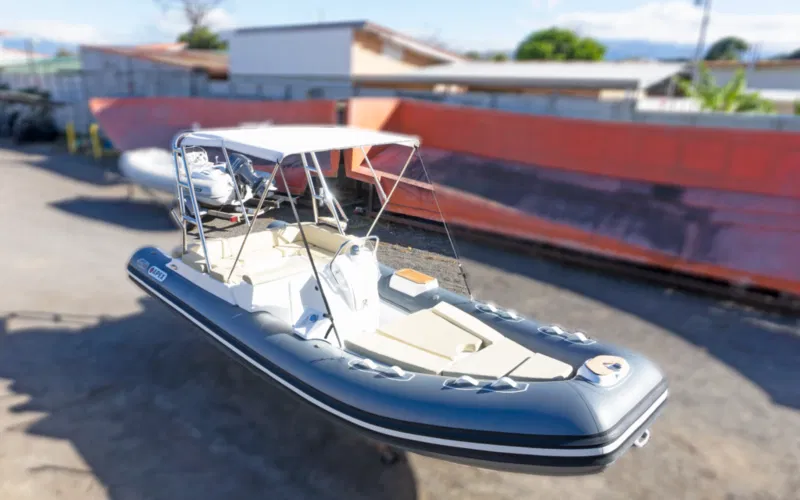
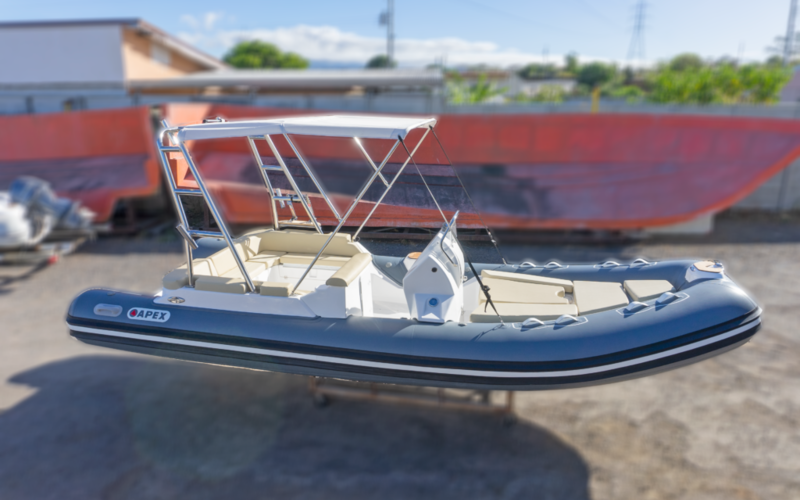
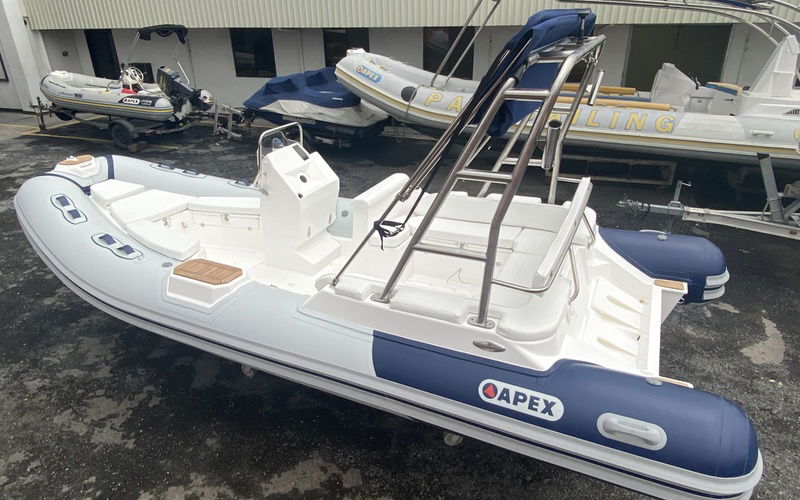

Images have been gathered from various sources and belong to their respective owners.
Review - Apex A-20 T

MarineBroker
03/18/2024, 3:43 AM
2018 Apex A-20 T: What to Know Before Buying, Owning, and Getting the Best Performance
If you’re researching the 2018 Apex A-20 T, chances are you’re trying to answer a pretty common boat-owner question: *Is this the right pontoon for my kind of boating, and how do I make sure it performs the way I expect?* That’s a smart place to start.
The 2018 Apex A-20 T is the kind of boat that attracts people who want a comfortable, versatile pontoon for cruising, relaxing, and spending time on the water with family or friends. But like any used boat, the real challenge isn’t just finding one—it’s figuring out whether it’s been maintained well, whether it fits your needs, and how to avoid the headaches that can come from overlooked issues.
A lot of buyers focus on appearance first. That makes sense, because pontoons often look clean and inviting. But the bigger question is what’s going on beneath the surface: the tubes, flooring, engine setup, steering, electrical system, upholstery, and trailer condition. The good news is that with a little know-how, you can spot problems early and make a much smarter decision.
This guide breaks down what to look for, common issues to watch for, and practical ways to get the most out of a 2018 Apex A-20 T.
- What Makes the 2018 Apex A-20 T Worth a Closer Look
The 2018 Apex A-20 T is a 20-foot pontoon designed for easygoing recreation. Boats in this size range are popular because they’re manageable, versatile, and usually easier to store and trailer than larger models.
For many buyers, that’s the appeal:
- Comfortable seating for family cruising
- A layout that works for relaxing or casual entertaining
- Good stability compared with smaller runabouts
- Simple operation for newer boaters
A 20-foot pontoon is often the sweet spot for people who want enough space without moving into a larger, more expensive setup. If you’re shopping used, that size can also mean lower ownership costs, but only if the boat has been cared for properly.
The key is understanding what kind of boating you actually want to do. If your goal is calm lake cruising, sunset rides, fishing, or slow family outings, this type of pontoon can be a great fit. If you expect high-speed performance or rough-water handling, you’ll want to be realistic about what a pontoon in this class can do.
- The Main Problem Buyers Face With Used Pontoons
The biggest issue with a used boat like the 2018 Apex A-20 T is uncertainty.
A pontoon can look clean in photos or even in person, but hidden wear can turn a good deal into an expensive project. Common concerns include:
- Corrosion on aluminum components
- Soft flooring or water intrusion
- Worn upholstery
- Electrical problems
- Engine maintenance gaps
- Trailer rust or tire issues
- Damage from improper storage
This is especially important because pontoons are often used in saltwater, freshwater, or a mix of both depending on location. If a boat has seen a lot of exposure without proper cleaning and maintenance, small issues can stack up quickly.
Another common problem is mismatched expectations. Some buyers expect a pontoon to behave like a speedboat. Others assume every used boat is ready to go with no work needed. In reality, the safest approach is to inspect carefully and plan for some level of service, even if the boat appears to be in good shape.
- How to Evaluate a 2018 Apex A-20 T Before You Buy
A careful inspection can save you a lot of money and frustration. Whether you’re buying from a dealer or a private seller, the same basic checks apply.
- Inspect the pontoons
Look closely at the tubes for dents, gouges, repairs, or signs of corrosion. Minor cosmetic wear is normal, but structural damage or patchwork repairs should raise questions.
Check for:
- Uneven wear
- Welding repairs
- Scrapes from beaching or trailering
- Waterline staining that may suggest long-term storage issues
- Check the deck and flooring
Walk the entire deck and feel for soft spots, flexing, or squeaks. Soft flooring can mean water damage or rot beneath the surface.
Pay attention to:
- Carpet condition
- Vinyl flooring seams
- Loose panels
- Stains or mildew
- Any areas that feel spongy underfoot
- Examine the upholstery
Sun exposure can do a number on pontoon seats. Cracked vinyl, brittle stitching, and faded cushions are common on older boats.
Small cosmetic wear is expected, but large tears or sagging foam can add up in repair costs.
- Review the engine and controls
If the 2018 Apex A-20 T is sold with an outboard, ask for service records. A clean engine with regular maintenance is worth far more than one that “runs fine” but has no documentation.
Look for:
- Easy starting
- Smooth idle
- Clean oil and fuel system
- Proper throttle response
- Steering movement without binding
- Test the electrical system
Lights, gauges, pumps, and accessories should all work properly. Electrical issues can be annoying to trace later, so test everything during the inspection.
- Don’t skip the trailer
If a trailer is included, inspect:
- Tires for dry rot or uneven wear
- Lights
- Bearings
- Winch
- Frame rust
- Bunks and rollers
A bad trailer can become its own project, even if the boat itself is solid.
- Common 2018 Apex A-20 T Ownership Issues and How to Solve Them
Even a well-kept pontoon will eventually need attention. The trick is knowing which issues are normal and which ones should be addressed quickly.
- Problem: Water intrusion into flooring
This is one of the most common issues in used pontoons. Water can seep through damaged seams, failed hardware, or areas where the deck has been compromised.
Solution:
- Dry the boat thoroughly
- Inspect hardware mounts and seams
- Seal problem areas properly
- Replace damaged flooring before it spreads
If you catch it early, the fix is usually manageable. If ignored, it can become a bigger structural issue.
- Problem: Corrosion and oxidation
Aluminum pontoons are durable, but they still need maintenance. Corrosion can show up around fittings, fasteners, and areas exposed to moisture.
Solution:
- Rinse after every outing, especially in saltwater
- Use marine-safe cleaners
- Inspect fasteners and replace corroded hardware
- Apply protective products approved for marine use
Regular cleaning goes a long way here. A few minutes after each trip can prevent bigger problems later.
- Problem: Worn upholstery
Pontoon seats take constant sun and moisture exposure. Over time, vinyl can crack and stitching can fail.
Solution:
- Use boat covers or shade when stored
- Clean seats with marine-safe products
- Condition vinyl regularly
- Repair small tears before they spread
If the damage is extensive, reupholstery may be the best long-term fix.
- Problem: Weak battery or electrical glitches
A boat that won’t start or has unreliable accessories is frustrating fast. Electrical issues often come from old batteries, corrosion, or loose connections.
Solution:
- Replace batteries on a maintenance schedule
- Clean terminals
- Check fuses and wiring connections
- Test all electronics before each season
A simple battery inspection can prevent a lot of “dead boat” moments at the dock.
- Problem: Underpowered performance
Some owners buy a pontoon and later realize the engine setup doesn’t match their expectations. A 20-foot pontoon can be efficient and easy to handle, but performance depends heavily on horsepower, load, and prop selection.
Solution:
- Match the engine to your actual use
- Avoid overloading the boat
- Check propeller condition
- Make sure the engine is properly tuned
If you want more pull for tubing or quicker acceleration, you may need to evaluate whether the current setup is realistic for your goals.
- How to Get the Best Performance From a 2018 Apex A-20 T
If you already own a 2018 Apex A-20 T, or you’re about to buy one, a few habits can make a big difference in how it performs and how long it lasts.
- Keep it clean
This sounds basic, but it matters. Dirt, algae, and grime can speed up wear and make inspection harder.
Good habits:
- Rinse after use
- Clean the deck and seats regularly
- Remove debris from storage compartments
- Wash the pontoons periodically
- Follow a maintenance schedule
Routine service is much cheaper than emergency repairs.
Track:
- Oil changes
- Fuel system checks
- Battery condition
- Propeller inspection
- Trailer maintenance
- Annual engine service
- Store it properly
Storage is one of the most important factors in long-term boat condition. A covered, dry space helps protect the upholstery, electronics, and flooring.
If indoor storage isn’t possible:
- Use a quality cover
- Elevate or support the trailer properly
- Protect tires from sun damage
- Ventilate the interior to reduce mildew
- Don’t overload the boat
Pontoons are stable, but they still have limits. Too many passengers, too much gear, or poor weight distribution can affect handling and fuel economy.
A few smart loading tips:
- Keep weight balanced side to side
- Store heavy items low
- Avoid crowding one end of the boat
- Stay within the manufacturer’s capacity limits
- Use the right prop and setup
Propeller choice can affect acceleration, top speed, and fuel efficiency. If the boat feels sluggish, the prop may not be ideal for your engine and load.
A marine technician can help you dial this in if needed.
- Is the 2018 Apex A-20 T a Good Fit for You?
The 2018 Apex A-20 T makes the most sense for someone who wants a practical, comfortable pontoon for relaxed boating. It’s a strong option if your time on the water is mostly about:
- Family cruising
- Entertaining friends
- Fishing
- Swimming stops
- Calm-water outings
It may not be the best choice if you want a high-performance boat or plan to push it hard in rough conditions. Like most pontoons, it shines when used for what it was built to do.
The smartest buyers are the ones who match the boat to the mission. If you do that, you’re much more likely to enjoy the boat instead of constantly trying to fix or upgrade it.
- Smart Buying Tips for a Used Pontoon Boat
If you’re still shopping, here are a few practical tips that apply to the 2018 Apex A-20 T and similar used pontoons.
- Ask for maintenance records
Documentation tells you a lot about how the boat was treated.
- Inspect in daylight
Never rely only on photos. Hidden damage is easier to spot in good light.
- Take a test run
A water test can reveal steering issues, engine hesitation, vibration, or strange noises.
- Check the title and registration
Paperwork problems can be a headache later, so confirm everything is clean.
- Bring a checklist
It’s easy to forget important details when you’re excited about a boat. A checklist keeps you focused.
- Consider a marine surveyor
If the purchase is significant or the boat has a complicated history, a professional inspection can be money well spent.
- Why Maintenance Matters More Than the Year Model
A lot of shoppers get fixated on model year alone, but with boats, condition matters more than age.
A well-kept 2018 Apex A-20 T can be a much better buy than a newer boat that has been neglected. Maintenance history, storage conditions, and usage patterns often tell you more than the year on the hull.
That’s why the best approach is to look at:
- Overall condition
- Service records
- Signs of wear
- Engine hours
- How the boat was stored
- Whether the boat matches your boating style
If those things check out, the boat can offer a lot of value and enjoyment.
- Conclusion
The 2018 Apex A-20 T can be a solid choice for boaters who want a comfortable, practical pontoon for laid-back time on the water. The main challenge is making sure the boat has been cared for properly and that its setup matches your needs. By checking the pontoons, flooring, upholstery, engine, electrical system, and trailer, you can avoid many of the most common used-boat problems.
Once you own one, regular cleaning, smart storage, and basic maintenance go a long way toward keeping it reliable and enjoyable. If you’re comparing options, focus on condition and maintenance history first, then think about performance and features. That approach will help you make a better decision and get more out of every day on the water. If you want to keep learning, it’s worth exploring more pontoon maintenance and buying guides before making your final call.
Specifications
General
Boat Type: Power Boats
Class Type: Rigid Inflatable Boats
Specifications
Length: 19.69
Beam: 8.07
Draft: 1.64
Hull Material: GRP
Build
First Built: 2018
Propulsion
Fuel Type: Unleaded
Engines: 1
Power: 180 HP
Brand: Unknown
Accomodation
PROS & CONS
What we appreciated
 Spacious and versatile layout suitable for fishing and family outingsHigh-quality construction with durable materialsAmple storage compartments for gear and equipmentSmooth ride with good handling in various water conditionsModern design with comfortable seating and ergonomic features
What we didn’t appreciate
 Limited engine options compared to some competitorsRelatively higher price point for its size categoryNot ideal for long-distance cruising due to fuel capacitySome users report minimal vibration at higher speedsBasic electronics package may require upgrades for advanced navigation
Upkeep Costs
Fuel: Approximately $1,200 - $1,800 per year depending on usage
Insurance: Around $300 - $600 annually
Maintenance: $500 - $1,000 per year for routine upkeep and minor repairs
Storage: $600 - $1,200 annually depending on location and type (dry storage, slip, trailer storage)
Registration and taxes: $100 - $300 per year depending on state
Rating
6.3
User
Score
Score
Driveability
Technology
Interior
Design
Similar Boats


MarineBroker
Download now for an immersive boat experience like never before! ⛵✨ Your journey begins with a simple click. 🌊📲
#SetSailSmart #DownloadNow
#SetSailSmart #DownloadNow

Subscribe
Copyright 2017 - 2026, Marinebroker.net, All Rights Reserved