Boat Database » AB Inflatables Profile F 24
AB Inflatables Profile F 24
Outboard four-stroke, Unleaded, 1x 250 HP
Power Boats 2016 AB Inflatables Profile F 24: How to Solve Common Tender Setup, Handling, and Maintenance Issues
If you’re looking at the 2016 AB Inflatables Profile F 24, you’re probably already aware that it’s a serious tender: roomy, prac...
Discover
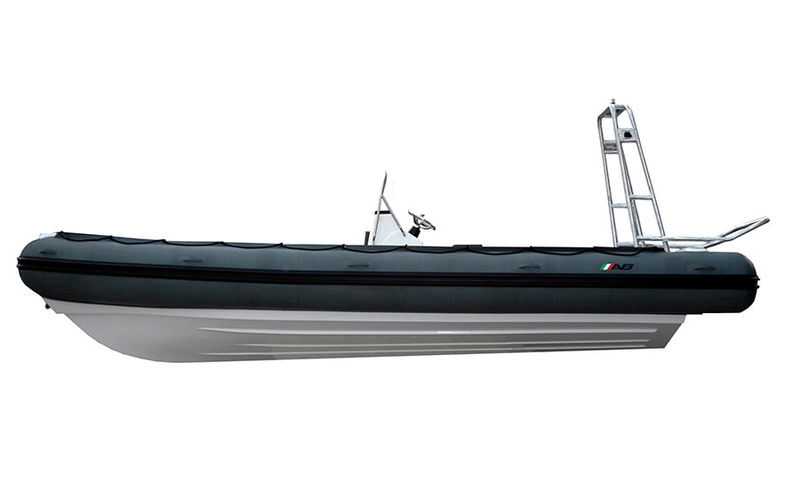


Images have been gathered from various sources and belong to their respective owners.
Review - AB Inflatables Profile F 24

MarineBroker
01/16/2024, 7:13 AM
2016 AB Inflatables Profile F 24: How to Solve Common Tender Setup, Handling, and Maintenance Issues
If you’re looking at the 2016 AB Inflatables Profile F 24, you’re probably already aware that it’s a serious tender: roomy, practical, and built to do a lot more than just shuttle people from yacht to shore. But like many owners and prospective buyers discover, the real challenge isn’t just choosing a good inflatable boat — it’s getting the most out of it once it’s in the water.
A 24-foot tender can make life easier, but it can also create a few headaches if the setup isn’t dialed in. Weight distribution, engine matching, storage, towing, and routine maintenance all affect how well the boat performs. And when something feels “off,” it’s usually not one big problem — it’s a few small ones adding up.
The good news is that most of these issues are manageable with the right approach. In this article, we’ll break down the most common pain points owners face with the 2016 AB Inflatables Profile F 24 and show practical ways to solve them, whether you’re using it as a yacht tender, a family runabout, or a support boat.
- Why the 2016 AB Inflatables Profile F 24 stands out
- Common problems owners run into
- How to improve handling, comfort, and reliability
- Maintenance habits that keep the boat performing well
- Why the 2016 AB Inflatables Profile F 24 appeals to so many boaters
The 2016 AB Inflatables Profile F 24 sits in a sweet spot for people who want a larger inflatable with real capability. It’s big enough to handle passengers, gear, and coastal runs, but still light and practical compared with a traditional hard-hull boat of similar size.
That balance is a big reason this model gets attention. It’s often used as a tender for larger yachts, but it also works well for day trips, family cruising, and utility use around marinas or waterfront properties.
What makes it especially appealing is the combination of:
- A stable inflatable tube design
- A hull shape that helps with planing and ride comfort
- Enough deck space for people and cargo
- Versatility for both leisure and practical use
Still, bigger inflatable boats come with their own learning curve. If you’re not used to managing a 24-foot RIB-style tender, the boat can feel more demanding than expected. That’s where understanding the common setup and usage issues becomes important.
- The most common problem: the boat doesn’t feel as easy to handle as expected
One of the biggest surprises for new owners of the 2016 AB Inflatables Profile F 24 is that “inflatable” does not automatically mean “effortless.” At 24 feet, this boat has real size and weight, and that affects everything from docking to trailering to slow-speed maneuvering.
The most common complaints usually sound like this:
- The boat feels sluggish getting on plane
- Steering seems heavy or unresponsive
- The ride gets bouncy in chop
- Fuel consumption is higher than expected
- Docking feels harder than it should
- The boat seems to list or trim poorly with passengers aboard
In many cases, the boat itself is not the problem. The issue is usually a mismatch between engine, load, trim, or setup.
- Solve handling issues by checking the basics first
Before assuming there’s a major mechanical problem, start with the fundamentals. Many performance issues on a large inflatable are caused by simple setup mistakes.
- Check engine size and propeller match
If the engine is underpowered, the boat may struggle to plane, especially with passengers or gear onboard. If the propeller pitch is wrong, the boat may rev too high or labor unnecessarily.
A good rule of thumb is to confirm:
- The engine falls within the manufacturer’s recommended range
- The propeller allows the engine to reach proper wide-open throttle RPM
- There isn’t cavitation or ventilation during acceleration
If the boat feels weak out of the hole, the prop may be too “tall” in pitch. If RPMs are too high but speed is poor, the setup may need adjustment.
- Balance the load correctly
Inflatable boats are sensitive to weight placement. A few people sitting too far aft can change the running attitude dramatically.
Try this:
- Put heavier passengers closer to the centerline
- Keep gear low and evenly distributed
- Avoid overloading the stern with coolers, tanks, or batteries
- Shift weight forward slightly if the bow rides too high
Even small changes can improve planing, ride quality, and fuel economy.
- Verify tube pressure
Underinflated tubes can make the boat feel soft, sluggish, and less stable. Overinflated tubes can create stress and affect comfort in changing temperatures.
Check pressure regularly, especially:
- Before launching
- After the boat has sat in the sun
- When temperatures swing significantly
Proper inflation helps the boat maintain its designed shape and performance.
- Handling and docking: why a 24-foot inflatable can feel tricky
A lot of people assume a tender like the 2016 AB Inflatables Profile F 24 will be easy to dock because of the inflatable collar. While the tubes do help absorb contact, the boat’s length and windage can still make docking more challenging than expected.
This is especially true in:
- Crosswinds
- Tight marina slips
- Current-heavy areas
- Busy fuel docks
- Low-speed maneuvering with a strong outboard
The tubes can also catch wind more than a low-profile hard boat, which means the bow may wander while docking.
- Docking tips that actually help
A few practical habits can make a big difference:
1. Approach slower than you think you need to
Speed creates mistakes. Slow, controlled movement gives you time to correct.
2. Use short throttle bursts
Don’t try to “power steer” continuously. Small inputs work better.
3. Keep a bow line ready
If you’re docking solo, a prepared line can save a lot of stress.
4. Practice in open water first
Learn how the boat responds before trying tight marina maneuvers.
5. Know your windage
The boat may drift more than expected when broadside to wind.
If you’re using the boat as a yacht tender, this is especially important because tender runs often happen in less-than-ideal conditions and in crowded spaces.
- Ride comfort: how to reduce pounding in chop
Another issue owners sometimes notice is that the ride can feel harsher than expected in rougher water. That doesn’t mean the boat is poor in rough conditions — it usually means the trim, speed, or load needs adjustment.
A 24-foot inflatable tender can be very capable, but it still benefits from smart operation.
- Adjust trim for conditions
If the bow rides too high, the boat may slap waves and feel unstable. If the bow is too low, it can bury into chop and throw spray.
Try small trim changes and observe:
- Does the boat ride flatter?
- Does spray improve or worsen?
- Does the hull stop porpoising?
The goal is to find the sweet spot where the hull is carrying correctly.
- Match speed to sea state
Sometimes the best fix is simply slowing down a little. A boat may feel rough because it’s traveling at the wrong speed for the wave pattern.
In short chop, a slightly slower or slightly faster speed can make a huge difference. It’s worth experimenting carefully.
- Keep weight centered
Too much weight aft often causes the bow to rise and the hull to pound. Too much weight forward can make the boat bury into waves. A balanced load is usually the most comfortable setup.
- Fuel economy: why it may be higher than expected
Owners of larger inflatable boats are sometimes surprised by fuel burn. The 2016 AB Inflatables Profile F 24 is efficient for its size in many conditions, but it still has to push a 24-foot platform, passengers, gear, and an outboard through water.
Fuel economy depends on several things:
- Engine size and condition
- Propeller selection
- Hull cleanliness
- Load weight
- Sea state
- Running speed
If fuel use seems excessive, check these first:
- Is the bottom clean?
- Is the engine tuned properly?
- Are you running at an inefficient throttle setting?
- Is the boat overloaded?
- Is the propeller damaged or mismatched?
Often, the biggest gains come from avoiding excessive throttle in the midrange and finding the most efficient cruising speed. Many boats burn more fuel when operated just below or just above the most efficient planing range.
- Maintenance habits that prevent bigger problems
Regular maintenance is one of the easiest ways to keep the 2016 AB Inflatables Profile F 24 reliable. Inflatable boats are durable, but they still need attention, especially if they’re exposed to sun, salt, and frequent use.
- Tube care
The tubes are one of the most visible and important parts of the boat. To keep them in good shape:
- Rinse with fresh water after saltwater use
- Use gentle soap, not harsh cleaners
- Avoid petroleum-based products on the fabric
- Inspect for abrasions, punctures, or seam issues
- Store out of direct sunlight when possible
UV exposure is one of the biggest long-term threats to inflatable materials. Even a tough tube material will age faster if it’s left uncovered all the time.
- Hull and deck inspection
Check the hull and deck regularly for:
- Cracks
- Loose fittings
- Corrosion on hardware
- Soft spots
- Drainage issues
A small leak, loose cleat, or worn fastener can become a bigger issue if ignored.
- Engine maintenance
Since the outboard is such a major part of performance, keeping it healthy matters just as much as caring for the boat itself.
Stay on top of:
- Oil changes
- Water pump service
- Fuel filter replacement
- Spark plugs
- Lower unit lubrication
- Battery condition
If the engine is running rough, the boat will feel rough too. Sometimes what looks like a hull issue is really an engine issue.
- Storage and transport: avoid preventable wear
One practical challenge with a larger inflatable like the 2016 AB Inflatables Profile F 24 is storage. Even if it’s more manageable than a hard boat of the same size, it still needs proper handling when not in use.
- If storing on a trailer
Make sure the boat is supported correctly. Uneven support can stress the hull or deform components over time.
Tips:
- Use quality trailer bunks or supports
- Check tire pressure and bearing condition
- Secure the boat so it doesn’t shift
- Rinse the trailer after saltwater use
- If storing in the water
If the boat stays afloat for long periods, inspect it more often. Exposure to sun and water can accelerate wear on tubes, fittings, and the engine.
Watch for:
- Marine growth
- Chafe from dock lines
- Water intrusion
- UV damage
- Battery drain
- If deflating for storage
Deflate only as much as needed for the storage method, and avoid folding the boat the same way every time. Repeated creasing in the same spot can shorten material life.
- Choosing the right setup for your use case
Not every owner uses the 2016 AB Inflatables Profile F 24 the same way. The best setup depends on how you plan to use it.
- For yacht tender use
Focus on:
- Easy boarding
- Reliable starting
- Smooth low-speed handling
- Durable tube protection
- Clean storage solutions for lines and gear
- For family cruising
Prioritize:
- Comfort
- Shade options
- Seating layout
- Storage for bags and safety gear
- Easy boarding from the water or dock
- For utility or support use
Prioritize:
- Load capacity
- Fuel range
- Rugged deck hardware
- Easy cleaning
- Simple, dependable engine setup
Knowing your main purpose helps you make smarter decisions about engine choice, accessories, and maintenance routines.
- When it’s worth getting a professional opinion
Some issues can be solved with a few adjustments, but others deserve a professional look. If the boat still feels wrong after basic checks, it may be time to involve a marine technician or experienced rigging shop.
Get help if you notice:
- Persistent cavitation
- Severe listing
- Unusual vibration
- Poor top speed despite proper load
- Engine overheating
- Repeated electrical problems
- Air loss in the tubes
A good technician can quickly tell whether the issue is prop-related, engine-related, or hull/setup-related.
- Practical solution summary for owners
If you’re trying to get better results from the 2016 AB Inflatables Profile F 24, the solution usually comes down to a few simple habits:
- Match the engine and prop correctly
- Keep load balanced
- Maintain proper tube pressure
- Adjust trim for conditions
- Keep the bottom and engine clean
- Store the boat carefully
- Fix small issues before they grow
That approach solves most of the common frustrations people have with larger inflatable boats. Instead of fighting the boat, you start working with its design.
- Conclusion
The 2016 AB Inflatables Profile F 24 is a capable, versatile tender and runabout, but like any 24-foot boat, it performs best when the setup is right. Most of the problems owners run into — poor handling, rough ride, higher fuel use, or docking difficulty — usually come from load balance, engine setup, or routine maintenance rather than a major flaw in the boat itself.
The good news is that these issues are fixable. With a little attention to trim, pressure, propeller selection, and care habits, the boat can feel much more predictable and enjoyable. If you’re considering this model or already own one, focusing on setup and maintenance will go a long way toward getting the performance you want. For more helpful boat setup and maintenance tips, it’s worth continuing to learn from trusted marine resources and experienced owners.
Specifications
General
Boat Type: Power Boats
Class Type: Rigid Inflatable Boats
Specifications
Length: 23.98
Beam: 9.25
Draft: 2.1
Hull Material: GRP
Build
First Built: 2016
Propulsion
Fuel Type: Unleaded
Engines: 1
Power: 250 HP
Brand: Unknown
Accomodation
PROS & CONS
What we appreciated
 Durable and high-quality Hypalon tubes for enhanced longevitySpacious deck layout offering comfortable seating for passengersStable and safe hull design suitable for various sea conditionsLightweight and easy to tow or launchGood performance with efficient fuel consumption
What we didn’t appreciate
 Higher price point compared to some similar-sized inflatablesLimited storage space for extended tripsRequires regular maintenance of inflatable components to prevent wearNot ideal for very rough seas due to inflatable natureEngine options may be limited, affecting maximum speed potential
Upkeep Costs
Fuel: Approximately $3,000 - $5,000 per year depending on usage
Maintenance: Around $1,000 - $1,500 annually
Insurance: Typically $500 - $1,000 per year
Storage: $500 - $2,000 per year depending on location and type
Registration and Licensing: $100 - $300 per year
Rating
6.5
User
Score
Score
Driveability
Technology
Interior
Design
Similar Boats


MarineBroker
Download now for an immersive boat experience like never before! ⛵✨ Your journey begins with a simple click. 🌊📲
#SetSailSmart #DownloadNow
#SetSailSmart #DownloadNow

Subscribe
Copyright 2017 - 2026, Marinebroker.net, All Rights Reserved