Boat Type: Power Boats
Boat Class: Rigid Inflatable Boats
Length: 9.51 ft
Berths: 1
Cabins: 1
Bathrooms: 1
Max Persons: 4
Boat Database » 3D Tender Superlight Twin Air 290
3D Tender Superlight Twin Air 290
Outboard four-stroke, Unleaded, 1x 6 HP
Power Boats 2014 3D Tender Superlight Twin Air 290: A Practical Guide to Choosing, Using, and Maintaining a Lightweight Inflatable Tender
If you’ve been looking at the 2014 3D Tender Superlight Twin Air 290, you’re probably after a tender th...
Discover
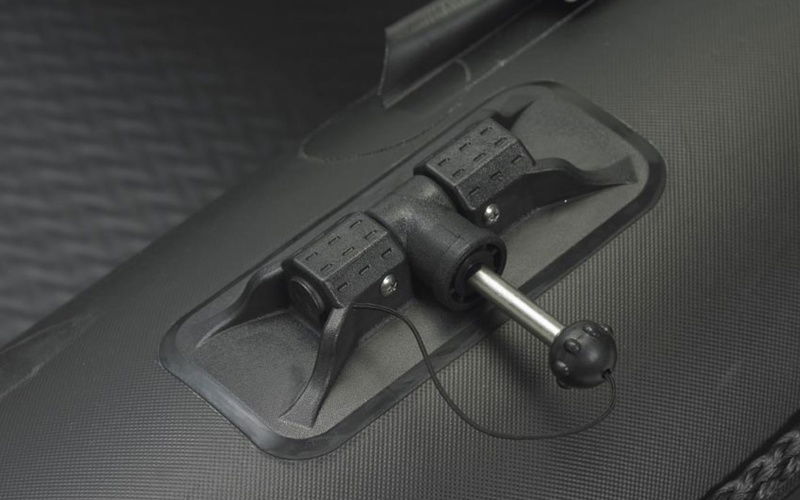
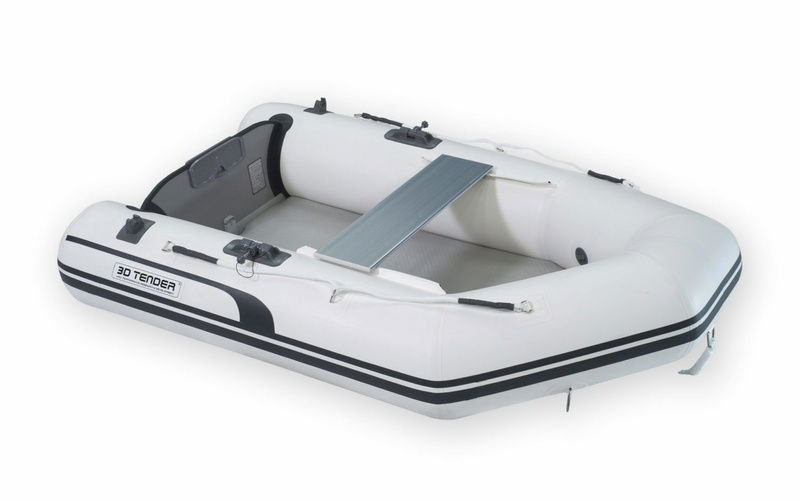

Images have been gathered from various sources and belong to their respective owners.
Review - 3D Tender Superlight Twin Air 290

MarineBroker
01/09/2024, 6:45 AM
2014 3D Tender Superlight Twin Air 290: A Practical Guide to Choosing, Using, and Maintaining a Lightweight Inflatable Tender
If you’ve been looking at the 2014 3D Tender Superlight Twin Air 290, you’re probably after a tender that’s easy to handle, quick to launch, and simple to store without giving up too much stability on the water. That’s a pretty common challenge for boat owners: you want a small inflatable that’s light enough to manage solo, but still sturdy enough to ferry people, gear, and the occasional awkward load from boat to shore.
That’s where the Superlight Twin Air 290 stands out. Boats in this category are often chosen for their portability, but the real question is whether they can actually make day-to-day boating easier. The answer depends on how well the tender matches your needs, how you use it, and how you care for it over time.
In this article, we’ll break down what makes the 2014 3D Tender Superlight Twin Air 290 useful, what problems owners typically run into, and how to get the best performance from a lightweight inflatable tender without overcomplicating things.
- What Makes the 2014 3D Tender Superlight Twin Air 290 a Popular Choice
The 2014 3D Tender Superlight Twin Air 290 sits in a sweet spot for many boaters. It’s compact enough to be practical, but large enough to be genuinely useful for short trips, harbor runs, and general tender duty.
The main appeal is usually the balance between weight and function. Lightweight inflatables are easier to lift onto a davit, carry on deck, or tow briefly when needed. For owners of sailboats, small cruisers, and compact powerboats, that convenience matters more than people often expect.
A 290 cm tender is also a versatile size. It can work for one or two adults comfortably, and in many cases it’s enough for a small family transfer or a gear shuttle. That makes it a sensible option for boaters who don’t want a bulky dinghy taking over precious deck space.
- The Real Problem Most Owners Face With Small Inflatable Tenders
The biggest issue with a tender like the 2014 3D Tender Superlight Twin Air 290 usually isn’t the boat itself. It’s the trade-off between portability and performance.
A lightweight tender is easy to handle, but that same lightness can create a few common frustrations:
- It may feel less stable than a heavier rigid dinghy in rough chop.
- It can be more sensitive to inflation pressure.
- It may not track as cleanly under oars if loaded unevenly.
- It can wear faster if dragged, overinflated, or stored poorly.
In other words, many owners buy a tender for convenience, then discover that convenience only works if they use and maintain it properly. That’s the real problem: not choosing the wrong type of tender, but not knowing how to get the best out of it.
- 2014 3D Tender Superlight Twin Air 290: Understanding the Design
The Superlight Twin Air 290 is built around a simple idea: keep the boat easy to move while preserving enough structure to remain practical on the water. For a boat in this category, that usually means inflatable tubes, a lightweight hull setup, and a design intended for quick deployment.
The “Twin Air” concept generally suggests a focus on inflatable construction and easy handling. That’s useful if you regularly need to lift the boat, pack it away, or launch it from a small platform.
For owners, the design benefits usually show up in everyday use:
- Easier transport between boat and dock
- Faster setup compared with heavier tenders
- Less strain when storing or carrying
- Better flexibility for boats with limited deck space
But design benefits only go so far. A tender like this performs best when you understand its limits and use it in the right conditions.
- Where the 2014 3D Tender Superlight Twin Air 290 Fits Best
This tender is best suited to boaters who prioritize convenience over heavy-duty capacity.
It tends to work well for:
- Sailboat owners needing a compact ship-to-shore tender
- Cruisers who want a lightweight inflatable for marina use
- Weekend boaters with limited storage space
- Solo operators who need something manageable without help
- Small crews looking for an easy-to-launch dinghy
It may be less ideal if your main priority is carrying lots of weight, dealing with exposed offshore conditions, or using the tender as a daily workboat. That doesn’t mean it’s weak; it just means it’s designed for a specific style of boating.
A good rule of thumb is this: if you mostly use your tender for short transfers, light cargo, and calm-water errands, the Superlight Twin Air 290 is in the right lane.
- Common Issues Owners Notice and How to Fix Them
Like most inflatable tenders, the 2014 3D Tender Superlight Twin Air 290 can develop a few predictable issues. The good news is that most of them are preventable.
- 1. Uneven inflation
If one side feels softer than the other, the boat may sit poorly in the water or feel awkward under oars.
What to do:
- Inflate in stages rather than all at once.
- Check each chamber carefully.
- Use a pressure gauge if possible.
- Recheck pressure after the boat has been in the sun for a while.
Inflatable tubes expand with heat, so a tender that feels perfect in the shade may be overpressurized later in the day.
- 2. Poor tracking under oars
Light tenders can wander if weight is not distributed evenly.
What to do:
- Sit centered in the boat.
- Balance passengers and gear.
- Avoid putting all weight in the stern.
- Keep the oars adjusted properly.
Even small changes in load can make a noticeable difference in how the boat rows.
- 3. Slower-than-expected performance
Some owners expect a lightweight tender to behave like a rigid hull, especially under a small outboard.
What to do:
- Keep the hull clean.
- Check for drag caused by excess gear.
- Make sure the motor is properly matched.
- Don’t overload the boat.
A tender performs best when it’s kept simple. Extra weight adds drag quickly in a boat this size.
- 4. Wear from dragging or rough handling
This is one of the most common causes of damage.
What to do:
- Lift the tender instead of dragging it whenever possible.
- Use a beach roller, trolley, or protective mat.
- Avoid sharp rocks, barnacles, and rough concrete.
- Rinse salt and grit off after use.
A light inflatable can last a long time, but only if you treat the underside with some respect.
- 5. Storage-related damage
Many inflatable tenders age badly because of storage, not use.
What to do:
- Store it dry and out of direct sunlight.
- Avoid folding it while damp.
- Keep it away from fuel, solvents, and sharp tools.
- Use a breathable cover if it stays on deck.
UV exposure and trapped moisture are two of the biggest enemies of inflatable materials.
- How to Get Better Performance From a Lightweight Inflatable Tender
If you want the 2014 3D Tender Superlight Twin Air 290 to feel more stable and practical, the answer is usually in the setup.
- Keep the load low and centered
This is the easiest way to improve handling. A centered load helps the tender sit flatter in the water and row more predictably.
Try to:
- Place heavier items near the middle
- Avoid stacking gear too high
- Keep passengers evenly distributed
- Store fuel and tools securely
- Match the tender to calm-water use
These boats shine in marinas, harbors, lakes, and protected anchorages. In those settings, their light weight becomes a real advantage.
If you regularly deal with waves or crossing wakes, slow down and plan your route carefully. Small inflatables are more comfortable when you respect the conditions.
- Use the right propulsion setup
A tender this size may be used with oars, a small outboard, or sometimes both depending on the setup. The best choice depends on how far you travel and how much gear you carry.
For short hops:
- Oars are simple, quiet, and reliable
For regular transfers:
- A small motor can save time and effort
For mixed use:
- Having both gives you flexibility
The key is not to overpower the boat. A small tender works best when propulsion matches the hull’s intended use.
- Check pressure often
Inflatable boats are sensitive to pressure changes. A tender that seems fine in the morning can feel different by afternoon, especially in hot weather.
A quick pressure check before each outing can prevent:
- Poor handling
- Excess stress on seams
- Reduced comfort
- Uneven tube shape
That small habit makes a big difference over time.
- Maintenance Tips That Extend the Life of the 2014 3D Tender Superlight Twin Air 290
Good maintenance is usually what separates a tender that lasts a few seasons from one that keeps going.
- Rinse after every saltwater use
Salt buildup can be rough on valves, seams, and fabric. A simple freshwater rinse helps remove residue before it becomes a problem.
- Dry before storage
This is especially important if you fold the boat. Moisture trapped in seams or creases can lead to mildew and long-term deterioration.
- Inspect seams and valves regularly
Look for:
- Slow leaks
- Cracks around fittings
- Loose valve caps
- Signs of abrasion
Catching small issues early is much cheaper than repairing major damage later.
- Protect from UV exposure
Sunlight is one of the main reasons inflatable boats age quickly. If the tender spends a lot of time on deck, use a cover or store it below when practical.
- Avoid harsh cleaners
Strong chemicals can damage materials over time. Mild soap and water are usually enough for routine cleaning.
- Keep the floor and tubes free of grit
Sand and small stones act like sandpaper. If you often beach the boat, give it a good rinse before folding or storing it.
- Buying or Owning One Secondhand: What to Check
Because this is a 2014 model, some readers may be looking at used listings. That’s smart, but it means you need to inspect carefully.
Before buying, check:
- Tube condition: Look for patches, discoloration, or soft spots
- Valve function: Make sure valves hold pressure properly
- Seams: Inspect for separation or cracking
- Floor integrity: Check for flex, damage, or delamination
- Previous storage history: A boat stored indoors usually ages better
- Accessories: Oars, pump, seat, and repair kit can add value
If possible, inflate it fully before purchase. A tender can look fine deflated but reveal problems once pressurized.
A used inflatable is only a good deal if it still holds air reliably and has been treated with care.
- Is the 2014 3D Tender Superlight Twin Air 290 Right for You?
This tender makes the most sense if you want something practical, portable, and easy to manage. It’s especially appealing for boaters who don’t want to wrestle with a heavier dinghy every time they go ashore.
It may be a strong fit if you:
- Boat mostly in protected waters
- Need a lightweight tender for short transfers
- Have limited storage space
- Prefer easy handling over maximum capacity
- Want a simple, low-fuss inflatable
It may be less ideal if:
- You regularly carry heavy loads
- You need high-speed performance
- You operate in rough conditions often
- You want a rigid, ultra-stiff ride
The best tender is the one that fits your actual routine, not just your wish list.
- Practical Takeaway for Boat Owners
The 2014 3D Tender Superlight Twin Air 290 is a good example of a lightweight inflatable tender that can make boating easier when used correctly. Its biggest strengths are portability, convenience, and compact size, but those strengths only pay off if you manage inflation, loading, storage, and handling with a bit of care.
If you’re dealing with the usual tender frustrations like awkward lifting, limited storage, or a boat that feels clumsy to use, this type of inflatable can be a very workable solution. Keep it clean, keep it balanced, and keep it protected from unnecessary wear, and it should stay useful for a long time.
- Conclusion
The 2014 3D Tender Superlight Twin Air 290 is best understood as a practical, lightweight solution for everyday tender use rather than a heavy-duty workhorse. For the right owner, it solves a very real problem: making boat transfers, storage, and handling much easier without sacrificing the basics. The key is using it in the conditions it was built for and maintaining it properly.
If you’re comparing tenders or trying to get more from the one you already own, focus on weight distribution, inflation pressure, and storage habits first. Those small details often matter more than people think. For more help choosing or maintaining a tender, it’s worth exploring related boating guides and setup tips before making your next move.
Specifications
General
Boat Type: Power Boats
Class Type: Rigid Inflatable Boats
Specifications
Length: 9.51
Beam: 4.46
Draft: 0.98
Hull Material: Unknown
Build
First Built: 2014
Propulsion
Fuel Type: Unleaded
Engines: 1
Power: 6 HP
Brand: Unknown
Accomodation
Berths: 1
Cabins: 1
Bathrooms: 1
PROS & CONS
What we appreciated
 Lightweight design enhances portability and ease of launchingTwin air chambers provide increased safety and redundancyDurable Hypalon material offers excellent resistance to abrasion and UV damageCompact size makes it ideal for use as a tender or for short tripsGood stability and maneuverability due to its design
What we didn’t appreciate
 Limited seating capacity restricts number of passengersSmaller size limits storage space for gear and suppliesLess suitable for rough waters compared to larger rigid boatsInflatable design requires regular maintenance to prevent leaksNot ideal for long-distance or extended cruising
Upkeep Costs
Insurance: $500 - $1,000 per year
Maintenance: $300 - $600 per year
Storage: $200 - $800 per year
Fuel: $100 - $400 per year
Registration and Licensing: $50 - $150 per year
Rating
4.6
User
Score
Score
Driveability
Technology
Interior
Design
Similar Boats


MarineBroker
Download now for an immersive boat experience like never before! ⛵✨ Your journey begins with a simple click. 🌊📲
#SetSailSmart #DownloadNow
#SetSailSmart #DownloadNow

Subscribe
Copyright 2017 - 2026, Marinebroker.net, All Rights Reserved