Boat Database » AB Inflatables Profile A 12
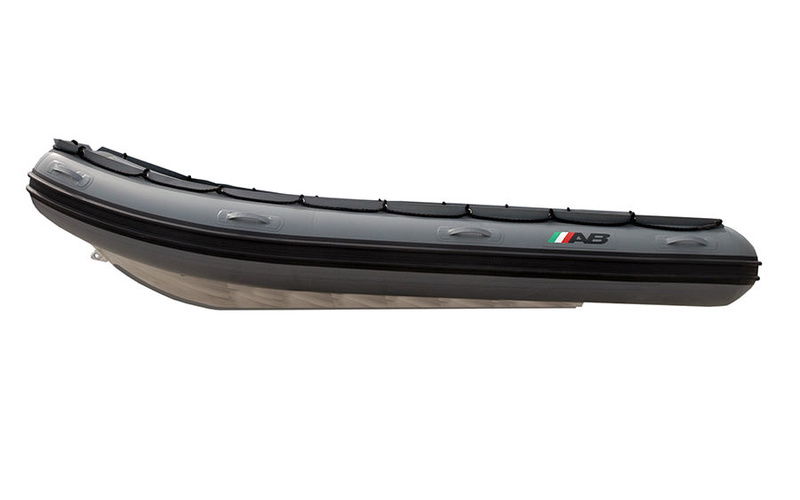
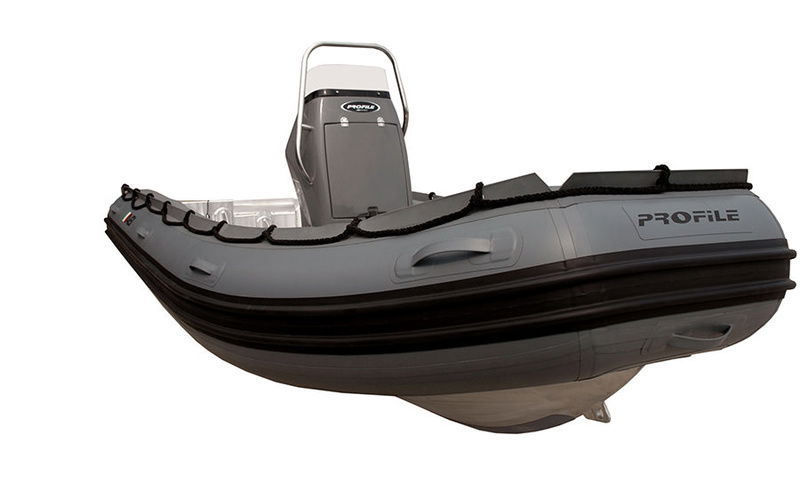
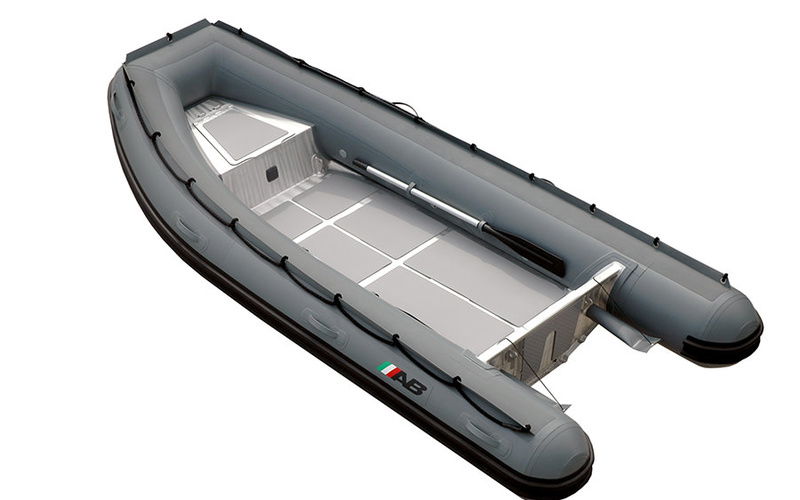
AB Inflatables Profile A 12
Outboard four-stroke, Unleaded, 1x 30 HP
Power Boats 2018 AB Inflatables Profile A 12: How to Choose, Set Up, and Get the Most from a Compact RIB Tender
If you’ve been looking at the 2018 AB Inflatables Profile A 12, chances are you’re trying to solve a very common boating problem:...
Discover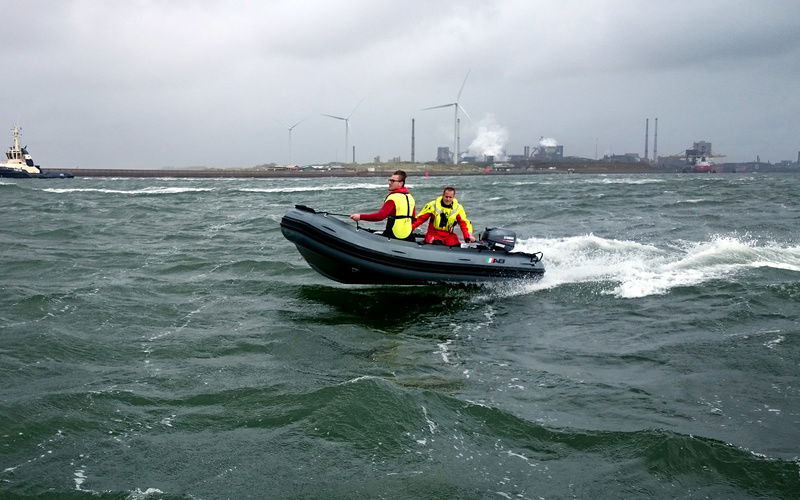
Images have been gathered from various sources and belong to their respective owners.
Review - AB Inflatables Profile A 12

MarineBroker
01/16/2024, 9:53 AM
2018 AB Inflatables Profile A 12: How to Choose, Set Up, and Get the Most from a Compact RIB Tender
If you’ve been looking at the 2018 AB Inflatables Profile A 12, chances are you’re trying to solve a very common boating problem: how to get a tender that’s easy to handle, stable in the water, and practical enough for everyday use without becoming a hassle on shore or at the dock. That’s a bigger decision than it sounds. A compact inflatable boat can be a huge convenience, but only if it fits your real-world needs.
A lot of boaters end up frustrated because they buy based on size alone, then discover the tender is awkward to launch, hard to store, too small for their gear, or not ideal for the kind of waters they actually use. Others want a simple dinghy for short trips, marina runs, or family use, but they’re not sure what to prioritize.
That’s where a model like the 2018 AB Inflatables Profile A 12 comes into the picture. It sits in the sweet spot for people who want a manageable 12-foot inflatable with the stability of a rigid hull and the flexibility of a lightweight tender. In this article, we’ll break down what makes this type of boat useful, what to look for before buying, and how to use it in a way that saves time, reduces stress, and keeps your boating days fun.
- What Makes the 2018 AB Inflatables Profile A 12 a Popular Choice
The 2018 AB Inflatables Profile A 12 is part of a category many boaters love: the compact rigid inflatable boat, or RIB. These boats combine inflatable tubes with a solid hull, giving you a mix of buoyancy, stability, and durability that works well for a wide range of uses.
For many owners, the appeal is simple. You get a boat that’s easier to board than a traditional small dinghy, more stable than you might expect in chop, and still manageable enough to tow, store, or carry on a davit system depending on your setup.
That matters because the biggest issue with small tenders is often compromise. Some are too light and flimsy. Others are too heavy and awkward. A 12-foot RIB aims to balance those tradeoffs.
Common reasons people look for this model or similar boats include:
- Tender use for a larger yacht or cruiser
- Short-distance transport between shore and vessel
- Family outings in calm water
- Fishing in protected areas
- General utility boating where portability matters
The key is not just owning a boat, but owning one that matches how you actually plan to use it.
- The Main Problem Boaters Face with Small Inflatable Boats
When people search for a boat like the 2018 AB Inflatables Profile A 12, they’re usually trying to solve one or more of these problems:
- Their current tender is unstable or cramped
- Launching and retrieving takes too much effort
- They need something that stores more easily
- They want better performance than a basic soft-bottom inflatable
- They need a boat that can handle daily use without constant fuss
This is where buyers often get stuck. They focus on the boat’s length, but overlook the practical details that determine whether the boat will actually be convenient.
For example, a 12-foot inflatable may sound small and easy, but if the layout is poor or the weight is higher than expected, it can become annoying fast. On the other hand, a well-designed RIB can feel surprisingly capable because the rigid hull improves tracking and the tubes add confidence when docking or loading gear.
In short, the problem isn’t just choosing a boat. It’s choosing a boat that reduces friction in your boating routine.
- Why a 12-Foot RIB Can Be the Right Size
A 12-foot inflatable like the 2018 AB Inflatables Profile A 12 is often a smart middle ground.
It’s small enough to be practical, but large enough to be useful.
That matters because many boaters don’t actually need a huge tender. They need a boat that can comfortably handle a couple of people, some gear, and short trips with minimal setup. A 12-footer is often easier to live with than a larger model, especially if storage space is limited or if you’re frequently lifting it with davits.
Here’s why this size works well for many users:
- Easier to maneuver in marinas and tight docks
- More manageable for solo or two-person handling
- Usually simpler to store on deck, on a lift, or in a garage
- Good balance between portability and usable deck space
- Often more fuel-efficient with a small outboard
That said, size alone doesn’t guarantee satisfaction. You still need to think about load capacity, tube layout, hull design, and how the boat performs with your expected number of passengers.
- What to Look for Before Choosing the 2018 AB Inflatables Profile A 12
If you’re considering the 2018 AB Inflatables Profile A 12, or any similar RIB, think beyond the listing photos. The best boating decisions come from matching the boat to your day-to-day use.
Here are the most important factors to evaluate:
- Weight and handling
Can you move it, launch it, and retrieve it without making every trip a workout?
- Passenger capacity
Make sure the seating and deck space match your typical group size.
- Tube diameter and stability
Larger tubes can improve confidence and buoyancy, especially when boarding from the water or carrying gear.
- Hull type and ride quality
A rigid hull generally gives better performance than a soft-bottom inflatable, especially in chop.
- Storage needs
Measure your available space carefully, including height, width, and access points.
- Engine compatibility
Check the recommended horsepower range and match it to your intended use.
- Build condition if buying used
Look closely at seams, valves, floor panels, transom integrity, and tube wear.
A lot of frustration comes from assuming all 12-foot inflatables behave the same. They don’t. Small design differences can have a big impact on comfort and usability.
- How the 2018 AB Inflatables Profile A 12 Solves Everyday Boating Frustrations
One reason the 2018 AB Inflatables Profile A 12 stands out for many buyers is that it can reduce the little annoyances that come with boating.
Here’s how:
- Easier boarding
Inflatable tubes and a stable RIB platform usually make getting in and out feel more secure.
- Better docking confidence
The boat’s compact size and tube protection can make close-quarters maneuvering less stressful.
- More predictable handling
A rigid hull helps the boat track more cleanly than many basic inflatables.
- Less hassle with short trips
For quick runs to shore or around a harbor, a compact tender is simply more convenient.
- Better utility for daily use
Whether you’re carrying groceries, water jugs, dive gear, or fishing equipment, the setup is often more practical than people expect.
This is the real value of a well-chosen tender. It doesn’t have to be glamorous. It just has to make your boating life easier.
- Tips for Setting Up a Small Inflatable Tender the Right Way
Even a good boat can feel underwhelming if the setup is poor. If you want the most from a boat like the 2018 AB Inflatables Profile A 12, start with the basics.
- Choose the right outboard
Don’t over- or under-power the boat. Too little power makes it sluggish; too much can be inefficient or unsafe.
- Keep weight balanced
Load passengers and gear evenly so the boat trims properly.
- Use proper inflation levels
Underinflated tubes can hurt performance and stability. Overinflation can stress materials.
- Add only useful accessories
A small anchor, oars, a bilge pump, and secure tie-downs are often more valuable than extra clutter.
- Plan storage carefully
Protect the tubes from sharp edges, UV exposure, and unnecessary abrasion.
- Check maintenance regularly
Inspect valves, seams, and the transom area before each season.
These small steps can make a big difference in how enjoyable the boat feels over time.
- Common Mistakes to Avoid with a 12-Foot RIB
A lot of owners run into trouble because they assume a small boat is automatically simple. In reality, the best results come from avoiding a few common mistakes.
- Buying without measuring storage space
A 12-foot boat still needs room for access, clearance, and movement.
- Ignoring total weight
Don’t just consider the boat itself. Add the engine, fuel, gear, and passengers.
- Choosing the wrong prop or engine setup
Poor matching can make the boat feel slow or inefficient.
- Overloading the deck
Small boats get crowded quickly, and performance drops fast when weight is uneven.
- Skipping inspection on a used boat
Small issues like valve leaks or tube wear can become expensive if overlooked.
- Using it outside its intended conditions
A compact tender is not the right tool for every body of water or weather pattern.
If you avoid these mistakes, a boat like the 2018 AB Inflatables Profile A 12 is much more likely to feel like a solution instead of a compromise.
- Who This Type of Boat Is Best For
Not every boater needs the same setup. The 2018 AB Inflatables Profile A 12 tends to make the most sense for people who want a practical, easy-to-manage tender or small utility boat.
It’s a strong fit for:
- Yacht and cruiser owners needing a dependable dinghy
- Couples or small families who boat in protected waters
- People with limited storage space
- Boaters who value stability over speed
- Anyone who wants a rigid inflatable instead of a basic soft tender
It may be less ideal for:
- Larger groups needing more seating
- High-speed offshore use
- Buyers who want a very lightweight carry-in boat
- People who need lots of onboard storage
The best boat is the one that matches your routine, not the one that looks best on paper.
- Practical Buying Checklist for the 2018 AB Inflatables Profile A 12
If you’re evaluating this model, use a simple checklist before making a decision.
- Confirm the boat’s overall condition
- Inspect the tubes for patches, fading, or soft spots
- Check the hull for cracks, repairs, or damage
- Test the transom for strength and secure mounting
- Review engine hours if a motor is included
- Verify that accessories are functional
- Compare storage and transport requirements
- Ask how and where the boat was used
- Take it for a water test if possible
A short inspection process can save you from long-term headaches.
- Why Maintenance Matters More Than Most People Think
One of the biggest advantages of owning a compact inflatable is convenience. But convenience only lasts if you keep up with maintenance.
For a boat like the 2018 AB Inflatables Profile A 12, basic care goes a long way:
- Rinse with fresh water after use
- Dry the boat before storage when possible
- Protect tubes from prolonged sun exposure
- Inspect seams and fittings regularly
- Keep the hull clean and free of buildup
- Store the engine properly if one is mounted
Maintenance is not just about preserving value. It also affects how safe and reliable the boat feels every time you use it.
- Making the Most of a Compact Tender in Real Life
The best way to think about the 2018 AB Inflatables Profile A 12 is as a tool for simplifying boating.
It can help you:
- Move between shore and vessel with less stress
- Carry people and gear more efficiently
- Enjoy a stable platform in calm to moderate conditions
- Reduce the hassle of launching a larger boat for short trips
That’s why many boaters prefer a compact RIB over something bigger or more complicated. It’s not about having the most boat. It’s about having the right boat for the way you actually spend time on the water.
If you use it thoughtfully, keep the setup clean, and avoid overloading it, a 12-foot inflatable can be one of the most useful pieces of gear in your boating routine.
- Conclusion
The 2018 AB Inflatables Profile A 12 appeals to boaters who want a practical, stable, and manageable compact tender without the headaches that come from choosing the wrong setup. The main challenge is usually not finding a boat, but finding one that fits your storage space, handling needs, and everyday use. A well-chosen 12-foot RIB can solve that problem by offering a strong balance of portability, stability, and convenience.
If you’re comparing options, focus on real-world use rather than just specs on paper. Check condition carefully, match the boat to your routine, and keep maintenance simple but consistent. That approach will help you get more value and more enjoyment from your time on the water. If you want to keep researching, look into engine matching, storage solutions, and tender setup tips before making your final choice.
Specifications
General
Boat Type: Power Boats
Class Type: Rigid Inflatable Boats
Specifications
Length: 12.01
Beam: 6.07
Draft: 1.67
Hull Material: Aluminium
Build
First Built: 2018
Propulsion
Fuel Type: Unleaded
Engines: 1
Power: 30 HP
Brand: Unknown
Accomodation
PROS & CONS
What we appreciated
 Lightweight and easy to transport due to inflatable designDurable Hypalon fabric offers excellent resistance to UV rays and abrasionSpacious 12-foot length provides good stability and ample room for passengersQuick to inflate and deflate, making setup and storage convenientVersatile use for both recreational boating and as a tender
What we didn’t appreciate
 Inflatable boats can be more vulnerable to punctures compared to rigid hullsLimited load capacity compared to larger rigid boatsPerformance may be affected in rough waters due to flexible hullLess storage space onboard compared to hard-bodied boatsRequires periodic maintenance of inflation valves and fabric seams
Upkeep Costs
Fuel: Approximately $500 - $1,000 per year depending on usage
Maintenance: Around $300 - $600 annually for engine servicing and hull upkeep
Insurance: Typically $200 - $400 per year
Storage: Between $300 - $1,200 yearly depending on location and storage type
Registration and Licensing: Approximately $50 - $150 per year
Rating
4.9
User
Score
Score
Driveability
Technology
Interior
Design
Similar Boats


MarineBroker
Download now for an immersive boat experience like never before! ⛵✨ Your journey begins with a simple click. 🌊📲
#SetSailSmart #DownloadNow
#SetSailSmart #DownloadNow

Subscribe
Copyright 2017 - 2026, Marinebroker.net, All Rights Reserved