Boat Type: Power Boats
Boat Class: Rigid Inflatable Boats
Length: 10.5 ft
Berths: 1
Cabins: 1
Bathrooms: 1
Max Persons: 5
Boat Database » 3D Tender Heavy Duty 320
3D Tender Heavy Duty 320
Outboard four-stroke, Unleaded, 1x 15 HP
Power Boats 2017 3D Tender Heavy Duty 320: What to Know Before You Buy, Use, or Upgrade One
If you’ve been searching for a 2017 3D Tender Heavy Duty 320, chances are you’re trying to figure out whether it’s the right inflatable boat for your...
Discover


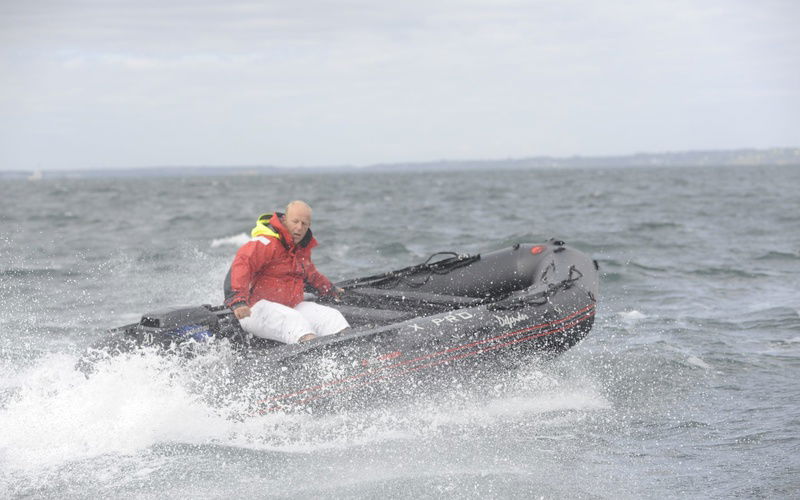
Images have been gathered from various sources and belong to their respective owners.
Review - 3D Tender Heavy Duty 320

MarineBroker
01/08/2024, 6:47 AM
2017 3D Tender Heavy Duty 320: What to Know Before You Buy, Use, or Upgrade One
If you’ve been searching for a 2017 3D Tender Heavy Duty 320, chances are you’re trying to figure out whether it’s the right inflatable boat for your needs, or how to get the most out of one you already own. That’s a pretty common situation. Boats like this are often bought for their portability, toughness, and versatility, but once you start comparing specs, materials, and real-world use, it’s easy to feel a bit stuck.
The main problem for many buyers and owners is simple: how do you know if this compact heavy-duty tender is truly suitable for your kind of boating? Maybe you need a reliable tender for a yacht, a small work boat for practical use, or a lightweight inflatable that can handle rougher conditions than a basic model. The good news is that the 2017 3D Tender Heavy Duty 320 is the kind of boat that can make sense in a lot of those situations—if you understand what to look for.
In this article, we’ll break down the boat’s strengths, what to check before buying or using one, and how to solve the most common issues owners run into. If you’re looking for a practical, no-nonsense guide, you’re in the right place.
- What the 2017 3D Tender Heavy Duty 320 is designed for
The 2017 3D Tender Heavy Duty 320 is a compact inflatable boat built with utility in mind. At 3.2 meters long, it sits in a sweet spot for people who want something small enough to transport easily, but sturdy enough to handle real boating tasks.
This size is especially popular among:
- Yacht owners who need a dependable tender
- Coastal boaters looking for a portable inflatable
- Anglers who want a stable small craft
- Anyone needing a lightweight utility boat for short trips or shore access
What makes it stand out is the “heavy duty” part of the name. That usually means reinforced construction, stronger materials, and a layout meant to take more abuse than a basic recreational inflatable. For people who use their boat often, that matters a lot.
The challenge, though, is that a boat this size can be incredibly useful or frustrating depending on how it’s set up and used. A lot of buyers focus only on length and forget about load capacity, tube construction, floor type, and engine pairing. That’s where problems usually begin.
- Why people choose a heavy duty 320 inflatable
A 3.2-meter inflatable boat is not huge, but that’s exactly why many boaters like it. It’s easier to launch, easier to store, and usually easier to maintain than a larger rigid boat.
Some of the biggest advantages include:
- Easy transport on a trailer or deck
- Lower weight than many hard-hull boats
- Faster setup compared with bigger vessels
- Good stability for its size
- Flexible use as a tender, runabout, or work boat
For owners of larger boats, a tender in this size range can be ideal. It’s big enough for a couple of people plus gear, but still compact enough to hoist, tow, or stow without too much hassle.
If you’re shopping for one, the key is to match the boat to your actual use. A tender used for short harbor runs has different needs than one used for fishing, beach landings, or carrying cargo.
- The most common problem: choosing the wrong setup
The biggest issue people face with the 2017 3D Tender Heavy Duty 320 is not the boat itself—it’s choosing the wrong configuration or expecting it to do a job it wasn’t meant for.
Here are the most common mistakes:
- Using an underpowered or overpowered outboard
- Ignoring the floor type and how it affects stability
- Overloading the boat with people or gear
- Not checking tube pressure before use
- Forgetting how storage and transport affect the boat over time
This is where the solution starts: understand the boat as a system, not just a hull. A good inflatable boat performs best when the engine, load, floor, and maintenance all work together.
- 2017 3D Tender Heavy Duty 320: what to check before buying
If you’re thinking about buying a used 2017 model, there are a few things worth inspecting closely. Since this is a 2017 boat, condition matters more than age alone.
Start with these checks:
1. Tubes and seams
Look for signs of cracking, patching, fading, or air loss. A well-kept inflatable should hold pressure consistently.
2. Floor condition
Whether it has an air floor, slatted floor, or rigid insert, make sure it feels stable and doesn’t flex excessively.
3. Valves
Faulty valves are a common source of slow leaks. They should open and close smoothly and seal properly.
4. Transom integrity
If the boat uses an outboard, the transom must be solid. Any softness, movement, or damage is a red flag.
5. Accessories and fittings
Check handles, D-rings, rubbing strakes, and tow points. These small parts affect usability more than people expect.
6. Service history
Ask whether the boat has been stored inflated or deflated, kept out of UV exposure, and rinsed after saltwater use.
A used inflatable can still be a great buy, but only if it’s structurally sound. Small defects can usually be managed. Hidden damage is what causes headaches later.
- How to solve performance issues on a 3D Tender Heavy Duty 320
If you already own one and it doesn’t feel right on the water, don’t assume the boat is the problem. In many cases, performance issues come from setup or maintenance.
Here’s how to troubleshoot the most common problems:
- If the boat feels unstable
Check tube inflation and weight distribution. Even a small imbalance can affect how a compact inflatable rides.
- If it planes poorly
The engine may be too small, the load may be too heavy, or the trim may be off. Try reducing weight and adjusting engine height.
- If it feels sluggish
Look for underinflated tubes, fouled hull surfaces, or excess drag from gear stored badly inside the boat.
- If one side sits lower
That often means uneven loading. Move fuel, gear, or passengers to balance the boat.
- If the boat is hard to launch or recover
Consider your floor setup and carrying method. A heavy-duty inflatable still benefits from a smart launch routine.
The practical fix is usually simple: start with pressure, balance, and load. Those three things solve a surprising number of issues.
- Best ways to use the 2017 3D Tender Heavy Duty 320
This boat works best when used for short, efficient trips and light-duty practical tasks. It’s not trying to be a big offshore boat, and that’s okay.
Good use cases include:
- Dock-to-shore transport
- Harbor and marina runs
- Fishing in sheltered waters
- Short coastal trips in moderate conditions
- General tender duties for a larger vessel
It’s also a smart choice for people who want something that can be packed away when not in use. That flexibility is a big reason inflatable tenders remain so popular.
If you plan to use it regularly, think about your routine. Do you need quick inflation? Easy storage? Frequent launch and recovery? Those details matter just as much as top speed or appearance.
- Choosing the right engine for a compact heavy duty tender
One of the most important decisions for a boat like the 2017 3D Tender Heavy Duty 320 is engine selection. Too little power and the boat feels underwhelming. Too much, and you may create handling issues or unnecessary stress on the transom.
A good engine match should consider:
- Total weight of passengers and gear
- Whether you want slow cruising or quicker planing
- Typical water conditions
- How often you’ll use the boat
For most compact inflatables, a modest outboard is often enough for practical use. The goal is not maximum speed. The goal is smooth, efficient movement and safe handling.
If you already have an engine and the boat doesn’t perform well, don’t rush to replace the boat. First check:
- Propeller condition
- Engine mounting height
- Fuel quality
- Weight distribution
- Whether the hull is clean and properly inflated
Small adjustments can make a big difference.
- Maintenance habits that keep the boat working properly
A heavy-duty inflatable can last a long time if it’s cared for consistently. The good news is that maintenance is fairly simple.
Here are the basics:
- Rinse with fresh water after saltwater use
- Dry the boat before storage
- Keep it out of direct sun when possible
- Check tube pressure before every outing
- Inspect seams and valves regularly
- Avoid dragging it over rough surfaces
- Use a proper cover or storage bag
One of the most overlooked issues is UV damage. Sun exposure slowly weakens inflatable materials, even on well-built boats. If you want the boat to stay reliable, shade and proper storage matter a lot.
Also, don’t forget about the floor and fittings. A small crack, loose bolt, or worn strap can become a much bigger issue if ignored.
- When a heavy duty inflatable is the better choice
Not every boater needs a rigid boat. In many situations, a heavy-duty inflatable is actually the better option.
It’s often the smarter pick if you want:
- Lower storage demands
- Easier transport
- Better portability
- A practical tender for a larger boat
- A boat that can handle occasional bumps and scrapes
The 2017 3D Tender Heavy Duty 320 fits this category well. It’s the kind of boat that makes sense for people who value convenience and utility over luxury. If you’re launching from a marina, moving between anchorages, or carrying gear in tight spaces, that compact size is a real advantage.
The tradeoff is that you need to stay realistic about capacity and conditions. It’s a capable boat, but it still has limits.
- Buying used: how to avoid regret later
If you’re buying a used 2017 model, the best approach is to think like an inspector, not just a shopper.
Before committing, ask:
- Has the boat been stored indoors or outdoors?
- Was it used in saltwater or freshwater?
- Are there any known repairs or patches?
- Does it hold air overnight?
- Is the transom firm under load?
- Are all accessories included?
If possible, see it inflated and, ideally, on the water. Photos can hide a lot. A boat that looks clean in pictures may still have weak valves, soft seams, or a tired floor.
A good used inflatable is one that feels tight, balanced, and solid. If it looks good but doesn’t feel right, trust that instinct.
- Practical buying tip: focus on condition over age
With boats like the 2017 3D Tender Heavy Duty 320, age matters less than care. A well-maintained 2017 model can outperform a neglected newer one.
That’s why condition should always come first:
- Clean seams
- Firm tubes
- Strong transom
- Working valves
- No major UV damage
- Stable floor and fittings
If all those boxes are checked, you’re probably looking at a boat that still has plenty to offer.
- Final thoughts on getting the most from the 2017 3D Tender Heavy Duty 320
The 2017 3D Tender Heavy Duty 320 is a compact inflatable that can solve a lot of everyday boating needs, especially if you want something portable, practical, and tough enough for regular use. The main thing to remember is that performance depends heavily on setup, load, and maintenance. Most problems come from neglecting those basics, not from the boat design itself.
If you’re buying one, inspect it carefully and match it to your real-world use. If you already own one, focus on inflation, balance, engine match, and care habits. Those simple steps can make a big difference in how the boat handles and how long it lasts.
For anyone looking for a small but capable tender or utility inflatable, this model is worth understanding properly. A little attention upfront can save a lot of frustration later—and make every trip a lot smoother.
Specifications
General
Boat Type: Power Boats
Class Type: Rigid Inflatable Boats
Specifications
Length: 10.5
Beam: 4.95
Draft: 0.98
Hull Material: GRP
Build
First Built: 2017
Propulsion
Fuel Type: Unleaded
Engines: 1
Power: 15 HP
Brand: Unknown
Accomodation
Berths: 1
Cabins: 1
Bathrooms: 1
PROS & CONS
What we appreciated
 Heavy-duty construction suitable for rough water conditionsSpacious 320 cm length providing good stability and capacityDurable materials designed for long-term useVersatile usage as a tender or standalone boatRelatively lightweight for easy transport and handling
What we didn’t appreciate
 Limited speed capability compared to larger or more powerful boatsBasic comfort and amenities, not suitable for long tripsMay require frequent maintenance due to heavy-duty useLimited storage space for gear and equipmentNot optimized for high-performance or competitive boating
Upkeep Costs
Fuel: Approximately $500 - $1,200 per year depending on usage
Maintenance: Around $300 - $600 annually for engine and hull upkeep
Insurance: Typically $200 - $500 per year
Storage: $500 - $1,000 per year depending on location and facilities
Registration and Licensing: $50 - $150 per year

Rating
4.9
User
Score
Score
Driveability
Technology
Interior
Design
Similar Boats


MarineBroker
Download now for an immersive boat experience like never before! ⛵✨ Your journey begins with a simple click. 🌊📲
#SetSailSmart #DownloadNow
#SetSailSmart #DownloadNow

Subscribe
Copyright 2017 - 2026, Marinebroker.net, All Rights Reserved