Boat Type: Power Boats
Boat Class: Rigid Inflatable Boats
Length: 5.25 ft
Berths: 1
Cabins: 1
Bathrooms: 1
Max Persons: 1
Boat Database » 3D Tender Twin V-Shape 160
3D Tender Twin V-Shape 160
Outboard four-stroke, Unleaded, 1x 3 HP
Power Boats 2020 3D Tender Twin V-Shape 160: A Practical Guide to Small Inflatable Boat Performance, Setup, and Everyday Use
If you’re looking at the 2020 3D Tender Twin V-Shape 160, chances are you’re trying to figure out one simple thing: ...
Discover
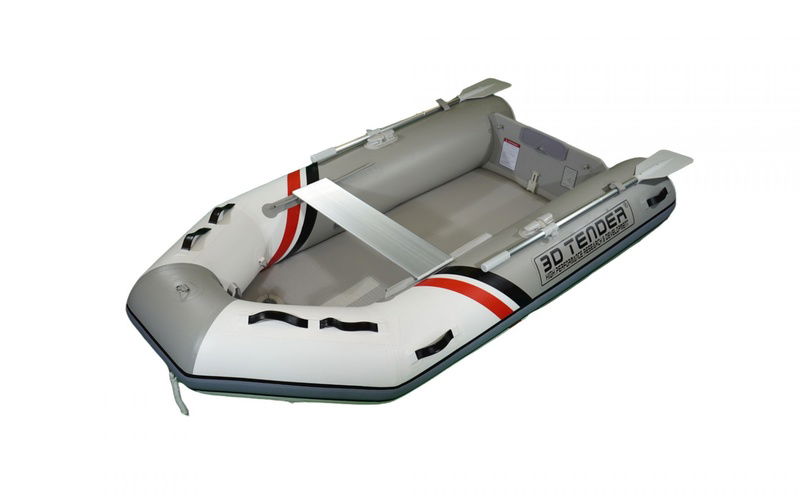


Images have been gathered from various sources and belong to their respective owners.
Review - 3D Tender Twin V-Shape 160

MarineBroker
01/09/2024, 7:11 AM
2020 3D Tender Twin V-Shape 160: A Practical Guide to Small Inflatable Boat Performance, Setup, and Everyday Use
If you’re looking at the 2020 3D Tender Twin V-Shape 160, chances are you’re trying to figure out one simple thing: is this tiny inflatable boat actually practical for real-world use? That’s a fair question. Boats in this size range can look appealing on paper, but once you start thinking about stability, comfort, transport, and what kind of water it can handle, the picture gets a lot more complicated.
The 3D Tender Twin V-Shape 160 sits in a category that attracts a lot of first-time buyers, tender owners, and boaters who want something compact and easy to manage. But small boats also come with trade-offs. Space is limited, trim matters a lot, and even a slight setup mistake can make the boat feel less capable than it should.
That’s where the real challenge begins: understanding how to get the best performance from a compact inflatable without expecting it to behave like a much larger craft. The good news is that with the right setup, loading habits, and usage expectations, a boat like this can be surprisingly useful for short trips, shore access, and calm-water runs.
- What Makes the 2020 3D Tender Twin V-Shape 160 Stand Out
The 2020 3D Tender Twin V-Shape 160 is a compact inflatable designed for convenience. Its main appeal is simple: it’s small enough to transport easily, light enough to handle without much effort, and practical for people who need a boat that doesn’t demand a trailer or a lot of storage space.
What makes it especially interesting is the twin V-shape concept. In small inflatable boats, hull design matters more than many people realize. A V-shaped configuration can help the boat track better and feel more controlled than a flatter-bottom alternative, especially when you’re dealing with light chop or short crossings.
That said, this is still a very small boat. So while the shape helps, expectations need to stay realistic. It’s best viewed as a nimble, efficient solution for short-distance use rather than a boat built for rough water or heavy loads.
- The Main Problem: Small Inflatable Boats Are Easy to Buy, Harder to Use Well
One of the biggest issues people run into with a boat like the 2020 3D Tender Twin V-Shape 160 is not the boat itself, but the mismatch between expectations and reality.
A compact inflatable often seems like the perfect solution for casual boating. But once it’s in the water, users may notice:
- Less stability than expected when moving around
- Limited room for gear, fuel, or passengers
- Sensitivity to seating position and weight distribution
- Reduced performance if underinflated or overloaded
- More motion in waves compared with larger boats
These problems are common with very small inflatables. The boat is not necessarily flawed; it just needs to be used correctly. In many cases, frustration comes from poor setup, bad loading habits, or trying to use the boat in conditions it was never meant for.
The practical solution is to treat the boat as a carefully balanced platform. Once you do that, the experience improves dramatically.
- Understanding the Twin V-Shape Design
The V-shape in a small inflatable is all about improving water handling. Instead of sitting completely flat on the surface, the hull helps the boat cut through water more cleanly. That can make a noticeable difference in steering and tracking.
For the 2020 3D Tender Twin V-Shape 160, this design can help with:
- Better directional control
- Slightly smoother ride in small waves
- Improved efficiency at low to moderate speeds
- More confident handling compared with a flat-bottom tender
However, there’s a catch. In a boat this small, hull shape can only do so much. If the boat is overloaded, poorly inflated, or trimmed badly, the benefits of the V-shape get reduced quickly.
That’s why the design should be seen as a support feature, not a magic fix. It helps most when the boat is used within its intended range.
- Who the 2020 3D Tender Twin V-Shape 160 Is Best For
This model is a good fit for people who need a compact, simple boat for specific tasks rather than all-day cruising.
It tends to work well for:
- Yacht or sailboat owners needing a tender
- Boaters who want a lightweight shore-to-boat shuttle
- People with limited storage space
- Casual users on calm lakes, canals, or sheltered waters
- Anyone who values easy launching and recovery
It is less ideal for:
- Families needing more seating space
- Users carrying heavy gear regularly
- Boaters expecting high-speed performance
- People who frequently operate in wind, chop, or open water
Knowing where the boat fits is half the battle. A lot of dissatisfaction comes from using a small tender outside its natural environment.
- How to Get Better Performance from the 2020 3D Tender Twin V-Shape 160
If you want this boat to feel stable and usable, setup matters a lot. Small changes can make a big difference in how it handles.
- Inflate it correctly
Underinflation is one of the most common reasons inflatable boats feel soft, unstable, or sluggish. A boat that isn’t inflated to the proper pressure can flex too much, sit unevenly, and respond poorly in the water.
Check the recommended pressure for each chamber and use a proper pressure gauge if possible. Temperature changes also matter, since air expands and contracts.
A good habit:
- Inflate in the shade if possible
- Recheck pressure after the boat has been in the sun
- Inspect for slow leaks before each outing
- Keep the load centered
Weight distribution is critical on a boat this small. Even a few extra kilograms in the wrong place can affect trim and steering.
Try to:
- Sit near the centerline
- Keep heavy items low and balanced
- Avoid placing all gear at the bow or stern
- Limit unnecessary cargo
If the bow rides too high or too low, handling suffers. Balanced loading makes the boat feel more predictable and safer.
- Use the right motor size
If the boat is powered, matching the motor to the hull is essential. Too much power can make the boat feel unstable or hard to control. Too little power can leave it underwhelming and inefficient.
Always follow the manufacturer’s recommendations. For a boat this size, the ideal setup is usually modest and lightweight rather than aggressive.
A smaller, properly matched motor often performs better than a heavier one that adds stress and imbalance.
- Match the water conditions
The 2020 3D Tender Twin V-Shape 160 is best in sheltered water. That means:
- Calm bays
- Marinas
- Lakes
- Rivers with light current
- Protected coastal areas
It’s not the right choice for rough open-water conditions. Small inflatable boats react quickly to wind and waves, and their low freeboard means spray and movement become more noticeable fast.
A simple rule:
If the water looks like it will keep a larger boat busy, it may already be too much for this one.
- Common Mistakes People Make with Small Inflatable Tenders
A lot of issues with compact boats come from avoidable mistakes. If you know what to watch for, you can save yourself a lot of frustration.
- Overloading the boat
This is probably the most common mistake. It’s tempting to bring extra gear “just in case,” but every extra item affects performance.
Signs of overload include:
- Slower acceleration
- Poor steering response
- Lower freeboard
- More water splashing into the boat
- A less secure feeling overall
- Ignoring trim
Trim is the boat’s balance in the water. If the stern sits too low, steering can become heavy. If the bow is too low, the boat may push through the water inefficiently.
Small boats are very sensitive to trim, so even minor changes in seating or cargo placement can matter.
- Not checking inflation before use
Inflation loss can happen gradually, especially with temperature swings or after storage. A quick check before launching can prevent a lot of problems.
- Using it in the wrong conditions
A small tender is not a mini cruiser. It’s a tool with specific strengths. When people push it beyond those strengths, disappointment usually follows.
- Practical Tips for First-Time Owners
If you’re new to the 2020 3D Tender Twin V-Shape 160, a few habits can make ownership much easier.
- Practice close to shore first
Before taking the boat on a longer run, spend time getting used to:
- Boarding and disembarking
- Turning at low speed
- Weight shifting
- Handling in wind
This helps you understand how the boat reacts before you rely on it.
- Keep essentials minimal
For a small inflatable, less is often more. Bring only what you need:
- Paddles or backup propulsion
- A compact anchor if required
- Basic repair kit
- Pump and pressure gauge
- Life jackets
- Protect the tubes and floor
Inflatable boats last longer when treated gently. Avoid dragging it over sharp surfaces, and rinse it after saltwater use.
- Store it properly
Dry storage is important. Moisture trapped in the boat can lead to damage, odor, and premature wear. If you deflate and store it often, make sure it’s completely dry first.
- Why the 2020 3D Tender Twin V-Shape 160 Can Be a Smart Choice
Despite its size, this boat can be a very smart option for the right user. Its strengths are not about luxury or speed. They’re about simplicity, portability, and ease of use.
It can be a great solution if you want:
- A boat that’s easy to launch
- Something compact for tight storage spaces
- A tender that handles better than a flat-bottom alternative
- A practical craft for short, calm-water trips
In other words, it solves a very specific problem: how to get onto the water without dealing with a big, complicated boat.
That’s valuable for a lot of boaters. Especially if your main goal is convenience rather than maximum performance.
- How to Decide If It’s Right for You
Before choosing a boat like this, ask yourself a few simple questions:
- Will I mostly use it in calm water?
- Do I need easy storage and transport?
- Am I okay with limited space?
- Is this for short trips rather than long outings?
- Can I live with a small boat’s natural limitations?
If you answered yes to most of those, the 2020 3D Tender Twin V-Shape 160 may be a very practical fit.
If not, you may want to look at a larger inflatable or a model with more carrying capacity and a wider footprint.
The key is matching the boat to the job. When that happens, satisfaction goes way up.
- Maintenance Habits That Keep It Performing Well
A small inflatable can last a long time if it’s cared for properly.
Useful maintenance habits include:
- Rinsing after saltwater use
- Checking valves and seams regularly
- Inspecting for abrasion or punctures
- Avoiding long exposure to harsh sunlight when not in use
- Storing it dry and loosely folded if possible
These steps don’t take much time, but they help preserve the boat’s shape, airtightness, and overall reliability.
For a compact craft, reliability matters even more because there’s less margin for error. Good maintenance keeps a small boat feeling solid and dependable.
- Conclusion
The 2020 3D Tender Twin V-Shape 160 is a good example of a small boat that works well when used for the right purpose. Its compact size, easy handling, and V-shaped hull make it a useful option for calm-water trips, tender duty, and simple day-to-day boating needs.
The main challenge is not the boat itself, but using it correctly. Proper inflation, balanced loading, realistic expectations, and calm-water operation all make a big difference. If you treat it as a lightweight, practical tool rather than a do-everything boat, it can be a very satisfying choice.
If you’re comparing small inflatables, it’s worth looking closely at how you plan to use the boat in real life. That’s usually the best way to find the right fit.
Specifications
General
Boat Type: Power Boats
Class Type: Rigid Inflatable Boats
Specifications
Length: 5.25
Beam: 4.23
Draft: 0.66
Hull Material: Unknown
Build
First Built: 2020
Propulsion
Fuel Type: Unleaded
Engines: 1
Power: 3 HP
Brand: Unknown
Accomodation
Berths: 1
Cabins: 1
Bathrooms: 1
PROS & CONS
What we appreciated
 Stable twin V-shape hull design provides excellent handling and smooth rideCompact size makes it easy to maneuver and transportDurable construction suitable for tender and utility purposesLightweight, allowing for easy launching and retrievalVersatile use for fishing, leisure, and as a tender for larger boats
What we didn’t appreciate
 Limited seating capacity due to smaller sizeMinimal onboard storage spaceBasic features with limited luxury or comfort optionsNot suitable for rough open water conditionsRequires careful attention to weight distribution to maintain stability
Upkeep Costs
Fuel: Approx. $1,000 - $2,000 per year depending on usage
Maintenance: $500 - $1,000 per year for engine and hull upkeep
Insurance: $300 - $700 annually
Storage: $600 - $1,200 annually if stored in a marina or dry storage
Registration and Licensing: $50 - $150 per year

Rating
4.8
User
Score
Score
Driveability
Technology
Interior
Design
Similar Boats


MarineBroker
Download now for an immersive boat experience like never before! ⛵✨ Your journey begins with a simple click. 🌊📲
#SetSailSmart #DownloadNow
#SetSailSmart #DownloadNow

Subscribe
Copyright 2017 - 2026, Marinebroker.net, All Rights Reserved