Boat Database » AB Inflatables ABJET 350 XP
AB Inflatables ABJET 350 XP
Jet Drive, Unleaded, 1x 90 HP
Power Boats 2019 AB Inflatables ABJET 350 XP: How to Solve Common Jet Tender Ownership Challenges
If you’re looking into the 2019 AB Inflatables ABJET 350 XP, chances are you already know it’s not just another small inflatable boat. It’s a c...
Discover
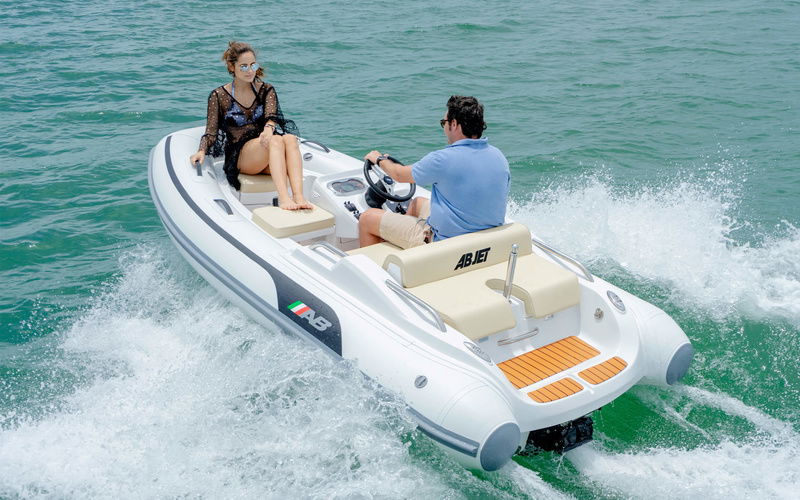
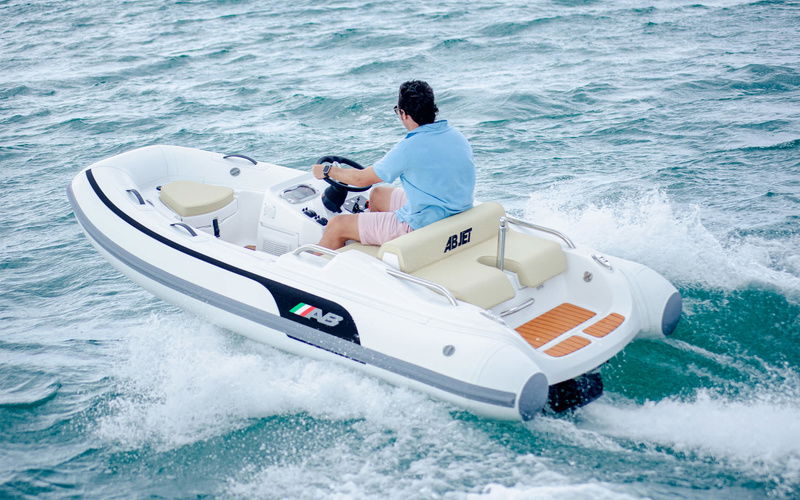
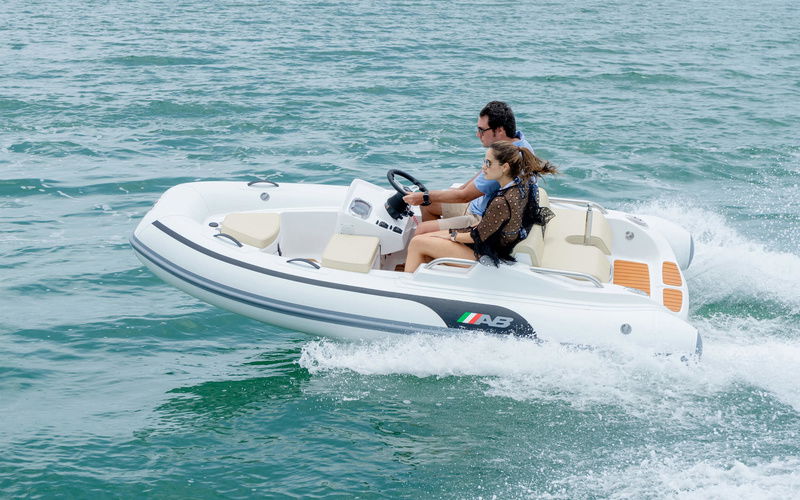
Images have been gathered from various sources and belong to their respective owners.
Review - AB Inflatables ABJET 350 XP

MarineBroker
01/16/2024, 5:42 AM
2019 AB Inflatables ABJET 350 XP: How to Solve Common Jet Tender Ownership Challenges
If you’re looking into the 2019 AB Inflatables ABJET 350 XP, chances are you already know it’s not just another small inflatable boat. It’s a compact jet tender with a lot of personality: lightweight, quick to handle, and built for boaters who want easy transport without giving up performance. But like any specialized watercraft, it comes with a few ownership questions that can catch people off guard.
The most common problem isn’t usually whether the boat is “good” or not. It’s figuring out whether it fits your real-world needs. Can it work as a tender? Is it easy to maintain? How does a jet drive change the experience compared with a propeller setup? And what should you watch for if you’re considering a used 2019 AB Inflatables ABJET 350 XP?
That’s where this guide comes in. We’ll break down the practical side of ownership, explain the most common pain points, and show you how to solve them with smart planning and a few simple habits.
- What Makes the 2019 AB Inflatables ABJET 350 XP Stand Out
The 2019 AB Inflatables ABJET 350 XP is a compact inflatable jet boat designed for versatility. At its core, it blends the portability of a rigid inflatable-style tender with the safety and convenience many boaters want for dock runs, beach landings, and short trips.
The “jet” part matters more than many first-time buyers realize. Because it uses an internal jet propulsion system instead of an exposed propeller, it’s often better suited to shallow water and areas where prop strikes are a concern. That makes it appealing for yacht owners, coastal boaters, and anyone who wants a tender that can handle tight spots with less stress.
A few reasons people are drawn to this model include:
- Compact size for easier storage and transport
- Jet propulsion for shallow-water confidence
- Inflatable construction for lighter weight
- Practical use as a tender or small runabout
- Easy boarding and handling compared with larger boats
Still, the same features that make it attractive can also create confusion. A jet-powered inflatable is not identical to a traditional outboard tender, and understanding those differences is the key to avoiding disappointment.
- The Main Problem: Choosing the Right Tender Without Guesswork
For many buyers, the real challenge is not the boat itself. It’s the uncertainty around whether the 2019 AB Inflatables ABJET 350 XP will actually solve their boating headaches.
A lot of people want a tender that is:
- Easy to launch
- Safe near docks and swimmers
- Simple to maintain
- Comfortable enough for short trips
- Reliable enough to avoid constant repairs
The problem is that inflatable jet boats sit in a middle ground. They offer a lot of convenience, but they also ask for a bit more care in ownership than a basic dinghy. If you don’t know what to expect, you may end up frustrated by maintenance needs, performance limitations, or storage issues.
The good news is that most of these issues are manageable. You just need to understand the boat’s strengths and limitations before you buy or operate it.
- Why Jet Tenders Feel Different on the Water
If you’re used to propeller-driven boats, the first ride in a jet tender can feel a little unusual. Jet propulsion changes how the boat accelerates, turns, and behaves at low speeds.
Here’s what many owners notice:
- Steering response can feel different at idle and low throttle
- Acceleration may be smoother once the jet system is properly engaged
- Shallow-water operation is less stressful
- There’s no exposed propeller, which is a big plus around people and docks
That said, jet boats are often less forgiving at very low speeds than prop boats. In tight maneuvering situations, especially when docking, the learning curve can surprise new users.
Practical solution:
Spend time practicing in open water before relying on the boat in crowded marina conditions. A few short sessions can make a huge difference in confidence. Learn how the boat responds to throttle inputs, turns, and reverse before you need to do it under pressure.
- Common Ownership Concerns and How to Handle Them
One of the best ways to get value from the 2019 AB Inflatables ABJET 350 XP is to think ahead about common ownership issues. That way, you can prevent minor annoyances from turning into bigger problems.
- Maintenance Can Be More Important Than People Expect
Jet propulsion systems are efficient, but they are not “set it and forget it.” Sand, debris, and marine growth can affect performance if the intake and pump system aren’t cared for properly.
What to watch for:
- Reduced thrust
- Strange noises from the jet unit
- Poor acceleration
- Debris buildup in the intake area
- Wear on moving parts
Practical solution:
Rinse the boat after use, especially after saltwater trips. Inspect the intake grate and jet pump area regularly. If the boat has been sitting for a while, make sure the system is checked before putting it back into heavy use.
- Storage Space Can Be Tight
The 2019 AB Inflatables ABJET 350 XP is compact, which is one of its biggest advantages. But compact boats still need proper storage, and inflatable construction adds a few considerations.
Common storage issues include:
- Finding a dry, shaded place to keep it
- Preventing UV damage
- Avoiding long-term pressure on the tubes
- Making room for fuel, gear, and accessories
Practical solution:
Store the boat clean, dry, and inflated according to manufacturer recommendations. If you’re keeping it in a marina or on a larger vessel, use covers and tie-downs that protect the tubes from abrasion. For long-term storage, avoid direct sun and make sure the boat is not resting on sharp or uneven surfaces.
- Used Boat Buyers May Miss Important Condition Checks
If you’re shopping for a used 2019 AB Inflatables ABJET 350 XP, the biggest risk is assuming the boat’s appearance tells the whole story. Inflatable boats can look good from a distance while still hiding wear in seams, valves, flooring, or propulsion components.
Key inspection points:
- Tube condition and air retention
- Seam integrity
- Floor and deck wear
- Jet drive performance
- Electrical system condition
- Signs of repairs or patching
- Trailer condition, if included
Practical solution:
Inspect the boat in daylight and, if possible, test it on the water. A sea trial can reveal issues that photos won’t show. If you’re not confident evaluating it yourself, bring along a marine technician or experienced boater.
- How to Know If the 2019 AB Inflatables ABJET 350 XP Fits Your Use Case
Not every boat is right for every boater. The 2019 AB Inflatables ABJET 350 XP tends to shine in specific situations, and knowing those situations can help you decide whether it’s the right match.
This boat is a strong fit if you:
- Need a compact tender for a yacht or larger vessel
- Operate in shallow or debris-prone waters
- Want a safer alternative to an exposed propeller around swimmers
- Value light weight and easy handling
- Mostly use the boat for short coastal trips or dock-to-shore runs
It may be less ideal if you:
- Need long-range cruising
- Want maximum fuel efficiency at all times
- Prefer the simplest possible maintenance routine
- Often operate in rough water beyond the boat’s intended use
The practical solution is to match the boat to the mission. A tender like this works best when used as designed: short, efficient trips with an emphasis on convenience and maneuverability.
- Tips for Better Performance and Longer Life
If you want to get the most out of the 2019 AB Inflatables ABJET 350 XP, a few simple habits can make a big difference. These boats tend to reward owners who stay on top of small details.
- Keep the Jet System Clean
Debris is one of the biggest enemies of jet performance. Even small bits of seaweed or sand can affect flow and reduce efficiency.
Helpful habits:
- Rinse the intake after every outing
- Remove visible debris immediately
- Check for unusual vibration or noise
- Don’t ignore a sudden drop in performance
- Watch Inflation Levels
Inflatable boats depend on proper pressure for stability and handling. Underinflated tubes can make the boat feel sluggish or unstable, while overinflation can stress seams.
Helpful habits:
- Check pressure before each use
- Adjust for temperature changes
- Follow the manufacturer’s pressure guidance
- Inspect valves for slow leaks
- Protect the Tubes
The inflatable sections are durable, but they still need care. UV exposure, rubbing against docks, and poor storage can shorten their life.
Helpful habits:
- Use fenders when docking
- Avoid dragging the boat over rough surfaces
- Apply approved UV protection products
- Cover the boat when not in use
- Stay Ahead of Routine Service
A jet tender is easiest to enjoy when it’s serviced regularly. Waiting until something feels “off” often leads to more expensive repairs.
Helpful habits:
- Follow the service schedule
- Replace worn parts early
- Check fuel and electrical systems often
- Keep a log of maintenance and repairs
- What to Look for in Real-World Owner Experience
When people talk about boats like the 2019 AB Inflatables ABJET 350 XP, the best insights often come from actual use rather than spec sheets. Owners tend to care most about reliability, ease of handling, and whether the boat is genuinely convenient day to day.
Common positive takeaways often include:
- Easy to launch and retrieve
- Comfortable for short trips
- Confidence in shallow water
- Good fit for tender duty
- Less worry about propeller hazards
Common complaints usually center on:
- Learning curve with jet handling
- Need for regular cleaning
- Limited space compared with larger boats
- Performance tradeoffs versus bigger craft
That doesn’t mean the boat has problems so much as it has tradeoffs. And once you understand those tradeoffs, the boat becomes much easier to enjoy.
- A Smart Buying Checklist for Interested Boaters
If you’re considering the 2019 AB Inflatables ABJET 350 XP, use a simple checklist before making a decision. It can save you time, money, and frustration.
Before buying, ask:
1. What will I use the boat for most often?
2. Do I need jet propulsion, or would a different setup work better?
3. Is the boat stored properly and maintained on schedule?
4. Are the tubes, floor, and jet system in good condition?
5. Does the boat come with service records?
6. Will I be comfortable operating and docking a jet boat?
If you can answer those questions confidently, you’re much more likely to make a good purchase.
- Final Thoughts on Solving the 2019 AB Inflatables ABJET 350 XP Ownership Puzzle
The 2019 AB Inflatables ABJET 350 XP can be a very practical choice for boaters who want a compact, shallow-water-friendly tender with a safer propulsion setup around docks and swimmers. The key is understanding what it does well and where it needs a little more attention. Most of the common problems people face are not deal-breakers; they’re simply the result of not planning for maintenance, storage, and jet-specific handling.
If you’re evaluating this boat, focus on real use, not just appearance. Inspect carefully, learn the handling characteristics, and keep up with routine care. With the right approach, this model can deliver exactly what many boaters want: simple, dependable, and stress-free time on the water. If you’re exploring more options, comparing similar jet tenders can also help you find the best fit for your boating style.
Specifications
General
Boat Type: Power Boats
Class Type: Rigid Inflatable Boats
Specifications
Length: 11.29
Beam: 5.74
Draft: 0.98
Hull Material: GRP
Build
First Built: 2019
Propulsion
Fuel Type: Unleaded
Engines: 1
Power: 90 HP
Brand: Unknown
Accomodation
PROS & CONS
What we appreciated
 High-performance jet propulsion system provides excellent maneuverability and speedSturdy and durable Hypalon inflatable tubes resistant to abrasions and UV damageLightweight and easy to transport compared to traditional rigid boatsSpacious deck layout with comfortable seating for multiple passengersLow draft allowing access to shallow waters and beach landings
What we didn’t appreciate
 Jet propulsion can be less fuel efficient compared to traditional propeller systemsSmaller size limits long-distance cruising and storage capacityInflatable tubes require regular maintenance to prevent punctures and leaksHigher initial purchase price compared to some other inflatables of similar sizeLess suitable for heavy loads or rough open sea conditions due to size and design
Upkeep Costs
Fuel: Approximately $1,500 - $3,000 per year depending on usage
Maintenance: Around $500 - $1,000 per year for engine servicing and hull upkeep
Insurance: Typically $300 - $700 annually
Storage: Varies from $600 - $1,200 per year depending on location
Registration and Licensing: Approximately $100 - $200 per year
Rating
5.6
User
Score
Score
Driveability
Technology
Interior
Design
Similar Boats


MarineBroker
Download now for an immersive boat experience like never before! ⛵✨ Your journey begins with a simple click. 🌊📲
#SetSailSmart #DownloadNow
#SetSailSmart #DownloadNow

Subscribe
Copyright 2017 - 2026, Marinebroker.net, All Rights Reserved