Boat Type: Power Boats
Boat Class: Mega Yacht
Length: 124.67 ft
Berths: 8
Cabins: 5
Bathrooms: 4
Max Persons: 12
Boat Database » Sanlorenzo Souraya
Sanlorenzo Souraya
Inboard Direct-Drive, Diesel, 2x 1999 HP
Power Boats 2012 Sanlorenzo Souraya: What Buyers and Enthusiasts Should Know Before They Explore Further
If you’ve been searching for information on the 2012 Sanlorenzo Souraya, you’re probably trying to do more than just admire a beautiful ...
Discover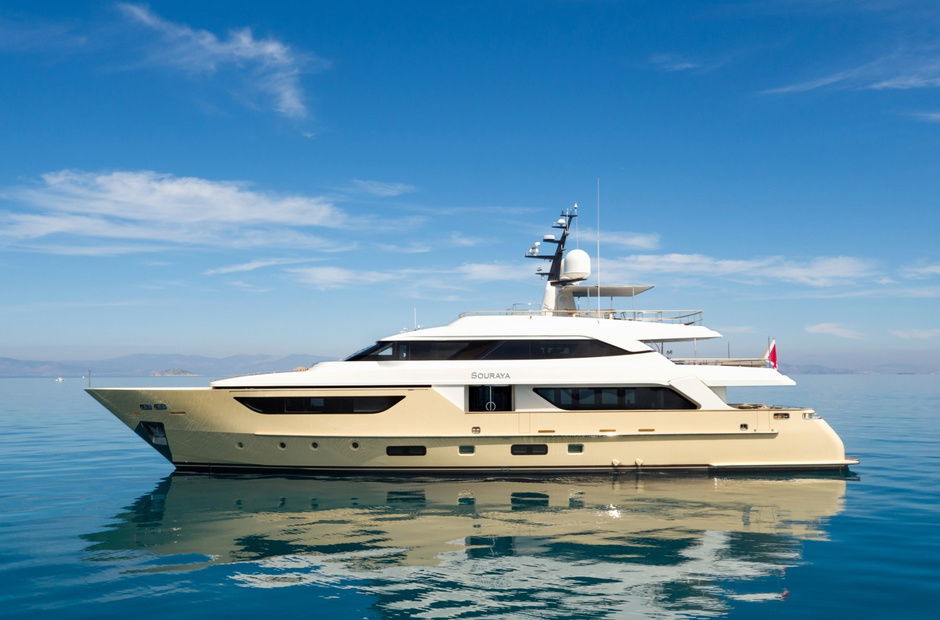
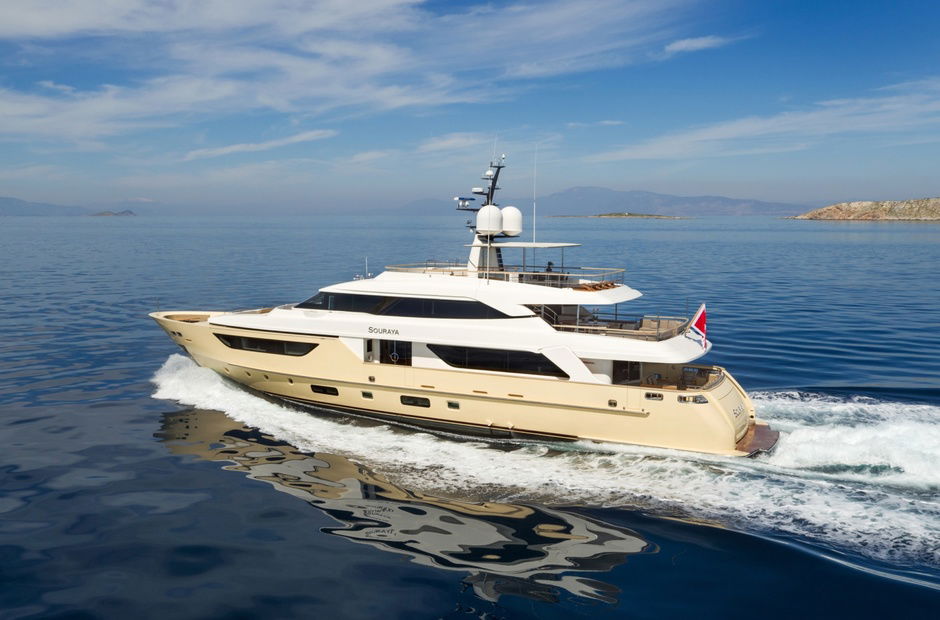


Images have been gathered from various sources and belong to their respective owners.
Review - Sanlorenzo Souraya

MarineBroker
01/02/2024, 4:03 AM
2012 Sanlorenzo Souraya: What Buyers and Enthusiasts Should Know Before They Explore Further
If you’ve been searching for information on the 2012 Sanlorenzo Souraya, you’re probably trying to do more than just admire a beautiful yacht listing. Most people at this stage want clarity: what makes this yacht special, what to check before getting serious, and how to avoid expensive surprises. That’s a smart approach, especially with a vessel like this, where reputation, craftsmanship, and condition all matter just as much as the name on the hull.
The challenge is that yachts from this era can look fantastic in photos but still vary a lot in maintenance history, refit quality, onboard systems, and long-term ownership costs. That’s where many buyers and enthusiasts get stuck. They know they like the yacht, but they’re unsure how to judge whether it’s genuinely a strong opportunity.
The good news is that with the right checklist and a practical approach, you can evaluate a yacht like the 2012 Sanlorenzo Souraya with confidence. In this article, we’ll walk through what makes this model interesting, what common concerns to look out for, and how to assess whether it fits your goals.
- Why the 2012 Sanlorenzo Souraya gets attention
Sanlorenzo has built a strong reputation in the superyacht world for clean design, custom craftsmanship, and a more refined, owner-focused approach than many mass-production builders. That matters because buyers interested in a 2012 Sanlorenzo Souraya are usually looking for something with a bit more personality and quality than the average used yacht.
A yacht from 2012 also sits in an interesting sweet spot. It’s old enough that major depreciation has often already happened, but new enough that it may still offer modern styling, performance, and onboard comfort if it has been properly maintained or refitted.
For many readers, the appeal comes down to three things:
- Elegant Italian design
- Strong build quality and customization
- A balance of luxury and practical cruising capability
That said, the name alone should never be the only reason to move forward. With any pre-owned yacht, especially one in the luxury segment, the real question is not “Is it beautiful?” but “Is it well cared for, and does it match my intended use?”
- The real problem buyers face with a yacht like the 2012 Sanlorenzo Souraya
The biggest issue is not finding interest in the yacht. It’s separating presentation from condition.
A pre-owned yacht can be listed with stunning photos, polished interiors, and a good reputation, but the actual value depends on details like:
- Engine hours and service records
- Generator condition
- Electronics and navigation upgrades
- Hull and paint maintenance
- Interior wear and moisture issues
- Crew care and ownership history
- Past refits or repairs
For a yacht like the 2012 Sanlorenzo Souraya, the buyer’s problem is often uncertainty. People want to know if they are buying a well-kept vessel or inheriting a maintenance project with a luxury finish.
This is especially important because boats are not like cars. A yacht can look excellent on the surface while hiding expensive issues below deck. Even a small oversight in survey planning can lead to major costs later.
- What to look at first when evaluating the 2012 Sanlorenzo Souraya
Before you get too deep into specifications or décor, start with the fundamentals. A smart evaluation always begins with the parts of the yacht that affect safety, reliability, and long-term ownership.
Here’s the order that usually makes the most sense:
1. Maintenance history
Ask for service logs, refit records, and any documentation of major work completed. Consistent maintenance is one of the best indicators of a well-run yacht.
2. Engine and machinery condition
Check hours, service intervals, cooling systems, fuel system condition, and any signs of unusual wear. Engines that have been regularly maintained are far more valuable than lightly used but neglected ones.
3. Electrical and navigation systems
Technology from 2012 may still be perfectly usable, but many yachts benefit from upgrades. Look for modernized chart plotting, radar, communication systems, and monitoring equipment.
4. Hull and structural integrity
A professional survey should always include a close look at the hull, moisture levels, and any evidence of repairs. This is where hidden issues often show up.
5. Interior condition and livability
Cabin finishes, soft goods, appliances, and air-conditioning systems matter more than many first-time buyers realize. These affect daily comfort and refit cost.
A yacht’s appearance can be improved relatively quickly. The hard part is ensuring the mechanical and structural side is equally strong.
- How to solve the uncertainty: use a layered inspection approach
The practical solution for evaluating a yacht like the 2012 Sanlorenzo Souraya is to avoid relying on one source of information. Instead, use a layered inspection approach that combines documents, expert review, and sea trial performance.
This method helps you reduce risk and make a more informed decision.
- Step 1: Review the paperwork
Start with the yacht’s documentation. You want to understand:
- Ownership history
- Flag and registration details
- VAT or tax status, where applicable
- Insurance history
- Service and warranty records
- Any accident, grounding, or major repair history
If the paperwork is incomplete or inconsistent, that’s a warning sign. Good records usually reflect good ownership.
- Step 2: Bring in a qualified marine surveyor
A proper survey is not optional for a serious buyer. The surveyor should inspect the vessel’s structure, mechanical systems, safety equipment, and visible signs of damage or neglect.
For a yacht in this class, it’s also worth involving specialists for:
- Engines and generators
- Electronics
- HVAC systems
- Stabilizers, if fitted
- Tender and toy equipment, if included
The goal is to catch problems before they become your problem.
- Step 3: Conduct a real sea trial
A sea trial tells you how the yacht actually behaves under load. This is where you can assess:
- Acceleration and cruising performance
- Noise and vibration
- Steering response
- Temperature stability
- System alarms or faults
- Comfort underway
A yacht may look perfect tied to the dock but reveal issues once it’s operating at cruising speed.
- Step 4: Estimate ownership costs honestly
This is where many buyers make mistakes. They focus on the purchase price and underestimate ongoing expenses.
For a yacht like the 2012 Sanlorenzo Souraya, you should budget for:
- Annual maintenance
- Dockage or marina fees
- Crew costs, if applicable
- Insurance
- Fuel
- Routine servicing
- Cosmetic upkeep
- Unexpected repairs
A realistic ownership budget helps you decide whether the yacht is truly a good fit, not just whether it’s attractive on paper.
- Why Sanlorenzo’s design approach matters
One reason Sanlorenzo yachts continue to attract attention is their design philosophy. Rather than building a one-size-fits-all product, the brand is known for creating yachts with a more tailored feel. That often translates into better use of space, more refined interiors, and a layout that feels closer to a custom home than a standard boat.
For buyers and enthusiasts considering the 2012 Sanlorenzo Souraya, this matters because layout and livability can be just as important as speed or size.
A well-designed yacht should offer:
- Efficient circulation between guest and crew areas
- Comfortable social spaces
- Practical storage
- Good visibility from helm and salons
- A layout that supports both entertaining and relaxing
If you plan to use the yacht for family cruising, private retreats, or hosting guests, these details will shape your overall experience far more than a glossy brochure ever will.
- Common red flags to watch for
Even a well-known yacht can have issues. When evaluating a pre-owned vessel, look out for these common warning signs:
- Poorly documented maintenance
- Mismatched or patched-up interior finishes
- Evidence of water intrusion
- Strong odors in enclosed spaces
- Corrosion around fittings or machinery
- Outdated electronics with no upgrade plan
- Excessive wear relative to claimed usage
- Signs of rushed cosmetic repairs
These don’t automatically mean the yacht is a bad buy, but they do mean you need more investigation.
A good rule of thumb: if something looks unusually cheap to fix, it may not actually be cheap once hidden damage is included.
- How enthusiasts can judge whether the yacht is worth attention
Not everyone searching for the 2012 Sanlorenzo Souraya is ready to buy. Some are simply researching, comparing models, or learning what makes this yacht stand out. If that’s you, focus on the qualities that make a yacht memorable over time.
Ask these questions:
- Does the layout still feel relevant today?
- Has the yacht aged gracefully?
- Are the systems modern enough for current expectations?
- Does the design support the way people actually use yachts now?
- Has the vessel likely been cared for by knowledgeable owners?
A yacht that remains appealing after more than a decade usually has strong bones. That means thoughtful design, quality materials, and a platform that can be refreshed rather than replaced.
- Practical tips for a smarter buying decision
If you’re seriously considering a yacht in this category, a few simple habits can save you a lot of stress.
- Don’t rush the process
Luxury yachts often create emotional pressure because they feel rare. Take your time and verify everything.
- Compare with similar yachts
Look at comparable 2012 models from other quality builders. This helps you understand whether the asking price and condition are realistic.
- Think about your use case
A yacht that’s perfect for weekend cruising may not be ideal for extended family trips or charter-style entertaining.
- Budget for upgrades
Even excellent yachts often need updates to electronics, soft furnishings, or entertainment systems.
- Prioritize condition over cosmetics
A fresh look is nice, but mechanical reliability and maintenance history matter much more.
This mindset is the best solution to the common problem of overpaying for a yacht that looks better than it performs.
- Why a professional broker and survey team still matter
Even experienced buyers benefit from expert support. A good broker can help interpret market value, compare listings, and flag issues in the yacht’s history. A surveyor and technical specialists can then verify what the broker can’t.
For the 2012 Sanlorenzo Souraya, that team approach is especially useful because yachts in this segment can involve multiple layers of complexity:
- Custom options
- Previous refits
- Imported equipment
- International ownership history
- Varying standards of upkeep
The right professionals help turn a vague interest into a confident decision.
- What a well-kept 2012 yacht should give you
When a yacht from 2012 has been properly maintained, it can still offer a lot of value. You may get:
- Proven design and build quality
- Mature systems that are easier to understand
- Lower depreciation than a new yacht
- A more attractive price point than current new-build alternatives
- A platform that may already have had key upgrades completed
That’s why buyers often focus on yachts like the 2012 Sanlorenzo Souraya. The opportunity is not just about owning a prestigious name. It’s about finding a vessel with enough history to judge, enough quality to trust, and enough potential to enjoy for years.
- Conclusion
The 2012 Sanlorenzo Souraya stands out because it combines Italian yacht design, strong brand reputation, and the potential for excellent long-term value if it has been properly maintained. The main challenge for buyers is not finding interest, but verifying condition, history, and true ownership cost before making a move.
The best solution is a careful, layered approach: review the records, inspect the systems, complete a professional survey, and test the yacht underway. That process helps you separate a genuinely well-kept yacht from one that only looks impressive. If you’re researching this model further, focus on practical details first and aesthetics second. That’s the smartest way to turn curiosity into confidence.
Specifications
General
Boat Type: Power Boats
Class Type: Mega Yacht
Specifications
Length: 124.67
Beam: 26.25
Draft: 7.22
Hull Material: GRP
Build
First Built: 2012
Propulsion
Fuel Type: Diesel
Engines: 2
Power: 1999 HP
Brand: Caterpillar
Accomodation
Berths: 8
Cabins: 5
Bathrooms: 4
PROS & CONS
What we appreciated
 Luxurious Italian design with high-quality craftsmanshipSpacious and well-appointed interiors suitable for extended cruisingPowerful engines offering good performance and speedStable and comfortable ride due to solid hull constructionAmple outdoor deck space for relaxation and entertaining
What we didn’t appreciate
 Older model may require more maintenance and updatesFuel consumption can be high given size and engine powerLimited availability of parts due to brand exclusivityRelatively high operating and docking costsInterior design might feel slightly dated compared to newer models
Upkeep Costs
Annual maintenance: $30,000 - $50,000
Fuel: $100,000 - $150,000 per year (depending on usage)
Dockage/Marina fees: $20,000 - $60,000 per year
Insurance: $15,000 - $25,000 per year
Crew salaries: $150,000 - $250,000 per year
Rating
8.4
User
Score
Score
Driveability
Technology
Interior
Design
Similar Boats


MarineBroker
Download now for an immersive boat experience like never before! ⛵✨ Your journey begins with a simple click. 🌊📲
#SetSailSmart #DownloadNow
#SetSailSmart #DownloadNow

Subscribe
Copyright 2017 - 2026, Marinebroker.net, All Rights Reserved