Boat Type: Power Boats
Boat Class: Mega Yacht
Length: 122.83 ft
Berths: 6
Cabins: 5
Bathrooms: 5
Max Persons: 12
Boat Database » Sanlorenzo SD122
Sanlorenzo SD122
Inboard Direct-Drive, Diesel, 2x 1624 HP
Power Boats 1998 Sanlorenzo SD122: What Buyers Should Know Before You Buy, Survey, or Refine Your Search
If you’re looking at a 1998 Sanlorenzo SD122, you’re probably already drawn to the classic lines, spacious layout, and that old-school I...
Discover


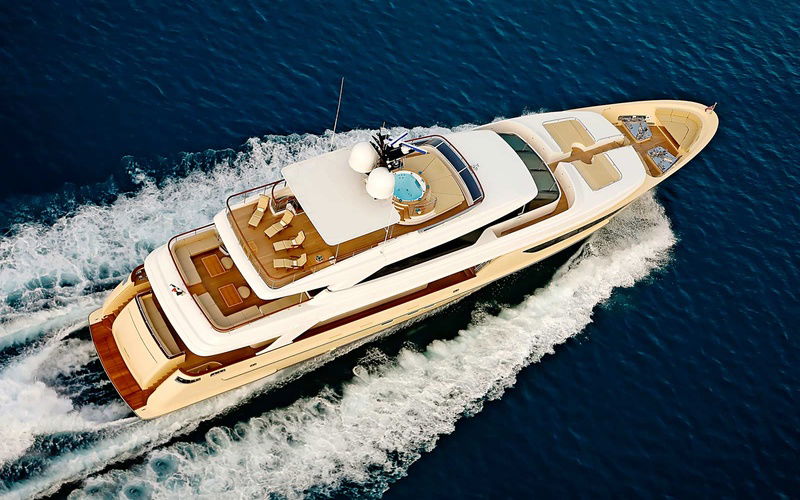
Images have been gathered from various sources and belong to their respective owners.
Review - Sanlorenzo SD122

MarineBroker
01/04/2024, 8:06 AM
1998 Sanlorenzo SD122: What Buyers Should Know Before You Buy, Survey, or Refine Your Search
If you’re looking at a 1998 Sanlorenzo SD122, you’re probably already drawn to the classic lines, spacious layout, and that old-school Italian superyacht feel that still turns heads today. Boats like this have a lot going for them: serious presence, generous volume, and a reputation for comfortable long-range cruising. But with a yacht of this age, the real challenge isn’t just admiring the design — it’s knowing what to check, what to expect, and how to avoid expensive surprises.
That’s where many buyers get stuck. A 1998 yacht can be a fantastic purchase, but only if you understand the hidden costs, maintenance history, and survey points that matter most. Cosmetic condition can be misleading. A polished exterior doesn’t tell you much about engines, systems, tanks, wiring, or structural wear.
The good news? With the right approach, you can separate a strong opportunity from a money pit. In this article, we’ll walk through the key things to know about the 1998 Sanlorenzo SD122, the most common risks to watch for, and practical ways to evaluate whether it’s the right yacht for your plans.
- Why the 1998 Sanlorenzo SD122 Still Attracts Buyers
The 1998 Sanlorenzo SD122 sits in a sweet spot for buyers who want a large, elegant yacht without stepping into brand-new pricing. At around 122 feet, it offers the kind of interior volume and deck space that make it appealing for private cruising, charter potential, or extended time aboard.
Sanlorenzo has long been respected for building yachts with a strong focus on layout efficiency, custom detailing, and a refined onboard feel. Even older examples often still have a timeless profile and a practical arrangement that works well for families or guests.
What makes this model especially interesting is that it belongs to an era when many yachts were built with robust construction, but before the complexity of modern electronics and ultra-high-tech systems became standard. That can be a plus for owners who value simplicity, but it also means age-related wear needs close attention.
- The Main Problem: Age-Related Risk Hidden Behind a Beautiful Exterior
The biggest issue with a yacht like the 1998 Sanlorenzo SD122 is not whether it looks good — it usually does. The real problem is that older superyachts often hide expensive maintenance needs beneath the surface.
Common buyer concerns include:
- Outdated navigation and electronics
- Engine and generator hours that don’t match the asking price
- Aging plumbing, pumps, and tanks
- Electrical systems that may have been modified over time
- Interior wear that suggests more extensive use than advertised
- Hull, deck, or moisture issues that may not be obvious at first glance
In other words, the boat may appear ready to go, but the reality could be very different after a survey. Many buyers underestimate refit costs because they focus on purchase price alone. On a yacht this size, the “real price” often includes upgrades, repairs, yard time, and ongoing maintenance.
- What Makes the 1998 Sanlorenzo SD122 a Smart Candidate for the Right Buyer
Not every older yacht is a risky buy. In fact, the 1998 Sanlorenzo SD122 can be a very smart choice if it has been properly maintained and updated.
Here’s why:
- It offers substantial volume for the money
- The layout is often very liveable for owners and guests
- Older yachts can sometimes be negotiated more effectively than newer ones
- A well-kept example may already have had major systems refreshed
- Classic Sanlorenzo styling still holds appeal in the brokerage market
For many buyers, the value is not in “newness” but in getting a large, capable yacht that has already absorbed the steepest depreciation. If the hull, machinery, and core systems are solid, you may be looking at a platform that can still deliver years of enjoyment.
The key is not to buy based on emotion alone. You want evidence, documentation, and a realistic plan for ownership.
- The Most Important Checks Before Buying a 1998 Sanlorenzo SD122
If you’re seriously considering this yacht, the survey process is where the real answers come from. A good survey should go beyond a basic walkthrough.
Focus on these areas first:
- Engine condition and service records
- Generator hours and maintenance history
- Stabilizers, if fitted, and their service status
- Fuel tanks and fuel polishing systems
- Freshwater and blackwater plumbing condition
- AC systems and chillers
- Electrical panels, batteries, chargers, and inverters
- Moisture readings in decks and superstructure
- Evidence of past repairs, collisions, or structural work
- Safety equipment compliance
A clean-looking boat can still have serious hidden issues. For example, soft decking around hardware or moisture intrusion near windows may not be obvious without the right tools. Likewise, an engine may run fine during a short sea trial while still needing major work due to deferred maintenance.
A marine surveyor and an experienced engineer are worth every dollar on a yacht of this size.
- Common Age-Related Issues on Older Sanlorenzo Yachts
While every yacht is different, older superyachts like the 1998 Sanlorenzo SD122 often share a few predictable wear points.
- Electrical wear
Older yachts frequently have systems added or modified over the years. That can lead to messy wiring, overloaded circuits, or components that no longer match modern standards.
- Plumbing and tank issues
Freshwater tanks, blackwater systems, hoses, and pumps can deteriorate with age. Smells, leaks, or weak pressure are often signs that deeper maintenance is needed.
- Interior fatigue
Cabinet hinges, upholstery, flooring, and soft furnishings may look like simple cosmetic issues, but they can also reveal how heavily the yacht has been used and how well it’s been cared for.
- Engine room neglect
A clean engine room is usually a good sign, but don’t stop there. Look for corrosion, hose aging, oil seepage, and service log consistency. A well-kept engine room often reflects overall ownership discipline.
- Window and seal problems
Older yachts may develop leaks around windows, hatches, or deck fittings. Even small leaks can lead to bigger headaches like hidden moisture or interior damage.
- How to Judge Whether the Asking Price Makes Sense
One of the hardest parts of buying a yacht like the 1998 Sanlorenzo SD122 is figuring out whether the asking price is actually fair.
A good way to think about it is this: compare the price not only to similar yachts on the market, but also to the likely cost of bringing the boat up to your expected standard.
Ask yourself:
- Are the engines and generators current on service?
- Has the yacht had recent cosmetic or technical refits?
- Are navigation and control systems modern enough for your use?
- Will you need to spend heavily in the first 12–24 months?
- Does the condition justify paying a premium, or should you negotiate?
A lower purchase price isn’t always the better deal if the yacht needs a major systems overhaul. On the other hand, a more expensive example with strong records and recent upgrades may save you time and money in the long run.
- Practical Solution: Use a “Total Ownership” Mindset
The best solution for anyone evaluating a 1998 Sanlorenzo SD122 is to shift from “Can I afford the purchase?” to “Can I afford the full ownership picture?”
That means factoring in:
- Survey and haul-out costs
- Immediate repairs found during inspection
- Refit or modernization budget
- Annual maintenance
- Crew or management costs, if applicable
- Insurance and docking
- Unexpected downtime and contingency funds
A useful rule of thumb for older yachts is to keep a reserve budget for post-purchase work. Even a well-maintained vessel can reveal a few surprises once opened up, tested, and used regularly.
This mindset helps you avoid one of the most common mistakes in yacht buying: spending all your budget on the purchase and leaving nothing for the work that makes the yacht truly usable.
- What a Strong Example of the 1998 Sanlorenzo SD122 Looks Like
A good candidate usually shows a pattern of responsible ownership. You’re looking for consistency, not perfection.
Positive signs include:
- Detailed service records
- Regular yard periods and documented maintenance
- Upgraded electronics or navigation systems
- Clean machinery spaces
- No obvious signs of chronic water intrusion
- Interior condition that matches the age and usage
- Evidence of professional management or experienced crew
If the yacht has had major refit work already completed, that can be a big advantage. But be sure the work was done properly, with documentation. Quality refits should be supported by invoices, specifications, and photos where possible.
A yacht with a few cosmetic flaws but excellent technical upkeep is often a better buy than a flawless-looking boat with poor records.
- Negotiation Tips for Buyers
Older yachts often leave room for negotiation, especially if the survey reveals items that need attention. The key is to negotiate based on facts, not just a general feeling that the boat is “old.”
Useful leverage points include:
- Deferred maintenance
- Outdated equipment
- Survey findings
- Missing service documentation
- Cosmetic wear that reflects larger upkeep needs
- Immediate yard work required before delivery
Be specific. If the survey shows aging batteries, worn hoses, or outdated chart plotters, those are real costs you can quantify. That makes your offer more grounded and easier to justify.
At the same time, avoid over-negotiating on a genuinely well-kept yacht. Good examples are harder to find than many buyers expect, and the best ones often move quickly.
- Who the 1998 Sanlorenzo SD122 Is Best Suited For
This yacht is a strong fit for buyers who:
- Appreciate classic yacht styling
- Want a large platform with real onboard volume
- Are comfortable managing an older vessel
- Have a realistic refit or maintenance budget
- Value space and comfort over the latest technology
It may be less suitable for buyers who want a turnkey, low-maintenance experience with minimal technical involvement. Older superyachts can absolutely be rewarding, but they require more hands-on management and a little more patience.
If you enjoy the process of refining and personalizing a yacht, though, the 1998 Sanlorenzo SD122 can be a very satisfying choice.
- Final Buying Advice: Don’t Skip the Technical Deep Dive
The smartest way to approach a 1998 Sanlorenzo SD122 is to treat it like a technical project first and an emotional purchase second. The style, size, and reputation may draw you in, but the survey, records, and maintenance history should decide the deal.
Take your time, involve the right professionals, and budget realistically. If the yacht checks out structurally and mechanically, you may end up with a beautiful classic superyacht that offers excellent value for its size.
If it doesn’t check out, walk away. There will always be another boat, but there isn’t another easy way to recover from a bad purchase.
The smartest buyers are not the ones who move fastest. They’re the ones who buy with clear eyes and a solid plan.
The 1998 Sanlorenzo SD122 can be a fantastic opportunity for the right buyer, but only when the numbers, records, and condition all line up. Focus on survey results, maintenance history, and total ownership costs rather than just the asking price. That approach helps you avoid expensive surprises and gives you a much clearer picture of the yacht’s real value. If you’re exploring one now, take the time to compare examples, review documentation carefully, and speak with a marine surveyor or broker who knows older superyachts well. A little due diligence upfront can make all the difference later.
Specifications
General
Boat Type: Power Boats
Class Type: Mega Yacht
Specifications
Length: 122.83
Beam: 26.25
Draft: 7.35
Hull Material: GRP
Build
First Built: 1998
Propulsion
Fuel Type: Diesel
Engines: 2
Power: 1624 HP
Brand: Caterpillar
Accomodation
Berths: 6
Cabins: 5
Bathrooms: 5
PROS & CONS
What we appreciated
 Classic and elegant Italian design with timeless appealSpacious and luxurious interior suitable for comfortable cruisingSolid build quality with durable materialsGood performance for a yacht of its size and eraWell-suited for long-range cruising with ample fuel capacity
What we didn’t appreciate
 Older model may require significant maintenance and updatesLess advanced technology and navigation systems compared to modern yachtsPotentially higher operating costs due to aged engines and systemsLimited availability of original replacement partsInterior design and amenities may feel outdated to some buyers
Upkeep Costs
Annual maintenance and repairs: $25,000 - $50,000
Fuel costs: $300,000 - $500,000 per year (depending on usage)
Crew salaries: $200,000 - $400,000 per year
Insurance: $50,000 - $100,000 per year
Dockage and marina fees: $30,000 - $60,000 per year
Rating
6.9
User
Score
Score
Driveability
Technology
Interior
Design
Similar Boats


MarineBroker
Download now for an immersive boat experience like never before! ⛵✨ Your journey begins with a simple click. 🌊📲
#SetSailSmart #DownloadNow
#SetSailSmart #DownloadNow

Subscribe
Copyright 2017 - 2026, Marinebroker.net, All Rights Reserved