Boat Type: Power Boats
Boat Class: Mega Yacht
Length: 98.43 ft
Berths: 6
Cabins: 4
Bathrooms: 4
Max Persons: 9
Boat Database » Sanlorenzo Las Brisas
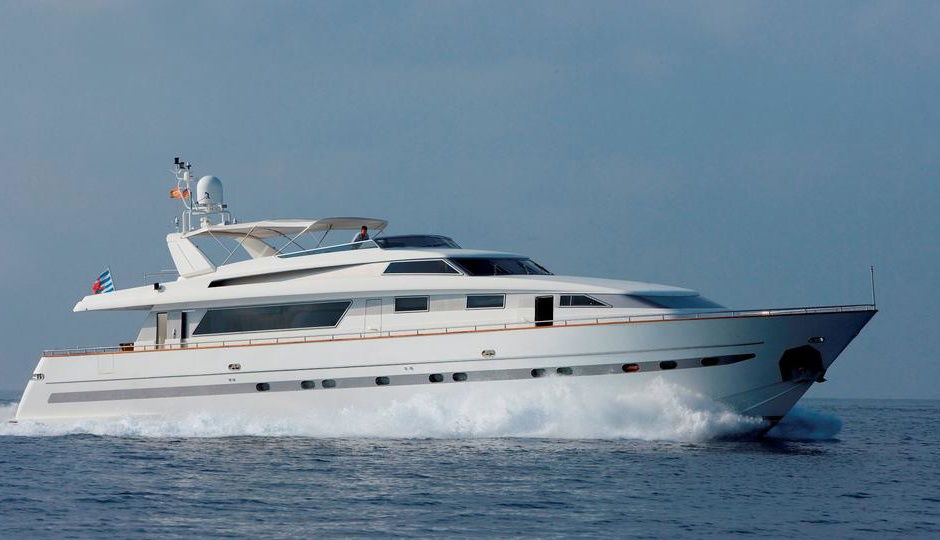
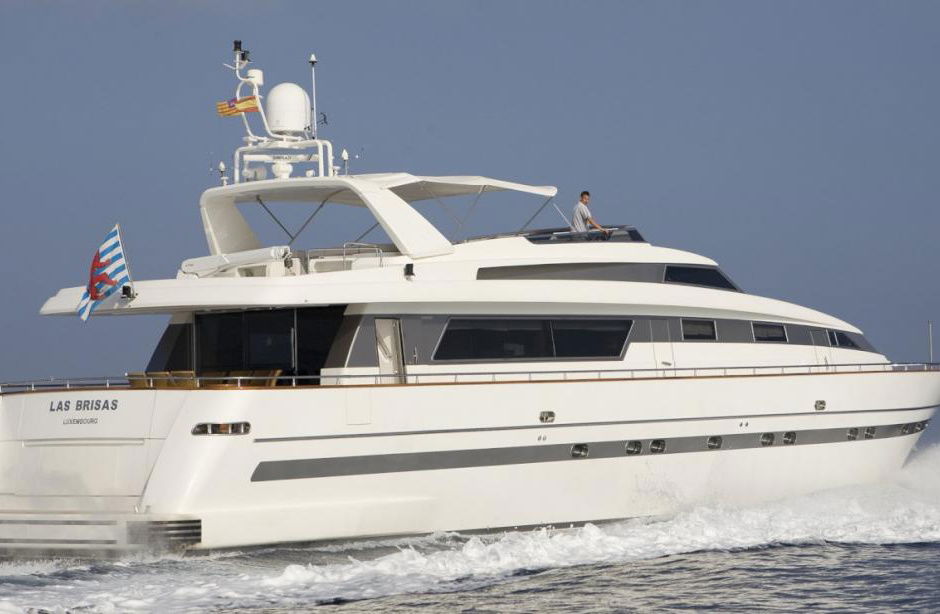
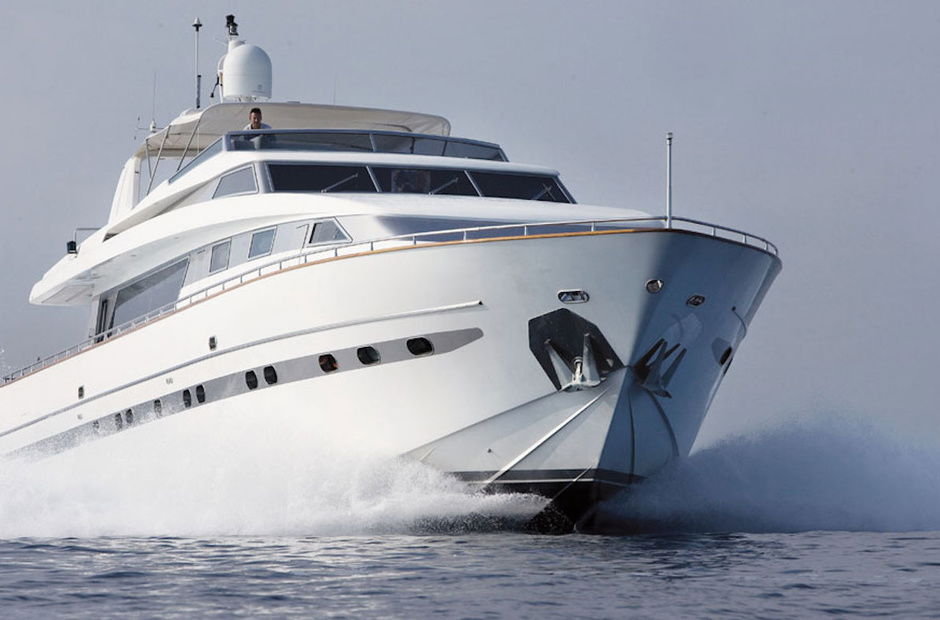
Sanlorenzo Las Brisas
Inboard Direct-Drive, Diesel, 2x 2285 HP
Power Boats 2002 Sanlorenzo Las Brisas: What Buyers and Owners Should Know Before Making a Move
If you’re looking at a 2002 Sanlorenzo Las Brisas, chances are you’re not just browsing casually. You’re probably trying to figure out whether th...
Discover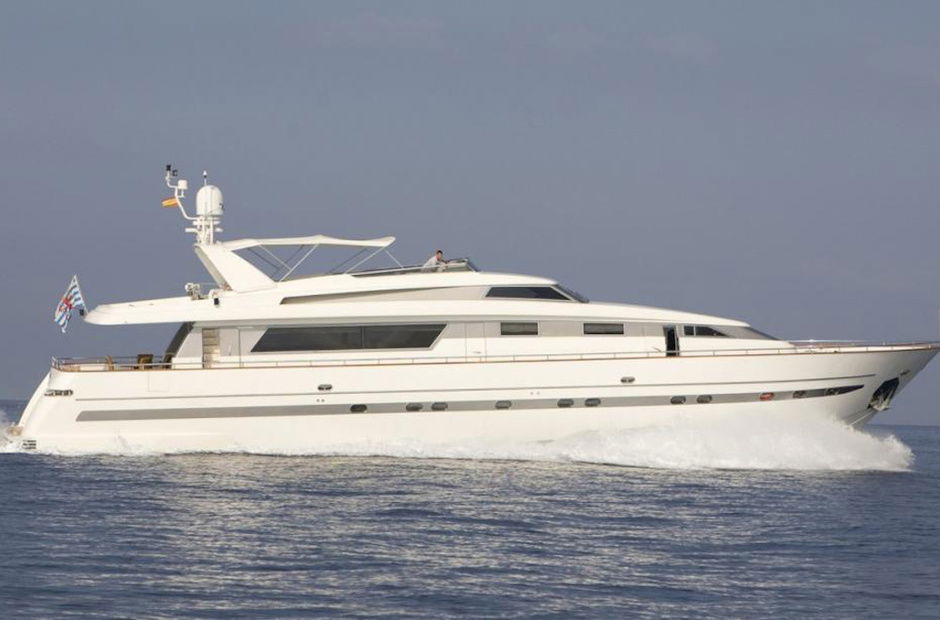
Images have been gathered from various sources and belong to their respective owners.
Review - Sanlorenzo Las Brisas

MarineBroker
12/30/2023, 5:41 AM
2002 Sanlorenzo Las Brisas: What Buyers and Owners Should Know Before Making a Move
If you’re looking at a 2002 Sanlorenzo Las Brisas, chances are you’re not just browsing casually. You’re probably trying to figure out whether this yacht is still a smart choice, what condition issues to watch for, and how to avoid expensive surprises. That’s a very normal place to be, especially with a yacht that has real pedigree but also the age-related questions that come with a 2002 build.
The biggest challenge for many interested buyers is simple: how do you tell a well-kept classic from one that will eat into your budget after purchase? On paper, a yacht like the 2002 Sanlorenzo Las Brisas can look like a great opportunity, offering strong design, comfort, and brand reputation. But the real value depends on maintenance history, refit quality, machinery condition, and how the boat has been used over the years.
The good news is that with the right checklist and a practical approach, you can make a much more confident decision. In this article, we’ll break down what makes this yacht appealing, where the common risks lie, and how to evaluate it properly so you can move forward with clarity.
- Why the 2002 Sanlorenzo Las Brisas Still Catches Attention
Sanlorenzo has long been known for building yachts that balance style, craftsmanship, and seaworthiness. A 2002 model from this yard can still feel relevant today if it has been cared for properly.
For many buyers, the appeal comes down to a few things:
- Timeless exterior and interior styling
- Strong build quality compared with many production yachts of the same era
- A layout that may still suit family cruising or entertaining
- Better value than buying new, especially in a softer secondhand market
The name itself carries weight too. Sanlorenzo yachts are often associated with custom or semi-custom construction, which means the boat may have features that set it apart from more standardized vessels.
That said, age matters. A yacht built in 2002 is old enough that systems, finishes, and mechanical components may have been updated, repaired, or partially neglected over time. This is where smart buyers separate themselves from hopeful ones.
- The Real Problem: Buying a Classic Yacht Without Knowing Its True Condition
The main issue with a yacht like the 2002 Sanlorenzo Las Brisas is not the brand or the model year. It’s uncertainty.
A yacht can look polished in photos and still hide problems beneath the surface. Common risks include:
- Outdated or poorly maintained engines
- Aging generators
- Electrical issues from years of modifications
- Water intrusion in decks, windows, or fittings
- Worn upholstery, joinery, and soft goods
- Previous refits that were cosmetic rather than structural
- Lack of documentation for service and repairs
For buyers, the danger is overestimating the boat’s value based on appearance alone. For current owners, the risk is letting small issues build into expensive repairs.
This is especially important if you’re planning to cruise regularly. A yacht that spends more time in the yard than on the water quickly becomes frustrating and costly.
- What Makes the 2002 Sanlorenzo Las Brisas Worth Considering
Even with the age-related concerns, there are good reasons people still look at a yacht like this.
- Solid hull and yacht architecture
A well-built yacht from a respected shipyard can age better than many people expect, especially if the structure has been protected and maintained. Hull integrity, deck condition, and overall craftsmanship are often where older premium yachts still shine.
- Comfortable cruising layout
Depending on the exact configuration, the 2002 Sanlorenzo Las Brisas may offer a layout that works well for extended stays onboard. That can mean generous salon space, practical cabins, and good separation between guest and crew areas.
- Better entry point into luxury yachting
For someone wanting to step into a higher-end yacht without paying new-build pricing, a well-kept 2002 model can be attractive. The key is understanding the maintenance costs that come with ownership.
- Potential for value through refit
Older yachts often gain a second life through thoughtful refits. If the structure and main machinery are in acceptable condition, upgrades to interiors, electronics, and hotel systems can make the boat feel much more current.
- How to Evaluate a 2002 Sanlorenzo Las Brisas Properly
If you’re seriously considering this yacht, the smartest move is to evaluate it like a project, not just a purchase.
- Start with the maintenance records
Documentation tells you a lot. Ask for:
- Engine service logs
- Generator records
- Haul-out history
- Bottom paint and antifouling records
- Electrical and plumbing work invoices
- Refit reports
- Any survey reports from previous sales or insurance renewals
A boat with consistent records is usually easier to trust than one with vague answers and missing paperwork.
- Inspect the engines and running gear
On an older yacht, propulsion systems can be the biggest budget item. Have a marine surveyor and engine specialist inspect:
- Oil condition
- Coolant and fuel systems
- Belts, hoses, mounts, and exhaust components
- Shaft alignment
- Propellers and seals
- Signs of overheating or vibration
Even if the engines run well, hidden wear can lead to future costs.
- Check for water intrusion
Water is one of the most expensive enemies of any yacht. Pay close attention to:
- Deck fittings
- Windows and portlights
- Flybridge areas
- Around hatches and doors
- The bow area and any forward chain locker spaces
- Bilges and hidden compartments
Soft spots, staining, odors, or corrosion are all clues worth investigating.
- Review the electrical system
Older yachts often undergo multiple electrical modifications over the years. That can create messy wiring or overloaded circuits.
Look for:
- Clean panel labeling
- Proper battery management
- Updated chargers and inverters
- Evidence of amateur wiring
- Functionality of navigation and onboard systems
A tidy electrical system is a good sign of careful ownership.
- Assess interior wear honestly
A yacht can look beautiful in staged photos while hiding heavy use. Check:
- Upholstery condition
- Joinery and wood finish
- Flooring wear
- Galley equipment
- Bathroom fixtures
- Air conditioning performance
- Signs of mildew or lingering moisture
Cosmetic issues are not always deal-breakers, but they should affect your budget and expectations.
- Common Age-Related Issues on Older Sanlorenzo Yachts
Every yacht of this vintage has its own history, but there are certain issues that show up often enough to deserve attention.
- Aging seals and gaskets
Rubber components don’t last forever. Seals around windows, hatches, and machinery can dry out or crack over time, leading to leaks.
- Outdated electronics
Navigation and entertainment systems from 2002 may be obsolete. Even if they still work, they may not be easy to service or integrate with modern equipment.
- Worn soft systems
Air conditioning, plumbing pumps, toilets, and water heaters often need replacement or refurbishment after years of use.
- Cosmetic fatigue
Sun exposure, humidity, and regular use can dull finishes and wear out fabrics. This is not unusual, but it should be priced in.
- Deferred maintenance
This is the biggest one. A yacht may appear fine while hiding years of postponed service. That’s why a survey matters so much.
- The Best Solution: Use a Survey-First, Budget-Second Approach
If your goal is to buy smart, don’t start with what you want to pay. Start with what the yacht actually needs.
Here’s the practical approach:
- Hire an experienced marine surveyor
- Bring in a diesel mechanic or engine specialist
- Review the yacht on land and in the water
- Create a repair and upgrade list
- Estimate the cost of each item
- Add a contingency buffer of at least 10-15%
This gives you a realistic ownership picture.
For example, a yacht that looks like a bargain may actually need:
- Engine servicing
- New batteries
- Electronics updates
- Upholstery refresh
- Cosmetic paint correction
- Safety equipment replacement
Once those costs are added up, the “cheap” yacht may no longer be cheap. On the other hand, a slightly higher-priced boat with better records may be the smarter buy.
- If You Already Own the 2002 Sanlorenzo Las Brisas: What to Focus on Now
If you’re an owner rather than a buyer, the same logic still applies. The best way to protect value is to stay ahead of problems.
- Prioritize the big-ticket systems
Focus first on items that affect safety and reliability:
- Engines
- Generators
- Steering
- Fuel system
- Electrical distribution
- Bilge pumping
- Fire suppression
- Navigation electronics
These systems matter more than cosmetics when it comes to confidence on the water.
- Refresh the boat in phases
You don’t need to do everything at once. A phased plan often works better:
1. Safety and mechanical systems
2. Structural and leak-related issues
3. Electronics and control systems
4. Interior soft goods and finishes
5. Exterior detailing and presentation
This keeps the boat usable while steadily improving condition.
- Keep the yacht documented
Every service invoice, repair note, and equipment upgrade helps preserve value. When it’s time to sell, buyers pay attention to records.
- Work with technicians who know older yachts
A yacht of this age benefits from professionals who understand legacy systems and custom installations. Generalists are fine for some jobs, but complex issues often need specialists.
- How to Decide Whether This Yacht Is Right for You
The 2002 Sanlorenzo Las Brisas makes sense for a buyer who values quality, understands upkeep, and is willing to inspect carefully.
It may be a good fit if you:
- Want a premium yacht at a more accessible entry point
- Appreciate classic craftsmanship
- Plan to use the boat regularly
- Have a refit or maintenance budget
- Are comfortable working with surveyors and technicians
It may not be the right fit if you:
- Want a turn-key yacht with minimal maintenance
- Prefer the latest technology throughout
- Don’t want to deal with older systems
- Are not prepared for periodic refit costs
The decision is less about the badge and more about the condition. Two yachts from the same year can feel completely different depending on how they were maintained.
- Practical Buyer Checklist for the 2002 Sanlorenzo Las Brisas
Before you commit, use this quick checklist:
- Review full maintenance records
- Inspect hull, deck, and superstructure for leaks or repairs
- Test engines under load
- Check generator hours and service history
- Evaluate electrical panels and battery systems
- Inspect air conditioning and plumbing
- Look closely at upholstery, flooring, and joinery
- Confirm navigation electronics function properly
- Get a haul-out and bottom inspection
- Budget for immediate and near-term upgrades
If several of these items come back weak, the boat may still be worth considering, but only at the right price.
- Why a Thoughtful Refit Can Be a Smart Move
Some buyers are hesitant when they hear the word “refit,” but it doesn’t always mean trouble. In many cases, a well-planned refit is exactly what gives an older yacht new life.
A good refit can:
- Improve reliability
- Update the look and feel of the yacht
- Enhance safety and efficiency
- Increase resale appeal
- Make ownership more enjoyable
The key is focus. Don’t chase every trend. Prioritize the systems and spaces that matter most to your use case.
For example, if you cruise with family, comfort systems and cabin condition may matter more than a full electronics overhaul. If you run offshore more often, machinery and navigation upgrades may come first.
- Final Thoughts on Value and Ownership
A yacht like the 2002 Sanlorenzo Las Brisas can still offer real value, but only if you approach it with clear eyes. The age of the vessel is not the issue by itself. The real question is how well it has been maintained, what has already been updated, and what still needs attention.
The smartest path is simple: inspect thoroughly, budget realistically, and focus on the systems that affect safety, reliability, and comfort. If the boat checks out, it can be a rewarding purchase. If it doesn’t, walking away is often the best decision you can make.
A classic yacht should feel like an opportunity, not a gamble. With the right process, you can tell the difference before you commit.
Specifications
General
Boat Type: Power Boats
Class Type: Mega Yacht
Specifications
Length: 98.43
Beam: 22.31
Draft: 7.87
Hull Material: GRP
Build
First Built: 2002
Propulsion
Fuel Type: Diesel
Engines: 2
Power: 2285 HP
Brand: MTU
Accomodation
Berths: 6
Cabins: 4
Bathrooms: 4
PROS & CONS
What we appreciated
 Classic luxury yacht design with elegant stylingSpacious interior layout offering comfortable accommodationsSolid build quality typical of Sanlorenzo craftsmanshipGood performance for a yacht of its size and ageWell-suited for both day cruising and extended stays
What we didn’t appreciate
 Older model may require significant maintenance and upgradesFuel efficiency may be lower compared to modern yachtsLimited availability of original replacement partsOutdated onboard technology and navigation systemsPotentially higher operating costs due to age and engine wear
Upkeep Costs
Annual maintenance and repairs: $15,000 - $25,000
Fuel costs: $20,000 - $40,000 per year (depending on usage)
Docking and marina fees: $10,000 - $30,000 per year
Insurance: $7,000 - $15,000 per year
Crew salaries (if applicable): $50,000 - $150,000 per year
Rating
7.5
User
Score
Score
Driveability
Technology
Interior
Design
Similar Boats


MarineBroker
Download now for an immersive boat experience like never before! ⛵✨ Your journey begins with a simple click. 🌊📲
#SetSailSmart #DownloadNow
#SetSailSmart #DownloadNow

Subscribe
Copyright 2017 - 2026, Marinebroker.net, All Rights Reserved